

Your wedding officiant sets the tone for your entire ceremony. The right one makes you feel seen, heard, and supported. The wrong one can leave you stressed or disappointed. After helping dozens of couples through this decision, I can tell you the best officiant is the one who matches your values, style, and legal needs. Here is a walkthrough of exactly how to find that person and work with them smoothly from start to finish.
What Exactly Does a Wedding Officiant Do?
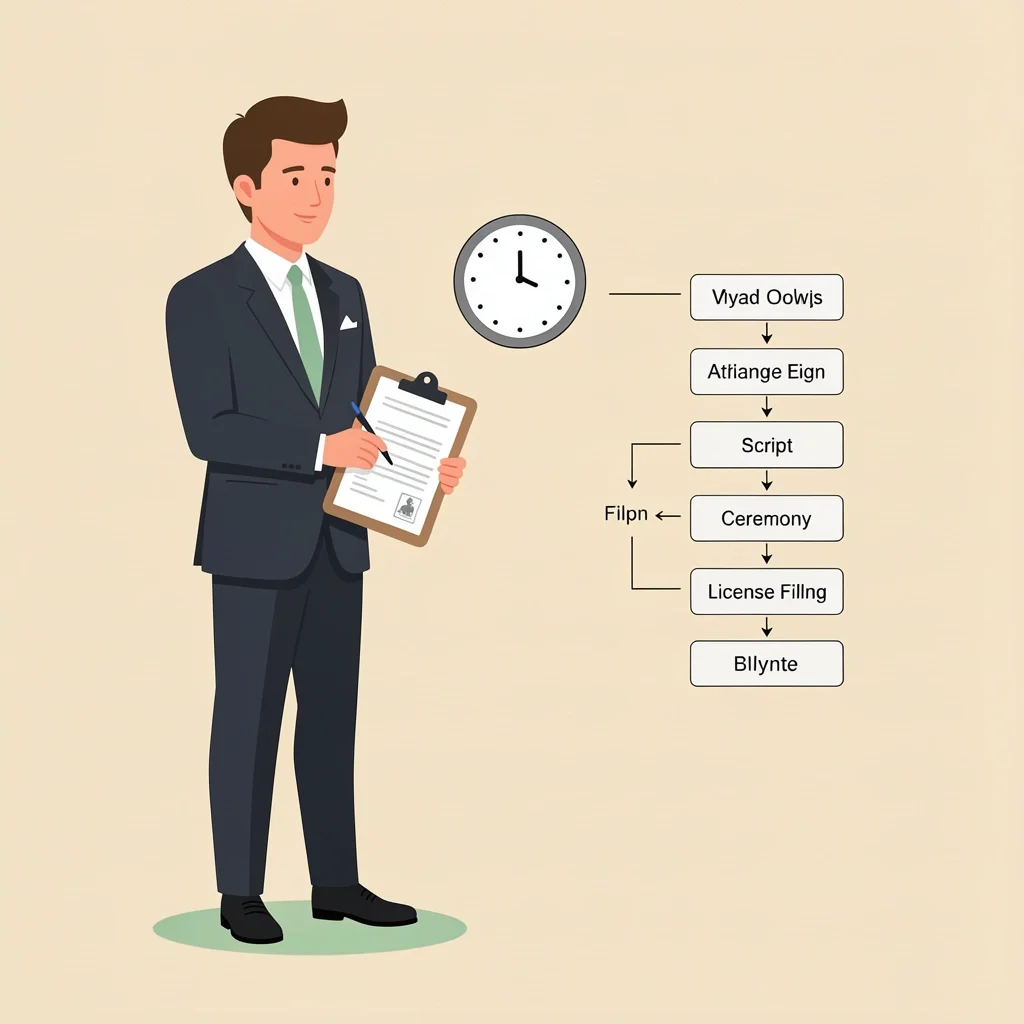
An officiant does more than say a few words and sign a license. They:
- Work with you to build a ceremony script that reflects your relationship
- Handle all legal paperwork to ensure your marriage is valid
- Lead the ceremony on the day, including cues for music, readings, and vows
- Often coordinate with your venue, photographer, and wedding planner during the rehearsal and ceremony
- File your signed marriage license with the county after the wedding
They are your guide through one of the most meaningful moments of your life. Choosing wisely matters.
The Three Paths to Your Officiant
You have three main options, and each comes with its own tradeoffs.
| Path | Pros | Cons | Best For |
|---|---|---|---|
| Professional officiant (secular or religious) | Experienced, reliable, knows legal rules, provides a polished script | Costs $200–$800+ depending on area; may feel less personal | Couples who want a stress-free, professional ceremony with zero guesswork |
| Clergy from a church, synagogue, or mosque | Deeply meaningful for couples with strong religious ties; often low-cost or free for members | May require premarital counseling or adherence to specific doctrine; availability can be limited | Couples who want a faith-based ceremony and are active in a congregation |
| Friend or family member (ordained online) | Personal, free, and intimate – they know you both well | May lack public speaking skills; legal validity varies by state; adds pressure on a relationship | Couples who are confident in that person’s ability and have checked local laws |
I recommend deciding on the type first, then moving to the search.
How to Find Candidates (Without Overwhelm)

Once you know which path fits, finding candidates is straightforward.
- Ask your venue. Many venues have a list of trusted officiants they’ve worked with before. Those names come with built-in familiarity with the space.
- Search online. Use phrases like “wedding officiant [your city]” or “secular celebrant [your state].” Look at their websites and reviews.
- Check social media. Local wedding groups on Facebook or Reddit often have real testimonials from couples.
- For a friend or family member: Ask someone who is comfortable speaking in front of a crowd, is organized, and genuinely wants to do it. Don’t ask out of obligation.
Common Misconceptions About Wedding Officiants

Let’s clear up a few myths I hear all the time.
| Myth | Reality |
| “Anyone ordained online can legally marry us everywhere.” | False. Some states (e.g., Virginia, New York) have restrictions on online ordination. Always check your county clerk’s rules. |
| “Professional officiants are always expensive.” | Not true. Many offer packages starting around $200, and some even offer sliding scales for smaller weddings. |
| “We don’t need a rehearsal with the officiant.” | You do. A rehearsal prevents awkward pauses and ensures everyone knows their cues. |
The Vetting Checklist: What to Ask Before You Book
Before you sign anything, run through these questions. They separate good candidates from ones who will cause problems later.
- Are you available on our date? Obvious but critical.
- What is your fee, and what does it include? Travel? Rehearsal? Script customization? Backup?
- How do you handle the legal paperwork? Do you file the license, or do we? What happens if it’s not signed correctly?
- Can we see a sample ceremony script? This shows their style and writing ability.
- How do you adapt the ceremony to our values? Do they offer options for religious, secular, or blended ceremonies?
- What happens if you are sick or delayed? Do they have a backup officiant? A plan?
- Do you attend the rehearsal? If not, that’s a red flag.
Red flags to watch for: Vague answers, insistence on a rigid script, no backup plan, or pressure to include elements you don’t want.
Legal and Logistical Pitfalls to Avoid
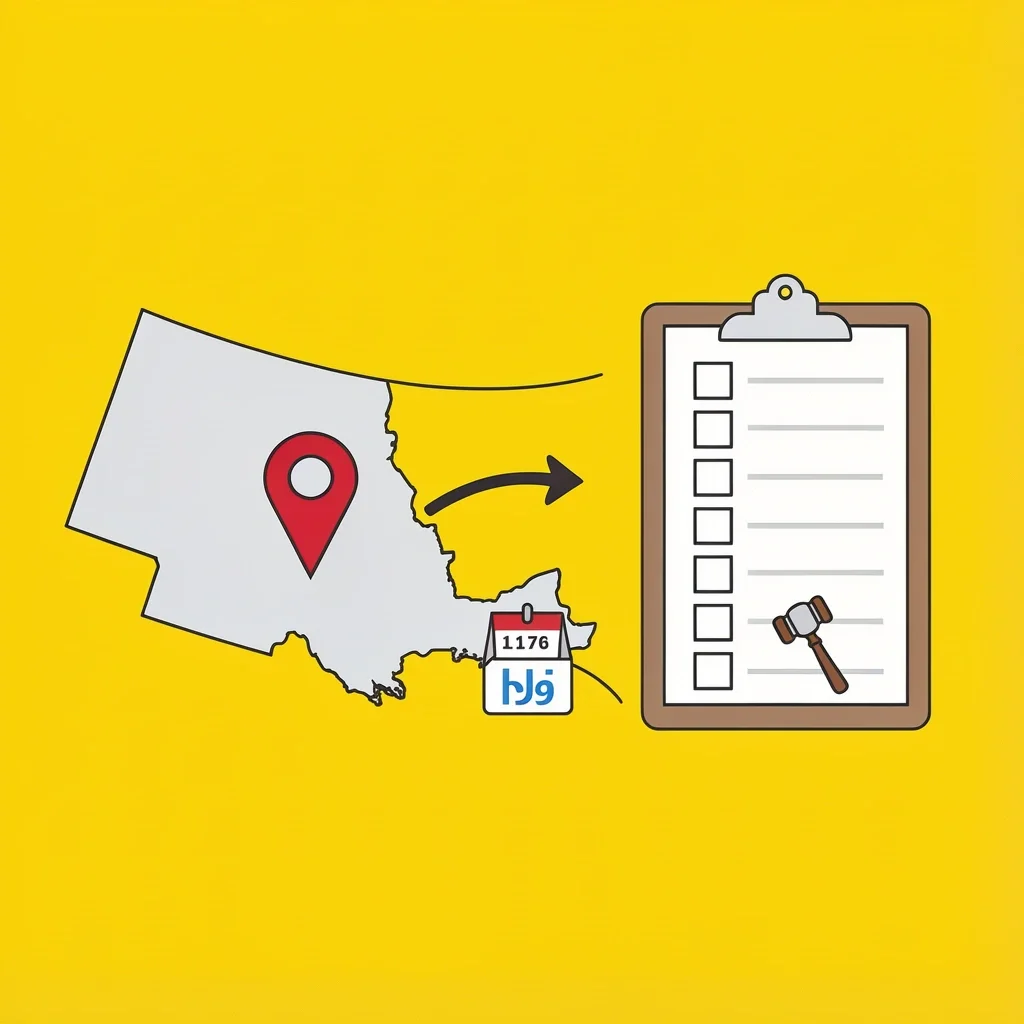
Many couples get tripped up by legal details. Here are the biggest ones.
- Verify your officiant’s authority in your state. Call your county clerk and ask: “Does an officiant need to be registered? Are there specific requirements for online ordination?”
- Get a marriage license in the correct county. Some states require you to obtain the license in the county where the wedding takes place, not where you live.
- Check witness requirements. Some states require one or two witnesses. Make sure your officiant knows this.
- Don’t leave the license signing to the last minute. Sign it immediately after the ceremony, and have the officiant file it within the legal window (often 10 days).
What to Do If Your Officiant Cancels Last Minute
It’s rare, but it happens. Have a backup plan:
- Ask your venue if they have a staff member who can step in.
- Keep a friend or family member ordained (if legal in your state) as a silent backup.
- If you have time, call local officiant registries or wedding planner networks.
- Remember: you can also find a temporary officiant through apps like Thumbtack or WeddingWire.
Planning Your Ceremony: Script, Rehearsal, and Day-Of
Once you’ve booked, the real work begins. Here is how to collaborate with your officiant.
- Share your story. Write a short paragraph about how you met, what you love about each other, and what kind of tone you want (funny, romantic, spiritual). Your officiant uses this to personalize the script.
- Decide on readings, music, and rituals. Will you have a unity candle, sand ceremony, or handfasting? Tell your officiant early so they can weave it into the script.
- Write your own vows if you want. Coordinate with your officiant on length. They can help you structure them or suggest prompts.
- Attend the rehearsal. Walk through the entire sequence: entrance, readings, vows, ring exchange, kiss, exit. Your officiant should lead this.
- On the day, trust them. Arrive early, hand over the signed license, and let them handle the flow. They will keep everything on track.
After the Ceremony: Finalizing the Marriage License

Your job isn’t done when you say “I do.” Here’s what needs to happen next:
- Make sure all parties (you, your spouse, witnesses, officiant) sign the license immediately after the ceremony.
- Confirm that your officiant will file the license with the county within the required time frame. Ask for a receipt or confirmation number.
- Order certified copies of your marriage certificate from the county for name changes and insurance purposes.
If anything goes wrong with the filing, your officiant is your first point of contact. Keep their number handy for the week after the wedding.
Frequently Asked Questions
How much does a wedding officiant typically cost?
In most areas, you can expect to pay between $200 and $800. Professional officiants in major cities or with many years of experience may charge $1,000 or more. Friend officiants often do it for free, but you might still cover their travel or a small gift.
Can we write our own vows, and how does that affect the officiant’s script?
Absolutely. Most officiants encourage it. Let them know early so they can remove the standard vow section from their script and insert space for your personal vows. They should also coach you on timing (usually 1–2 minutes per person) and provide a backup copy in case you get nervous.
Do we need to have a rehearsal with the officiant?
Yes, especially if you have a wedding party, multiple readings, or special rituals. The rehearsal typically lasts 30–60 minutes and happens the day before. It prevents confusion about where to stand, when to walk, and who speaks when.
How early should we book our officiant?
Aim for 6 to 12 months before your wedding. Popular officiants book up quickly, especially during peak season (May–October). If you are planning a shorter timeline, you can often find someone available 2–3 months out, but your options will be narrower.
What if our officiant is running late on the wedding day?
First, don’t panic. Ask your wedding planner, venue coordinator, or a trusted guest to contact the officiant. If they are stuck in traffic, you can delay the ceremony start by 15–20 minutes without much issue. If they are truly not coming, activate your backup plan (see the section above). Most professional officiants have a backup colleague on call.
Choosing your wedding officiant is one of the most personal decisions you will make during wedding planning. Take it step by step, ask the right questions, and trust the process. The result will be a ceremony that feels like you — not a cookie-cutter script.
After the ceremony, a thoughtful wedding gift for officiant is a meaningful way to thank them for their role in your special day.