

Most people think premarital counseling is for couples who already have problems. That is not true. Premarital counseling is for couples who want to avoid problems. It is strategic relationship optimization. Think of it as emotional insurance. You pay a small amount now to prevent a much larger loss later.
In my years working with couples, I have seen the same pattern over and over. The couples who invest in premarital counseling enter marriage with a roadmap. The couples who skip it often get lost within the first two years. This article covers what actually happens in sessions, how to choose the right format, what things cost, and what to do if you uncover something uncomfortable.
What Actually Happens in a Session

A standard premarital counseling program runs between four and twelve sessions. Each session lasts about an hour. The therapist does not lecture you. They ask questions, observe how you interact, and assign exercises to practice between meetings.
Here are the topics you will cover:
- Communication styles and conflict patterns
- Financial habits and money management expectations
- Family planning and parenting philosophies
- Intimacy and physical affection expectations
- Roles and responsibilities in the household
- Extended family boundaries and holiday plans
- Spiritual or religious alignment
- Personal values and life goals
The therapist will also look at your family of origin. How your parents handled money, conflict, and affection shapes how you handle those things today. You might not realize it until someone points it out.
One couple I worked with discovered that he thought “saving money” meant putting away whatever was left at the end of the month. She thought it meant setting aside a fixed amount first. They had been fighting about money for three years without ever realizing they meant different things by the same words. Premarital counseling caught that in the second session.
Choosing the Right Format for You
Not all premarital counseling is the same. You need to pick the format that matches your needs, budget, and relationship stage.
Faith-Based Programs
Many churches, synagogues, and mosques offer premarital counseling as part of their marriage preparation. These programs are often low-cost or free. They focus heavily on spiritual alignment and shared values. If you and your partner share a faith tradition, this is a natural starting point. The counselor is usually a pastor or religious leader who brings spiritual guidance but may not have clinical training in attachment theory or mental health conditions.
Clinical Therapy
Licensed marriage and family therapists provide clinical premarital counseling. This is the most thorough option. Sessions run eight to twelve weeks and go deep into communication patterns, emotional triggers, and unresolved family issues. If either partner has a history of trauma, anxiety, or depression, clinical therapy is the better choice. Expect to pay between $100 and $250 per session.
Structured Inventories
Programs like Prepare/Enrich, SYMBIS, and FOCCUS use standardized questionnaires. You both fill out a detailed assessment, and the counselor gives you feedback based on the results. These programs cover the same topics as clinical therapy but in a more structured format. They are excellent for couples who want a clear framework without open-ended exploration. Cost ranges from $35 to $80 per session plus the assessment fee.
Self-Directed Options
Workbooks, online courses, and weekend workshops exist for couples who want to do the work independently. These are the least expensive option but also the least guided. You have no professional to catch what you miss. If you choose this route, commit to being brutally honest with each other and revisit the material if you hit a rough patch.
For a structured path that removes the uncertainty, learn How to Start Marriage Counseling Without the Guesswork to ensure you address what matters most.
The Cost-Benefit Reality
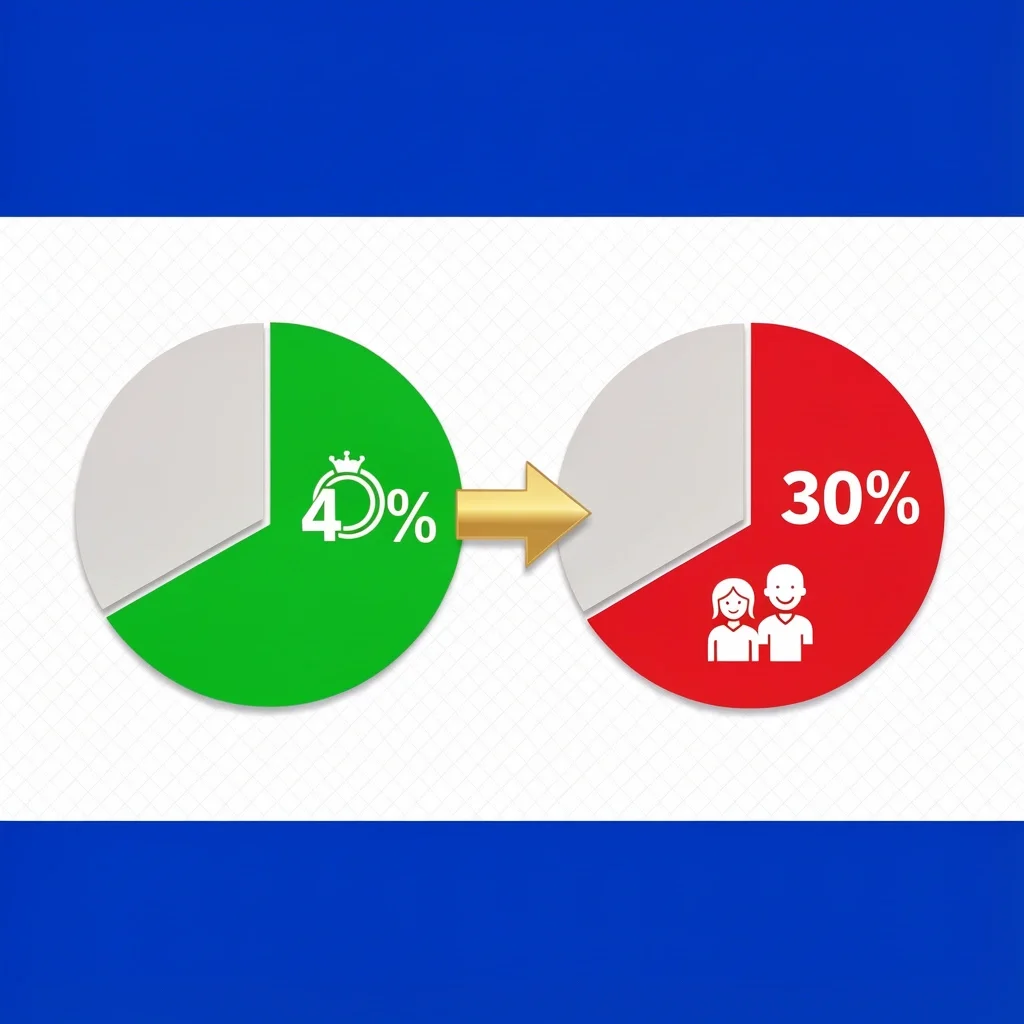
Let me give you some numbers. The average wedding in the United States costs over $30,000. Clinical premarital counseling for eight sessions at $150 each costs $1,200. That is 4 percent of the wedding budget.
Now compare that to divorce. The average divorce costs between $15,000 and $30,000 in legal fees alone. The emotional cost is much higher. John Gottman’s research shows that couples who complete premarital counseling report 30 percent higher marital satisfaction after five years.
You are spending 4 percent of your wedding budget on something that gives you a 30 percent better chance of staying happy. That is a good return on investment.
Five Surprises No One Warns You About
Here are the things that catch most couples off guard during premarital counseling.
The Paradox of the Smooth Relationship

Couples who never fight often struggle most in counseling. They have never developed the vocabulary for disagreement. Their relationship looks peaceful on the surface, but underneath, one partner may be silently resentful while the other has no idea. Smooth does not mean healthy. Counseling will force you to create friction on purpose, and that can feel uncomfortable at first.
The Family-of-Origin Earthquake
When you start talking about how your parents argued, saved money, showed affection, or handled stress, expect unexpected emotions. Your partner is not just marrying you. They are inheriting your family’s relationship blueprint. That blueprint might contain patterns you never noticed until someone holds up a mirror.
The Money Hypocrisy
Most couples agree on broad financial principles like “we should save for the future.” The problem is that “save” means different things to different people. One partner might think saving means never eating out. The other might think it means contributing to a retirement account while still buying coffee daily. Counseling reveals the gap between stated values and actual behavior.
The Sex Postponement Trap
Intimacy expectations are the number one topic couples wish they had addressed before marriage. Many couples avoid it in counseling because it feels awkward. They assume “it will work out.” It often does not. Talk about frequency, initiation, what happens when one partner is not in the mood, and how you handle physical changes over time. Get comfortable being uncomfortable on this topic.
The Cancellation That Saves Your Marriage

Here is something nobody talks about. Sometimes premarital counseling reveals that you should not get married right now. Maybe you discover a fundamental incompatibility. Maybe you realize you need individual therapy first. Maybe you are not ready. Postponing a wedding after premarital counseling is not failure. It is the highest form of respect for the relationship. Some of the strongest marriages I have witnessed started with a delayed wedding date. The couples who walked away from a wedding and into counseling are the ones who built marriages that lasted.
How to Make Counseling Actually Work
You get out of premarital counseling what you put in. Here is how to maximize the value.
- Be honest even when it is uncomfortable. Lying to your partner or the therapist wastes everyone’s time.
- Do the homework. If the therapist asks you to practice a communication exercise, do it before the next session.
- Discuss each session together afterward. Talk about what you learned and how you felt about it.
- Bring specific concerns. Do not wait for the therapist to guess what is bothering you. If you have a fear, name it.
- Approach each session with curiosity, not defensiveness. The goal is to understand your partner better, not to win an argument.
Frequently Asked Questions
Can we do premarital counseling if we are already living together?
Yes. Living together can actually mask deeper issues that only surface when you make a legal and financial commitment. If you are cohabiting, you have already experienced some of the practical challenges of daily life. Premarital counseling helps you address the areas you might have overlooked, like long-term financial planning, family boundaries, and what happens if one of you loses a job.
How long before the wedding should we start?
Start six to twelve months before your wedding date. This gives you enough time to process any discoveries without the pressure of an approaching deadline. If you start too close to the wedding, you might rush through important conversations or avoid difficult topics because you do not want to disrupt the plans.
What if one partner does not want to go?
Start with one exploratory session. Frame it as an interview. Say to your partner, “Let us try one session to see if it is useful. If we both agree it is not helpful, we stop.” Most resistant partners relax once they see that the counselor is not judging them or trying to find problems. The session becomes a conversation, not an interrogation.
Does insurance cover premarital counseling?
Rarely. Insurance companies classify premarital counseling as preventive care, not medically necessary treatment. Most plans do not cover it. Some therapists offer sliding-scale fees based on income. Check if your employer provides an Employee Assistance Program that includes relationship resources. A few EAPs cover a limited number of sessions.
Can we use a pastor instead of a licensed therapist?
Yes, but understand the difference. Religious leaders bring spiritual guidance. They help you align your values and faith traditions. Licensed therapists bring clinical training in attachment theory, conflict resolution, and mental health. Some couples benefit from doing both. Use your pastor for the spiritual alignment work and a therapist for the deeper psychological patterns.
What if we discover something terrible in counseling?
That is actually the best possible outcome. Discovering a dealbreaker before the wedding saves you years of pain and thousands of dollars in divorce costs. If you uncover something that makes you question the relationship, take a breather. Consider individual therapy for each partner. Give yourselves permission to postpone the wedding. Walking away now is much cheaper and less painful than walking away after you are legally married and have shared assets, debts, or children.