
If you are shopping for rings for the first time, the difference between an engagement ring and a wedding ring can feel blurry. Are they the same thing? Do you need both? Which one comes first? I have worked with hundreds of couples who walked into my studio confused about these two pieces. Let me clear it up for you with what I have learned from years of fitting, stacking, and designing rings for real people.
The Core Distinction Between the Two Rings
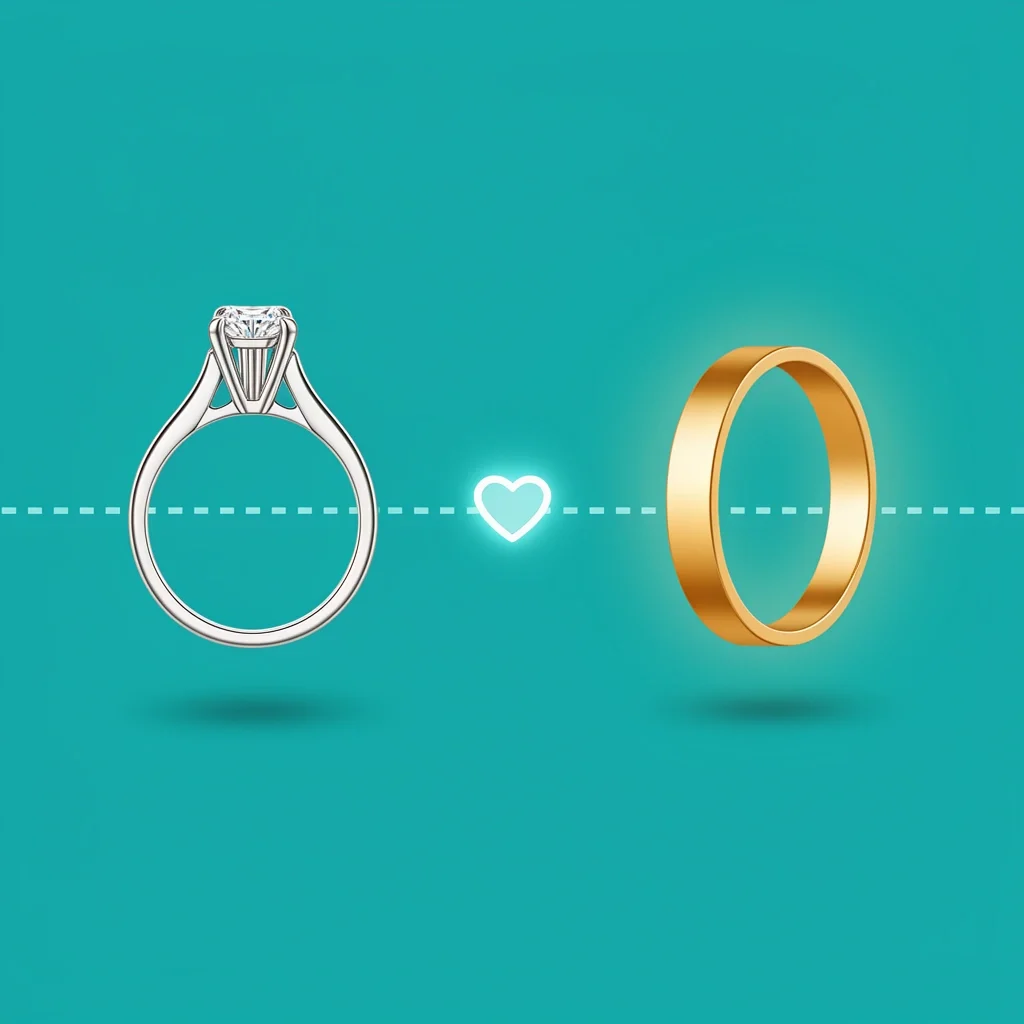
The simplest way to think about it is timeline and purpose. An engagement ring is the ring you give when you ask someone to marry you. It is a proposal ring. It usually has a center stone — a diamond, a sapphire, or another gemstone — sitting high above the band. Its job is to say I want to spend my life with you.
A wedding ring — often called a wedding band — is the ring exchanged during the ceremony. It is the ring that seals the marriage vows. It is typically simpler than an engagement ring: a plain metal band or a band with small diamonds set into it. It does not have the big center stone.
You can legally wear only one ring and still be married. But culturally, most people wear both. The two rings form a set that represents the full journey from proposal to marriage.
The Stacking Science and Practical Wear
Can They Be Worn Together Order and Placement Rules
Yes, they are worn together on the same finger. The order matters. Traditionally, the wedding band goes on first — closest to your heart. Then the engagement ring sits on top of it. This tradition started because the wedding band is the symbol of the actual union, and the engagement ring protects it.
But here is something many articles skip. If your engagement ring has a high cathedral setting or a large center stone, a straight wedding band may not sit flush against it. You will see a gap between the two rings. That gap is not a mistake. It is a common physical reality of stacking.
Common Stacking Problems and Solutions
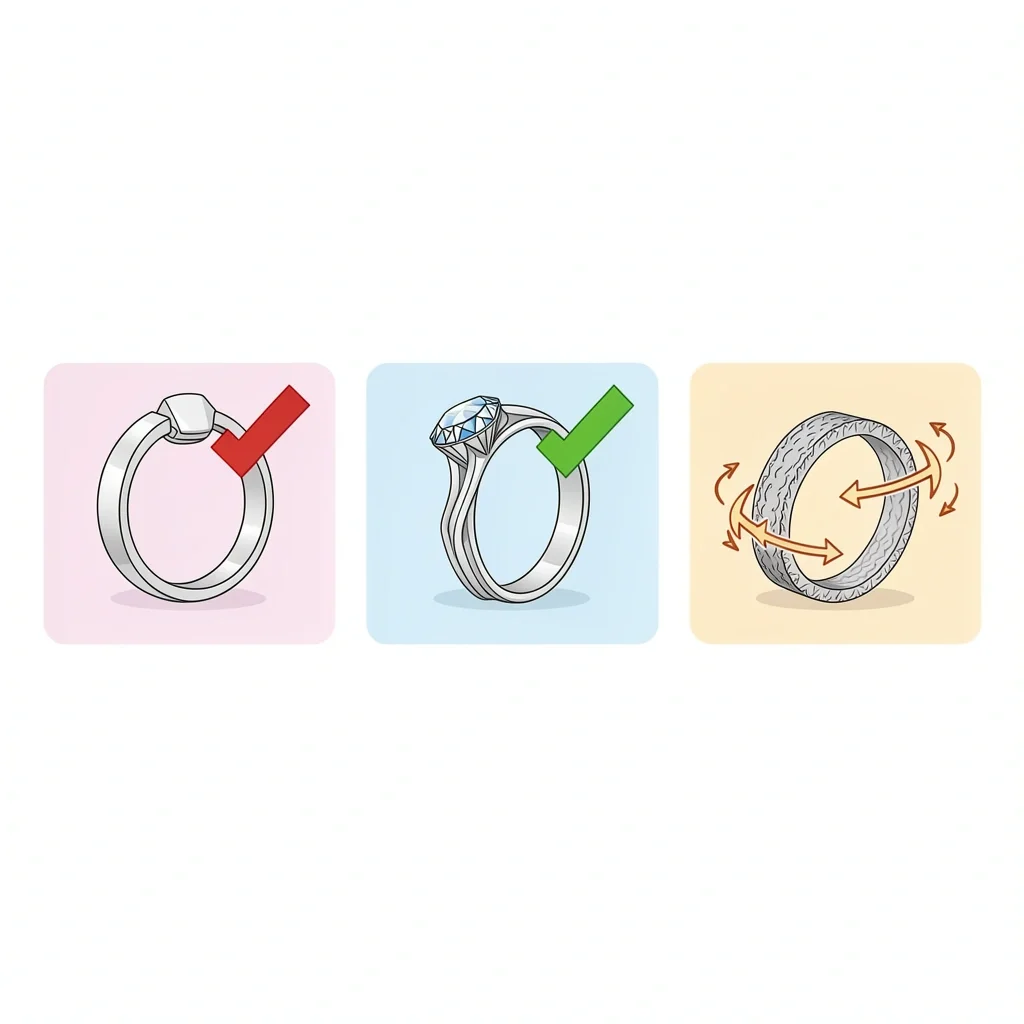
I have had clients come back frustrated because their wedding band did not slide all the way up against their engagement ring. Here are the three most common problems and what works.
The Flush Fit Problem occurs when a straight band hits the underside of a high-set engagement ring. Solutions include a contour band — which curves around the stone — or a notched band that has a small cutout for the stone. Some people opt for a custom bendable band that a jeweler can shape to fit snugly.
The Spinning Problem happens when an engagement ring is slightly too large and rotates on your finger. A thin wedding band with a textured finish — like a satin or milgrain edge — creates friction that stops the spinning. A simple textured band solved this for a client who was about to resize her ring.
The Bulk Problem comes from stacking two thick bands. If your engagement ring is already wide, adding a thick wedding band can feel heavy. A thin comfort-fit band in the same metal solves this without adding weight.
When to Wear What After the Wedding
Many people wear just the wedding band daily after the ceremony, especially if their job involves manual work. You can absolutely do this. The engagement ring can come out for special occasions or weekends. Some people move the engagement ring to the right hand after the wedding. That is a modern trend that works well if the stack feels too heavy on your left hand.
The Financial and Selection Deep Dive
Budget Allocation How Much to Spend on Each
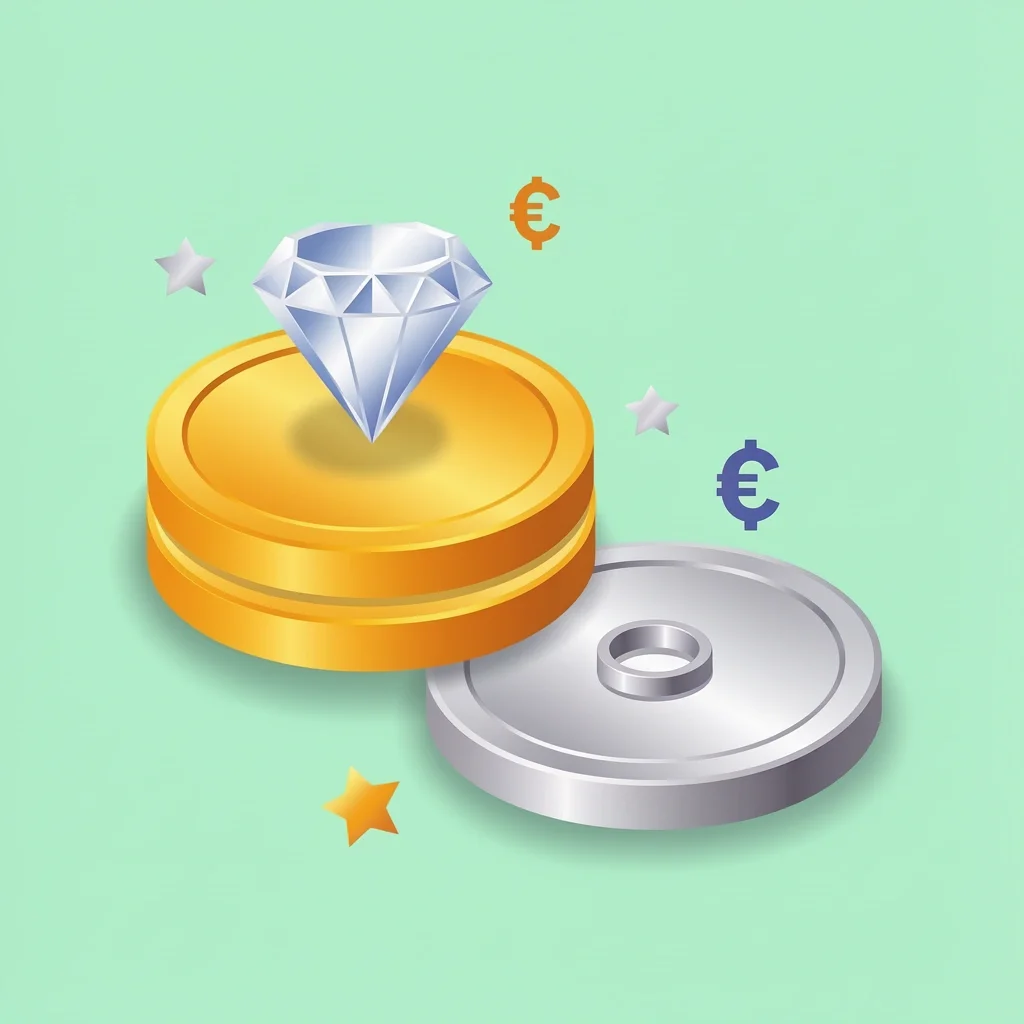
You will hear a lot of rules about spending months of salary. Here is what works in practice. Spend the bulk of your budget on the engagement ring. It is the hero piece. That is where the stone and the setting matter most. For a total budget of $5,000, I would put $4,000 into the engagement ring and $1,000 into a simple but well-made wedding band.
Once your ring budget is set, you might also start researching the best wedding registry stores to plan your gift list. It’s an important step in your wedding planning journey.
The wedding band is your lifelong companion. It will be on your finger every day for decades. But it does not need to be expensive. A solid 14k yellow gold band that is 2mm wide will last longer than a thin 1mm band with tiny diamonds. Invest in metal quality and thickness over stones for the band.
Also remember that bands can be re-polished, engraved, or resized later. You can upgrade a cheap wedding band down the road. But a bad engagement ring — with a poorly cut stone or a thin setting — is harder to fix.
Matching Versus Mixing the Set Dilemma
A matching set means both rings are from the same collection, same metal, same finish. It looks perfectly symmetrical. It is safe, classic, and easy to shop for. Many jewelers sell them as a pair. If you want zero guesswork, this is the way to go.
Mixing metals is the bigger trend right now. A yellow gold wedding band paired with a platinum engagement ring looks striking. The contrast makes each piece stand out. I have seen couples mix rose gold with white gold and it works beautifully. Just make sure the metals are compatible. Platinum and gold mix fine. Gold and gold is also fine. Avoid mixing a high-polish band with a matte finish engagement ring unless you intend the contrast.
Mixing esthetics — like a simple solitaire engagement ring with a chunky textured band — creates the dual-tone look that many jewelry lovers adore. It says you know what you are doing.
Common Myths About Engagement and Wedding Rings
There is a lot of bad advice out there. Let me dismantle the three myths I hear most often.
Myth 1: You must buy both rings at the same time. You do not. Many people buy the engagement ring first, then shop for the wedding band later. In fact, waiting gives you time to see how the engagement ring sits on your finger and what band style will work best.
Myth 2: The wedding band must be completely plain. This is false. Wedding bands with diamonds, engraving, or texture are extremely common. Some bands have channels of small diamonds. Others have hammered finishes. The only rule is that the band should not overpower the engagement ring if you wear them together.
Myth 3: Men only wear wedding bands. More men are wearing both an engagement ring and a wedding band today. It is not traditional, but it is becoming normal. I have fitted many men with a simple engagement ring and a matching band. The look is clean and modern.
Frequently Asked Questions
Do engagement rings and wedding rings have to match?
No. Mixing metals, textures, and styles is common and often looks more intentional than a matching set.
Can I wear only the wedding band after the ceremony?
Yes, many people do this for comfort, safety, or simplicity. The engagement ring can be saved for special occasions.
Should I buy both rings from the same jeweler?
It helps for sizing and metal matching, but it is not required. A good local jeweler can help you pair any two rings together.
What is the best metal for a wedding band?
Platinum is the most durable but most expensive. 14k gold is a solid, affordable choice. Avoid gold-plated or silver bands for daily wear — they wear down quickly.
How do I clean and maintain both rings?
Soak them in warm water with mild dish soap, scrub gently with a soft toothbrush, and dry with a lint-free cloth. Avoid ultrasonic cleaners for rings with fragile settings or gemstones.
Can I wear both rings before the wedding?
Only the engagement ring is worn before the wedding. The wedding band is exchanged during the ceremony and worn from that day forward.