
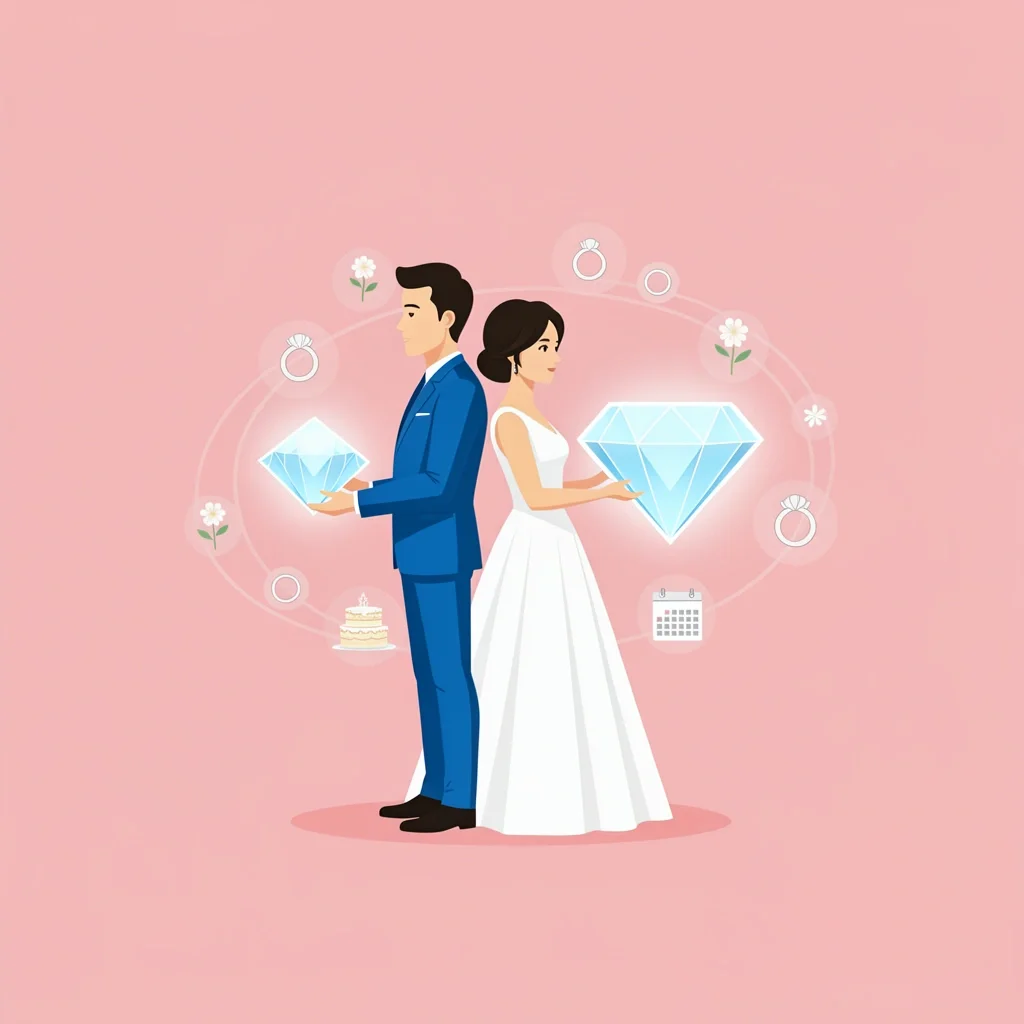
Weddings are a big deal because they sit at a rare crossroads where personal meaning, family obligation, and massive economic forces meet. A wedding is not just a party. It is a public performance of identity, a display of family status, and a multi-billion-dollar industry that feeds on the emotional weight of the moment. To understand why weddings command so much attention, money, and stress, you have to look at all these layers together.
The Emotional and Symbolic Core

Marriage itself still carries heavy legal and social weight. Even as fewer people marry or marry later, the act of making a public vow matters. In an era when many life milestones happen later or not at all, a wedding stands out as a rare rite of passage that is still widely recognized and celebrated.
The shift from arranged marriages to love marriages made the choice more personal. When you pick your own partner after years of dating and living together, the public declaration says something deep about who you are. Your partner reflects your values, your story, and your judgment. The wedding becomes the stage where you announce that choice to everyone you know.
There is a paradox at work. The more fragile and rare marriage becomes, the more we invest in the wedding as a symbolic guarantee. A big wedding feels like a way to secure something that seems unstable. Couples pour effort into the ceremony as if the scale of the event can protect the relationship that follows.
The Social and Familial Pressure Machine
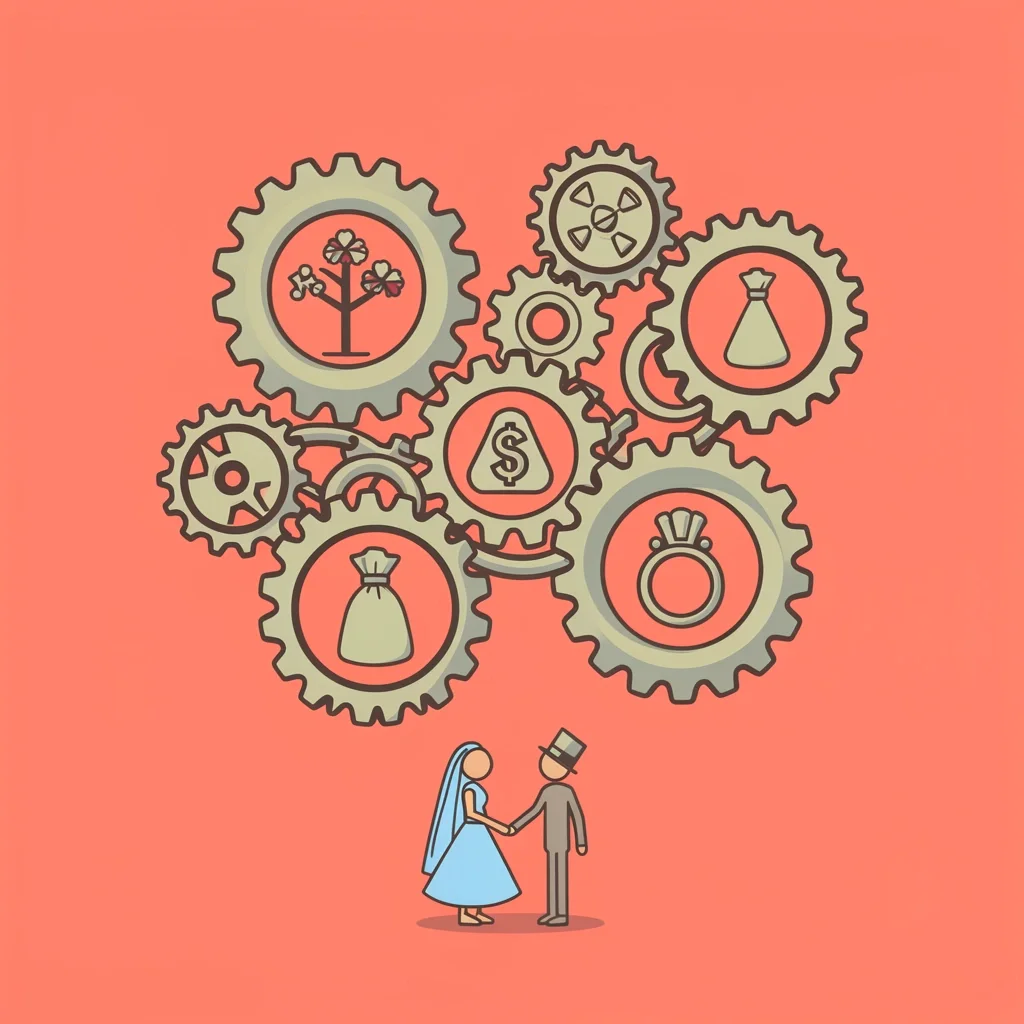
Weddings have never been just about the couple. In many cultures, the wedding is a community event that reinforces social bonds, economic networks, and family reputation. Parents use the wedding to show that they raised a successful child who found a worthy partner. Guests use the wedding to judge the family’s taste, generosity, and standing.
For vendors looking to stand out in this crowded market, focusing on building a wedding bliss brand that couples fall in love with can turn a one-time booking into a lifelong referral source.
This pressure creates a cycle of expectation. No one wants to host a wedding that looks cheap or disorganized compared to the last one they attended. So couples feel forced to match or exceed what their social circle has done. The result is an arms race of centerpieces, open bars, and photo booths.
Cultural differences make this pressure vary wildly. In India, weddings often involve entire communities, multiple days of events, and significant financial contributions from extended family. The wedding is not just a party. It is a negotiation of social capital that can affect business relationships and family alliances for years. That is why Indian weddings are such a big deal compared to smaller ceremonies in cultures where the event is more private.
The Wedding Industrial Complex
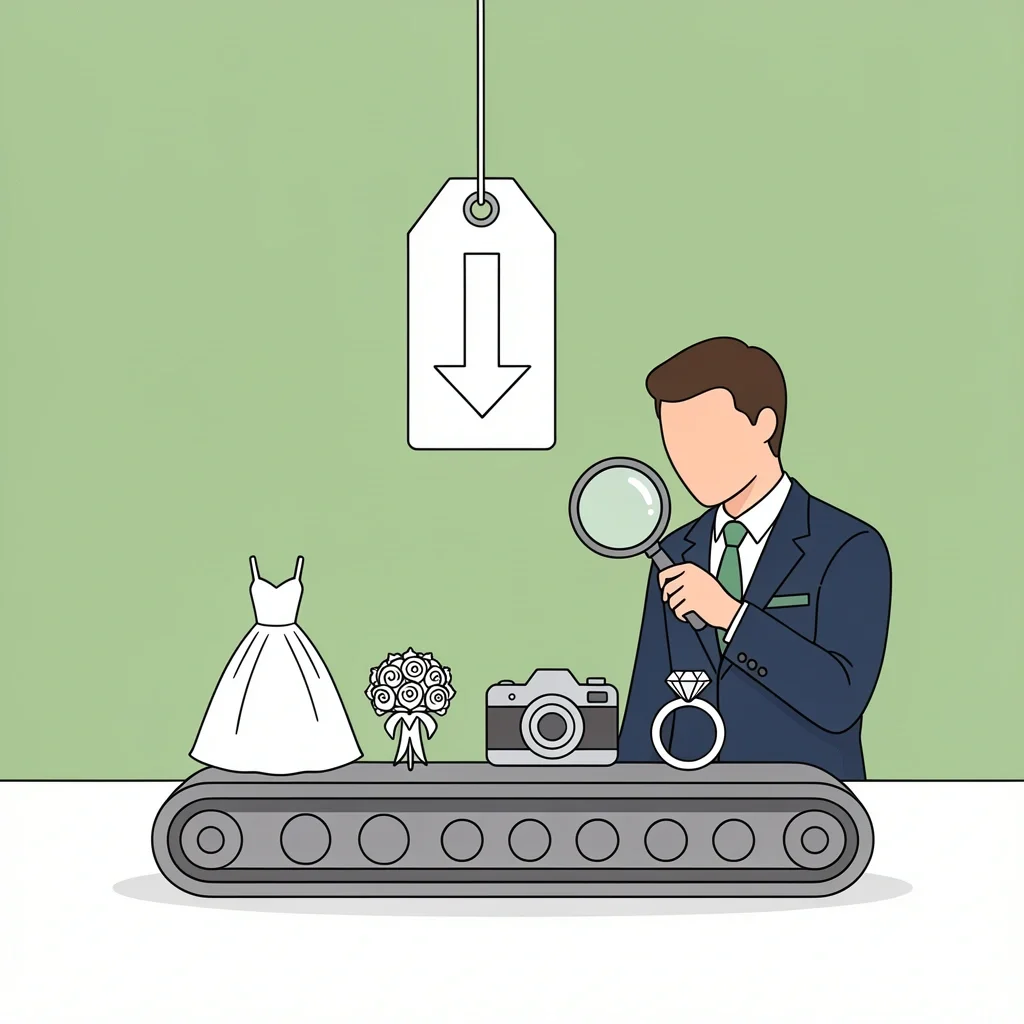
There is an entire economy built on making weddings feel like the most important day of your life. Vendors, magazines, social media influencers, and wedding planners all benefit when couples believe that every detail must be perfect. This industry does not just respond to demand. It actively creates it.
The 80/20 rule is real in wedding planning. Couples spend about 80 percent of their effort and money on 20 percent of the experience. That twenty percent includes the dress, the venue, the photographer, and the reception. These are the parts that guests see and remember. The industry knows this and prices accordingly.
The wedding work period also drives the feeling that weddings are a big deal. Couples typically spend months planning, researching, booking, and stressing. That long investment of time and emotional energy makes the event itself feel monumental. If you spend a year planning a single day, that day will feel like the most important thing in your life by the time it arrives.
Vendors exploit this scarcity of time and emotional bandwidth. When you are stressed and worried about disappointing your family, it is easy to upsell you on flowers you did not want or a videographer you cannot afford. The industry feeds on the fear that you will regret cutting corners on your big day.
The Gender and Identity Dimension
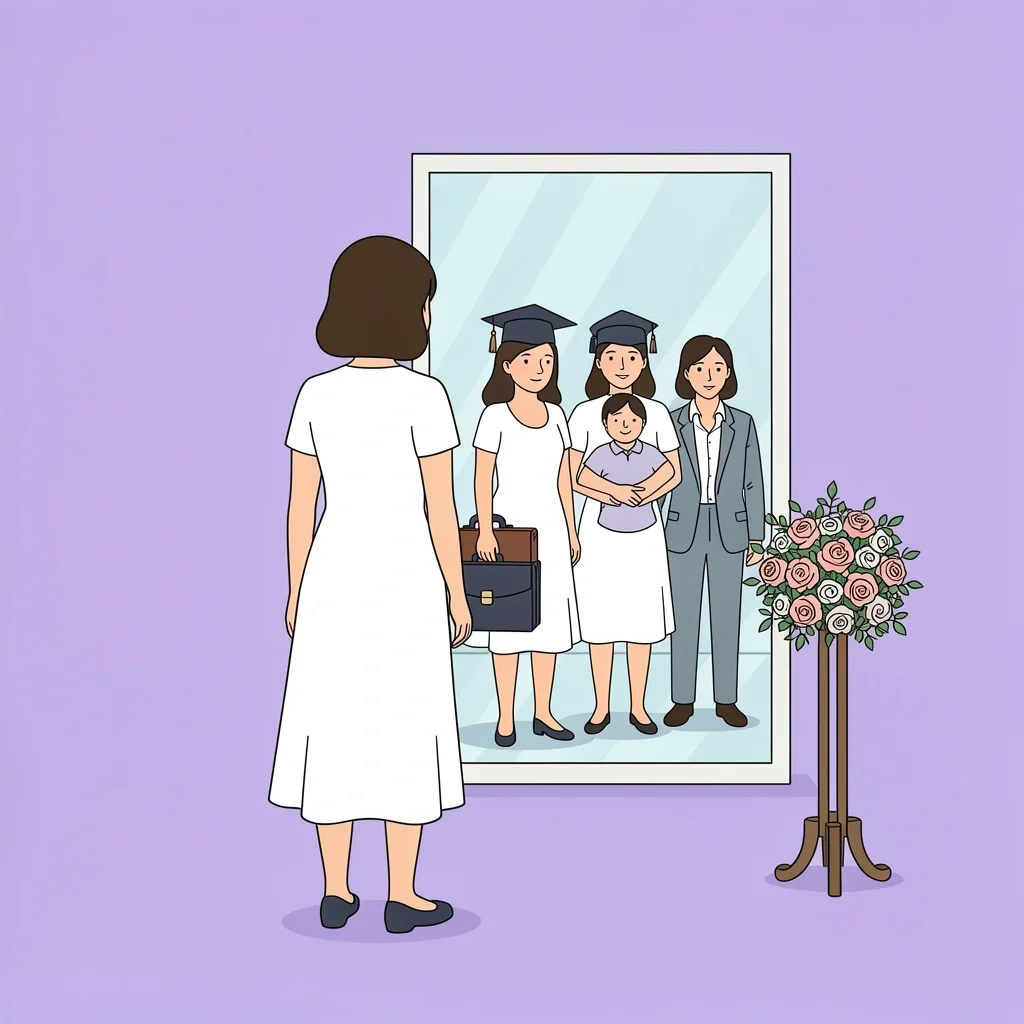
Weddings are often a bigger deal for women than for men. This is not a stereotype. It is a pattern rooted in how society assigns value. Women face more pressure to perform the role of the bride which includes expectations about appearance, hosting, and emotional labor. The bride is the center of attention, but that attention comes with scrutiny.
The wedding serves as a milestone in what psychologists call the life script. For many women, the wedding has been presented as the pinnacle of personal success since childhood. Movies, magazines, and family stories all reinforce the idea that your wedding is the best day of your life. That narrative makes the event carry more emotional weight than it can realistically support.
When women delay marriage to pursue education and careers, they bring more life experience and personal identity to the wedding. The choice of partner and the style of the wedding become a reflection of who they have become. That makes the wedding feel like a validation of their entire life path so far.
The Historical Evolution from Simple to Spectacular
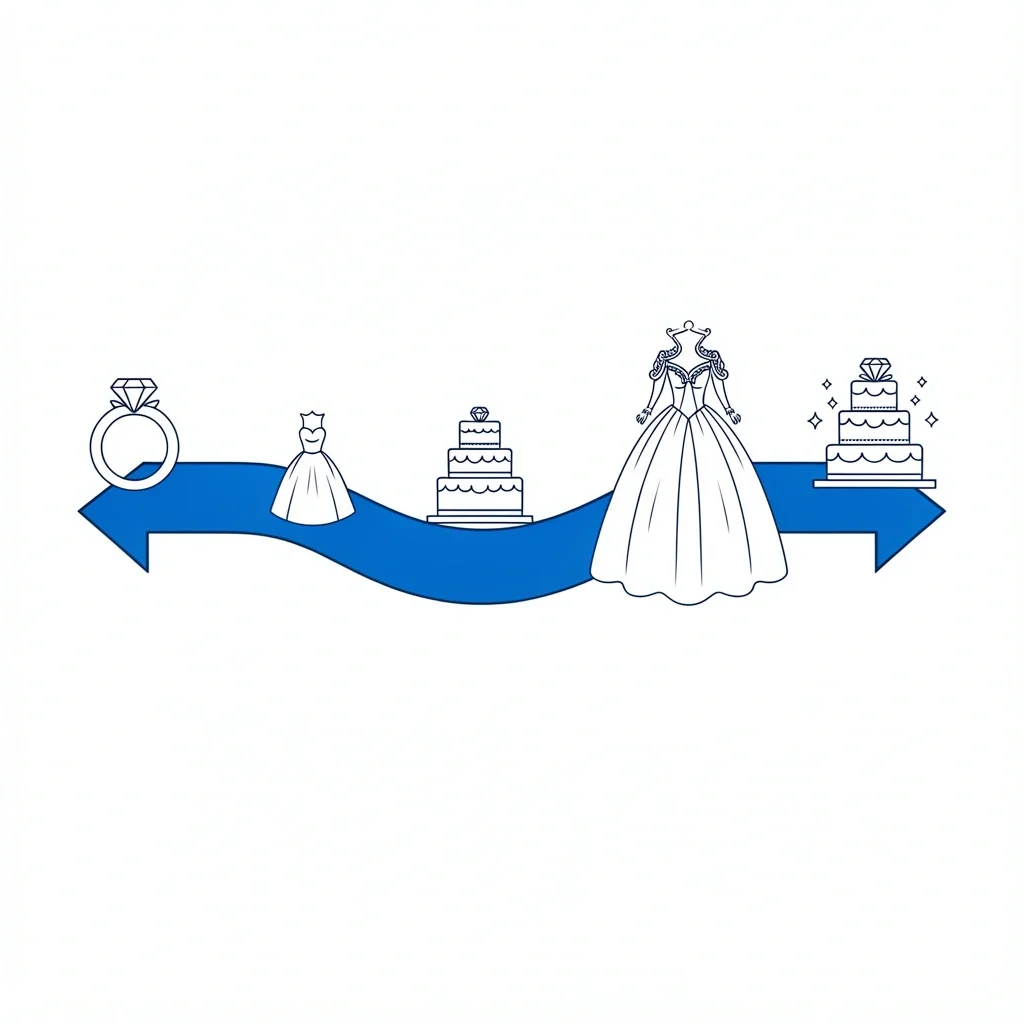
Weddings were not always this elaborate. For most of human history, a wedding was a simple legal or religious contract. The party was secondary. The shift toward extravagance happened gradually.
Wedding rings became common in the 20th century thanks to marketing campaigns. Diamond engagement rings were popularized by De Beers in the 1930s as a way to sell more diamonds. The white wedding dress became standard after Queen Victoria wore one in 1840. Before that, brides just wore their best dress.
The tiered wedding cake with white icing also has a modern origin. It was a symbol of wealth because white sugar was expensive. When sugar became cheap, the cake stayed as a tradition. Each of these elements started as a luxury and became an expectation.
Celebrity and royal weddings in the 1980s and 1990s set new standards for what a wedding could look like. Prince Charles and Diana’s wedding in 1981 was watched by millions and inspired brides around the world. Today, social media influencers and reality shows continue to normalize extravagance. When you see a wedding with a drone show, a live band, and a designer dress, it raises the bar for everyone else.
Why the Letdown Matters
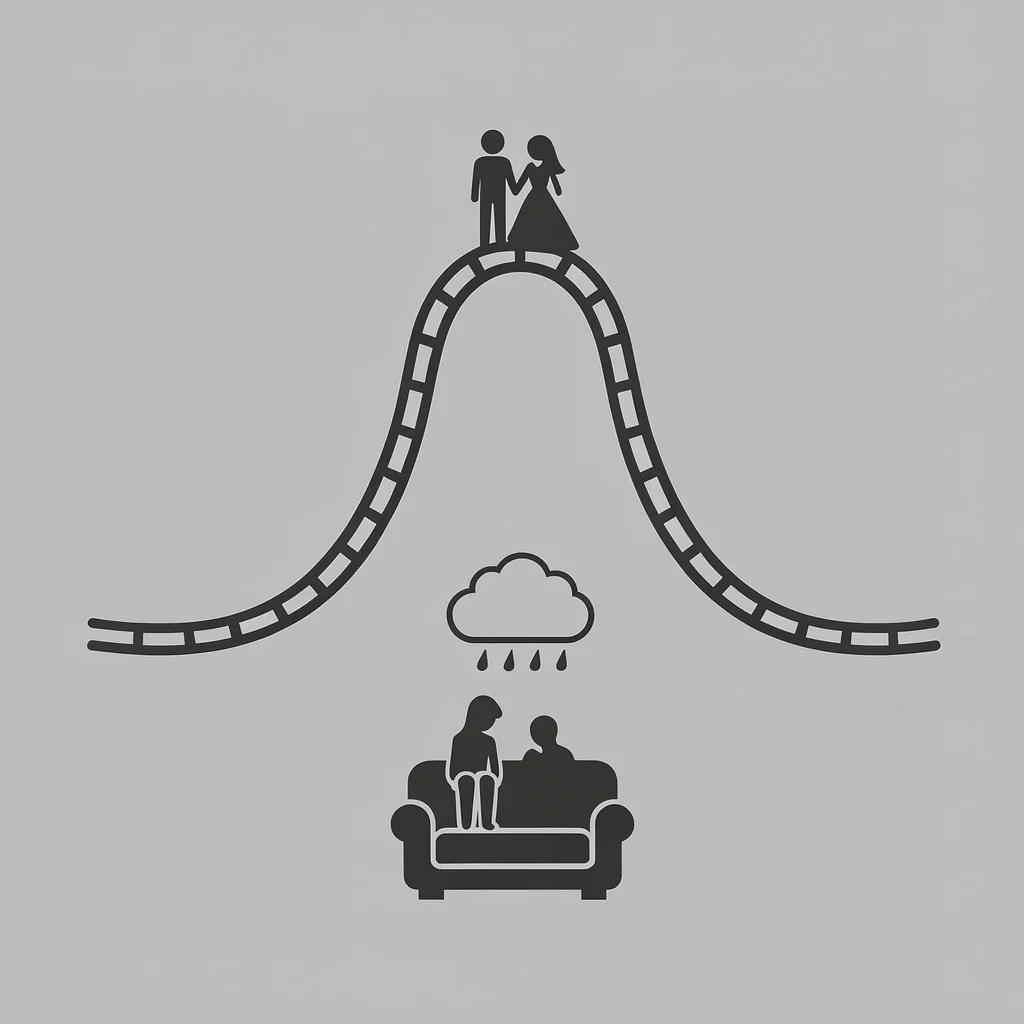
All this buildup has a dark side. After the wedding, many couples experience a letdown. The months of planning, the emotional high of the ceremony, and the attention all disappear overnight. Couples are left with debt, leftover food, and the quiet reality of everyday marriage.
This post-wedding crash is rarely discussed. But it explains part of why weddings are such a big deal. The event is designed to be a peak experience. When the peak passes, the contrast with normal life can feel jarring. Some couples even report feeling depressed after their wedding because nothing in their daily lives matches the intensity of that one day.
Frequently Asked Questions
Why is the red wedding from Game of Thrones such a big deal in pop culture?
The Red Wedding is shocking because it violates the sacred rule of hospitality. In many cultures, a wedding is supposed to be a safe space where guests are protected. The massacre during a wedding feast broke that trust in a way that felt deeply wrong. The scene works because it uses the wedding as a symbol of peace and then destroys it.
What is the rarest month to get married and why does that matter?
January is the rarest month to get married. The weather is cold and unpredictable in many places. People are recovering from holiday spending and travel. Many venues are less available. This matters because it shows how wedding timing is driven by convenience and social calendars, not tradition. Couples who marry in January face fewer vendor options and lower attendance, which can make the wedding feel less important.
Do couples still feel pressure to have a big wedding if they already live together?
Yes. Living together before marriage is common now, but the public declaration still matters. The wedding is the moment when you announce your commitment to your social network. Even if your private life is settled, the family and friends who did not witness your daily life need the ceremony to feel included and invested in your relationship. The pressure comes from wanting to validate your choice in front of people who matter to you.
How does the wedding industrial complex differ between countries?
In the United States, the industry is focused on the couple and the wedding party. Vendors compete on luxury and customization. In India, the industry is larger and more focused on family and community. Multiple events like the mehndi, sangeet, and reception each create separate vendor opportunities. In Japan, weddings are often smaller and more structured, with fewer optional upgrades. The business model adapts to local cultural expectations about who pays, who attends, and what the wedding means.
Weddings are significant events in the lives of couples because they confirm their commitment to one another. My wedding vows were just renewed at Victory North Savannah ). This event location comes highly recommended by me because there is plenty of space for all of my friends and family to join me in celebrating the lovely days.
Couldn’t agree more!
Shared this with my team—lots of useful takeaways here.
Thank you so much! we’re so glad that you found it helpful.