

The secret to a budget-friendly wedding isn’t cutting everything. It’s knowing where to cut and where to invest. Most couples end up spending more than they planned because they treat every expense the same way. That’s a mistake. This guide gives you a decision-making framework, not just a list of random tips. By the time you finish reading, you will know exactly which savings moves will save you the most money and which details are worth protecting.
The single most effective way to save money on your wedding is to apply the 80/20 rule: focus 80 percent of your savings efforts on the top 20 percent of expenses — venue, catering, and guest count — and protect the 20 percent of details that matter most to you and your partner. Let’s walk through how to do that.
Why Most Wedding Budgets Blow Up and How to Avoid It
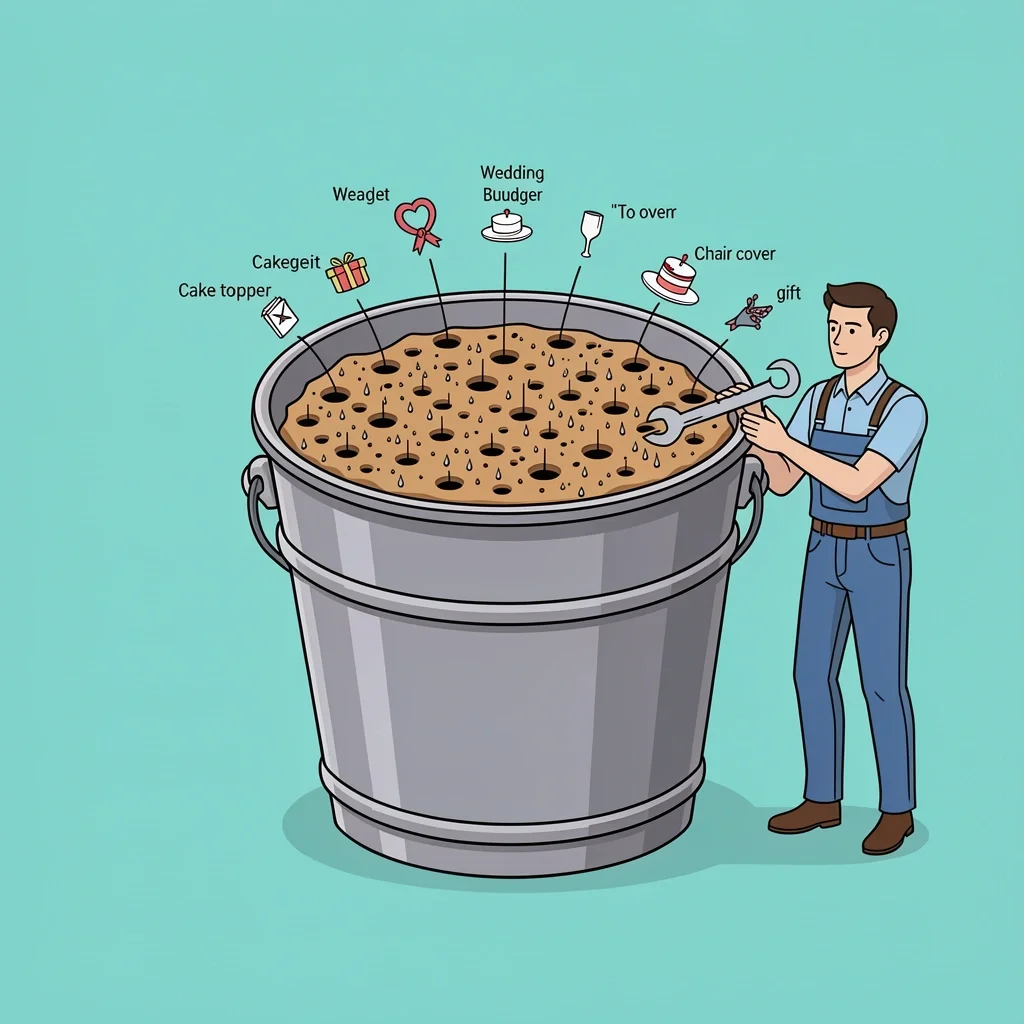
Wedding budgets rarely fail because of one big expense. They fail because of a dozen small ones that creep in. Here are the most common traps I see couples fall into.
- The “just this one thing” syndrome. You tell yourself it’s only an extra $200 for a better photographer’s package. Then it’s $150 for upgraded chair covers. Then $100 for a custom cake topper. Individually these feel small. Together they can add $2,000 or more to your budget.
- Guest list creep. You start with 100 people. Then your mom adds a few cousins. Your fiancé’s boss gets an invite. Your college roommate asks for a plus-one. Before you know it, you’re at 130 guests and your catering bill jumped by thousands.
- Forgetting hidden costs. Service charges, setup fees, cake cutting fees, tips, taxes — these can easily add 20 to 30 percent to your total. Most couples don’t account for them until the final invoice arrives.
The fix is simple but not easy: set a hard total budget first, then work backward. Don’t start by dreaming about the venue and then figure out how to pay for it. Decide what you can afford to spend overall, then allocate specific amounts to each category. This one discipline will save you more than any individual tip.
The 80/20 Rule – Your Biggest Savings Levers
The Pareto Principle applies to wedding spending perfectly. Roughly 80 percent of your total wedding cost comes from just three things: guest count, venue, and food and drink. If you only work on these three areas, you will cover the vast majority of your savings potential.
| Category | Typical % of Total Budget | Savings Leverage |
|---|---|---|
| Venue | 30–40% | High |
| Catering (food + drink) | 25–35% | High |
| Guest Count (affects all of above) | N/A (multiplier) | Very High |
| Photography & Video | 10–15% | Medium |
| Attire | 5–10% | Low |
| Flowers & Decor | 5–10% | Low |
| Music & Entertainment | 5–10% | Low |
Notice what happens when you reduce your guest list by just 10 percent. If you were planning a 150-person wedding at $20,000 total, cutting 15 guests can save you roughly $2,000 to $3,000 — because it lowers venue size, food, drink, and even stationery costs. That’s more than you could save by hunting for deals on your dress or flowers.
Real Numbers – How Much You Can Save with Each Tactic
- Switching from a Saturday to a Friday wedding typically saves 20 to 30 percent on venue rental fees. For a $5,000 venue, that’s $1,000 to $1,500.
- Reducing your guest list from 150 to 100 can cut your catering bill by roughly $5,000 (assuming $50 per person for food and drink).
- Choosing an off-peak month (January, February, March, or November) can save 15 to 25 percent on venue and many vendors.
- Opting for a buffet instead of a plated dinner saves about 10 to 15 percent on catering costs because you need fewer servers.
These numbers are rough estimates based on industry averages. Your exact savings will depend on your location and vendor pricing. But the pattern is clear: the biggest savings come from the biggest expenses.
How to Build a Realistic Wedding Budget Step by Step

You need a system, not just a number. Here is a simple process that works for most couples.
- Determine your total budget. Look at your savings, family contributions, and expected income between now and your wedding date. Be honest. The budget should be a number you can actually reach, not a stretch goal.
- Divide that total among the main categories. Use the percentages from the table above as a starting point. Adjust based on your priorities. If photography is extremely important to you, shift a few points from flowers to photography.
- Build a buffer. Set aside 5 to 10 percent of your total budget for unexpected costs. Hidden fees, last-minute additions, and price increases happen.
- Track every expense. Use a spreadsheet or a free wedding budget app. Update it every time you spend money. Don’t rely on memory.
- Review and adjust monthly. If you are three months away and already spent 80 percent of your budget, you know you need to cut back on the remaining items.
A useful rule of thumb is the 30/5 rule: spend no more than 30 percent of your total budget on the venue and reception, and no more than 5 percent on your wedding dress. This is just a guideline, but it helps keep proportions in check.
Category-by-Category Money-Saving Strategies
Venue
- Choose an off-peak date. November through March (excluding around Christmas and New Year’s) is the cheapest season in most parts of the US.
- Pick a non-Saturday. Friday, Sunday, or even a weekday can slash venue rental costs by 20 to 40 percent. Sunday brunch weddings are especially affordable.
- Look at all-inclusive venues. These bundle rentals, catering, staff, and sometimes even decor into one package. It usually costs less than booking everything separately.
- Consider non-traditional spaces. Parks, community halls, museums, restaurants, or even a large backyard often cost much less than a dedicated wedding venue.
Food and Drink
- Serve buffet or family-style. This reduces labor costs and often allows you to order less food overall because guests serve themselves.
- Limit the bar. Offer beer and wine only. Save the fully stocked open bar for cocktail hour if you must. A signature cocktail for the first hour then switch to beer and wine is a popular compromise.
- BYOB if the venue allows. Buying alcohol in bulk from a warehouse store can cut your drink costs by half or more. You may need to hire a bartender, but that is still cheaper than a full bar service.
- Skip passed appetizers. Instead, put out large cheese and veggie platters. Guests can help themselves without the extra service cost.
Attire
- Shop sample sales and off-the-rack. Bridal salons often sell sample dresses at 50 to 70 percent off. You can also find beautiful dresses at department stores or online resale sites.
- Rent your dress or suit. Rent the Runway and similar services offer designer looks for a fraction of the purchase price.
- Borrow accessories. Jewelry, veils, hairpieces — ask friends or family if you can borrow something special. It’s free and sentimental.
Flowers and Decor
- Use in-season, local flowers. They cost less and look fresher. Ask your florist what is blooming the month of your wedding.
- Choose greenery-heavy arrangements. Eucalyptus, ferns, and other greenery are cheap and trendy. Fill vases with baby’s breath or carnations — they are inexpensive but look full and romantic.
- Repurpose ceremony flowers at the reception. Have your bridesmaids carry bouquets that can later sit in bud vases on tables. The altar arrangements can become the backdrop for the head table.
- Go non-floral. Balloon arches, paper lanterns, candles, or even branches with fairy lights can create a stunning look without a huge flower bill.
Photography
- Hire an associate photographer. Many established photographers have junior shooters who work under their brand but charge half the price. The style is similar because they are trained by the same person.
- Request a shorter coverage window. Instead of 10 hours, book 6 hours. You get the key moments (ceremony, reception entrance, first dance) but skip the getting-ready shots and late-night dancing.
- Ask for digital rights. If you get the full-resolution files, you can print your own photos at a local store instead of buying expensive prints from the photographer.
Stationery and Favors
- Use all-in-one invitations. These combine the invitation, details card, and RSVP into a single folded piece. Less paper = lower printing and postage costs.
- Go digital for pre-wedding events. Save-the-dates, engagement party invites, and rehearsal dinner details can all be emailed. Free or very cheap.
- Choose edible favors. Small jars of jam, cookies, or spice blends cost under $2 each and are always appreciated. Skip expensive personalized trinkets.
Entertainment
- Hire a DJ instead of a band. A good DJ costs one-third to one-half of what a live band charges. Many DJs also provide sound system for the ceremony and a simple lighting setup.
- Consider a curated Spotify playlist. If you have a friend who can act as MC, you can rent speakers and microphones for a few hundred dollars instead of paying a DJ over $1,000.
The Hidden Costs Nobody Talks About and How to Prepare for Them

Even experienced planners get caught off-guard by some charges. Here are the most common hidden costs and how to avoid surprises.
- Service charges and gratuity. Many caterers and venues add a 15 to 22 percent service charge on top of your food and drink bill. Ask upfront if that includes gratuity or if it goes to the house.
- Cake cutting fee. Some venues charge a per-slice fee if you bring in an outside cake. This can be $2 to $5 per guest — an extra $300 for a 150-guest wedding.
- Setup and breakdown fees. If you are renting tables, chairs, or linens, find out if the delivery includes setup or if that is billed separately.
- Overtime charges. If your reception runs an hour longer than planned, the venue may charge you an hourly overtime fee for staff and space.
- Tips for vendors. Photographers, DJs, caterers, and coordinators all expect tips. Budget 15 to 20 percent of their total fee as a tip, or at least a flat amount per vendor.
When you talk to potential vendors, ask this exact question: “What other fees should I expect that are not included in your quoted price?” Most will tell you honestly. If they dodge the question, consider that a red flag.
When to Spend More – Three Things Worth Splurging On
Saving money is smart, but cutting in the wrong places can lead to regret. Based on surveys of couples after their wedding, these three areas are almost always worth investing in.
For a balanced approach that protects both your finances and your experience, see our guide on How to Spend Your Wedding Money Responsibly.
- Photography and videography. Your photos and video are what you have left after the wedding day. A skilled photographer captures moments you will treasure for decades. Cheap photography often results in missed shots, bad lighting, and blurry images. This is the one place where it pays to go with an experienced professional.
- Food quality. Guests might not remember the centerpieces, but they will definitely remember if the food was bad. Good food makes people happy. You can save on quantity (fewer courses) but not on quality. A simple but delicious meal beats a fancy but flavorless one every time.
- Day-of coordinator or planner. A professional keeps everything running smoothly so you can actually enjoy your day. Without one, you or a family member will end up dealing with vendor problems, timeline delays, and setup issues. A good coordinator pays for itself by preventing costly mistakes and saving you stress.
Myths vs. Reality – What Actually Saves You Money?
There are a lot of common beliefs about wedding savings that don’t hold up under scrutiny. Let’s look at a few.
- Myth: DIY always saves money. Reality: DIY can be cheaper if you have the skills and time, but many couples end up spending more on materials than they expected, and the time stress can be significant. If you DIY, only take on projects you are confident about and that use supplies you already have or can get cheaply.
- Myth: Destination weddings are cheaper. Reality: They can be cheaper if you invite fewer than 40 people and choose an affordable location. But for a large group, travel costs for you and your guests, plus legal fees, can easily exceed a local wedding. Do the math before you commit.
- Myth: Throwing a Saturday wedding is impossible to afford. Reality: Saturdays are the most expensive day, but you can still negotiate. Look for venues that have off-peak Saturday dates (like early March or late November) and see if they offer discounts to fill those slots.
The 12-Month Savings Plan – How to Actually Save the Money
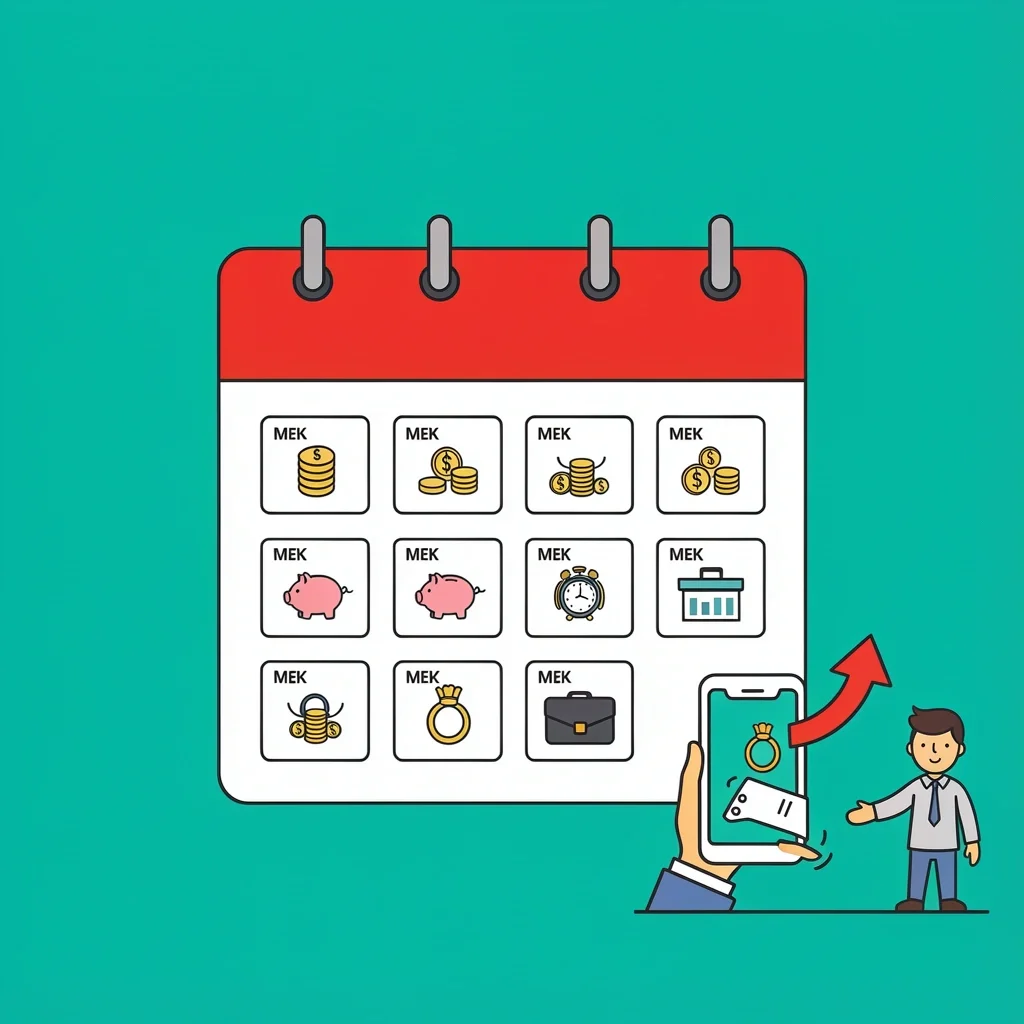
Even the best budget is useless if you don’t have the cash to back it up. Here is a practical plan to reach your savings goal within a year.
- Open a separate high-yield savings account. Keep your wedding fund separate from your everyday account. This prevents you from accidentally spending it and lets you earn some interest.
- Set a monthly automated transfer. If your goal is $20,000 and you are 18 months away, transfer $1,111 per month automatically from your checking account. If that is too much, adjust the goal or the timeline.
- Cut discretionary spending. Review your expenses and identify three things you can reduce or eliminate — dining out, subscription services, unused gym memberships. Put that saved money into the wedding fund.
- Use your wedding registry wisely. Instead of physical gifts, register for cash funds that go toward big expenses like the honeymoon or a down payment. Many registries allow this now.
- Consider a side hustle. If you have a skill — graphic design, writing, tutoring, dog walking — use it to earn extra income specifically for the wedding. Even an extra $200 a month makes a real difference.
Frequently Asked Questions
How much should I save per month for a wedding?
Divide your total wedding budget by the number of months until your wedding. For example, a $20,000 wedding planned 18 months from now requires saving about $1,111 each month. If that number feels too high, consider lengthening your engagement or reducing your budget.
Is it cheaper to get married on a Sunday?
Yes, Sunday weddings are typically 15 to 25 percent cheaper than Saturday weddings. Friday is usually even cheaper than Sunday, because fewer couples want a weekday wedding. If your guests can manage a Sunday afternoon celebration, you can save hundreds or even thousands of dollars on the venue.
What is the cheapest month to get married?
January, February, March, and November are the cheapest months in most of the United States. December can be expensive because of holiday events. April and October are moderate. Summer months are peak and cost the most.
Can I save money by having a destination wedding?
It depends on how many guests you invite. If you keep the guest list under 40 people, a destination wedding can be cheaper than a traditional 150-person event at home. But if you invite a large group, costs for travel, accommodation, and legal fees add up quickly. Always compare a full budget for both scenarios before deciding.
Should I use a wedding planner if I am on a budget?
Yes, if you can afford one. A good wedding planner often saves you more money than their fee costs, because they have relationships with vendors and know how to negotiate. They also prevent costly mistakes like booking the wrong size tent or ordering too much food. If a full planner is out of your range, hire a day-of coordinator for perhaps $500 to $1,000.
How do I save money on wedding flowers without looking cheap?
Use lots of greenery, choose in-season local blooms, skip bridesmaid bouquets and give them a single stem each, and repurpose your ceremony flowers at the reception. Large filler flowers like baby’s breath or carnations can create a lush look for a fraction of the cost of roses or peonies.