

A good wedding guest does more than show up. They make the couple’s day smoother, happier, and more memorable. This guide walks you through every stage of being a guest, from the moment the invitation arrives until the last goodbye. No fluff, just real advice that works.
The Invitation You Cannot Ignore
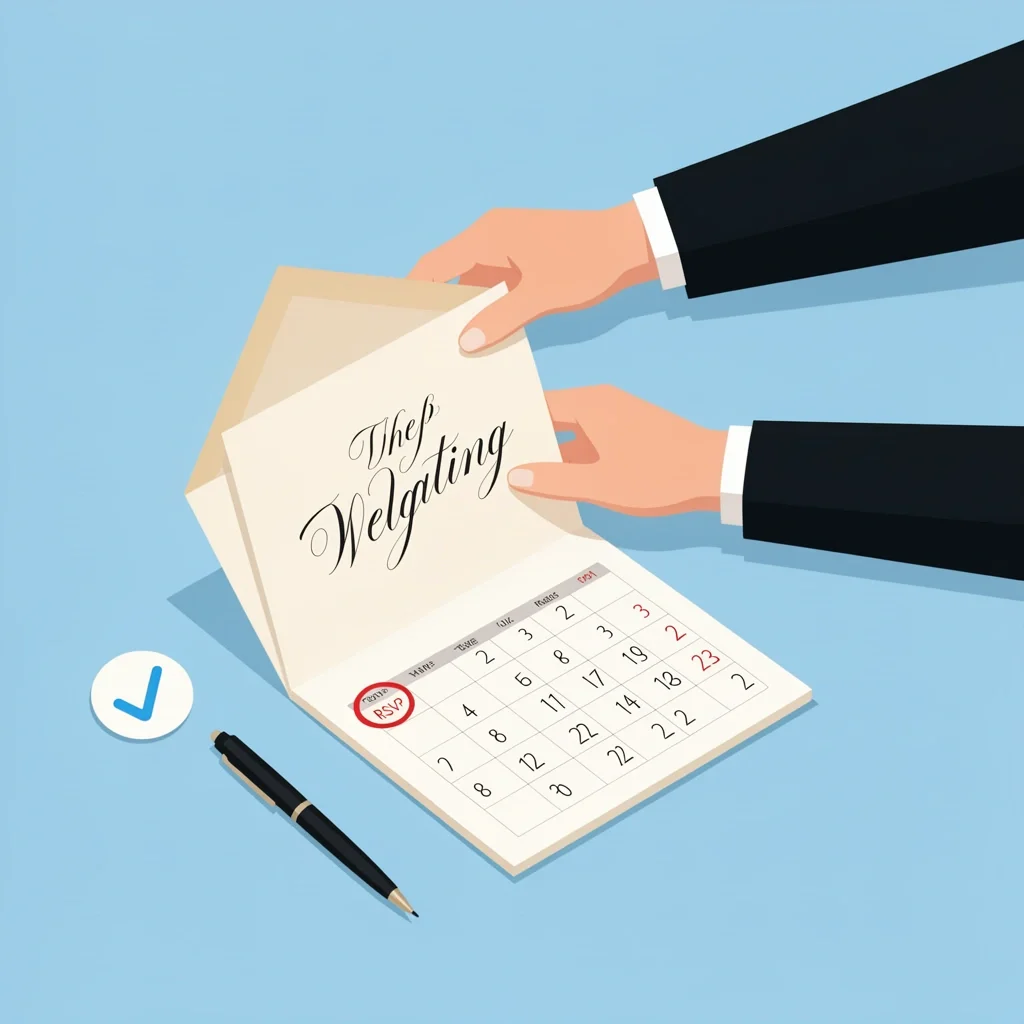
Your RSVP is the most important thing you will do as a guest. The couple built their entire budget around a headcount. One late reply or a no-show after a yes costs them real money.
Open the invitation the day it arrives. Check the date, the dress code, and the plus-one policy. If you know you are going, reply within 48 hours. If you are unsure, circle the deadline on your calendar and reply the moment you decide. Do not wait until the last minute.
When you RSVP no, do not explain unless you want to. A simple “we cannot make it” is fine. When you RSVP yes, treat that as a binding promise. Only cancel for a true emergency.
Plus-One Etiquette
The invitation will say exactly who is invited. If it says “and guest,” you get a plus-one. If it names only you, do not ask to bring someone. The couple has limited space and a tight list. If you are in a new relationship and the invitation was sent months ago, it is polite to ask the couple if you can bring a partner, but accept their answer without pushback.
Gift Etiquette
Send the gift to the couple’s home before the wedding. This is safer than bringing it to the reception where it can be lost, damaged, or stolen. Use the registry. The items on it are things the couple actually wants. If you choose to give cash or a check, put it in a card and hand it to a family member or drop it in the gift box at the reception.
Pre-Wedding Events
A wedding often comes with a bridal shower, an engagement party, or a bachelor/bachelorette event. If you are invited to any of these, treat them as separate commitments. R.S.V.P. to each one individually. You are not expected to bring another gift to the shower if you already gave a wedding gift, but a small token (like a bottle of wine) is always welcome. For bachelor or bachelorette events, respect the couple’s boundaries. No embarrassing moments that will haunt the wedding day.
Don’t forget the rehearsal dinner—it sets the tone for the weekend, and the rehearsal dinner invitation often includes key timing details you’ll need to plan around.
Arriving With Grace
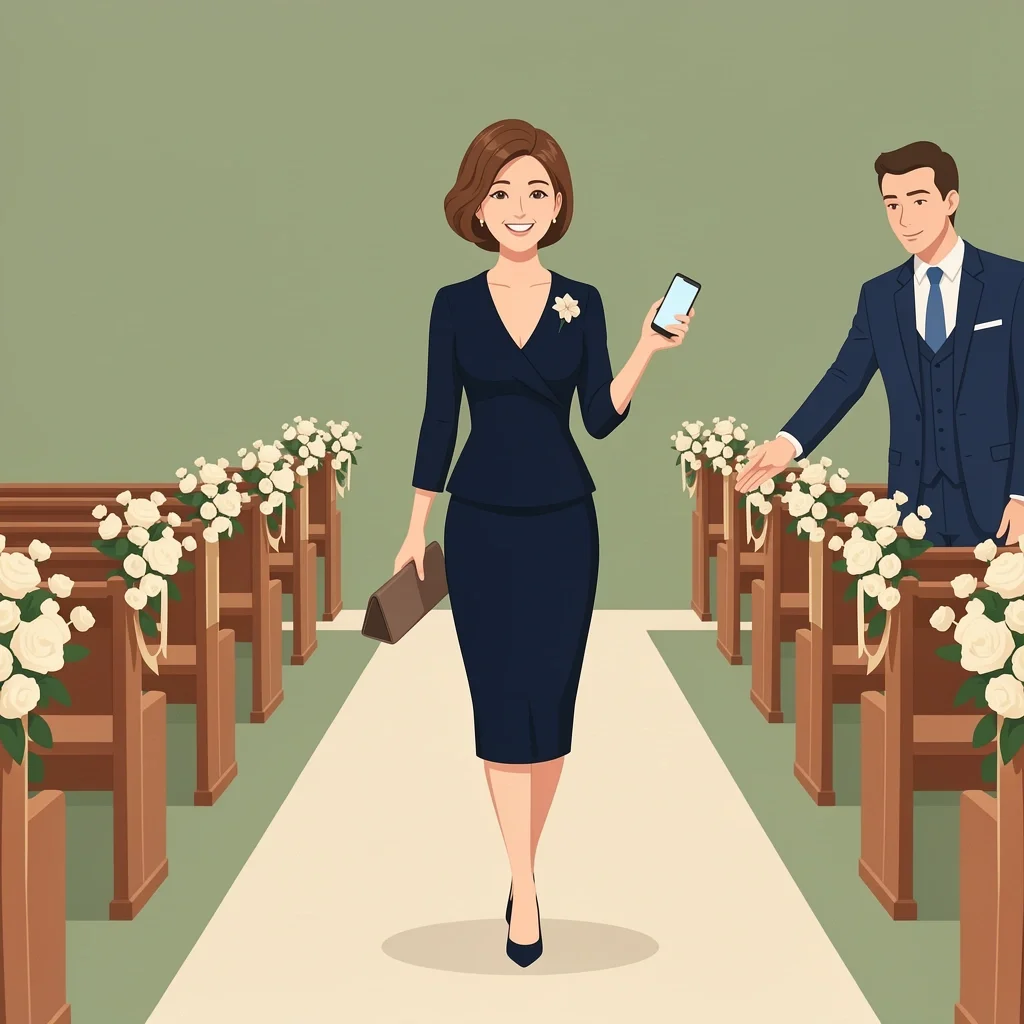
Ceremony start time on the invitation is the time the bride will walk down the aisle. Plan to be in your seat 15 to 30 minutes early. Account for parking, traffic, and finding the venue. If you are late, wait outside until the processional is done and the officiant begins speaking. Then slip in quietly through a side door.
Turn off your phone completely. Not silent, not vibrate. Off. Do not take photos during the ceremony. The couple paid a professional. Your phone in the aisle ruins their pictures and distracts everyone. If the ceremony is unplugged (no devices allowed), respect that rule without complaint. If there is no explicit rule, still keep your phone away.
Seating and Children
Sit where you are told. The usher or a sign will guide you. If the couple asked for no children and you have kids, do not bring them. This is non-negotiable. If you do bring a child and the invitation said adult-only, you are being rude. The couple will be stressed, and you will likely be asked to leave the child with a sitter or leave the wedding.
The 30-5 Minute Rule
This rule means you arrive 30 minutes before the start time to park, settle, and find your seat, and you are seated at least 5 minutes before the processional begins. If you arrive during the processional, you wait outside until the bride is at the altar. Simple and respectful.
Your Role at the Reception
The reception is where you actively help the couple celebrate. You are not just a spectator. Your energy and presence matter more than you think.
Dance Floor Duty

Get on the dance floor. Even if you are not a good dancer. The couple wants to see their guests having fun. If the dance floor is empty, be the first person to get up. Grab a friend or even a stranger. Couples remember the guests who filled the floor. Stay for at least a few songs, then take a break, then go back again.
Toasting Protocol
Only the people the couple asked to speak should give a toast. Do not grab the mic unless you are one of them. If you are asked to give a toast, keep it under three minutes, avoid inside jokes, and end with a sincere wish for the couple. No embarrassing stories. No drunken rambling.
Alcohol Limits
Know your limit and stay well below it. One or two drinks max if you are a light drinker. If you feel tipsy, switch to water. A drunk guest becomes the center of attention for the wrong reasons. The couple will remember who caused drama. Do not be that person.
Engaging With Strangers
You will be seated with people you may not know. Introduce yourself. Ask how they know the couple. Find common ground. Your table mates are part of the celebration, not obstacles. Being a good guest means making others feel included, not just waiting for the food.
Handling Dietary Restrictions
If you have a serious allergy or dietary need, let the couple know before the wedding, ideally when you RSVP. Do not wait until the reception and then complain about the menu. On the day, if the food is not what you expected, smile and eat what you can. Do not make a scene.
The Wedding Cheerleader Mindset
There is a difference between a passive guest and an active guest. A passive guest shows up, stays out of trouble, and leaves. An active guest makes the day better for everyone.
Active guests do small things that add up: they help the bride with a bustle when a groomsman cannot figure it out. they direct guests to the right table when the usher is busy. They grab a couple of people and start dancing when the music lags. They thank the vendors by name. They stay until the last song, not because they have to, but because their presence matters.
If you see a small problem—a fallen centerpiece, a confused guest, a tired couple—fix it without being asked. The couple will never forget the friend who made their day run smoother.
Passive vs. Active Guest: Quick Comparison
| Passive Guest | Active Guest |
|---|---|
| Sits at table during dancing | Leads the dance floor |
| Leaves right after cake cutting | Stays until the send-off |
| Ignores strangers at their table | Introduces themselves and includes others |
| Uses phone during reception | Puts phone away and engages |
| Does not tip or thank staff | Says thank you to every staff member they interact with |
| Complains about food or music | Embraces the couple’s choices |
Navigating Modern Minefields
Modern weddings have new rules that many guests do not know. Here is how to handle them.
Unplugged Ceremonies

If the couple asks for an unplugged ceremony, that means no phones, no cameras, no tablets. Period. Do not sneak a photo from the back. The professional photographer will share high-quality images later. If you are caught, you might be asked to leave your phone at the door.
Social Media Etiquette
Never post photos of the couple before they have posted their own. Wait until the next day at least, or until the bride or groom shares the first photo. Use their wedding hashtag if they have one, but only for reception photos—never for the ceremony. Tag the couple so they see your posts.
Cash Bars and Tipping
If the bar is cash, be prepared. Bring enough cash to cover your drinks and to tip the bartender. A dollar per drink or a five-dollar tip on the first round is standard. If the bar is open, you do not have to tip, but it is still a nice gesture.
Handling a Plus-One Who Knows No One
If you bring a plus-one and they do not know anyone at the wedding, it is your job to keep them comfortable. Introduce them to your friends. Include them in conversations. Do not leave them alone for long stretches. A good guest makes sure their plus-one is also a good guest.
Micro-Weddings and Destination Weddings
For a micro-wedding (under 20 guests), every guest is a key player. Do not treat it as a casual event. Your presence is a gift. For destination weddings, be flexible. The couple may ask for a group schedule. Follow it. Do not complain about travel costs or accommodations—you chose to go.
After the Last Dance
How you leave is as important as how you arrived.
The Graceful Exit

Do not say goodbye to the couple in a long line. If the couple is still dancing or talking, give a quick wave or find them later. The Irish exit (leaving without a big farewell) is fine if the couple is occupied. If you want to say goodbye, do it early in the evening before the last hour.
Posting Photos Respectfully
Post only after the couple has posted. Tag them. Do not post any photo that shows someone in an unflattering moment. Keep it classy.
Sending a Thank-You Note
Within a week of the wedding, send a handwritten thank-you note to the couple. Mention something specific you loved about the day—a moment, a detail, a conversation. This is not required, but it is the mark of an exceptional guest.
Frequently Asked Questions
What is the 30-5 minute rule for weddings?
Arrive at the venue 30 minutes before the ceremony start time, and be in your seat at least 5 minutes before the processional begins. This ensures you are settled and not disrupting the ceremony.
Can I bring a gift to the wedding if I already sent one?
No. Sending the gift in advance is the best practice. If you forgot and want to bring a card, that is fine. Do not bring a physical gift to the reception.
What should I do if the ceremony starts late?
Wait patiently. Do not complain or pull out your phone. The delay is likely due to photography or a small hiccup. Enjoy the time with other guests.
Is it okay to leave a wedding early?
If you must leave before the reception ends, do it discreetly. Do not make a scene. If the couple is doing a send-off, try to stay for that. Leaving early is fine as long as you are respectful.
How to politely decline a second piece of cake?
Just say “No thanks, I am full.” Or “I would love to, but I need to save room for dancing.” No explanation needed.
Am I expected to tip wedding vendors?
You are not expected to tip vendors unless you receive a direct service from them, like a valet or bartender. But it is a kind gesture to tip the bartender a dollar or two per drink.
What if I am asked to be the ’emergency’ plus-one?
If a couple asks you to fill a last-minute empty seat, accept only if you genuinely want to go. Do not feel obligated. If you do go, be gracious and treat it as a real invitation.
Can I wear a short dress to a formal wedding?
Check the dress code. Evening formal usually calls for full-length. If the invitation says cocktail attire, knee-length is fine. When in doubt, ask the couple or a close friend.
How to handle a guest who is rude to the staff?
Do not confront them directly. If it is really bad, quietly tell the couple or a wedding coordinator. Otherwise, ignore them and keep your focus on celebrating the couple.
Being a good wedding guest is simple: respect the couple’s wishes, show up fully present, and help make the day joyful. Follow these steps, and you will be the guest everyone wants at their wedding.