

Being asked to be a groomsman means the groom trusts you. It is not about wearing the same suit or standing in a line. It is about being the person he can count on before, during, and after the wedding. Most lists only cover the basics – hold the rings, stay sober, smile for photos. That is the bare minimum. The ten ways to be a good groomsman in this article go deeper. They cover the moments that matter most: the quiet planning months before, the split-second decisions on the big day, and the follow-up after everyone goes home. Read each one. Apply them. You will be the groomsman the groom still talks about years later.
Offer Help Before the Wedding Starts
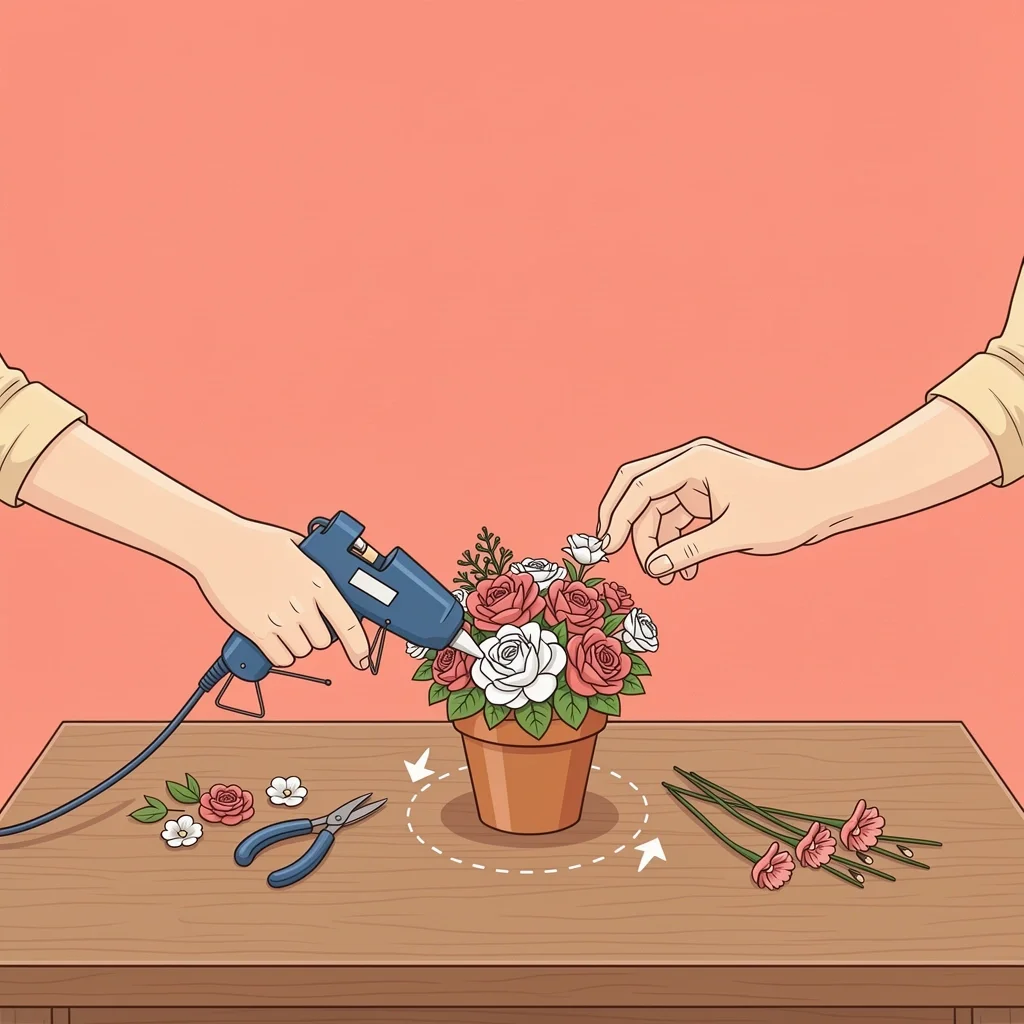
Good groomsmen do not wait to be asked for help. They step in early. During the planning months, the groom is under pressure. He may not know what he needs. You can offer to help with specific tasks. For example, if he is building centerpieces, offer an afternoon to glue flowers. If he is printing seating charts, offer to proofread names. You can also attend suit fittings if he asks, help plan the bachelor party without drama, and be a non-judgmental sounding board when he complains about seating arrangements. Do not overpromise. Pick one or two small ways you can contribute and do them well. That simple act says more than a hundred promises to “be there.”
Respect the Budget Without Being Asked
Weddings cost money. Groomsmen pay for their own attire, travel, lodging, and sometimes a share of the bachelor party. A good groomsman understands this from the start and never complains about the cost. If the groom chooses a suit rental that is more expensive than you hoped, keep it to yourself. If travel is tight, figure it out quietly. Never let the groom see you hesitate over a financial request. If you truly cannot afford something, speak privately to the best man or the groom early – do not wait until the last week. And always offer to chip in fairly for group expenses. Being easy about money is one of the most appreciated ways to be a good groomsman.
Coordinate with the Best Man and Other Groomsmen
The best man is the leader of the groomsmen group. Your job is to support him, not compete with him. Join the group chat. Respond to messages. Offer to take on tasks he assigns. If the best man asks someone to pick up the groom’s boutonniere, say yes. If he needs help wrangling guys for a photo, step up. Avoid creating competing plans or making decisions without looping him in. At the same time, build friendly relationships with the other groomsmen. Knowing each other makes the day smoother. If you see a groomsman who seems lost or nervous, quietly help him. A good groomsman makes the whole team look good.
Master the 30‑5 Minute Rule
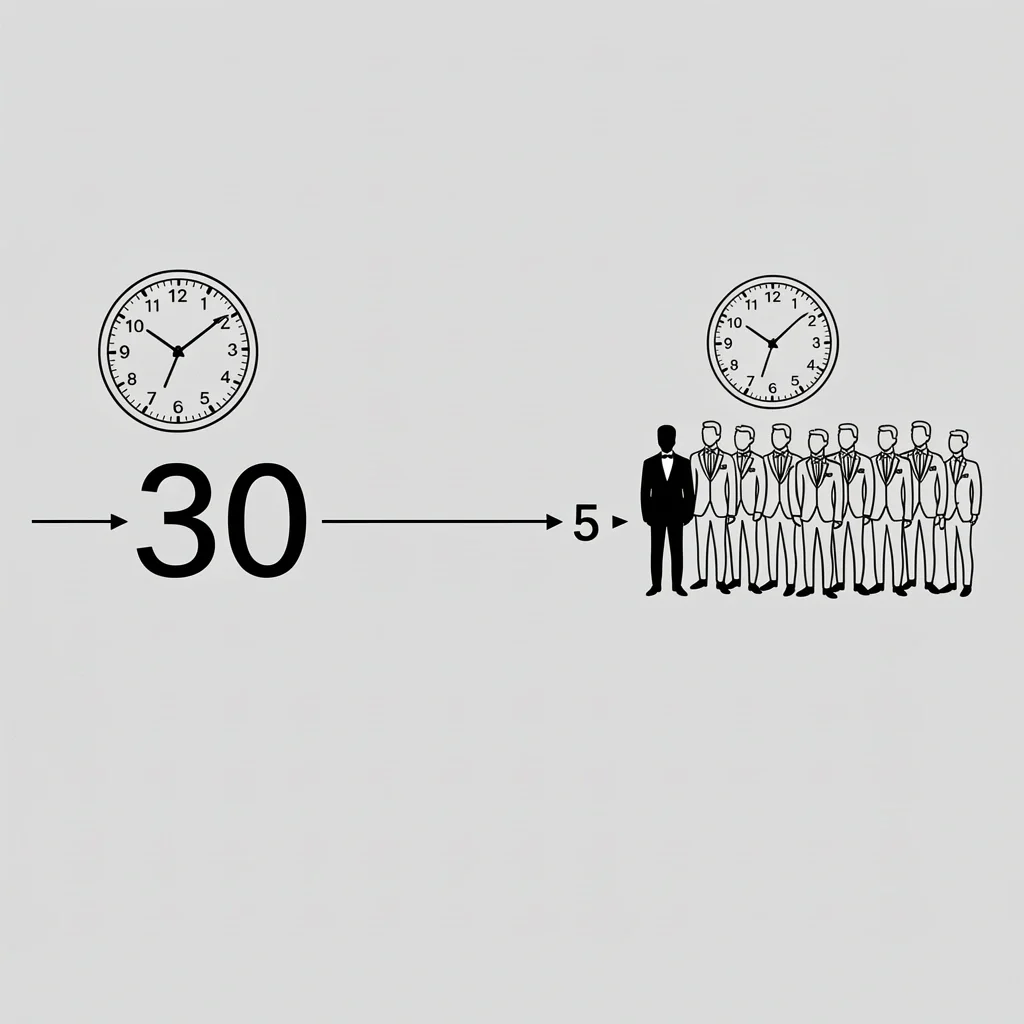
This is a specific piece of wedding-day timing that many groomsmen miss. The 30‑5 minute rule means the groom should be fully ready 30 minutes before the ceremony is scheduled to start. And the groomsmen should be in their positions, dressed and ready, 5 minutes before the processional begins. Why does this matter? Because those 30 spare minutes let the groom breathe, fix a loose button, or calm his nerves without rushing. And the 5‑minute buffer for groomsmen prevents a last-minute scramble that throws off the whole ceremony. If you are the one who keeps the group on this schedule, you will save the day more than anyone realizes. Remind everyone the morning of: “Groom ready at [time], we stand at [time minus 5].” Simple, and powerful.
Be the Groom’s Emotional Anchor on the Day
Weddings are emotional. The groom might be excited, nervous, or overwhelmed. Your job is to stay calm and keep him grounded. On the morning of the wedding, check on him. Make sure he has eaten. Offer water. Help him fasten tricky cufflinks or tie his tie if he cannot. When he starts to panic about forgetting something, gently remind him that the only two things he needs are the person he is marrying and the marriage license – everything else is a bonus. Do not try to joke him out of his mood. Instead, use a steady voice and say, “You’ve got this. I’m right here.” That quiet presence means more than any pep talk. Do not let him drink too much before the ceremony. Your job is to keep him clear-headed, not buzzed.
Handle Your Ceremony Role with Precision

The ceremony has a script. You need to know your part. When the processional begins, you will walk down the aisle. Typically, groomsmen walk first, alternating with bridesmaids. Walk at a moderate pace, look at your feet only to step safely, and then take your designated spot. Stand with your hands at your sides or clasped in front. Do not fidget. Do not cross your arms. During the ceremony, if you are holding rings, keep your pockets zipped or secured. When the officiant asks for the rings, hand them over smoothly. If you are not holding rings, just be still and attentive. Your posture shows respect for the couple. After the ceremony, follow the exit order. Do not rush the aisle. Precision makes the photos look clean and the moment feel sacred.
Keep the Reception Moving Without Overstepping
During the reception, you act as a host. Your job is to help guests feel welcome and keep the energy up. But you must never steal attention from the couple. Mingle. Make sure guests have drinks. Encourage people onto the dance floor without being pushy. If the DJ needs a boost, be the first to dance. If the microphone is passed around, keep your comments short and positive. Never grab the mic for an unplanned speech. And never, ever try to be funnier than the best man or the couple. When the cake is cut, step back. When toasts happen, stand respectfully. If you see a drunk relative causing trouble, quietly alert the best man or a wedding coordinator. Do not handle it yourself. Stay helpful but invisible. That is the sweet spot.
Look the Part from Morning to Night
Your appearance reflects on the groom. Start by getting your suit or tuxedo fitted properly. Do not rely on off-the-rack sizing without adjustments. Shirt stays keep your shirt tucked all day – use them. Shine your shoes. Trim your nails. Wear deodorant but avoid strong cologne that might interfere with the couple’s preferences. Bring an emergency kit with safety pins, a small stain remover pen, breath mints, a comb, and extra clear nail polish (to stop a run in pantyhose if a bridesmaid needs it). Check your teeth after eating. If the wedding goes from day to night, freshen up between events. Groomsmen who look sharp show they care. And looking good helps you feel confident, which helps you be a better support.
Know When to Speak and When to Stay Silent

If you are asked to give a speech, keep it short – under three minutes. Lead with a genuine compliment about the couple. Share one brief, appropriate memory that shows the groom’s character. End with a toast. Do not roast the groom. Do not tell embarrassing stories. Do not use inside jokes that leave half the room confused. Rehearse your speech at least twice before the day. If you are not asked to speak, that is fine. Never volunteer. During the reception, if you hear a guest talking poorly about the wedding or the couple, change the subject quietly. Do not confront them. If a relative is drunk and causing a scene, find the best man or a coordinator. Groomsmen are not bouncers. Knowing when to stay silent and when to act is a sign of maturity. Choose silence more often than not.
Follow Up After the Wedding

Most groomsmen disappear after the last dance. A truly good groomsman follows up. Send a thank-you text to the groom the next day. Tell him you are glad you were part of it. If you borrowed or rented anything, return it promptly. Share any photos you took with the couple (do not post them publicly before they share their official ones). If the couple mentioned needing help with something after the honeymoon – like moving boxes or returning decorations – offer to do it. That post-wedding help is often the most appreciated because the couple is exhausted. By following through, you prove you were not just a groomsman for one day. You were a friend.
What Every Groomsman Should Know About the “Who Walks First” Question
This is a common point of confusion. The traditional processional order is:
- First, the officiant and groom walk to the front (from the side).
- Then the groomsmen walk down the aisle one by one or in pairs, depending on the couple’s choice.
- Then the bridesmaids walk in the same pattern.
- Then the maid or matron of honor walks alone.
- Then the flower girl and ring bearer.
- Finally, the bride walks with her parent or escort.
Groomsmen usually enter before the bridesmaids. But every couple can customize the order. Ask the best man or the wedding coordinator for the exact plan at the rehearsal. Do not guess. Write it down. Knowing your spot keeps you from making a mistake that throws off the timing. If you are unsure, ask early.
Frequently Asked Questions
What should a groom never forget?
A groom should never forget the marriage license. Without it, the ceremony is not legal. He also should not forget the rings. As a groomsman, you can help by checking both items are in a safe place the morning of the wedding.
What is the difference between a groomsman and a best man?
The best man is the lead groomsman. He usually gives a speech, holds the rings during the ceremony, and coordinates the groomsmen. Groomsmen support the best man and help with smaller tasks. Do not step into the best man’s role unless he asks you to.
If you need a deeper look at all responsibilities, check out this complete breakdown of best man duties covering everything from the speech to the stag party.
Do groomsmen have to give a speech?
No. Only the best man is expected to give a speech. If the couple asks a groomsman to speak, that is fine. But never volunteer. If you are asked, keep it short and positive.
Who walks down the aisle first in a wedding processional?
Traditionally, groomsmen walk first, often alternating with bridesmaids. Then the maid of honor, then flower girl and ring bearer, then the bride. Always confirm the order at the rehearsal so there are no surprises.
Can I simply say what a relief to uncover someone who really understands what they are discussing on the internet. You certainly know how to bring an issue to light and make it important. More people ought to look at this and understand this side of the story. I cant believe you arent more popular since you certainly have the gift.