

You decided to keep your wedding small. Maybe the thought of a big party made your stomach turn. Maybe you want to spend your budget on something that lasts longer than one night. Or maybe you just want to look across the room and see faces you actually talk to. Whatever brought you here, you are not settling for less. You are choosing depth over width. That is a good thing.
But planning a small wedding comes with its own set of problems. You have to tell some people they are not invited. You have to find a venue that actually wants your 40-person group. And you have to fight the feeling that your wedding is just a scaled-down version of something bigger. Let me walk you through how to plan a small wedding that feels right for you.
Is a Small Wedding Right for You

Before you start picking colors and sending save-the-dates, pause for a second. A small wedding is not for everyone. Here are the signs that it might be for you.
- You dread the guest list spreadsheet. Every name is one more person you have to talk to, one more table setting, one more opinion to manage.
- You want genuine conversations on your wedding day, not surface-level hellos that last 30 seconds.
- You feel guilty when you think about saying “no” to relatives. You would rather be honest early than fake enthusiasm later.
- You would rather invest in an experience than a party. A private chef. A live band that plays your favorite genre. A photographer who captures real moments instead of group poses.
If any of this feels true, you are in the right place. If you still feel a pull toward a big celebration with everyone you know, that is also okay. The goal is not to force small. The goal is to match the wedding to the people having it.
Step 1: Define Your Intimacy Budget Before the Money Budget
Everyone talks about the money budget. How much is the venue. How much is catering. What you can save by skipping flowers. But there is another budget that matters just as much: your emotional and relational budget.
Ask yourself this: how many people can you genuinely connect with in one day? Not how many you can smile at. Not how many you can wave to across a dance floor. How many people can you sit down with, talk to, and feel like you actually shared the day with?
For most people, that number is between 20 and 50. For some, it is 10. For a few, it is 80. Be honest about your answer. That number is your guest ceiling.
Here is a simple exercise. Take a piece of paper. Write down the names of everyone you would absolutely want to sit beside at dinner. No plus-ones yet. No “well, we have to invite her because Mom says so.” Just the people whose presence makes the day better. That number is your core.
Once you know that number, you have a decision to make. Do you stick to the core? Or do you add layers? A-listers, B-listers, work friends, distant cousins. Every layer you add dilutes the intimacy. That is not a judgment. It is just a trade-off.
Step 2: Build Your Guest List Philosophy and Stick to It
For a small wedding, there is no B-list. Every invite is a VIP. If you are inviting someone just to be polite, stop. Polite is what post-wedding lunch invitations are for.
Here are a few ways to build your guest list philosophy.
Immediate Family Only
This means parents, siblings, and their spouses or partners. That is it. This works best if both sides of the family are small, or if you are okay with a tiny ceremony and a bigger party later.
Immediate Family Plus Closest Friends
Add the people who have been there for the hard parts of your life. The friend who drove you to the airport at midnight. The one who stayed on the phone while you cried. These are your chosen family. They should be there.
Tier by Relationship, Not Obligation
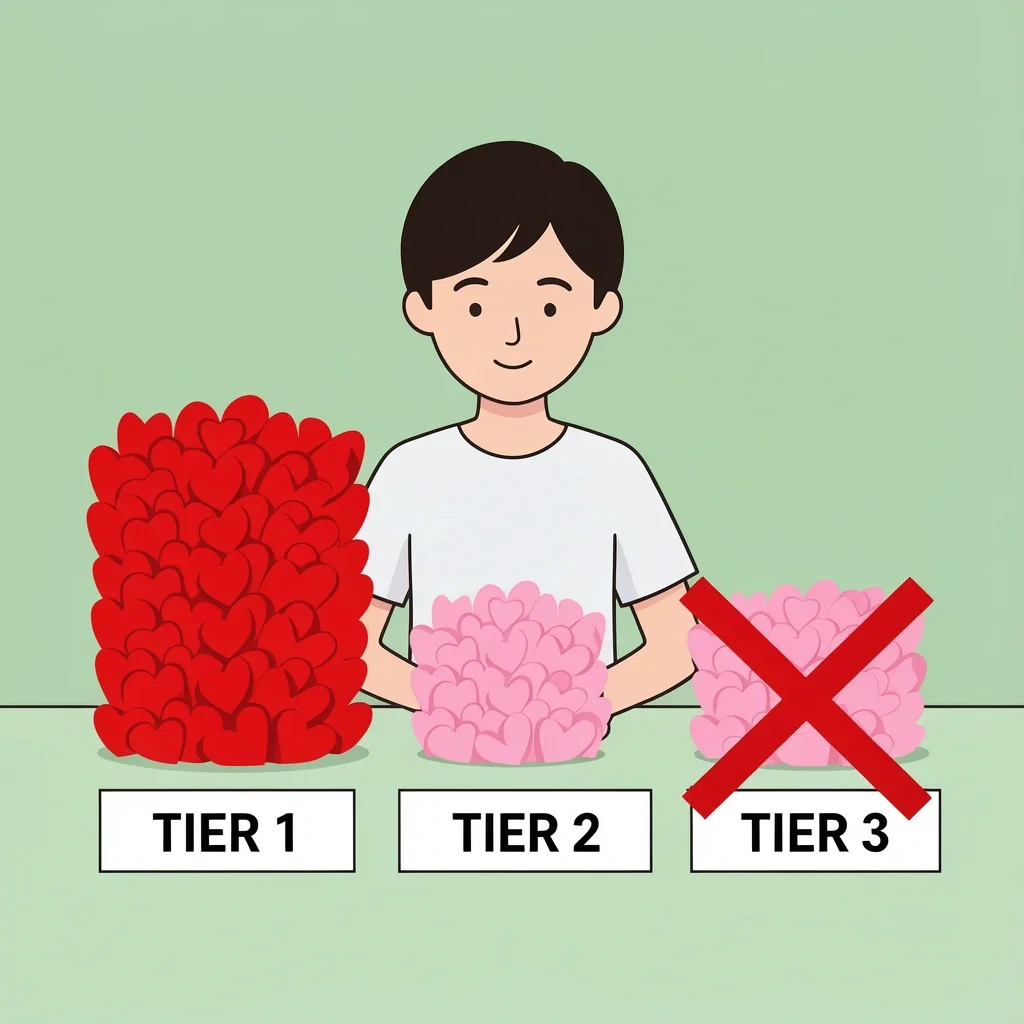
Make a list of everyone you can think of. Then sort them into three tiers. Tier 1: you cannot imagine the day without them. Tier 2: you would love to have them, but it is okay if they cannot make it. Tier 3: you feel obligated. Cross out tier 3 entirely. For a small wedding, tier 2 is also optional. Stick to tier 1.
The hardest part of a small wedding is not the planning. It is telling people they are not invited. Here is a script that works.
“We decided to keep our wedding very small. We are only able to include immediate family and a few close friends. We love you and would love to celebrate with you another way soon.”
Say it early. Say it kindly. Then hold the boundary. If someone gets upset, that is their reaction to manage, not yours. You are not being mean. You are being intentional.
Step 3: Choose a Venue That Rewards Small Groups
Most traditional wedding venues have a minimum guest count. They need to fill 100 seats to make their numbers work. For a small wedding, these places either say no, or they charge you for the empty space. Skip them.
Small weddings unlock venues that big weddings cannot use. Here is where you should look.
- Private dining rooms at restaurants. Many high-end restaurants have a back room or a private floor. They already have tables, chairs, and catering. You just show up and enjoy.
- Rented estates or villas. On sites like Airbnb or VRBO, you can rent a large home for the weekend. Have the ceremony in the backyard, the reception in the living room, and the after-party by the hot tub.
- National park pavilions or picnic areas. Many parks allow small gatherings. You get nature as your backdrop for a fraction of the cost of a ballroom.
- Art galleries or museums. These spaces are designed to highlight a single focus. That focus can be your ceremony.
- Your own backyard. If you have a yard big enough, this is the most personal option. Just be ready for the logistics of renting chairs, tables, and a tent.
When you call a venue, ask three questions.
- Do you have a minimum guest count?
- What is your plan for bad weather?
- Can we customize the day, or are we limited to a set package?
The best venues for small weddings are the ones that treat you like a valued guest, not a minimum order.
Step 4: Reallocate Your Budget for Maximum Impact

Here is the biggest financial shift. When you have 100 guests, catering eats up a huge chunk of your budget. When you have 30 guests, that cost drops dramatically. The question is: where does that freed-up money go?
Let me give you a framework. Splurge on things that create lasting memory. Save on things that nobody will remember.
Splurge Candidates
- Food and drink. A smaller group means you can afford a private chef, a premium menu, or an open bar with top-shelf liquor. Your guests will remember the meal.
- A live musician or band. A string quartet for the ceremony, a jazz trio for dinner, or a three-piece band for the dance floor. Live music adds atmosphere that a playlist cannot.
- Photography and videography. With fewer guests, your photographer can capture more candid moments. You will have portraits that feel authentic, not staged.
- A unique experience. A sunset sail. A mountain hike to the ceremony site. A sunset hot air balloon ride for the two of you. These are the moments that make a small wedding memorable.
Save Candidates
- Elaborate florals. Fewer tables mean fewer centerpieces. A single focal arrangement can be stunning without costing a month’s rent.
- Printed stationery. For a small guest list, a digital invite is fine. You can even send a thoughtful email or a text. Save the paper budget for a handwritten thank-you note to each guest after the wedding.
- Full DJ setup. If you only have 40 people, a curated playlist on a good speaker system is often enough. Or hire the live musician you already splurged on to play a few extra hours.
Here is a table to help you visualize the shift.
| Expense Category | Big Wedding (100 guests) | Small Wedding (30 guests) |
|---|---|---|
| Catering | $10,000 | $3,000 |
| Venue | $5,000 | $2,000 (private dining room or rental home) |
| Photography | $3,000 | $4,000 (splurge on extra coverage) |
| Live Music | $1,000 (DJ) | $2,500 (three-piece band) |
| Florals | $2,500 | $800 |
| Stationery | $1,000 | $100 (digital) |
| Total | $22,500 | $12,400 |
You save money overall, but you also spend that money on things that matter more. That is the whole point.
Step 5: Choose Vendors Who Get Small Weddings
Not every vendor is a good fit for a small wedding. Some have minimums that make it hard to work with you. Others are used to large productions and might not know how to handle an intimate crowd. Here is how to pick the right ones.
Wedding Planner
You might not need a full-service planner, but a day-of coordinator is worth every penny. Look for someone who has done small weddings before. They will know how to handle the tricky family dynamics and the non-traditional venue.
Photographer
Find someone whose portfolio shows real emotion, not just posed portraits. Ask if they have shot events under 50 people. Many photographers prefer small weddings because they can capture genuine moments instead of running through a list of 50 group shots.
Caterer
Some caterers have a minimum head count of 50 or 100. Others are happy to work with a small group. Ask upfront. Consider a restaurant that does off-site catering, or a food truck. These options are often more flexible.
Entertainment
For a small wedding, you do not need a DJ who plays Top 40 from a laptop. Consider a live musician who can adjust the volume to match the mood. Solo guitarist for cocktail hour. Jazz trio for dinner. Singer with a keyboard for the after-party.
Florist
Ask if they have a minimum order. Some florists require a certain dollar amount. If they do, find one who is willing to work with your smaller needs. You might also buy flowers from a local market and arrange them yourself. It takes time, but it saves money and feels personal.
Step 6: Design a Timeless, Not Rushed, Timeline
Small weddings do not need a 12-hour day. But they also do not need to be over in two hours. The key is designing a schedule that feels intentional, not rushed.
Here is a sample timeline that works for 20 to 50 guests.
- 3:00 PM: Ceremony. Keep it short. Fifteen to twenty minutes is plenty.
- 3:30 PM to 5:00 PM: Cocktail hour. Set up a few lawn games, a photo station, or just chairs for conversation.
- 5:00 PM to 8:00 PM: Dinner and toasts. Serve family-style. It encourages people to talk to each other. Keep toasts to three or four people max.
- 8:00 PM onward: Optional after-party. This can be a bonfire, a night hike, a dessert bar, or just more drinks. The evening should wind down naturally, not end with a microphone announcement.
If you want dancing, you can have it. But do not force it. A small wedding with a dance floor can feel awkward if only three couples are dancing. Instead, lean into what works: conversation, shared experience, and good food.
Step 7: Manage Family and Friend Expectations

This is the step that most guides gloss over, but it is the one that causes the most stress. Let me be direct. Your family might not get it. Your friends might feel hurt. That is okay. You can handle it without blowing up relationships.
Send Pre-Wedding Outreach
Before you send invites, reach out to the people who will not be invited. Call them or send a personal message. Say something like, “We are keeping our wedding very small. We would love to celebrate with you another way, but we wanted you to know before you heard it from someone else.”
This gives them time to process without the sting of seeing a photo of your wedding on social media and realizing they were not there.
Handle Pushback with Empathy and Boundaries
Someone might be upset. Listen to them. Acknowledge their feelings. Then restate your boundary. “I understand that you are disappointed. We love you. This is just the decision we made for our wedding.” You do not need to justify yourself. You do not need to defend your choice. You just need to hold the line with kindness.
Offer an Alternative Celebration
If you want, plan a post-wedding picnic or a casual dinner for the people who were not invited. Keep it low-key. This is not a repeat of your wedding. It is just a chance to spend time with people you care about.
Decide on a Kid Policy and Stick to It
Kids are a sensitive topic. If you allow some kids but not others, it will cause problems. Make a clear rule. “No kids except immediate nieces and nephews.” Or “Kids are invited if they are part of the wedding party.” Or “No kids at all.” Whatever you decide, communicate it early and consistently.
The Micro-Wedding Plus Big Reception Hybrid
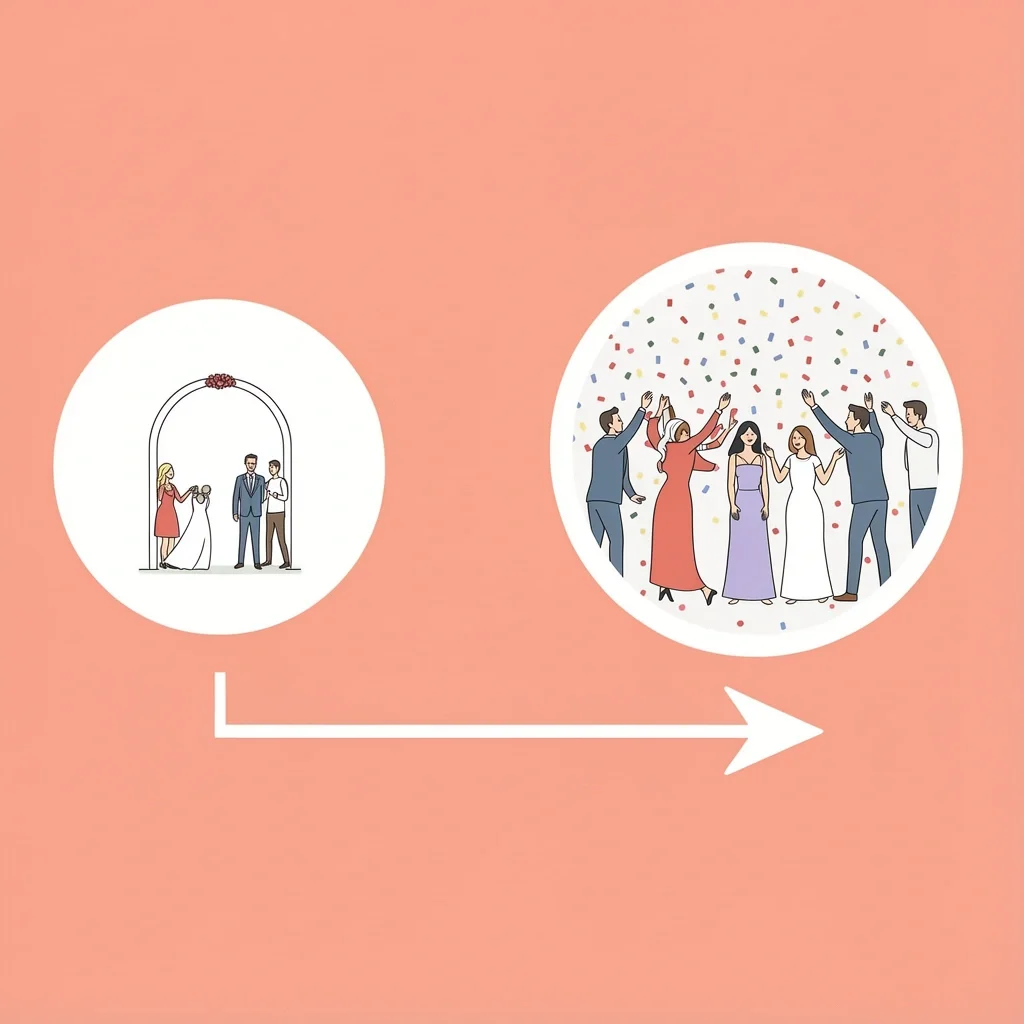
Some couples want the best of both worlds. A small, intimate ceremony now. A bigger party later. This can work, but it requires planning.
The biggest pitfall is that the big party can overshadow the small ceremony. Your guests at the party might ask, “Where is the ceremony video?” or “Why did we not get to see you say your vows?” To avoid this, keep the two events separate.
Option A: Have the ceremony on a different day. Do a small wedding on a Friday. Invite the big group to a celebration on Saturday. The Saturday event is a party, not a wedding. No ceremony reenactment. No walking down the aisle. Just food, drinks, and dancing.
Option B: Have the ceremony and the party on the same day but treat the ceremony as private. You can livestream it for those who could not attend. Then everyone gathers for the reception. This works best when you explain the structure clearly. “We are having a small ceremony in the morning with family. Please join us for dinner and dancing at six.”
Whichever route you take, do not try to cram two weddings into one day. It will feel exhausting.
What to Do When Your Budget Is Tight Even for a Small Wedding
Small does not always mean cheap. But if money is a concern, the small format makes it easier to stay within your limits. Here are real-world ways to cut costs without ruining the experience.
If you’re looking for a complete roadmap, our guide on how to save money on your wedding without sacrificing the experience breaks it all down step by step.
- Host on a weekday. Friday or Sunday can cut venue costs in half.
- Skip the reception entirely. Do a short ceremony followed by a nice dinner at a restaurant.
- Borrow attire. Your mother’s wedding dress, a friend’s suit jacket, or a vintage find from a thrift shop.
- DIY florals. Buy bulk flowers from a wholesale market and arrange them yourself. Watch a YouTube tutorial if you need help.
- Use a public park. Many parks allow small ceremonies for a small fee. Reserve a picnic area and bring your own chairs and decorations.
Making It Feel Intentional, Not Scaled-Down
The worst thing you can do with a small wedding is treat it like a mini-version of a big wedding. Do not rent a tiny dance floor and a DJ. Do not set up a head table with three people at it. Do not cut a cake that feeds 50 when you have 20 guests.
Instead, design the day around what small weddings do well. Here is how.
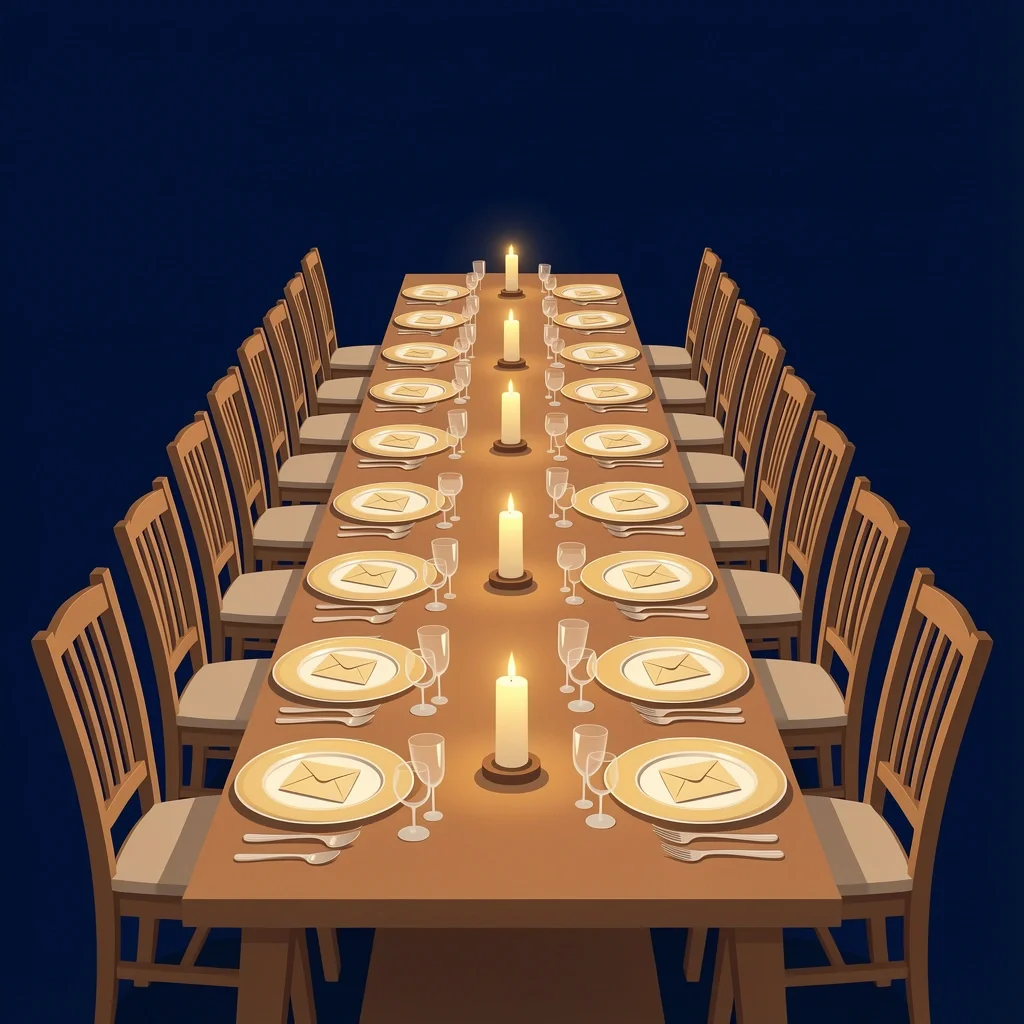
Use a long communal table. Instead of several round tables, put everyone at one long table. This forces people to talk to each other. It creates a sense of shared experience.
Write a personal note to each guest. Before the wedding, write a short handwritten note to every person who is coming. Thank them for being in your life. Place the note at their seat. It takes time, but it is a gift they will keep.
Include a meaningful ritual. A handfasting ceremony. A unity sand ceremony. A shared reading of a poem. Something that cannot be done with 200 people in a hotel ballroom.
Avoid the word “small.” Call it intimate. Curated. Exclusive. Select. The language you use shapes how you and others feel about the day.
Frequently Asked Questions
How far in advance should I start planning a small wedding?
You can plan a small wedding in a few weeks if you are flexible. But for the best vendors and venues, give yourself 6 to 12 months. The same rules apply as for a big wedding. Popular venues and photographers book up fast.
Can I have a bridal party for a small wedding?
Yes, but consider keeping it minimal. One or two people on each side is plenty. A large bridal party can make a small wedding feel cramped.
Do I need a wedding planner for a small wedding?
Not necessarily. But a day-of coordinator can save you from stress on the day itself. They handle the logistics so you can enjoy the moment.
What if my partner wants a big wedding but I want small?
This is a common conflict. Talk through why each of you wants what you want. A good compromise is the micro-wedding plus big party later. Or you can aim for a medium-sized wedding of around 60 people. The key is to find a solution that respects both of your feelings.
How do I handle gift registries for a small wedding?
A small registry or a honeymoon fund is fine. Many of your guests will still want to give a gift. You can also request no gifts in favor of donations to a charity that matters to you.
How do I keep the small wedding from feeling like a dinner party?
You want it to feel like a wedding, not just a nice meal. The ceremony is what makes it a wedding. Make the ceremony meaningful. Include personal vows, a special reading, or a symbolic ritual. The ceremony is what separates this from any other gathering.
A small wedding is not a compromise. It is a deliberate choice to invest in the moments that matter most. Use this guide as your roadmap. But remember, the best plan is the one that feels like you. Trust your gut. Hold your boundaries. And enjoy the day.