
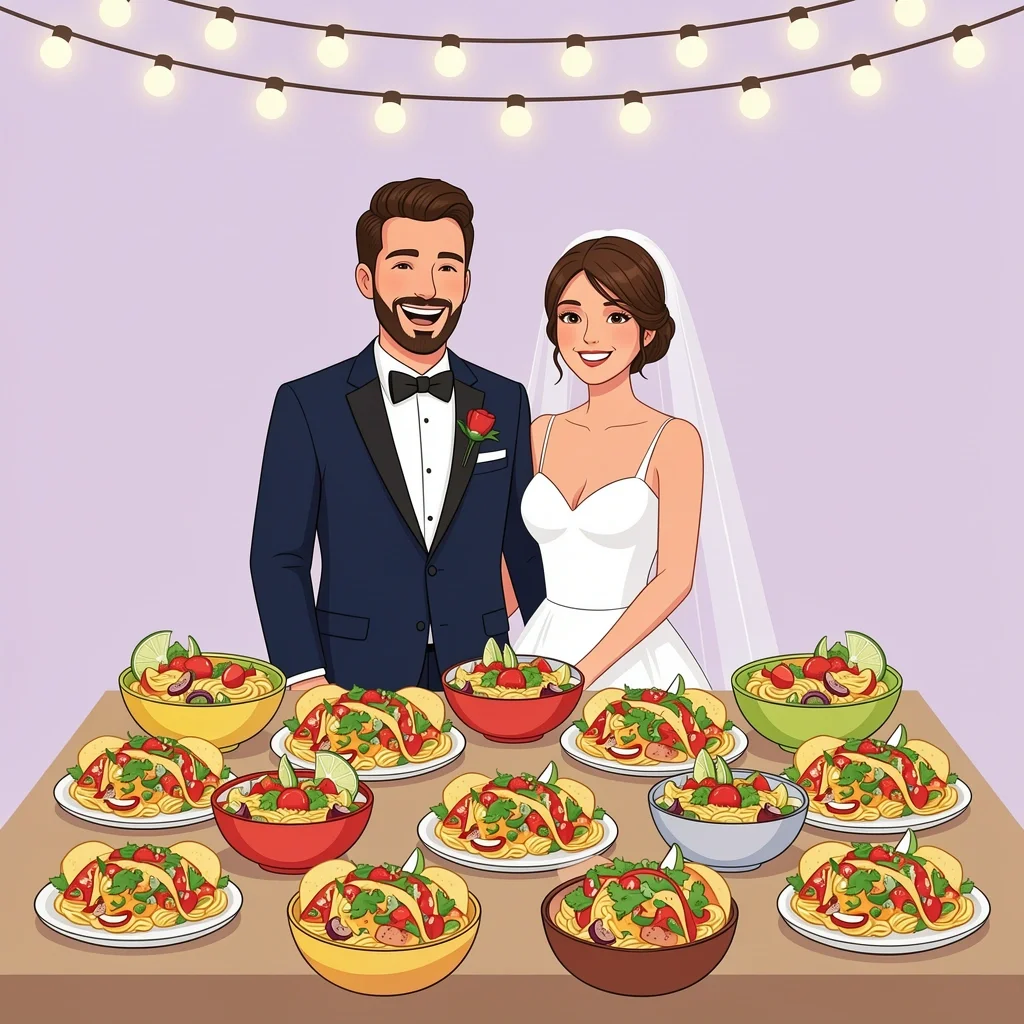
I have spent years helping couples pull off beautiful weddings without breaking the bank. If you are worried that feeding a large crowd on a small budget means your guests will leave hungry or disappointed, I have good news: it does not have to be that way. The secret is not just picking cheap food — it is picking the right food and serving it the right way. Over and over, I have seen that when you focus on cuisine type, service style, and presentation, you can make a $10 per person meal feel like a $30 one. This article walks you through exactly how to do that.
The Real Cost of Feeding a Crowd — Start Here

Before you even look at menus, you need a realistic number. The average wedding catering cost ranges from $45 to $75 per head for a catered event, but if you do a DIY buffet or hire a drop-off caterer, you can get that down to $15 to $25 per person. For a reception of 150 guests, that means a total food budget between $2,250 and $3,750 for a DIY approach, versus $6,750 or more for full-service catering.
Your biggest cost driver is the time of day. A brunch reception (10 a.m. to 1 p.m.) automatically lowers expectations around a full dinner, and you can serve lighter items that cost less. A dinner reception demands heartier portions and more variety. So the first decision is: what time will you eat?
From there, use this simple formula to get your baseline:
- Guest count × cost per head = base food cost
- Add 15–20% for hidden fees (service charges, rentals, taxes, gratuity)
- Add $1–$3 per person for cake cutting fees if you bring your own cake
Now you know the floor. Let’s talk about the food that fits inside it.
Best Budget Cuisines with Upscale Potential
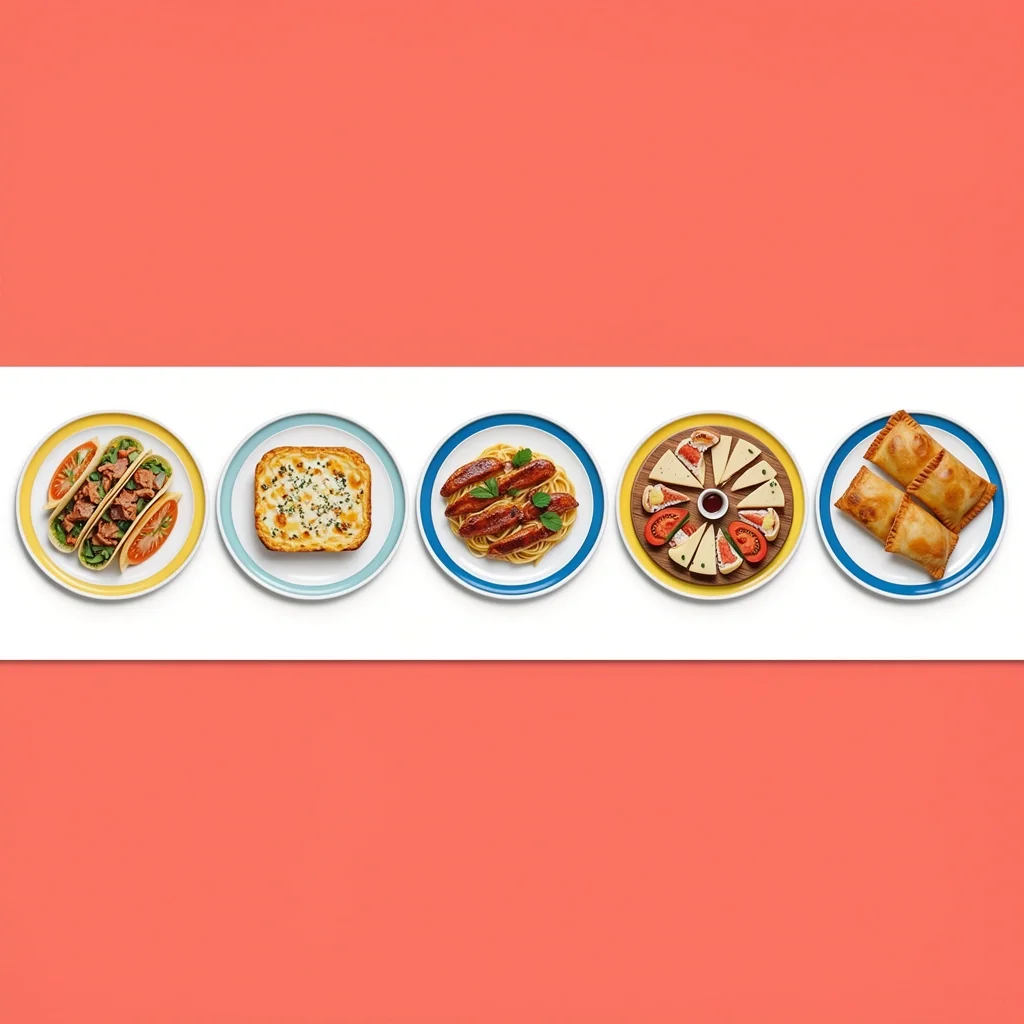
I have tested dozens of cuisines with my couples. These six consistently deliver the best bang for the buck without feeling cheap. For each one I include a realistic cost-per-head and the one upgrade that makes all the difference.
Taco or Burrito Bar — $6–$12 per head
Tacos are the workhorse of budget weddings. They use inexpensive proteins (chicken, beans, ground beef) and stretch easily with rice and salsa. The upgrade that elevates them: warm tortillas — either freshly griddled corn or flour — and a selection of fresh salsas made from scratch. Add a garnish bar with cilantro, onions, lime wedges, and radishes. When guests see fresh ingredients and smell those tortillas, they forget it’s a taco bar from a grocery store.
Fork-Free Brunch Reception — $8–$15 per head
Brunch is made for saving money. Serve quiche, fruit platters, pastries, and maybe a yogurt bar. The upgrade: real plates and a mimosa station. A simple sparkling wine and juice setup signals celebration, not a hotel breakfast. Use china or heavy-duty ceramic plates — the extra weight makes everything feel intentional.
Pasta Station — $5–$10 per head
Pasta is dirt cheap when bought in bulk. The upgrade: three sauce options (a classic marinara, a creamy alfredo, and a spicy arrabbiata) served with a fresh Parmesan wheel at the station. Grate it tableside. Guests love the theater, and that wheel costs under $15 but looks like a luxury.
BBQ Buffet — $10–$18 per head
Pulled pork, chicken thighs, baked beans, coleslaw — BBQ is filling and forgiving. The upgrade: serve on butcher paper with gingham liners. Instead of plastic trays, use disposable wood or bamboo plates. Add cast-iron skillets for cornbread. The rustic look hides the low price point.
Grazing Table + One Hot Dish — $10–$15 per head
A large grazing table with cheeses, cured meats, nuts, olives, and dried fruits pairs with a single hot entrée like a whole roasted chicken or a side of salmon. The upgrade: the hero protein. That single hot dish becomes the centerpiece. Roast a chicken with herbs, carve it in front of guests — it feels like a special occasion.
Global Street Food — $8–$14 per head
Sliders, empanadas, gyros, or bao buns all fall under this category. They are small, handheld, and cheap to produce. The upgrade: a live grill station where guests see their food being cooked. Add branded napkins or mini flags for a pop of color. The interactive element distracts from the modest ingredients.
Strategic Service Style — How You Serve Saves Money and Impresses Guests
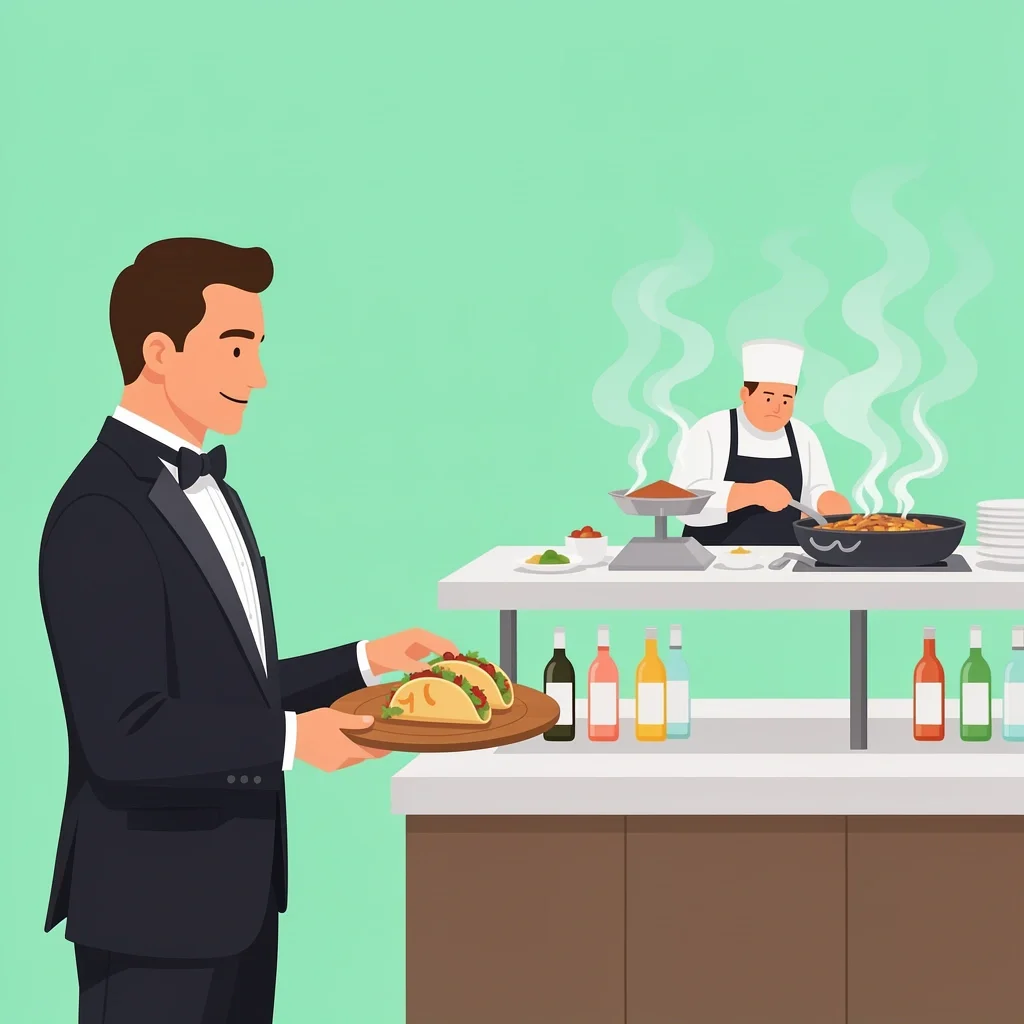
The way you serve the food matters almost as much as what you serve. Here is the honest breakdown from my experience.
| Service Style | Cost Level | Pros | Cons |
|---|---|---|---|
| Buffet | Lowest | Guests serve themselves; no plated labor cost; easy to portion control | Long lines, food can run out if not managed well |
| Family-Style | Medium-low | Less labor; encourages conversation; reduces waste because servings are controlled | Need enough large platters; can run out of a dish if not careful |
| Station-Based | Medium | Cost-effective with 2–3 stations; guests make their own combinations | Can get messy if stations are not replenished |
| Plated | Highest | Elegant; no waiting; predictable portion sizes | Labor intensive; multiple courses means more cost |
For most budget weddings, I recommend a combo of buffet and one live-action station. For example, a taco bar with a quick guacamole station. That one live element gives the impression of customization without the cost of full plated service.
The Perception Secret — Making Inexpensive Food Look Luxurious
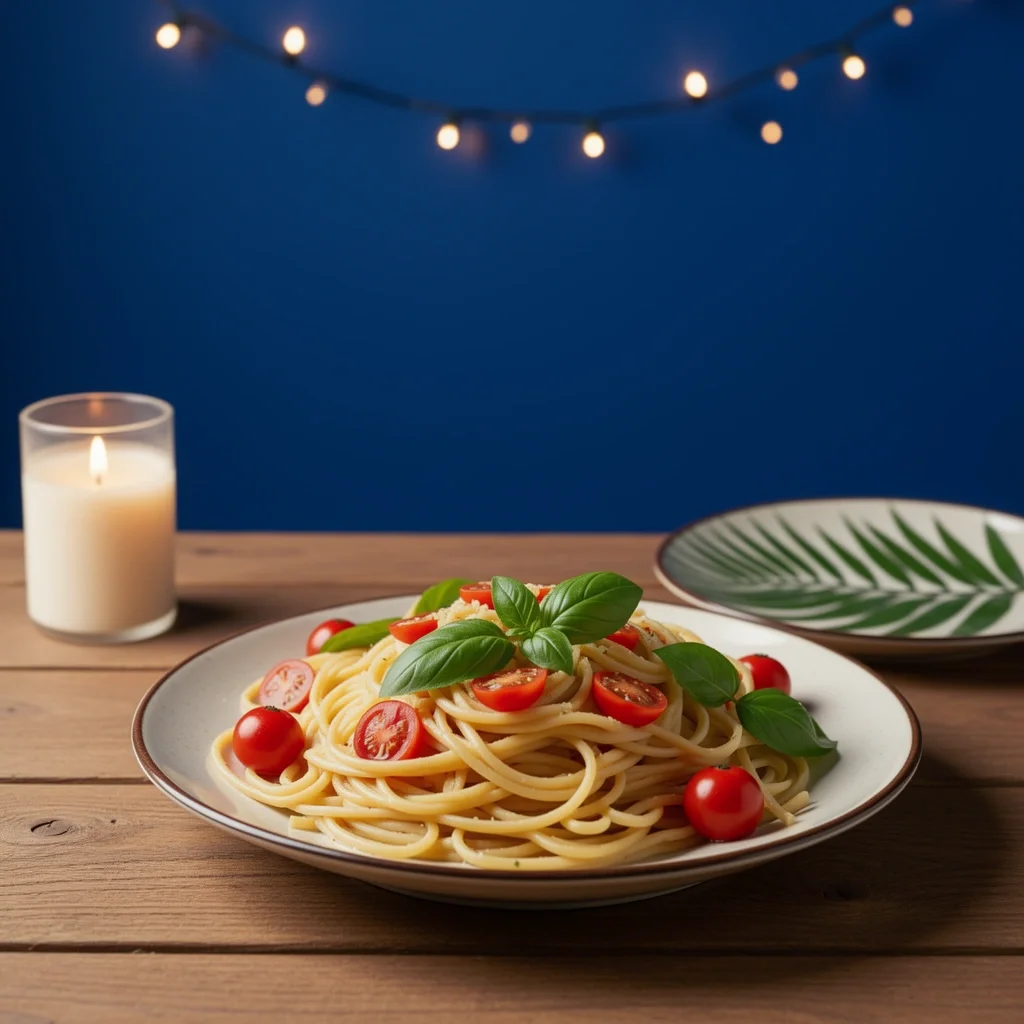
I have seen a $7 per person pasta station get rave reviews purely because of how it was presented. Here is what works.
- Lighting: Dim the overhead lights and use candles or string lights. Soft light hides cheap platters and makes food glow.
- Serveware: Rent uniform china or use high-quality disposable plates like palm leaf or bamboo. Avoid white foam or plastic.
- Menu language: Instead of “pulled pork sandwiches” write “smoked BBQ pork on brioche with house-made slaw.” Instead of “taco bar” write “hand-pressed tortilla station with chipotle-lime chicken.”
- Garnishes: Fresh herbs, edible flowers, colorful sauces — they cost pennies but read as “chef-driven.”
- Single-serving portions: Pre-plated appetizers on trays look elegant. Self-serve bowls look cheap.
Hidden Costs That Can Bust Your Wedding Food Budget

I have watched couples blow their budget on things they never thought about. Add these to your checklist before you sign anything.
- Cake-cutting fee: Many venues charge $1 to $3 per slice if you bring your own cake.
- Corkage or beverage service fees: If you bring your own wine or beer, the venue may charge per bottle.
- Linens and napkins: For a buffet you need tablecloths, napkins, and possibly chair covers — all rental costs.
- Staff to replenish and clean: Even a DIY buffet needs at least one or two helpers to refill chafing dishes and clear plates.
- Insurance for home/backyard venues: Some homeowners policies do not cover large events; you may need a one-day event insurance policy.
- Rental fees for chafing dishes, sternos, serving utensils: These can add $200–$500 for a 150-guest event.
Dietary Restrictions on a Dime — Inclusive Menus Without Breaking the Bank
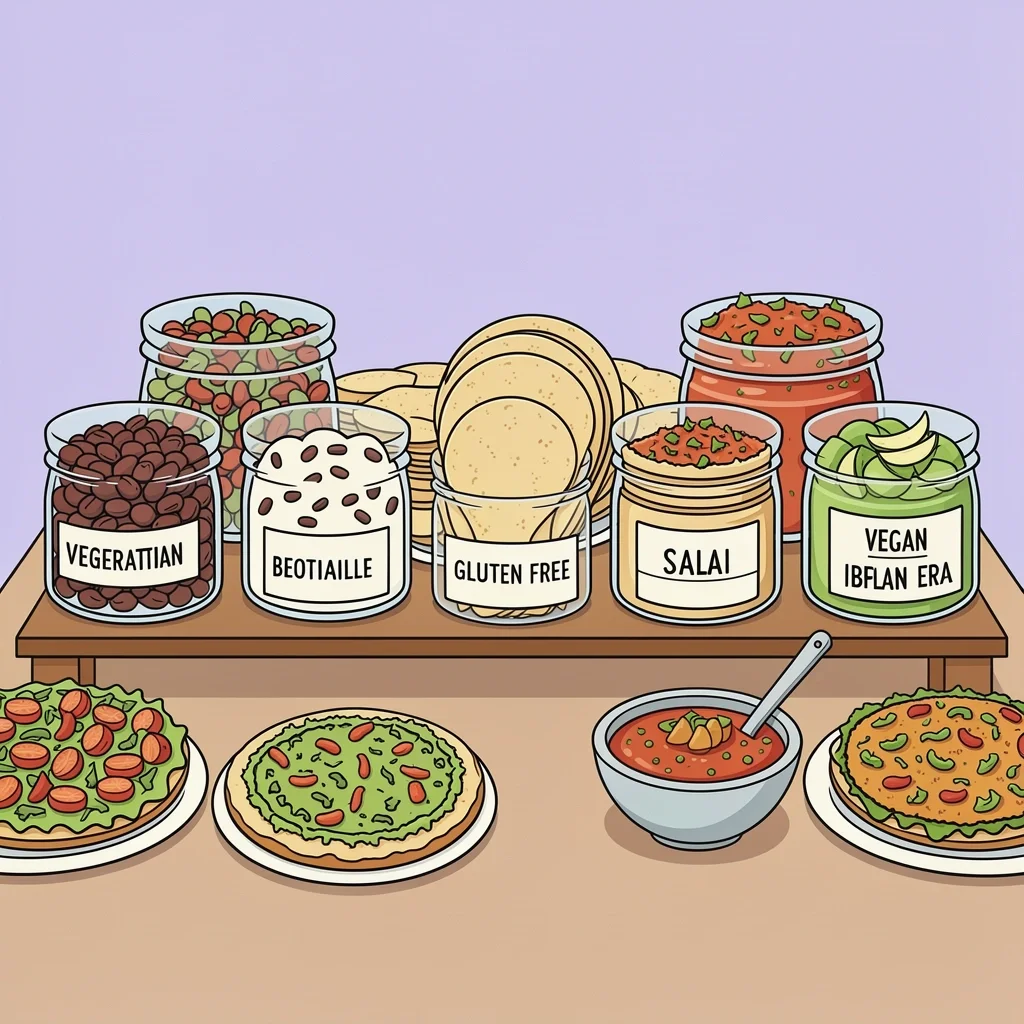
Accommodating allergies and diets does not have to double your costs. The trick is to choose cuisines that are naturally inclusive.
Build-your-own stations are your best friend: tacos, pasta bowls, baked potatoes, or grain bowls let guests pick what they want. Label each item clearly with small printable signs — vegetarian, vegan, gluten-free, contains nuts. This avoids confusion and expensive separate menus.
For a complete guide on crafting a memorable spread, see How to Build a Wedding Reception Menu Your Guests Will Remember.
Cheap substitutes work: use lentils or beans in place of meat for vegan options, offer gluten-free pasta alongside regular pasta in the same station, and keep a simple olive oil and vinegar dressing for salad instead of creamy options that may contain dairy. These cost almost nothing but make everyone feel cared for.
Real Couples, Real Budgets — Three Case Studies
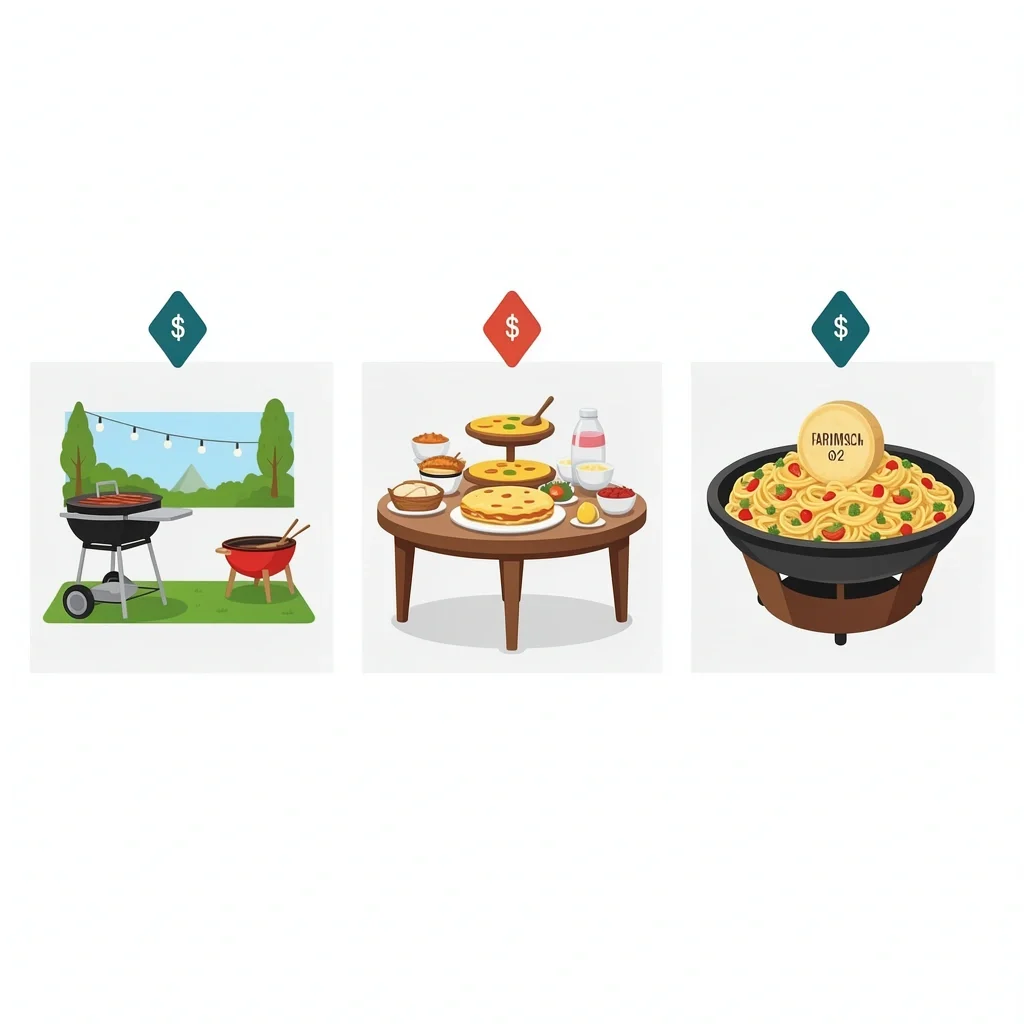
I have worked with dozens of couples. Here are three anonymized examples to show what is really possible.
Emily & James — 150 guests
Menu: Backyard BBQ + taco bar
Total food cost: $2,600 (including rentals for chafing dishes, linens, and serving utensils)
Guest feedback: “Best wedding food I have ever had — did not feel cheap at all.”
Key move: They hired one experienced coordinator to run the buffet lines so they could enjoy the party.
Megan & Carlos — 80 guests
Menu: Brunch buffet (quiche, fruit, pastries, yogurt bar) with one live omelet station
Total food cost: $2,200
Guest feedback: “The omelet station was the hit of the wedding — everyone thought it was a fancy brunch spot.”
Key move: Scheduled reception at 11 a.m., so guests expected lighter fare and were thrilled.
Sarah & Tom — 120 guests
Menu: Pasta station with three sauces and a salad bar
Total food cost: $1,800 (all DIY, including rental of chafing dishes)
Guest feedback: “We loved being able to build our own pasta — and the Parmesan wheel was amazing.”
Key move: They purchased a pre-grated Parmesan wheel from a local cheese shop for $12 and let guests shave it themselves.
Frequently Asked Questions
How many appetizers should I serve per person during cocktail hour?
If a full meal follows, 6–8 pieces per person is plenty. If cocktail hour is the main food, plan for 10–12 pieces. Keep variety low — three types of appetizers is enough to feel abundant without waste.
Can I serve only appetizers and cake and still satisfy guests?
Yes, but only if you schedule the reception between meal times (2–4 p.m.) and clearly communicate it on the invitation — for example, “join us for hors d’oeuvres and dessert.” Guests who expect a full dinner will be disappointed if they are misled.
Is it cheaper to cook everything myself or hire a caterer?
For 150 guests, a caterer often wins because of bulk pricing and labor savings. For under 60 guests, DIY can save 40% or more — but only if you have a commercial kitchen available and a team of helpers. Do not underestimate the stress of cooking and serving on your wedding day.
How do I handle leftover food without waste?
Use a catering calculator to portion exactly. For stations that cannot be saved (like tacos), plan for leftovers to be packaged for guests if safe. Stations like pasta or salad work well because extras can be composted or donated if your venue allows.
What is the most common mistake couples make when trying to save on food?
Over-ordering variety and underestimating presentation costs. They buy ten different types of appetizers but forget to budget for plates, napkins, and serving utensils that make it look nice. Stick to two or three core items and spend the saved money on quality serveware.
Final Takeaway — Your Budget-First Action Plan
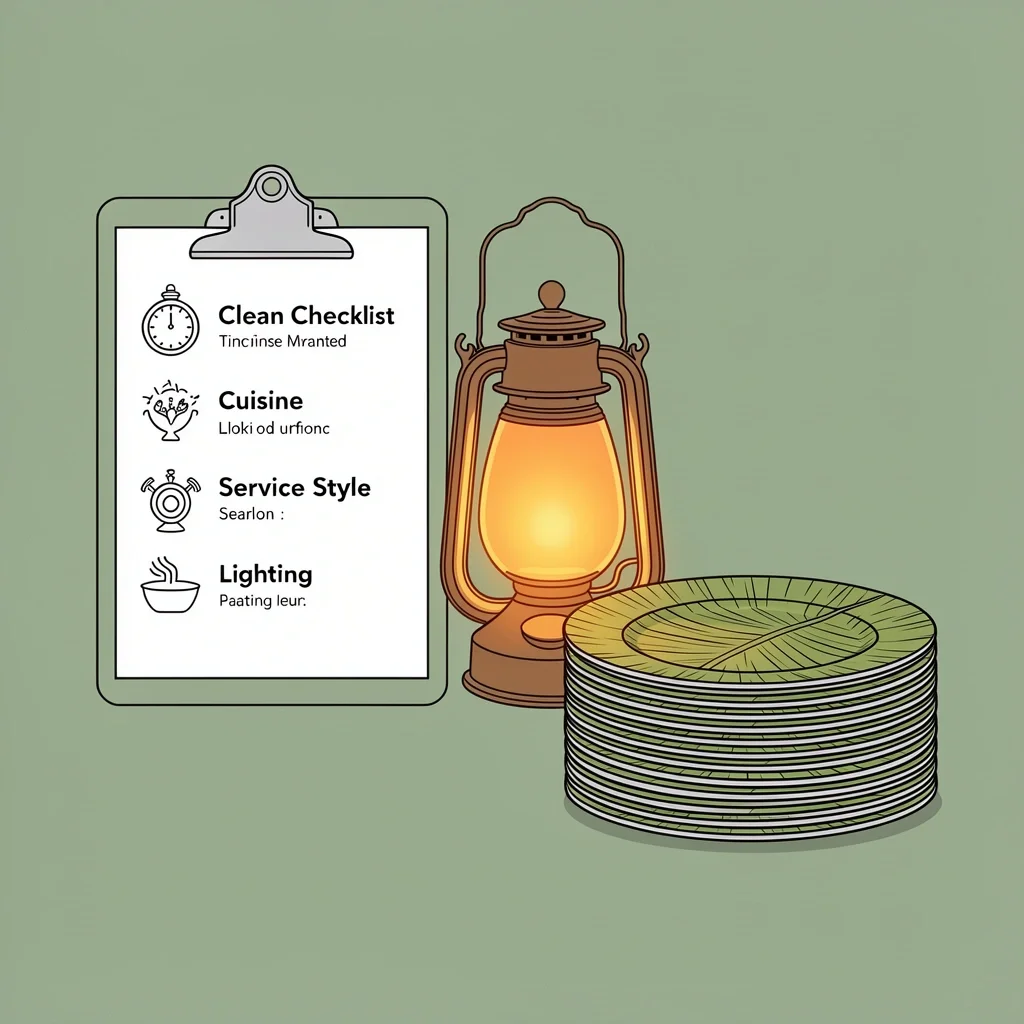
Feeding your guests well on a budget is not about finding the cheapest caterer. It is about choosing one affordable cuisine, one smart service style, and then applying a few perception tricks. Start with the timing: a brunch reception will save you the most money. Then pick a cuisine from the six above — taco bar or pasta station are the easiest to elevate. Use a buffet with one live station to keep labor low and guest engagement high. Finally, spend the money you saved on lighting and serveware, not on extra menu items.
Get at least three quotes from caterers or rental suppliers. Always include the hidden cost checklist in your negotiations. And remember: your guests will remember how they felt, not how much you spent. A warm tortilla, a friendly server, and a well-lit room can make a $10 meal feel like a feast.