
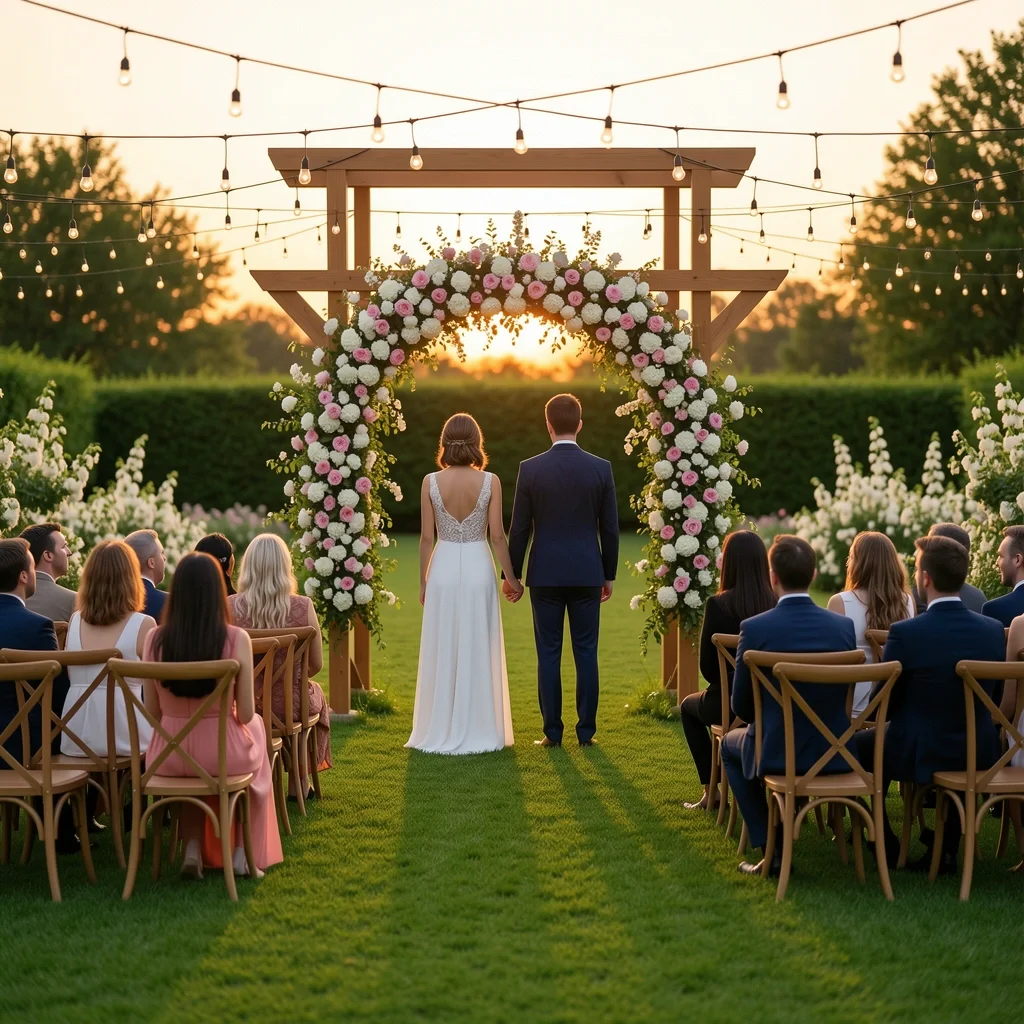
You have probably seen the photos. A couple standing under a flower-covered arch. Soft golden light. Guests seated on wooden chairs in a perfectly manicured lawn. It looks effortless, but anyone who has planned a garden wedding knows the reality is different.
Garden weddings are not outdoor versions of indoor weddings. They are a completely different category of event with their own rules, risks, and rewards. The biggest mistake you can make is treating a garden like a blank canvas you control. You do not control the garden. The garden is a living thing, and it dictates the terms.
As you design your outdoor ceremony space, explore these wedding altar ideas for a beautiful and meaningful focal point.. My goal is to make sure you go into this with your eyes open, not just a Pinterest board.
Is a Garden Wedding Right for You?
Before you fall in love with a venue, ask yourself some hard questions. Garden weddings come with trade-offs that no brochure will mention.
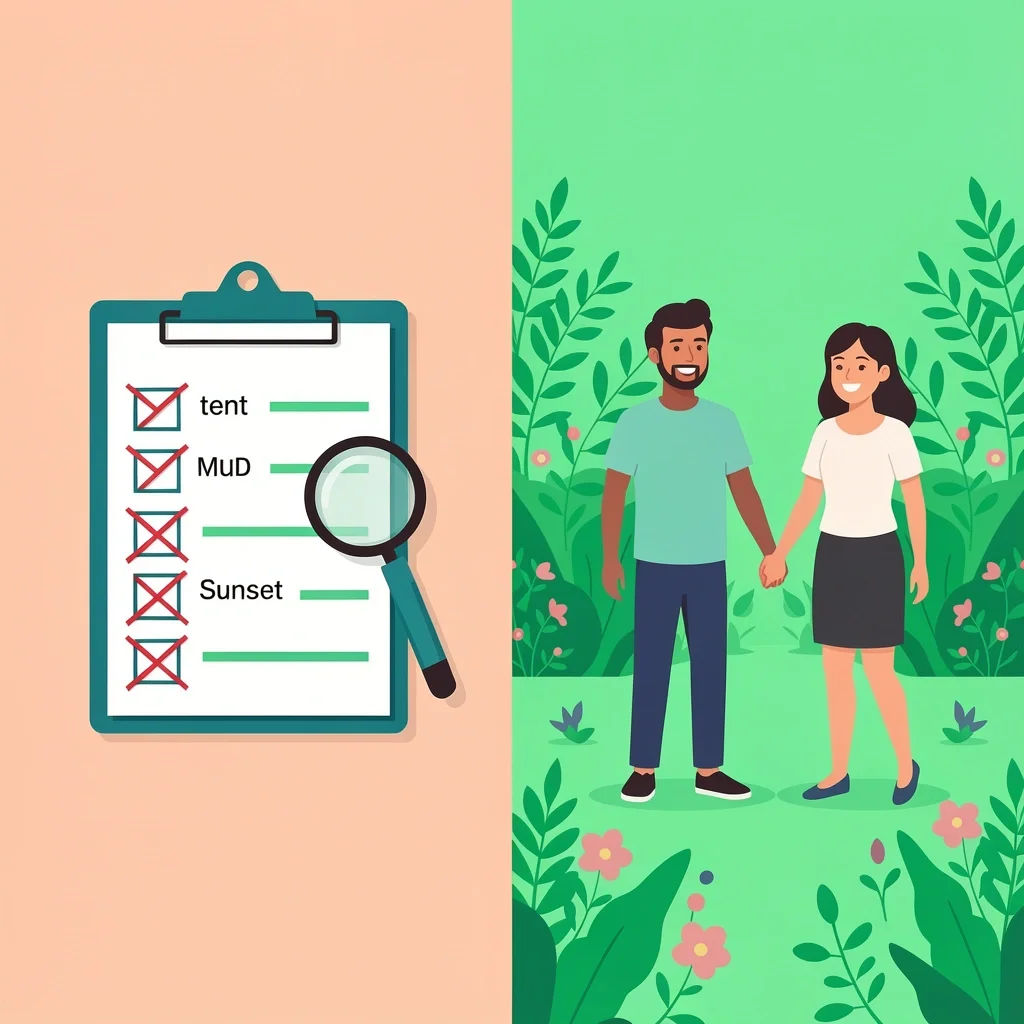
Weather is the obvious one. But the cost of a weather backup plan is not obvious. A tent that fits 100 guests and includes sidewalls costs thousands of dollars to rent and install. You also need a floor under that tent if the ground gets muddy. That can double your venue budget overnight.
Guest accessibility is another reality check. Many gardens have gravel paths, steep slopes, or uneven grass. If you have elderly guests, anyone in a wheelchair, or parents with strollers, you need to verify the garden has accessible routes to every event space. Some venues have hidden restrictions, like no wheeled vehicles on certain lawns.
Daylight is a factor you cannot ignore. An indoor wedding starts at 5 p.m. and runs until midnight with no issue. A garden wedding loses usable light as the evening goes on. You need to schedule your entire timeline around sunset, not a venue’s availability.
Seasonal perishability is the one couples overlook most. A garden in June looks completely different than that same garden in September. If you book a date based on availability rather than peak bloom, you might end up with bare branches instead of flowers. You are essentially renting a space that changes its appearance every week.
If those trade-offs do not scare you, then a garden wedding is a great choice. If they do, that is fine too. But you need to know this now, not six weeks before your date.
How to Select the Right Garden and Date
Most couples start with “find a venue I love.” That is backwards. You need to start with the season, then find a venue that matches your timeline.
Use the Bloom Calendar, Not the Availability Calendar
Every garden has a peak season. That peak determines when the venue looks its best. If you want a spring garden full of tulips and cherry blossoms, your wedding date needs to fall in that narrow window. If you want fall color, you book for October or early November, depending on your region.
Contact venues that you are serious about and ask for their bloom calendar. A reputable garden venue will tell you exactly what is in bloom during each month. If they cannot provide that, consider it a red flag.
Factor in Regional Climate Patterns
Peak bloom is not the same everywhere. A garden in the Pacific Northwest has different timing than one in Texas or the Northeast. Look up historical weather data for your region during the month you are considering. You want to know the average temperature, the number of rainy days, and the typical wind speed. That data will help you choose a date that minimizes weather risk.
Use Sun Path Mapping
Where the sun is at 4 p.m. versus 6 p.m. matters a lot for an outdoor ceremony. You want the sun behind the couple during the ceremony so guests are not squinting. That means you need to understand how the sun moves across the garden at your specific time of day. A simple approach is to visit the venue at the time you plan to hold the ceremony. Stand where the couple will stand and look at where the sun hits the guest seating area.
Account for Microclimate Variance
Within a single garden, different sections can have completely different conditions. A ceremony space under a large oak tree might be 10 degrees cooler than a reception area in open grass. One section might be sheltered from the wind while another is exposed. Walk the entire venue at different times of day before you commit to a layout.
The Botanical Negotiation
Your venue contract covers things like rental fees, cancellation policies, and insurance. But it probably does not mention the things that matter most. Here is what you need to discuss before you sign.
Fertilizer and Pesticide Schedules
Gardens are maintained on fixed cycles. The venue may apply fertilizer, pesticides, or herbicides on a regular schedule. You need to know what they use, when they apply it, and whether it will affect your guests. Some chemicals have strong odors or can cause allergic reactions. If you have guests with respiratory issues, ask if the venue can adjust the schedule for your date.
Irrigation Exposure
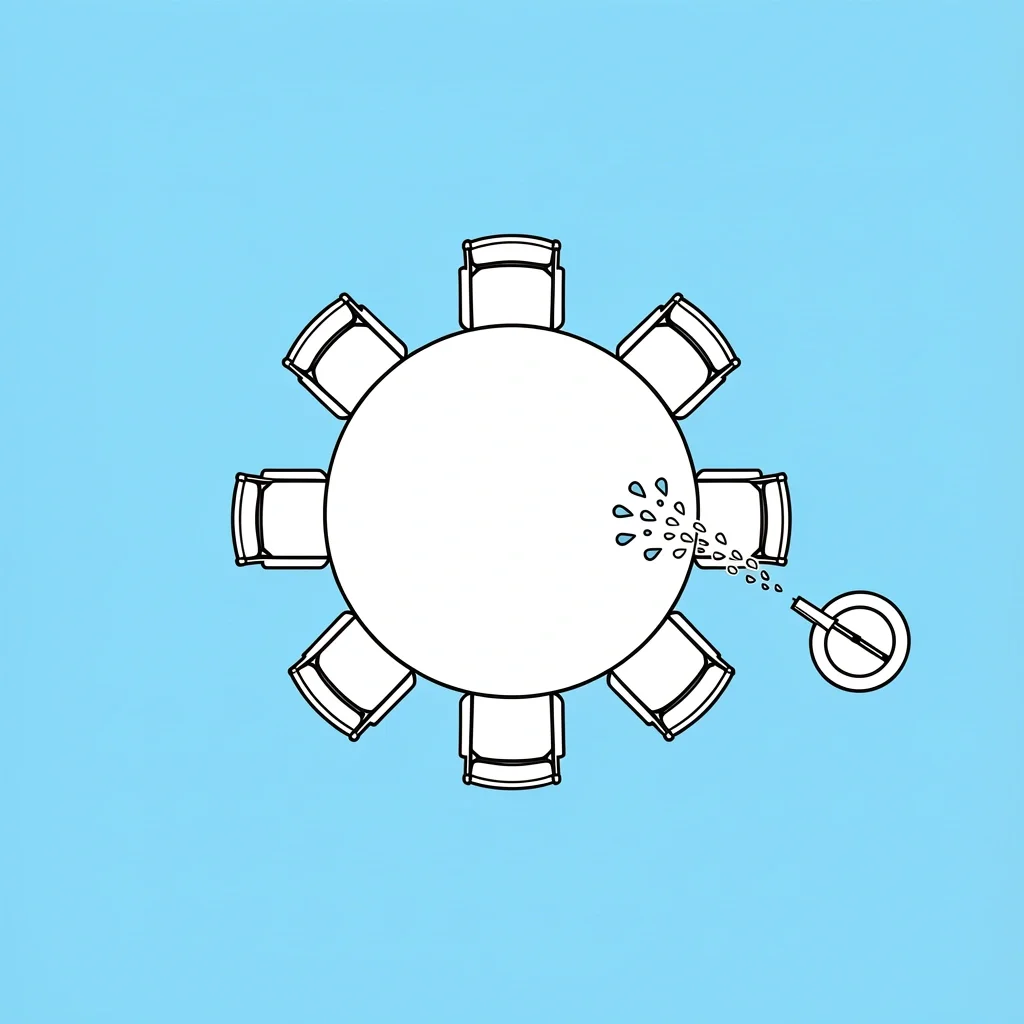
Many gardens have automated sprinkler systems. If your reception tables are placed in a zone that gets watered at 6 p.m., you could have a soaked dance floor. Ask for the irrigation schedule and make sure your event setup does not overlap with active watering zones.
Wildlife Management
Gardens attract bees, wasps, birds, and squirrels. Bees are especially active near flowering plants. If your reception is near a flower bed, guests may deal with constant insect activity. Ask the venue about their approach to managing bees near event spaces. Some venues have designated areas where they keep flowers away from seating and dining.
Photography Restrictions
Some gardens have specific rules for photographers. Flash photography might be banned near certain plant collections because it damages sensitive species. Drones are almost always prohibited. Some venues restrict where photographers can walk or set up equipment. Get these restrictions in writing so your photographer knows what they can and cannot do.
Alteration Prohibitions
You cannot stake anything into the ground without permission. You cannot anchor an arch to a tree. You cannot cut branches or remove plants. If you want to hang lights or decorations, you need to bring freestanding structures. Confirm what you are allowed to install and what the venue provides.
How Garden Wedding Planning Changes Everything
Once you have a venue and a date, the actual planning starts. And it is different from a traditional wedding in several key ways.
Timeline Adjustments
Indoor weddings have flexible timelines because the venue controls the lighting. Garden weddings are at the mercy of daylight. Your ceremony needs to happen early enough that you have time for photos, cocktail hour, dinner, and dancing before sunset. Sunset time changes by about a minute per day, so check the exact time for your date.
Setup windows are also tighter. Many garden venues have limited access because they are open to the public during the day. You might only get a few hours before the event to set up decorations and seating. That means you need a detailed setup plan and a crew that works fast.
Vendor Selection Criteria
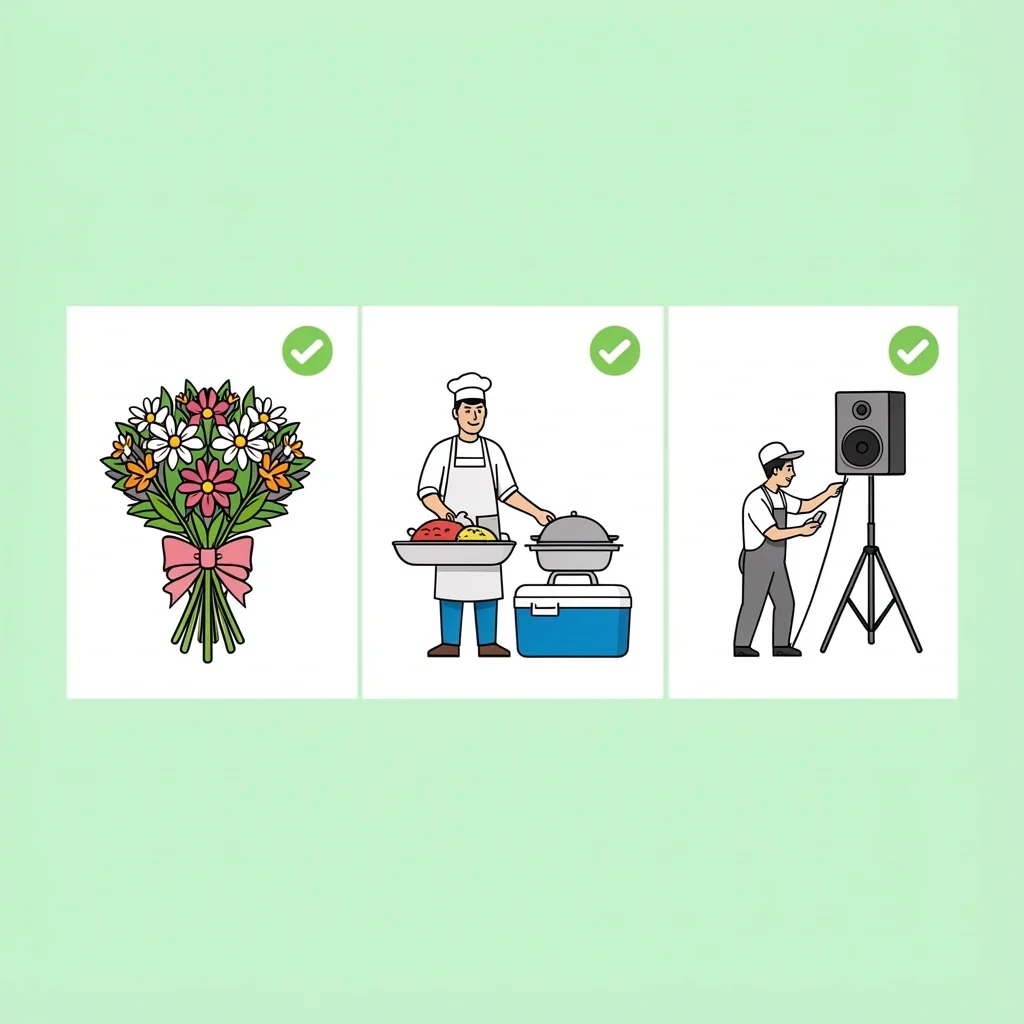
Not every vendor is equipped for outdoor work. A florist who specializes in cut flower arrangements for indoor venues may struggle with arrangements that need to withstand wind and direct sun. Look for florists who have experience designing for outdoor spaces. They know to use sturdy structures and materials that do not wilt quickly.
Caterers also need to be outdoor-ready. Food safety becomes a concern when temperatures climb. Cold items need to stay cold without relying on a kitchen. Hot items need to stay hot. Ask your caterer about their outdoor setup and whether they bring warming trays, coolers, or portable refrigeration.
Sound systems are another consideration. Open spaces do not have walls to bounce sound off. You need a PA system with enough power to reach all guests without being too loud for those near the speakers. A professional sound technician can help you position speakers so the sound covers the seating area evenly.
Invitation and Communication Strategy
Garden wedding invitations need more information than standard invites. Include the dress code with specific language like “garden formal” or “garden cocktail.” Tell guests what to expect regarding terrain, weather, and sun exposure. Include a note about wearing comfortable shoes for walking on grass or gravel.
Explain your weather backup plan clearly. If you have a tent or indoor space, say so. If you do not, be honest about the risk. Guests appreciate knowing what to expect, and it reduces their anxiety about the unpredictable weather.
Designing the Event Flow for a Garden Space
The way guests move through a garden matters more than how they move through a ballroom. Indoor venues have a predictable flow: guests arrive, go to the ceremony room, move to the cocktail area, then enter the reception hall. Gardens have irregular layouts, separate spaces, and natural distractions.
Managing Guest Movement Across Terrain
If your ceremony and reception are in different parts of the garden, you need to guide guests clearly. Use signs, pathways, or staff to direct foot traffic. Avoid long distances between spaces, especially if there are hills or steps. Consider providing shuttle service for guests with mobility issues.
Sound System Placement
Speakers need to be placed where they project sound toward guests without creating feedback loops. Avoid placing speakers near open water features or fountains because the sound can bounce and distort. Test the system during a rehearsal so you can adjust volume and positioning before the actual event.
Lighting Design
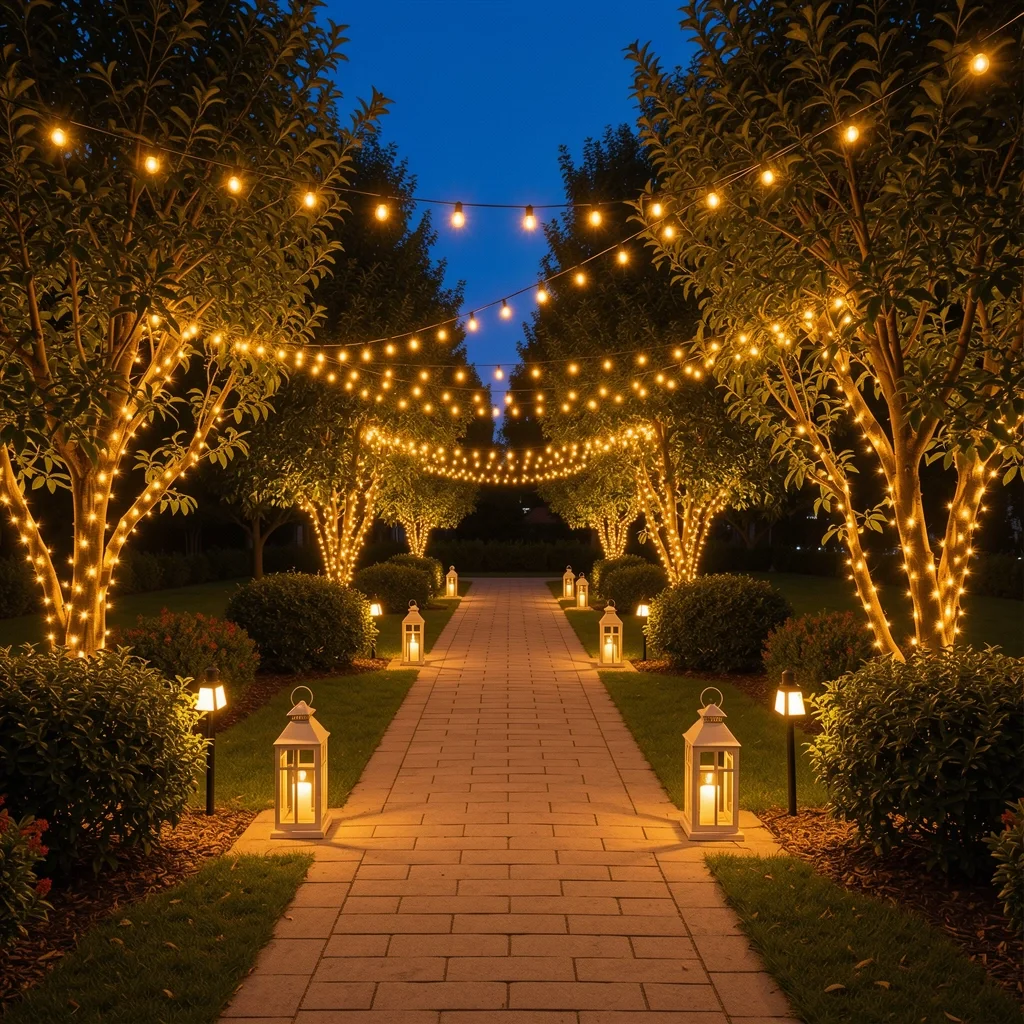
Lighting in a garden serves two purposes: ambiance and safety. Paths need enough light for guests to walk safely. Your ceremony and reception areas need enough light for the activities, but not so much that you lose the natural charm of the garden. Use string lights, lanterns, and uplighting to create a warm glow. Avoid bright floodlights that wash out the landscape.
Also consider the impact on local wildlife. Bright lights can disorient birds and insects. Use warm-toned lights instead of cool white or blue lights, and aim them downward rather than outward.
The Weather Backup Plan
Every garden wedding needs a weather backup plan. But “rent a tent” is not enough. You need a real plan that accounts for different scenarios.
Spatial Alternatives Within the Garden
Some gardens have covered structures like arbors, gazebos, or greenhouses. Others have conservatories or indoor event spaces. If your venue has these, ask how they function as a backup. Can the ceremony move into a covered space if it rains? Can the reception be held in a greenhouse if wind blows? Knowing your options ahead of time lets you pivot quickly.
For those considering a more intimate setting, a small backyard wedding can be a wonderful alternative that allows for similar flexibility and personalization.
Timing Flexibility
Sometimes the weather forecast changes an hour before the ceremony. You can flip your schedule to avoid the worst weather. For example, hold the ceremony and photos during a window of clear weather, then move indoors for dinner and dancing. That might mean a later ceremony or a longer cocktail hour. Have a flexible timeline written out so your coordinator can adjust on the fly.
Guest Communication for Last-Minute Changes
If you move the event indoors, you need to tell guests where to go. Use a communication method that works in real time. A text message blast or a note posted at the ceremony entrance is better than hoping guests check their email. Assign someone to stand at the original ceremony location and direct people to the new space.
Also include backup plan information in your invitations. Tell guests that you will communicate changes via a specific method, like a phone number to call or a sign at the entrance. That way, if the weather turns, they already know how to find out what to do.
The Guest Experience Reframe
Garden weddings fail when guests are uncomfortable but too polite to complain. You need to think about discomfort before it happens and design around it.
Temperature Stratification
The difference between sitting in direct sun and sitting in shade can be 15 degrees. Place your ceremony seating in shade if possible. If shade is limited, provide umbrellas or a canopy for guests. Schedule photo sessions during golden hour, not midday, to keep the couple and photographer out of harsh sunlight.
Footwear Accommodation
Grass and gravel are hard on heels. Tell guests about the terrain in the invitations. Provide a basket of flip-flops or flat shoes near the entrance for guests who want to change. Consider having a “shoe check” area where guests can store their heels and grab more comfortable footwear.
Sun Management
Guests sitting for a 30-minute ceremony in direct sun can get uncomfortable fast. Provide water bottles at each seat or a cooling station near the ceremony area. Have a basket of sunscreen and hats available. Position the ceremony so the sun is behind the couple, not in the guests’ eyes.
Bug Mitigation Strategy
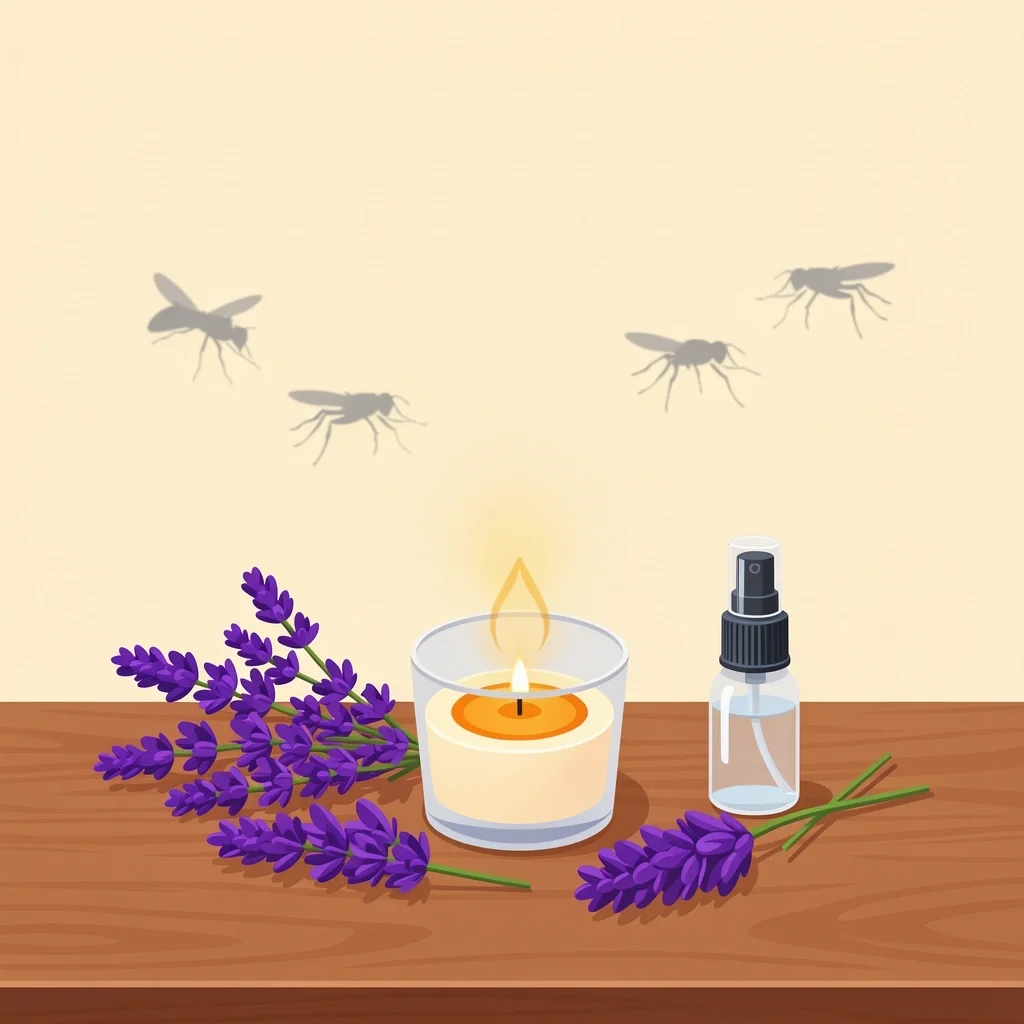
Bug spray is the standard solution, but it is not enough. Coordinate with the venue to schedule fogging treatment 24 to 48 hours before your event. That reduces the insect population significantly. Place citronella candles or torches away from food and seating areas so the smoke does not bother guests. Consider adding bug-repelling plants like lavender, marigolds, or citronella grass to your decoration plan.
Frequently Asked Questions
Can you have a garden wedding in winter?
Yes, but it requires adjustments. Evergreen gardens, covered structures, and indoor conservatories work well. You need a strong lighting strategy because days are shorter. Guest comfort measures like heaters, blankets, and warm drink stations are essential.
How far in advance should you book a garden wedding venue?
For peak bloom season, book 12 to 18 months ahead. For off-season dates, 6 to 9 months can work. Regional variations matter, so check with local venues for their specific demand patterns.
What is the ideal guest count for a garden wedding?
It depends on the venue. Fire codes set maximum capacity, but your real limits are noise dispersion, visual sightlines, and restroom availability. In irregular garden layouts, guests may not see the ceremony if they sit too far away. Keep the guest list within the venue’s comfortable capacity, which is usually lower than the legal maximum.
Do garden weddings cost more or less than traditional weddings?
It can go either way. Venue fees for gardens are often lower than indoor ballrooms. But you may need to rent tents, lighting, sound systems, and portable restrooms, which indoor venues include. You might save on floral decorations because the garden provides its own beauty. But weather contingency costs like a tent or heater can add thousands. Budget for both possibilities.
What should garden wedding invitations include that regular invitations don’t?
Include outdoor dress code language like “garden formal” or “garden cocktail.” Note the terrain type and recommend appropriate footwear. Add a weather preparation reminder, such as bringing a jacket or sunscreen. Include your backup plan communication method so guests know how to find out about changes.