

You’ve made the decision to go to marriage counseling. Maybe you’ve been fighting for months, maybe you feel disconnected, or maybe you just want to strengthen what you already have. Whatever brought you here, it took courage to get to this point. Now you need to know what to do before that first session.
Preparing for marriage counseling is not about having perfect answers. It’s about showing up with curiosity, a willingness to be uncomfortable, and a shared agreement that the relationship is worth fighting for. The single most important step is aligning on one basic premise: We are here to solve the problem, not to win against each other.
This guide covers everything from getting your partner on board to handling the awkward silence in session one. You’ll find practical scripts, honest warnings, and strategies to keep going after the first appointment.
Get on the Same Page Before You Schedule
Many couples wait an average of two and a half years before seeking help. By then, patterns are deeply embedded. The first preparation step is getting both partners to agree that counseling is needed and worth the effort.
If both of you are already eager to go, you can skip ahead. But if one partner is reluctant, hesitant, or flat-out refuses, you need a different approach. Here is how to handle it without making things worse.
How to Talk to a Reluctant Partner

Do not start with accusation. Avoid saying things like “You need therapy” or “Our relationship is broken because of you.” Instead, use a script that focuses on your own feelings and your hope for the relationship.
Try this: “I’ve been feeling disconnected from you lately, and it’s making me sad. I know we both want this to work, but I don’t think we can fix it on our own. Would you be willing to come to one session with me, just to see what it’s like? If you hate it, we don’t have to go back. But I’d really like us to try.”
Notice what this does: it speaks from your perspective, removes blame, and lowers the stakes. One session is less scary than committing to months of therapy.
What to Do If Your Partner Still Refuses
You can still prepare for marriage counseling by going alone. Individual therapy can improve your own behavior, communication, and emotional regulation. Even if your partner never walks into a therapist’s office, your changes often shift the relationship dynamic enough to make a difference. Many couples start with one person in individual therapy and later transition to joint sessions.
Reflect on Yourself Before You Reflect on the Relationship
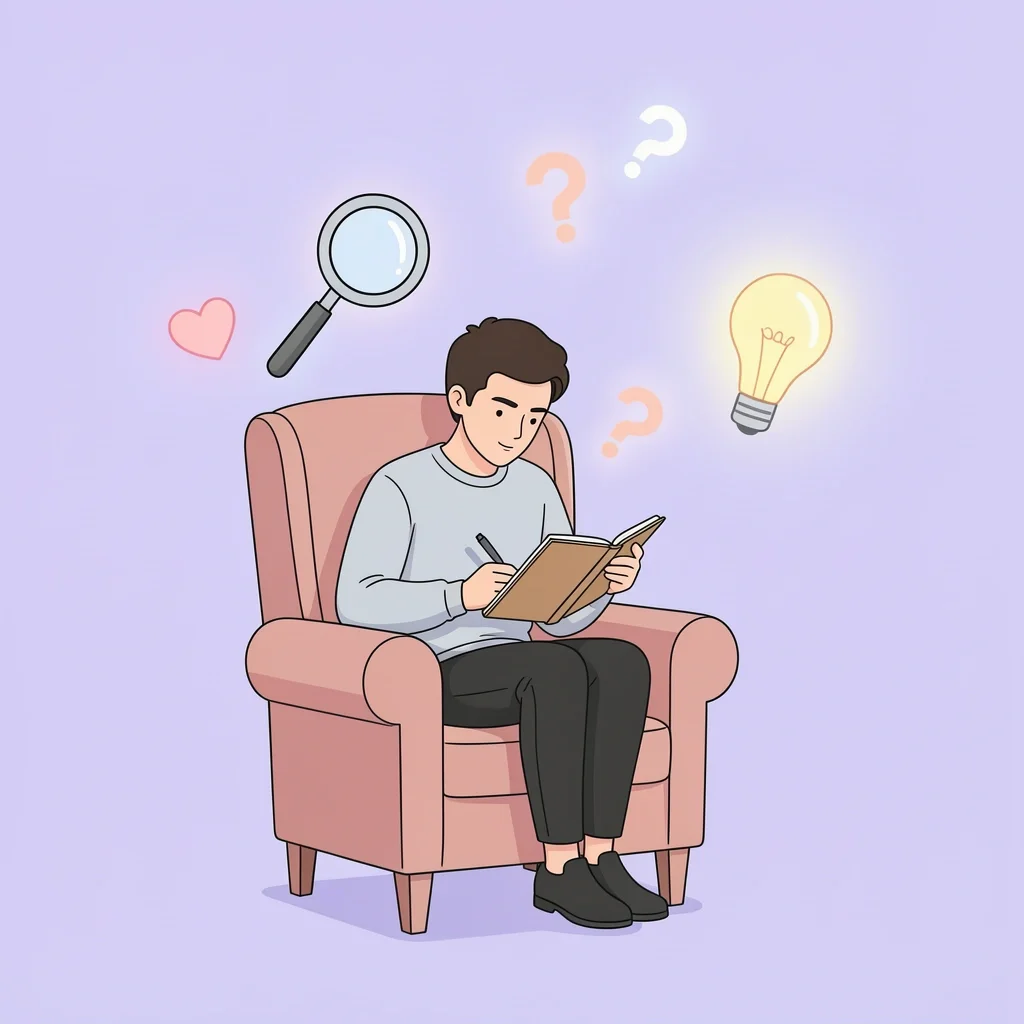
Before you talk about “the problem” with a therapist, take time alone to look inward. This is not about blaming yourself. It is about understanding your own patterns so you can communicate them clearly.
Ask yourself these questions and write down honest answers:
- What do I contribute that helps the relationship?
- What do I do that makes things worse?
- When I get hurt, how do I react? Do I shut down, lash out, or try to fix it?
- What do I really want from this relationship? Not what I think I should want, but what I actually want.
- If the therapist asked me to describe my partner’s perspective, could I do it fairly?
Write Your “Why” for Therapy
Take a piece of paper or a note on your phone and finish this sentence: “I want to go to marriage counseling because…” Be specific. Not “to be happy” but “to stop the same fight about money every month” or “to feel like my partner actually hears me.” When you share this with your therapist, it gives them a clear target to work toward.
Choose the Right Therapist for Both of You

Therapist selection is one of the most practical steps you can take to prepare for marriage counseling. A bad fit can waste sessions and deepen frustration. A good fit can accelerate progress.
Beyond counseling itself, taking a holistic approach to preparing for marriage can help couples build a stronger foundation for their future together.
What to Look For
| Factor | Why It Matters |
|---|---|
| Specialization in couples therapy | A general therapist may not understand couple dynamics. Look for Licensed Marriage and Family Therapists (LMFT) or therapists who specifically list couples work. |
| Style and approach | Some therapists use the Gottman method, emotion-focused therapy, or solution-focused approaches. Read about each to see what fits your needs. |
| Neutrality | A good therapist does not take sides. They challenge both partners equally. If you sense favoritism in the first session, that is a red flag. |
| Logistics | Do they accept insurance? How much per session? Can you get appointments that work with both schedules? |
How to Interview a Potential Therapist
Many therapists offer a free 15-minute consultation call. Use this time to ask:
- “How many couples have you worked with in the last year?”
- “What is your approach when a couple is stuck in the same argument?”
- “How do you handle it when one partner is much more talkative than the other?”
- “Do you ever recommend we see you separately, or is it always together?”
If the consultation feels rushed or dismissive, move on. Both partners need to feel comfortable, or therapy will not work.
Get the Logistics Right Before Day One

You cannot be emotionally present if you are stressed about money, paperwork, or scheduling. Handle these practical details early.
Costs and Insurance
Most couples therapy sessions range from $100 to $250 per session. Insurance often does not cover marriage counseling because it is considered a relationship issue, not a medical diagnosis. But some plans cover it if one partner receives an individual diagnosis (like anxiety) and the couple work is part of treatment.
Call your insurance company and ask: “Does my plan cover couples therapy under a family psychotherapy code?” If not, ask about sliding scale fees or employee assistance programs (EAP). Many employers offer five to eight free sessions through an EAP.
Paperwork You Can Prepare
Your therapist will give you an intake form. But you can go a step further. Bring a one-page summary of:
- How long you have been together and what stage you are in (dating, married, with kids).
- The main issues you both agree on (even if you disagree on everything else).
- A timeline of major conflicts or transitions (job loss, moving, birth of a child, affair).
- A few examples of past conversations that went badly (write them out so you can describe patterns).
Do not bring a list of grievances. The therapist will ask you to share in session. Writing down your raw notes ahead of time helps you organize your thoughts without turning them into a weapon.
Scheduling Strategy
Plan for weekly sessions for at least the first six to eight weeks. Biweekly sessions often lose momentum. Choose a time when neither partner is exhausted or rushing to work. Saturday mornings or weekday evenings after dinner work well for many couples.
Know What Actually Happens in the First Session
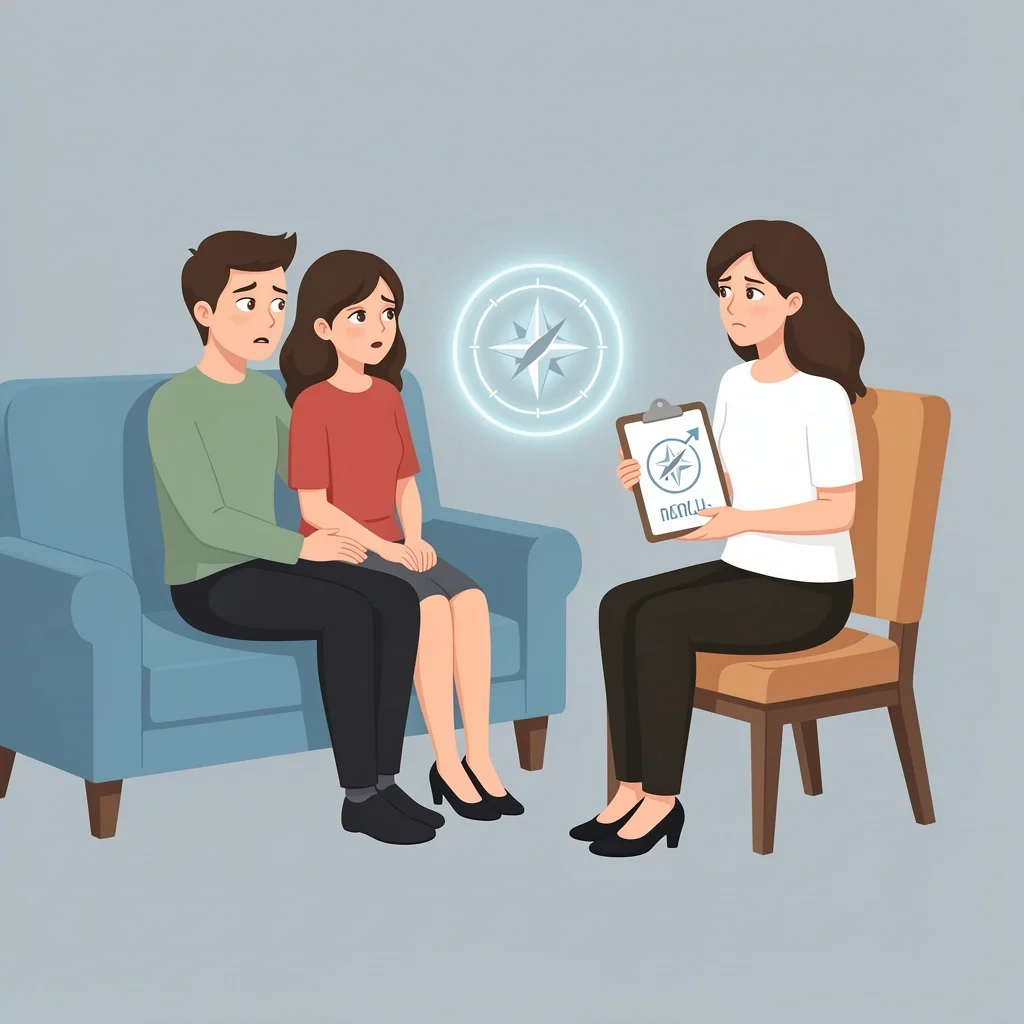
Most couples have never been to therapy. They imagine it like a movie: the therapist listens, everyone cries, and they walk out with solutions. The reality is much different. Knowing what to expect will keep you from quitting after one session.
The Structure of Session One
The first session is mostly information gathering. The therapist will ask about your history, your current living situation, and why you are here. They might meet with you together for the first 20 minutes, then separate you for 15 minutes each, then bring you back together.
You will answer questions like:
- “What is the main reason you two came in today?”
- “When did this issue start?”
- “What have you already tried to fix it?”
- “What do you each hope to get out of therapy?”
The therapist will not solve anything in session one. Their goal is to understand the relationship enough to create a treatment plan.
The Uncomfortable Truths No One Warns You About
Here is what many couples do not expect, and I will be direct about it:
- The silence. The therapist might pause for ten seconds to let you think. That pause can feel like an hour. Resist the urge to fill every silence with meaningless chatter.
- Your partner might bring up something you thought was resolved. Do not react defensively in the moment. Let them speak. You will get your turn.
- You might feel attacked. The therapist will challenge both of you. If you feel singled out, say it. A good therapist will explain why they asked that question.
- You might leave feeling worse than when you arrived. This is normal. The first session opens wounds that you have been covering. It does not mean therapy is failing. It means you are starting real work.
- Do not quit after one session. It takes three to five sessions to build trust with the therapist and start seeing patterns. Give it that much time before you judge whether it is helping.
What Not to Say in Your First Session
Certain phrases can shut down progress before it starts. Avoid these:
- “I have nothing to say, ask him/her.” This signals disengagement. Even if you are nervous, say “I’m nervous” instead.
- “This is all your fault.” Blame shuts down openness. Frame it as “I feel hurt when this happens.”
- “My partner made me come here.” That makes you sound like a hostage. Even if it is true, say “I’m not sure about this yet, but I’m willing to try.”
- “Our problem is XYZ and it’s simple.” Couples therapy is rarely about a single issue. Underneath the surface fight about chores or money is usually a deeper need for respect, connection, or safety.
Keep Preparing Between Sessions

Your preparation does not end after the first appointment. Therapy happens in the days between sessions, when you apply what you learn and notice patterns in real time.
How to Prepare for Session Two and Beyond
After each session, spend five minutes writing down:
- One thing you learned about your partner this week.
- One moment where you reacted differently than usual.
- One thing you want to bring up next session.
If a difficult conversation happens between sessions, write down what you said and how it felt. Share that with your therapist. It gives them real-time material to work with.
Handling the Emotional Hangover
Hard sessions can leave you feeling drained, sad, or angry. Plan for this. After a therapy session, avoid making big decisions for at least 24 hours. Do not rehash the session with your partner in the car ride home — you need time to process. Instead, take a walk alone or listen to calming music. Come back together the next day to talk about what came up.
Signs Therapy Is Working vs. Signs You Need a Different Therapist
Some discomfort is normal. But there are red flags that mean you should switch therapists:
- Taking sides: If the therapist consistently blames one partner and praises the other, that is not helpful.
- Not challenging anyone: If sessions are just polite conversation with no breakthroughs, therapy is wasting your time and money.
- Focusing only on one person’s “faults”: Joint problems usually have two contributors. A good therapist looks at the dance, not just one dancer.
- You feel unsafe: If you feel emotionally attacked or dismissed, trust that feeling. Find someone else.
On the other hand, signs therapy is working include: feeling heard, noticing small shifts in how you speak to each other at home, and having the same argument less often or with less intensity. Progress is slow, but it should be visible after six to eight sessions.
Frequently Asked Questions
What is the 5-5-5 rule in couples therapy?
The 5-5-5 rule is a structured communication exercise. One partner speaks for five minutes without interruption. Then the other partner speaks for five minutes without interruption. Then you take five minutes to respond to each other. It prevents the loudest or fastest talker from dominating and forces both people to listen carefully. Therapists often introduce this after the first few sessions.
Can I go to marriage counseling alone if my partner refuses?
Yes. Individual therapy focused on relationship dynamics can still improve how you communicate, set boundaries, and respond to conflict. Sometimes the changes you make encourage your partner to join later.
How do I know if my therapist is bad?
Red flags include: taking sides, never challenging either partner, focusing only on one person’s mistakes, ignoring safety concerns, or making you feel judged. If you feel worse after every session without any progress over several sessions, it might be time to find another therapist.
What if we have already tried counseling and it did not work?
Ask yourself what went wrong. Was it the therapist’s style? Did you stop too early (after one to three sessions)? Was one partner not committed? Couples who fail with one therapist often succeed with a different therapist or approach. It is worth trying again with more awareness of what to avoid.
Should we write down what we want to say before the session?
Yes. But write notes that focus on your own feelings and needs, not accusations. For example: “I feel lonely when we don’t talk after dinner” is helpful. “You ignore me every night” is not. Use your notes as prompts, not scripts. The therapist will guide the conversation.