
Wedding music serves three purposes at the same time. It sets the mood of the ceremony. It anchors the ritual in a cultural or religious tradition. And it tells the couple’s story through sound. The deepest meaning comes not just from the lyrics, but from how the music fits the moment, the instruments, and what the audience already knows about that song.
I have played at dozens of weddings over the years. What I hear from couples is almost never about chords or tempo. They talk about feeling. They talk about what a song meant to them before they ever got engaged. That personal connection is the real anchor of wedding music meaning.
The History That Most People Miss
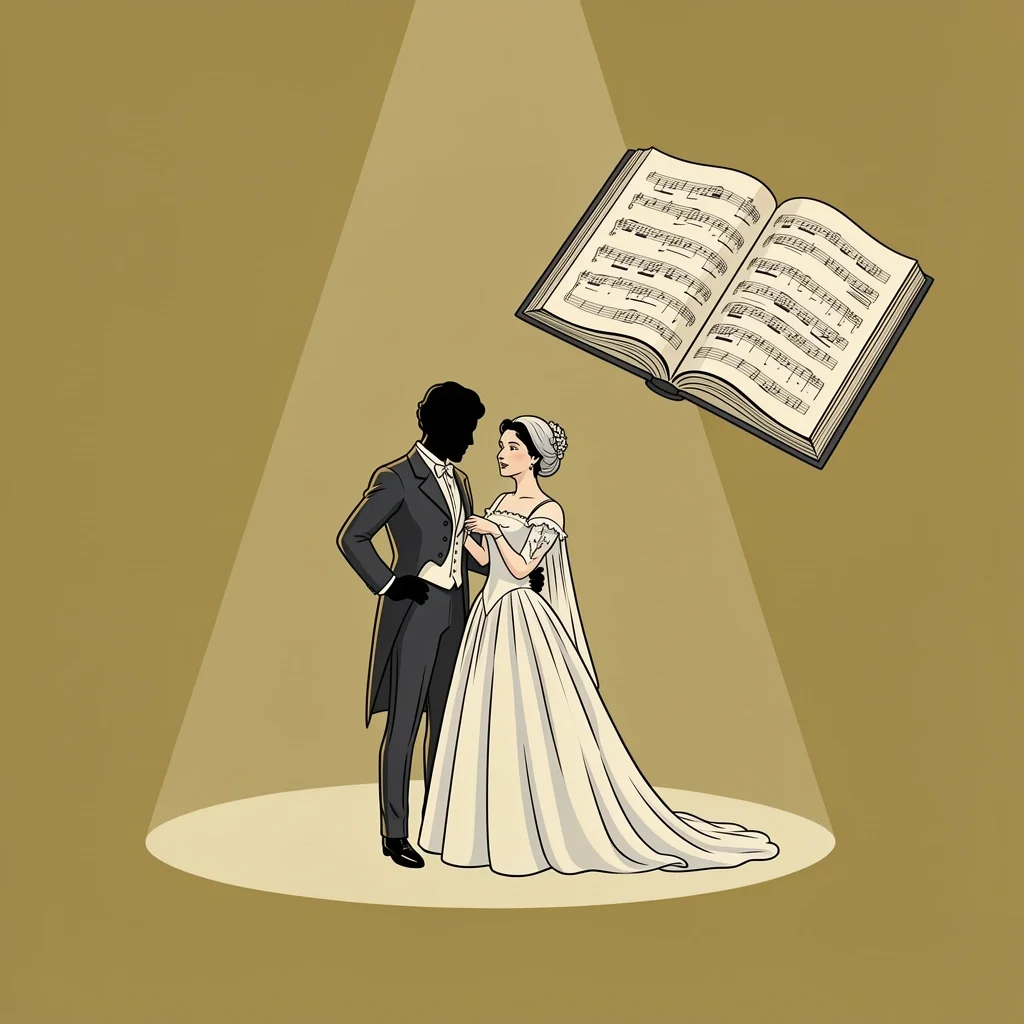
Most couples walk down the aisle to one of two pieces: the “Bridal Chorus” from Wagner’s opera Lohengrin (most people call it “Here Comes the Bride”) or Mendelssohn’s “Wedding March” from A Midsummer Night’s Dream. Neither was written for a real wedding.
Wagner’s piece comes from an opera where the bride is later abandoned. The hero leaves her alone in the castle. That story isn’t exactly romantic. Mendelssohn’s march was written for a play—a comedy about confused lovers. It has nothing to do with a religious ceremony. But both pieces became standard in the 19th century after Queen Victoria’s daughter used Mendelssohn for her own wedding. The tradition stuck.
Knowing this changes how you hear them. It doesn’t make them wrong choices. But the meaning is not what most people assume. The meaning is borrowed from theater, then repurposed into ritual. That act of repurposing is itself meaningful: it says we are taking something from the outside world and making it sacred for our own day.
How Music Actually Works on a Wedding Day
Music affects how we feel, how we remember, and even how we breathe. Slow tempos calm the heart. Rising melodies lift attention. The key of C major feels bright and open, while D minor sounds heavy. These are not opinions. They are psychological patterns that work on almost everyone.
During a wedding ceremony, the brain is already flooded with emotion. Music acts like a handle for that emotion. If you ask someone years later what they remember from a wedding, they will often say the song. Not the exact words of the vows, but the tune that was playing. That is the anchoring effect. The music becomes the memory container.
I once played a solo guitar version of “Somewhere Over the Rainbow” for a bride whose grandmother used to sing it to her. The grandmother had passed away two years earlier. The bride told me later that she couldn’t even walk down the aisle without crying, but she wanted that feeling. The song meant exactly what she needed it to mean: her grandmother was there.
What a First Dance Song Really Says
The first dance is the one moment where music is purely about the couple. No liturgy. No tradition. Just a choice. That choice communicates something.
- Lyrically resonant songs show that the couple has a shared story. A lyric like “I will be your man” or “you are my best friend” is a direct statement. It is obvious and that is fine.
- Uptempo first dances signal celebration over sentiment. They say “we are here to have fun.” They are less common but always memorable.
- Obscure or non-hit songs say something about the couple’s identity. They are not following the crowd. That choice is a kind of inside signal to the guests who know them best.
I have seen couples choose a song that had no lyrics at all. A classical piano piece. An instrumental film score. That is a strong statement. It says the feeling is more important than any written words. It also forces the guests to listen differently. Without a singer telling you what to feel, you have to find the feeling yourself.
Myths About Wedding Music
A few misunderstandings come up again and again. Let me clear them up.
Myth: “Here Comes the Bride” was written for a wedding.
Reality: It was written for an opera that ends with the bride being left behind. Many churches actually discourage or ban it because of that origin and because of its secular, theatrical roots.
Myth: Instrumental music is neutral.
Reality: Instrumental melodies carry cultural weight. Using a love theme from a movie about infidelity is not neutral. Even if no one recognizes it, the couple might. That matters.
Myth: The “Wedding March” is always joyful.
Reality: Mendelssohn’s march was used in a comedy about lovers who are tricked and confused. It is happy, but its original meaning is chaotic. Whether that matters is up to you.
Sacred Versus Secular in Wedding Music
Religious weddings often restrict what music is allowed. Many churches require hymns or organ pieces with approved lyrics. Some allow classical guitar versions of pop songs as long as the lyrics are not sung. Others forbid any music that was not written for worship.
This creates a real tension for couples who want both tradition and personal expression. I have seen couples solve it by choosing a classical arrangement of a secular song that the church accepts. Or by using one set of music during the ceremony and a completely different set at the reception. That split is honest. It recognizes that the ceremony belongs to a community, while the reception belongs to the couple.
How Weddings Outside the West Handle Meaning
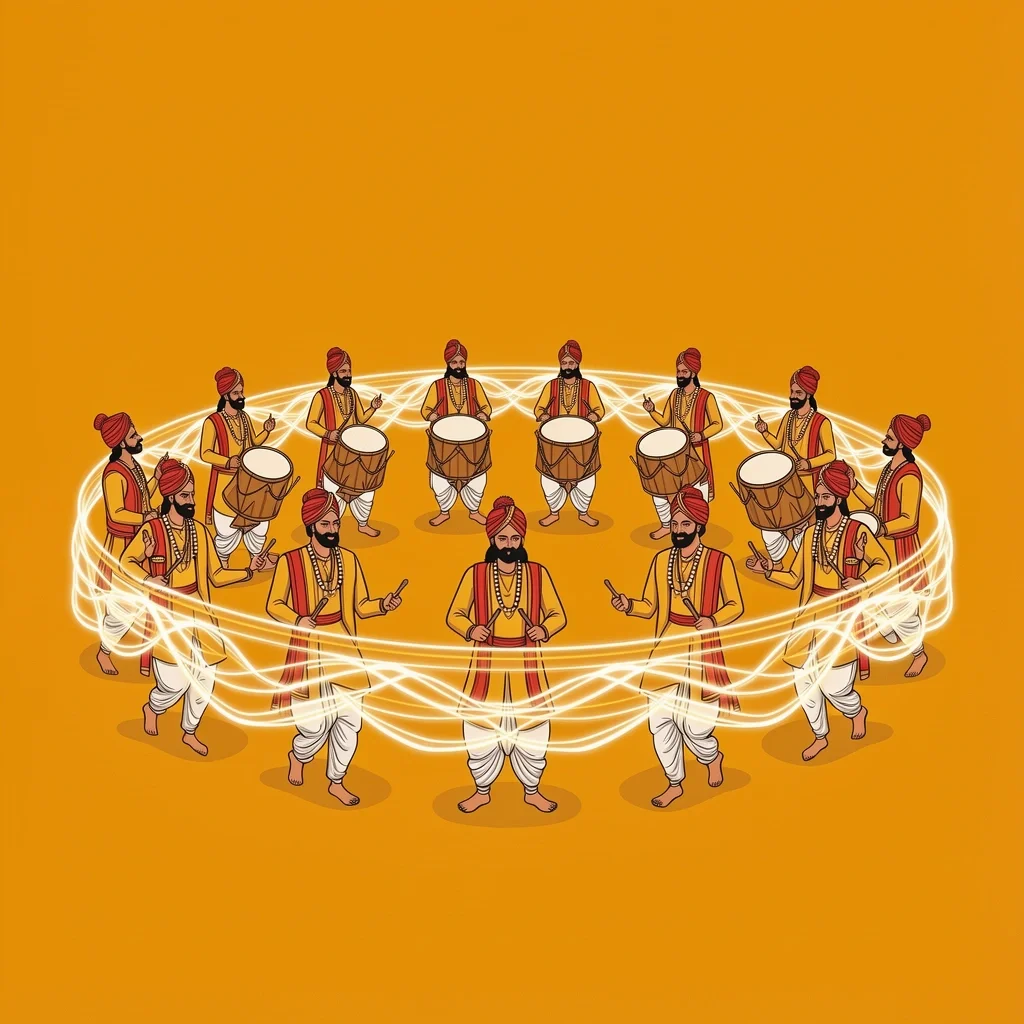
In many cultures, wedding music is not about individual choice. It is about community participation. In Indian weddings, the baraat procession uses drums and dancing. The music is repetitive, loud, and meant to be joined. The meaning is not in the lyrics but in the act of everyone moving together.
In Greek Orthodox weddings, the chanting is ancient and unchanging. The same melodies have been used for centuries. That repetition gives meaning through continuity. The couple is not trying to be unique. They are plugging into something permanent.
Western weddings have borrowed the idea of personal choice from pop culture. That is a trade. You get uniqueness, but you lose the weight of tradition. Neither is better. But understanding the trade helps you choose with your eyes open.
Frequently Asked Questions
What is the meaning of a wedding song?
A wedding song means whatever the couple and their community assign to it. That meaning can come from lyrics, from a shared memory, from cultural tradition, or from the feeling of the music itself. The most meaningful wedding songs are the ones where the couple has a reason that matters to them, not just a popular choice.
Why do some cultures use repetitive music for processions?
Repetitive music creates a trance-like focus. It keeps attention on the ritual and away from distractions. Drone-based music, like bagpipes or tambura, also signals that something important is happening. The repetition is not boring. It is intentional.
Does the choice of live musician versus DJ matter?
Yes. A live musician signals authenticity and intimacy. A DJ signals energy and variety. A live quartet feels formal. A DJ feels flexible. Both are valid, but they send a message about what the couple values.
For couples who want full control and a personal touch, going without a DJ can be a rewarding alternative that truly reflects their unique style.
Can a song’s meaning change if it becomes a wedding song by association?
Yes. At Last by Etta James or “Can’t Help Falling in Love” by Elvis Presley have been used at so many weddings that they now mean “wedding” first and everything else second. That can be a problem if the song originally had a different emotion. It can also be a gift, because the song now carries the weight of all those other happy couples.
Is there a difference between ceremony music and reception music?
Ceremony music is ritual. It guides attention and marks transitions. Reception music is celebration. It encourages movement and social interaction. Mixing them up—playing a fast pop song during the exchange of vows—can confuse the mood. The best weddings respect the difference.
Thanks for sharing. I read many of your blog posts, cool, your blog is very good.
Thanks so much!