
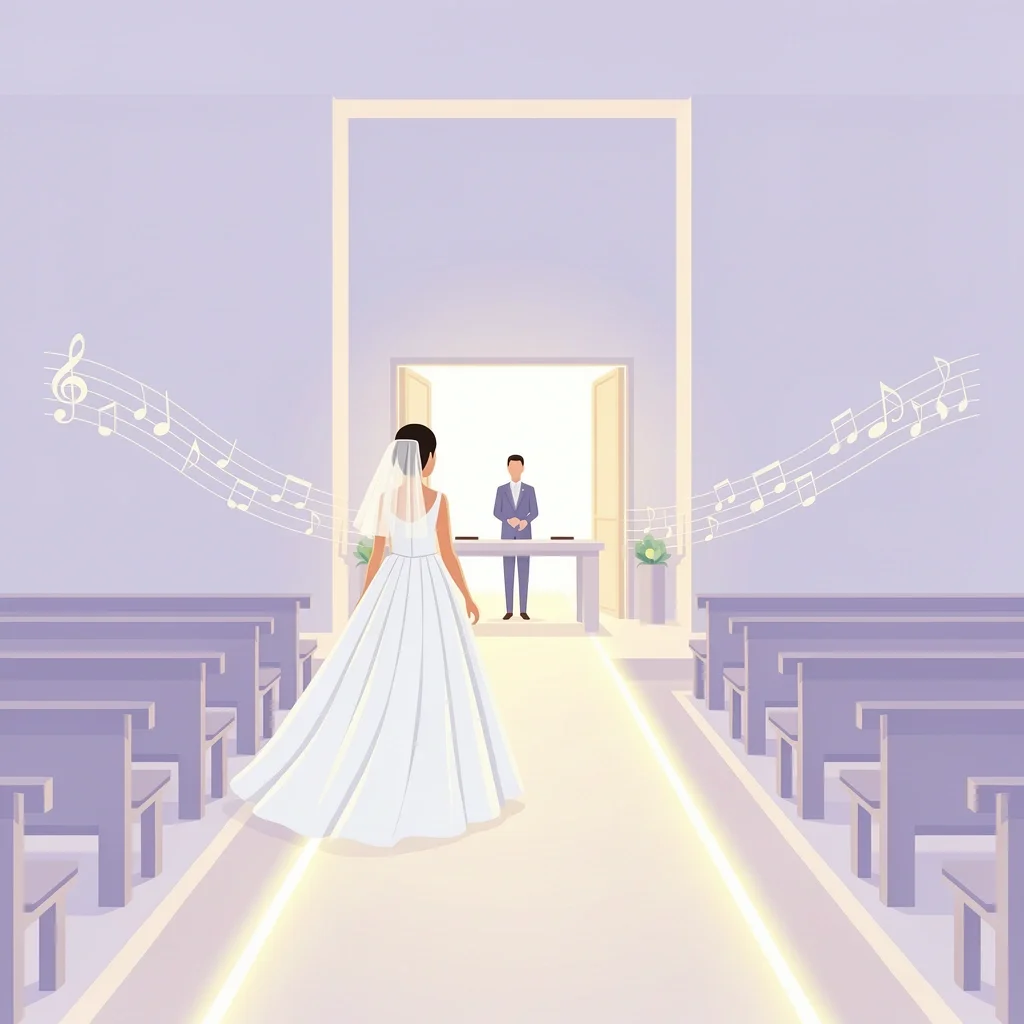
One of the first questions couples ask me after they get engaged is how to find the right songs to walk down the aisle. They send me links to playlists with hundreds of tracks and say, “I have no idea where to start.” I completely understand the feeling. You have one shot at this moment, and the music carries a lot of weight.
I have planned enough weddings to know that the biggest mistake people make is picking a song they love without thinking about how it actually works in the ceremony. A beautiful song can feel completely wrong if it does not match your walking pace or the length of your aisle. And a song you never considered can become the most emotional part of your entire day when you choose it for the right reasons.
Here is how to stop drowning in options and land on the song that actually fits your moment.
The Feeling Comes First, Not the Song

Every couple who has told me they are stressed about choosing their processional music has one thing in common. They started by listening to popular wedding playlists instead of thinking about what they want the moment to feel like. That approach guarantees decision paralysis because you are trying to evaluate songs without a filter.
Before you open Spotify or YouTube, decide which of these emotional tones you want for your entrance. I call them your aisle walk personas.
- Intimate and breathtaking. This is for couples who want a slow, quiet moment. Everyone in the room holds their breath. The music is soft, the tempo is slow, and the focus is completely on your face and your partner’s reaction. Think piano solos or acoustic guitar.
- Triumphant and revealing. This is the classic reveal. The song builds gradually. Your bridal party walks in on a lighter section, and then the song swells exactly as you step into view. Think orchestral builds or cinematic scores.
- Joyful and warm. This is for couples who want smiles and energy. The tempo is brighter, the instruments feel full but not overwhelming, and everyone feels like they are part of a celebration. Think upbeat acoustic covers or folk songs.
- Dramatic and cinematic. This is for couples who want a moment that feels pulled from a film. The music has tension, it has swells, and it might even be a bit unconventional. Think movie soundtracks or classical pieces with strong dynamics.
Write down which persona fits you best. That is your filter. Now when you hear a song, you do not ask, “Do I like this?” You ask, “Does this match the feeling I chose?”
Why Your Venue Changes Everything About Your Song Choice
I have watched couples choose a perfect four-minute song for an aisle that takes twenty seconds to walk. The result is awkward. The bride reaches the altar, the song keeps playing, and the officiant has to either wait or talk over the music. That uncomfortable pause kills the magic.
Here is a simple rule I use with every couple. Measure your aisle length or estimate your walk time. Then pick a song that gives you a thirty-second buffer on each end.
For a typical ceremony where the aisle takes between forty-five and ninety seconds to walk, you need a song that runs between two minutes and thirty seconds and three minutes total. That gives you time to start the song before you appear, time to walk at a natural pace, and time for the song to fade beautifully as you reach your partner.
If you have a long cathedral aisle or a winding garden path that takes over two minutes to walk, you need songs with an instrumental bridge or a long build section. The best songs to walk down the aisle for longer walks are ones that have a clear verse and chorus structure so you can time your entrance to hit the emotional peak right as you arrive.
For a short aisle, you want a song that gets to the point quickly. A slow intro that takes thirty seconds to develop is wasted on a twenty-second walk. Pick a song that starts with the melody immediately or find an edit that cuts the intro short.
The Two-Minute Rule
Most professional wedding planners I know use this rule. Edit your chosen song to be about two minutes long. That is enough time for a comfortable walk, a beautiful fade, and no dead air. You can find simple audio editing apps that let you trim the intro and end the song at a natural stopping point. Do not leave this to chance on the day.
The Triptych Method: Three Musical Moments in One Ceremony
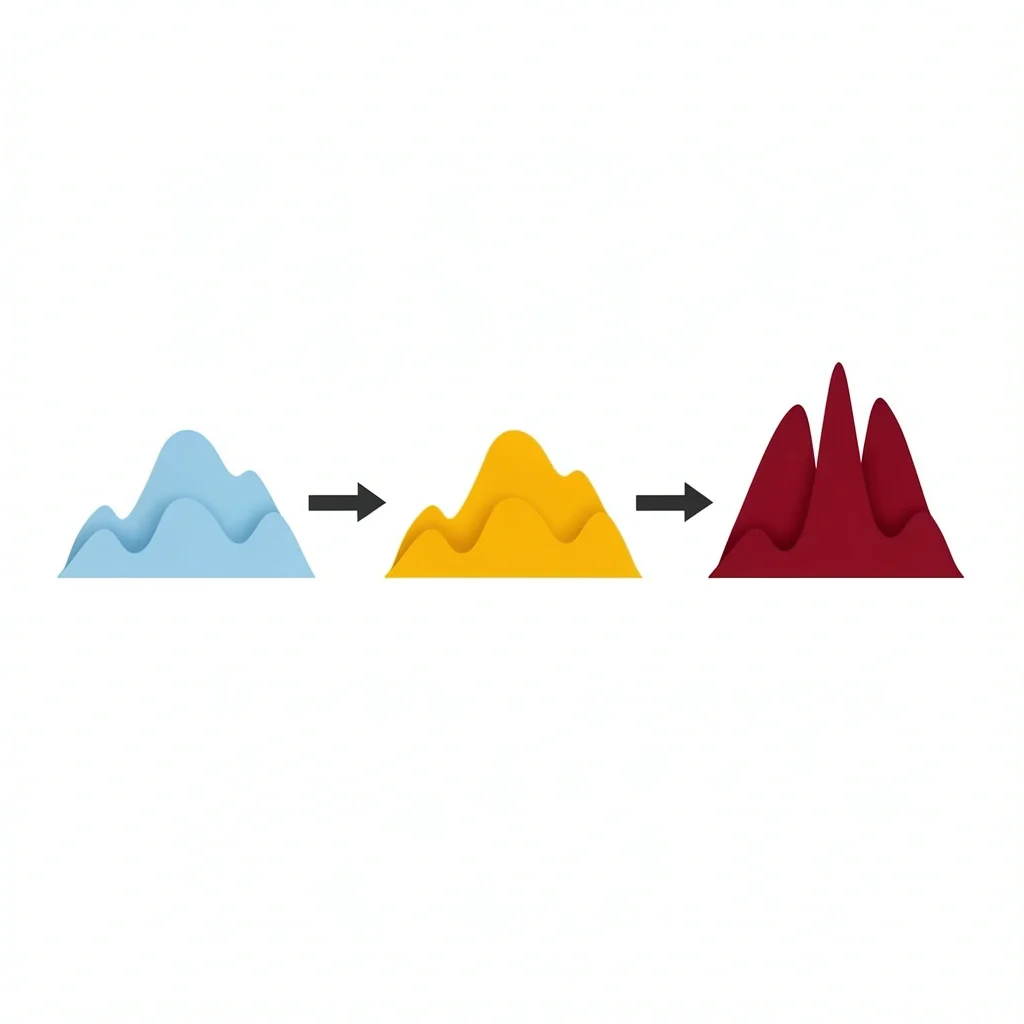
One of the best ways to separate your ceremony from the crowd is to stop treating the processional as one single musical event. Professional planners break the ceremony into three distinct phases. Each phase has a different musical job.
The gathering or seating phase. This is the music playing while guests arrive and settle in. It should be low, ambient, and unobtrusive. You want people to feel relaxed and welcome, not overwhelmed. Think piano covers of familiar songs or soft classical pieces. This music sets the mood without demanding attention.
The processional for the bridal party. This is the music that plays as your bridesmaids, groomsmen, and any other attendants walk in. It should be slightly brighter and have more energy than the gathering music, but it should not steal focus from the main event. Think acoustic versions of songs or instrumental tracks that feel warm and inviting. This is also a good place to use a song that has meaning for your bridal party or your family.
The bridal entrance or reveal. This is your moment. The song changes here. Either you switch to a completely different track, or you let the same song build into a more intense section. The emotional job of this song is to make everyone in the room gasp or tear up. This song should be slower, more intimate, and perfectly matched to the feeling you chose earlier.
I have seen couples use one song throughout the entire processional. That works too, but only if the song has a clear build that naturally lands as the bride appears. If your song stays at the same volume and tempo for four minutes, it feels flat. You need a moment of escalation.
30 Essential Songs Organized by Emotional Job Function
Instead of giving you another overwhelming list, here are carefully chosen options that each serve a specific purpose. Every song here has been tested in real ceremonies. I have included the job it does, the approximate length, and why it works.
Eight Songs for the Bridal Reveal (When You Want Everyone to Gasp)
These songs are meant to stop time. They are slow, intimate, and perfect for that moment when the doors open and the groom sees you for the first time.
| Song | Artist | Why It Works | Approx. Length |
|---|---|---|---|
| Turning Page | Sleeping At Last | The piano intro is soft enough for the first five seconds, then the strings build exactly as you would step into view. The crescendo hits at about the sixty-second mark, which is perfect timing for most aisle walks. | 3:15 |
| I Get to Love You | Ruelle | The first thirty seconds are sparse and intimate. The drums and full instrumentation kick in around the forty-five second mark. This gives you a natural reveal point. Use the first thirty seconds for the start of the walk and time the full sound to hit when you reach the altar area. | 3:00 |
| Ordinary | Alex Warren | The chorus has a distinct pause before the final line. Many wedding planners in Australia recommend timing the bride’s entrance so she appears right as that pause hits. It creates a breathtaking moment of silence before the final declaration. | 3:15 |
| Heather (Instrumental) | Conan Gray | The instrumental version removes the lyrics and keeps the emotional core. The melody rises and falls in a way that feels both tender and powerful. Perfect for couples who want the song’s vibe without the narration. | 3:20 |
| Romeo and Juliet (Instrumental) | Dire Straits / Vitamin String Quartet | The string version of this classic has a long, gorgeous build. It gives you plenty of time to walk and still feel like the music is carrying you forward. The emotional peak comes late in the song, so it works best for longer aisles. | 4:00 |
| Ave Maria | Schubert (any classical recording) | This is the gold standard for traditional ceremonies. The melody is instantly recognizable and deeply emotional. It works in religious and secular settings equally well because the beauty transcends any specific meaning. | 2:45 |
| Can’t Help Falling in Love (Kina Grannis version) | Kina Grannis | The acoustic guitar and soft vocals make this one of the most popular songs for bridal entrances. The tempo is slow enough for a comfortable walk, and the lyrics are universally recognized as romantic without being too specific. | 3:10 |
| Time | Hans Zimmer (Inception soundtrack) | Yes, it is from a movie about dreams, but the emotional weight of this piece is undeniable. The slow piano build into a full orchestral swell is pure cinematic magic. Use it if you want a non-traditional, non-religious, and non-lyrical option that still feels huge. | 4:35 (edit to 2:30) |
Twelve Songs for the Full Aisle Walk (Instrumentals and Cinematic Options)
These songs are longer and have clear structural sections. They work for the entire processional, including your bridal party, and they give you a natural moment to switch tempo or energy for the bride’s entrance. All of these are instrumentals, which means no lyrics to distract from the visual moment.
| Song | Artist | Why It Works |
|---|---|---|
| River Flows in You | Yiruma | This piano piece is the most requested instrumental processional in my experience. It is soft, steady, and endlessly romantic. The tempo is perfect for walking. It works for any aisle length because you can simply fade it out whenever you need to. |
| Glasgow Love Theme | Craig Armstrong | From the movie Love Actually, this string piece has a sweeping, emotional quality that feels both hopeful and tear-inducing. It builds slowly, so it is better for longer aisles or for ceremonies where you want a gradual emotional rise. |
| Canon in D | Pachelbel | The classic. Every wedding musician knows how to play it. The layered structure means you can start it softly for the gathering and let it build naturally as the processional begins. There is a reason this song is played at almost half of all weddings. |
| Arrival of the Queen of Sheba | Handel | This is for the dramatic and triumphant persona. The fast strings create a sense of celebration and importance. It works best if you want a short, punchy entrance that makes everyone sit up and smile. |
| Gabriel’s Oboe | Ennio Morricone | The solo oboe melody is hauntingly beautiful. It is intimate and personal, which makes it perfect for smaller ceremonies or outdoor settings. The tempo is slow and deliberate, which forces you to walk at a relaxed, elegant pace. |
| Butterfly Waltz | Brian Crain | This piano waltz feels like a gentle dance. The light, airy melody suits spring weddings and outdoor ceremonies. It is not as heavy as some of the classical options, which makes it a good choice for a joyful and warm persona. |
| The First Time Ever I Saw Your Face (Instrumental) | Vitamin String Quartet | The original song is already slow and emotional. The string version strips away the vocals and leaves the raw emotional melody. It builds at the right pace for a medium-length aisle. |
| Merry-Go-Round of Life | Joe Hisaishi (Howl’s Moving Castle) | This anime soundtrack piece has gained massive popularity for weddings. The melody is instantly recognizable to fans, but it is also beautiful enough to stand on its own. The orchestral build is dramatic without being overwhelming. |
| Air on the G String | Bach | Smooth, elegant, and timeless. This piece has a calm, flowing quality that works perfectly for the gathering phase or the entire processional. It does not have a dramatic build, so it is better for intimate ceremonies where you want the focus on the faces, not the music. |
| Highland Cathedral | Various Artists | This is a favorite for couples with Scottish or Celtic heritage. The bagpipes or orchestral versions both work. The melody is hugely emotional and builds to a powerful finale. It needs a longer aisle to do justice to the build. |
| The Secret Wedding | David Arkenstone (from Braveheart) | Another piece that works for a dramatic, cinematic feel. The solo violin carries the emotional weight, and the backing instruments fill out the sound without overpowering. It feels like a secret moment, just between the two of you. |
| Rhapsody on a Theme of Paganini | Rachmaninoff (18th variation) | This is the piece from the movie Somewhere in Time. The piano and orchestra create a sweeping, romantic sound that feels vintage and timeless. It is one of the most beautiful classical pieces ever written for a romantic moment. |
Ten Songs for the Non-Lyrical Romantic (When You Want the Feeling Without the Words)
Some couples want a modern song but do not want lyrics to distract from their entrance. These are instrumental covers or soundtracks that give you the feeling of a popular song without the narration. They are also the best options if you want the music to blend into the background of your ceremony but still feel personal.
| Song | Artist | Why It Works |
|---|---|---|
| Lover (Instrumental) | Vitamin String Quartet or similar | This Taylor Swift song has a waltz tempo that is perfect for walking. The instrumental version keeps the nostalgic, romantic feel while letting you be the center of attention. The melody is recognizable but not overpowering. |
| A Thousand Years (Instrumental) | Piano or String Cover | One of the most popular wedding songs of the last decade. The instrumental version removes the Christina Perri vocals and leaves the sweeping piano and strings. The build in the chorus is still there, which gives you a natural dramatic moment. |
| Perfect (Instrumental) | Acoustic Guitar Cover | Ed Sheeran’s song is already written like a wedding vow. An instrumental version on acoustic guitar is intimate, warm, and understated. It works best for small ceremonies or beach weddings. |
| All of Me (Instrumental) | Piano Cover | John Legend’s song is another wedding staple. The instrumental version keeps the emotional chord progression without the lyrics. It is slower than the original, which helps with walking pace. |
| Somewhere Only We Know (Instrumental) | Piano | This Keane song has a nostalgic, bittersweet quality that works beautifully for couples who have a long history together. The instrumental version highlights the melody without the slightly sad lyrics. |
| Can’t Help Falling in Love (Instrumental) | Acoustic Guitar | You can use the Elvis version or a modern instrumental cover. The instrumental version lets you have the familiar melody without the famous vocals taking center stage. It is universally recognized and loved. |
| Halo (Instrumental) | String Quartet Cover | Beyonce’s power ballad works surprisingly well as a string piece. The build from soft to powerful mirrors the emotional arc of your entrance. It is a good option for a dramatic and triumphant persona. |
| Make You Feel My Love (Instrumental) | Piano or Guitar Cover | Adele’s version or the original Bob Dylan version both work. The instrumental version takes the raw emotion and leaves the lyrics behind. It feels personal and sincere. |
| At Last (Instrumental) | Jazz Piano or String Cover | Etta James’ classic is a must for many couples. The instrumental version keeps the same romantic, vintage feel. It is slower and more elegant than the original, which helps with walking pace. |
| Over the Rainbow (Instrumental) | Israel Kamakawiwo’ole style / Ukulele Cover | If you want a joyful, warm, and slightly unconventional feel, this is a perfect choice. The simple ukulele or piano melody is instantly uplifting. It works best for outdoor or casual ceremonies. |
The Secret to a Professional Sounding Ceremony: The Fade and The Surge
I have been to enough weddings where the music stops abruptly because no one planned the ending. The bride reaches the altar, and the song is still at full volume. The officiant stands there awkwardly waiting for it to end. Or the DJ starts lowering the volume in the middle of a beautiful note, and it sounds clumsy.
If you’re considering handling the music yourself, a complete guide to wedding music without a DJ can help you avoid these pitfalls.
Here is what professional planners know that most couples do not. You need to edit your song to have two specific moments.
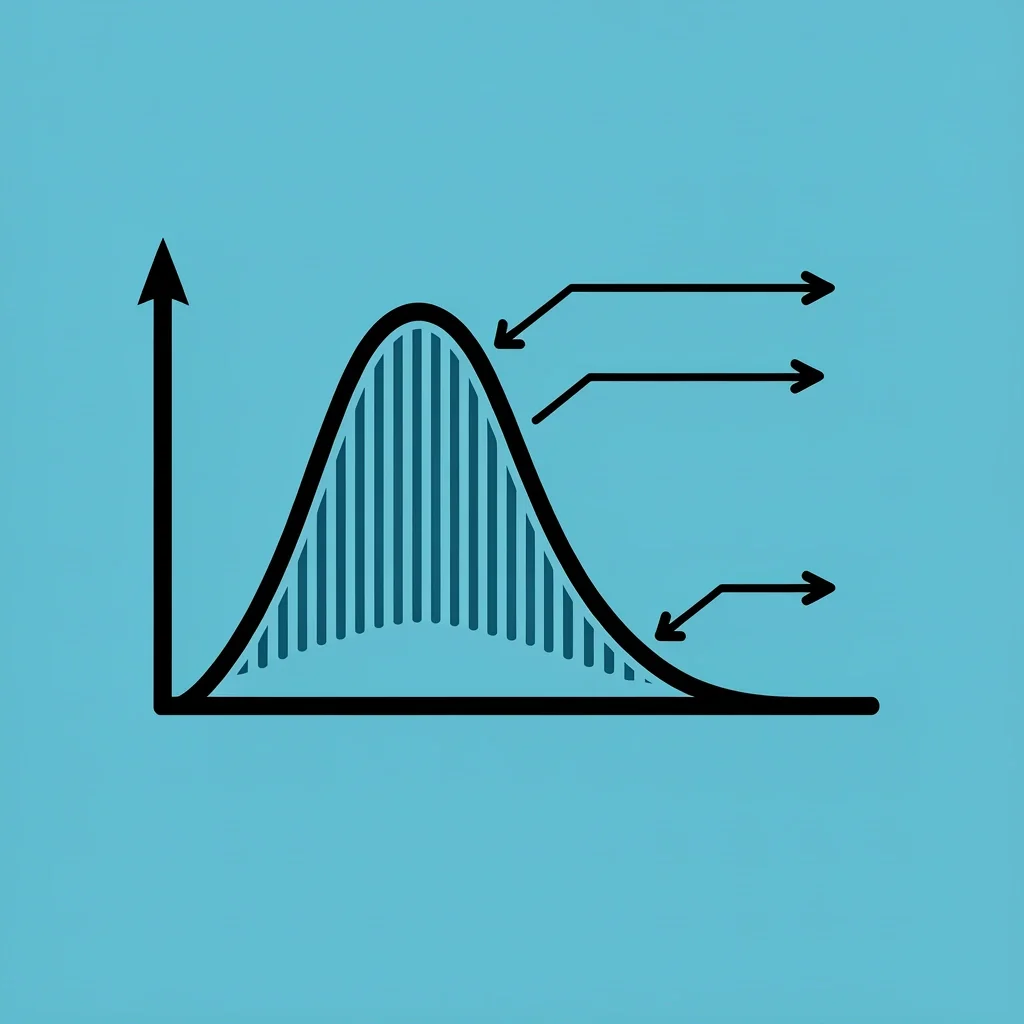
The fade. Your song should have a natural ending that lowers in volume over the last ten to fifteen seconds. When you reach the altar, the music should feel like it is gently setting the moment down, not slamming it shut. You can create this fade in any audio editing software by lowering the volume over the final seconds. Or you can choose a song that already ends softly.
The surge. The opposite happens at the beginning. You do not want the song to start at full volume. It sounds jarring. The music should surge in gradually over the first five to ten seconds. This gives you time to start walking without the music overpowering the moment. It also lets your guests register the song without being shocked by it.
The Tempo Rule for Walking Comfortably
One thing I see couples struggle with is walking to the beat. If the song is too fast, you look rushed. If it is too slow, you look hesitant. The ideal tempo for walking down the aisle is between 70 and 85 beats per minute. That is a slow, comfortable walk that allows you to breathe, smile, and make eye contact with your guests and your partner.
If your favorite song is faster than 85 BPM, look for an acoustic or slowed-down cover. Most popular songs have at least one slowed version available online. This simple change fixes the rushed feeling and makes the moment feel more elegant.
The Final Fifteen Seconds Are the Most Important
When you reach your partner, the music is still playing. Those final fifteen seconds are when the emotional handoff happens. The song should be at its quietest or at its most resolved when you step into place. This hands the emotional energy over to the officiant and to the two of you. If the song is still building or in the middle of a loud chorus, the moment feels unfinished.
Test this. Put your chosen song on. Have someone time your walk. When you reach your imaginary altar, listen to what the song is doing. If it is in a loud, intense section, that is not ideal. If it is fading or resolving into a gentle note, that is perfect.
You can edit the song to end at exactly the right point. Cut it off at a natural pause or a held note. Do not let the song dictate your moment. You dictate the song.
Final Advice from Someone Who Has Done This Before

The best songs to walk down the aisle are not the most popular ones on Spotify. They are the songs that fit your specific ceremony, your specific personality, and your specific venue. The most beautiful moment I ever saw was a couple walking down a garden path to a simple acoustic version of a song they heard on their first date. It meant nothing to anyone else. It meant everything to them.
Stop trying to please everyone. Stop worrying if your song is trendy enough or traditional enough. Trust your gut, test it with your actual walk time, and edit it so the beginning and ending feel seamless. When you do that, the music becomes invisible. It does not distract. It carries you. And that is the whole point.
Frequently Asked Questions
What song do most brides walk down the aisle to?
Can’t Help Falling in Love by Kina Grannis is currently the most popular choice for bridal entrances. A Thousand Years by Christina Perri and Turning Page by Sleeping At Last are very close behind. For classical options, Pachelbel’s Canon in D remains the most requested piece.
Which song is best for bride entry?
The best song for a bride’s entry depends on the feeling you want. For an intimate, tear-jerking moment, choose Turning Page by Sleeping At Last. For a triumphant, cinematic reveal, choose a piece like Time by Hans Zimmer. For a joyful, warm entrance, choose an acoustic cover of Lover by Taylor Swift. Match the song to the emotional persona you chose earlier.
What are the top 10 wedding songs?
The most consistently requested wedding processional songs are: 1. Canon in D – Pachelbel, 2. Can’t Help Falling in Love – Kina Grannis, 3. A Thousand Years – Christina Perri, 4. Turning Page – Sleeping At Last, 5. All of Me – John Legend, 6. River Flows in You – Yiruma, 7. Somewhere Only We Know – Lily Allen (or instrumental), 8. Over the Rainbow – Israel Kamakawiwo’ole, 9. At Last – Etta James, 10. Perfect – Ed Sheeran.
What is the most beautiful wedding song?
Beauty is subjective, but the song that consistently makes guests cry is Turning Page by Sleeping At Last. The combination of the piano melody, the building strings, and the vulnerable lyrics about finding someone who feels like home creates an emotional reaction in almost everyone who hears it during a ceremony.
How long should my wedding processional song be?
Ideally between two minutes and thirty seconds and three minutes. This gives you time to start the song, walk at a comfortable pace for up to ninety seconds, and have a beautiful fade as you reach the altar. If your aisle is very long or very short, adjust accordingly.
Can I walk down the aisle to a song with lyrics?
Yes, but only if the lyrics are personal and meaningful to you. If the lyrics tell a story that matches your relationship, they can make the moment even more powerful. If the lyrics are generic love song lyrics, they compete with your visual presence. In that case, an instrumental version is usually stronger. The exception is when the lyrics are so well-known that they have become part of the collective wedding vocabulary, like Can’t Help Falling in Love.
What is the best non-religious, non-love song alternative?
The best option is cinematic scores. Time from Inception, Merry-Go-Round of Life from Howl’s Moving Castle, or Gabriel’s Oboe from The Mission are all instrumental, non-religious, and do not contain love song lyrics. They convey pure emotion without any narrative. Instrumental covers of pop songs from the Vitamin String Quartet are another excellent option.
Do I need a different song for my bridesmaids and my entrance?
You do not need to, but it often creates a more dramatic moment. Using one song for the bridal party and switching to a different, more intimate song for the bride’s entrance signals to your guests that the main event is about to happen. The change in music makes everyone look up and pay attention. If you want to use one song, make sure it has a clear build or a section change that you can time to your entrance.
What if I want something unique that no one has heard before?
Look at indie folk artists, movie soundtracks that are not from popular blockbusters, or classical pieces that are not the typical wedding standards. Consider acoustic covers of songs from bands you love. An instrumental version of a song by Bon Iver, Fleet Foxes, or The Paper Kites can feel completely unique while still being accessible. The key is to test it at your venue’s walk time to make sure it works logistically.