
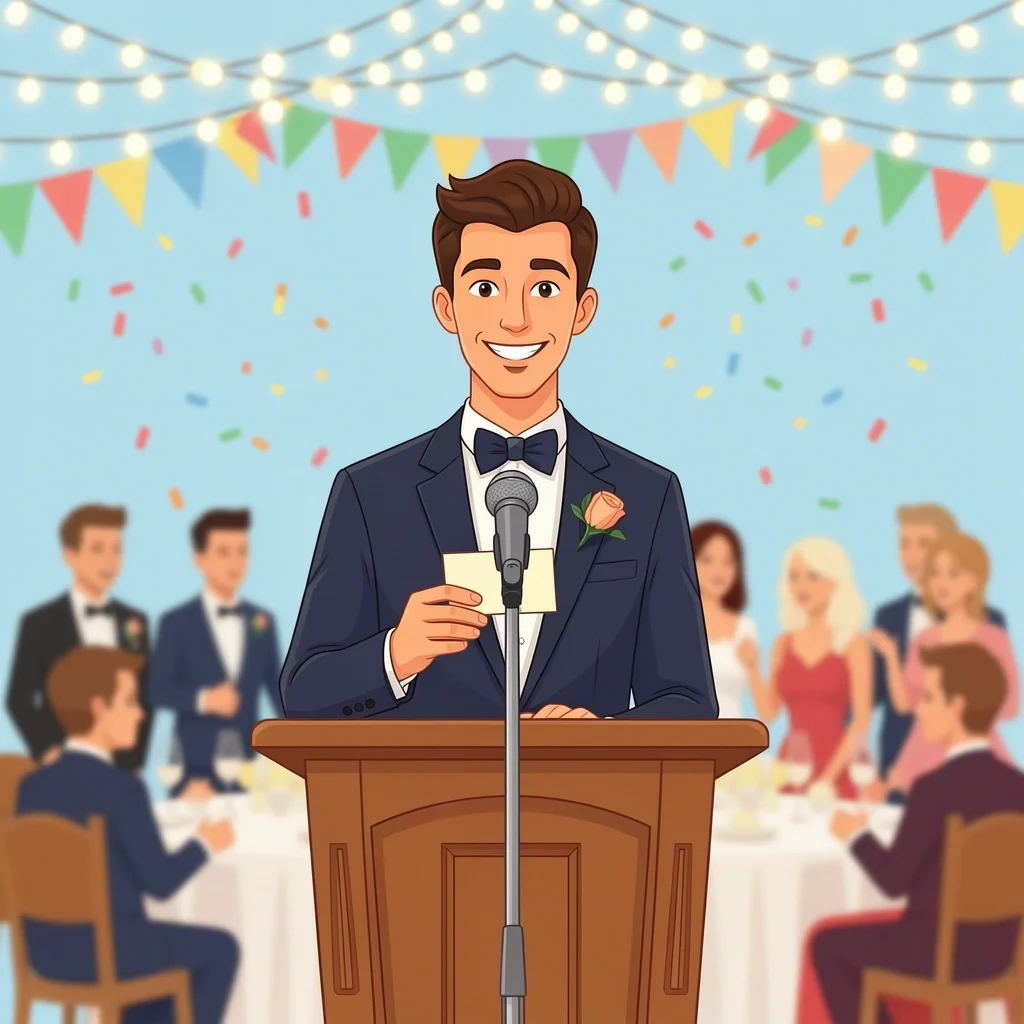
You just got asked to be the best man. Your first thought was an honor. Your second thought was pure panic about the speech.
Let me stop you right there. You do not need to be funny. You do not need to memorize anything. You do not need a perfect story about a wild night in Vegas.
The single most important thing your best man speech needs is something you already have: a specific, real detail about your friendship that only you can tell.
That is it. The rest is just structure. And I will show you exactly how to do it.
Reframing the goal helps you calm down

Here is the truth nobody tells you. The audience is rooting for you. Every single person in that room wants you to do well because they want the day to go smoothly. You start with an open goal.
The only real failure is being offensive or boring. If you show up with genuine affection and effort, people will forgive shaky hands and forgotten words.
So drop the idea that you have to be the funniest person in the room. Your job is simpler than that. You are there to connect the couple to the audience through real details. That is it.
Think of your speech as a permission slip. You are giving everyone permission to laugh, to feel something, and to raise a glass together. When you focus on that, the pressure to perform fades.
Mining for stories when you think you have none
Most guides tell you to write down funny stories. That is useless if you sit there thinking, We just play video games and order pizza.
So skip the blank page. Use a prompt pyramid instead. It works because it gives you a clear ladder to climb from obvious details to golden nuggets.
The prompt pyramid for digging up material

Base level: the obvious. How did you meet? What hobby do you share? Where did you grow up together? Write down one or two quick facts about each.
Mid level: the revealing. Think of a time he failed at something. A time he showed unexpected kindness. A habit that defines his character. Maybe he always shows up late. Maybe he always pays for the first round. These little behaviors say more than any grand story.
Apex level: the golden nugget. This is the single moment when you realized he was the right person for the bride, or when you knew he was a true friend. It does not need to be dramatic. It just needs to be true.
This same concept is key when writing wedding vows that sound like you. A truthful, specific memory can make your vows unforgettable.
The story transmutation technique

What if you still have nothing interesting? Use this trick. Take a boring fact and turn it into a narrative by focusing on behavior.
Example: We play golf every Saturday. That is dull. Now focus on behavior: For ten years I have watched him hilariously fail to cheat at golf. He tries to move the ball with his foot when nobody is looking. It never works. That taught me one thing. He is painfully, adorably honest. And that is exactly why I know he will be a faithful husband.
See what happened? A boring fact became a small story with a point. You can do this with anything.
The hidden structure that makes you seem funny
Forget the rigid template that forces you into intro, story, toast. Real speeches breathe. They move in a rhythm that feels natural to listen to.
I call it the two-act rhythm. It works because it mirrors how people actually talk and listen.
Act one: the warm-up
Open with something quick that releases tension. A self-deprecating joke about being a bad public speaker works well. A simple observation about the venue or the couple also works. Keep it under thirty seconds. Your only goal here is to make the audience take a breath with you.
Act two: the emotional C-rest
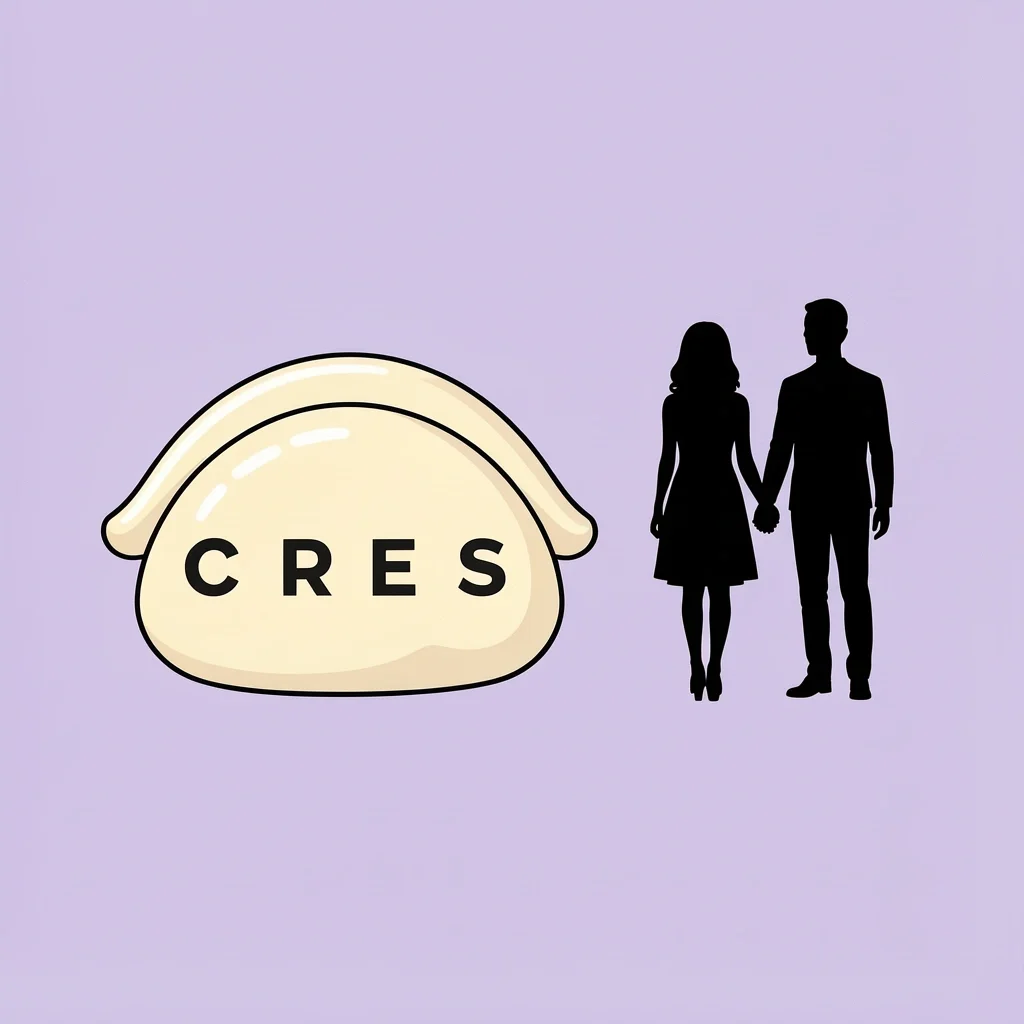
This is the meat of your speech. Use this sequence once for each story or point.
C for comedy. Tell a short funny story about the groom. Keep it clean enough for grandma.
R for respect. Pivot to the bride. Talk about her positive impact on him. How she changed him for the better.
E for emotion. Say one sincere line about their future. Something simple like, I have never seen him this happy.
S for state. End the section with the toast line itself. To the bride and groom.
Think of it like a dumpling. Wrap the meaty emotional core in a light funny shell. That makes it easy for the audience to swallow.
How to actually deliver without fainting
You have the words. Now you need to get them out of your mouth without dying on stage. Here are the practical moves that work.
The anchor text trick
Do not memorize the whole speech. That takes way too much time and adds stress. Instead, memorize only the first and last sentence of each paragraph. The middle you can paraphrase or read from your script. That way you sound natural at the open and close, but you never get lost.
What to do when the mic fails
If the microphone dies, do not panic. Stop for a second. Then say something like, Well, I guess we are doing this old school. Tell a quick joke. The audience will lean in because they have to work to hear you. You just became a campfire storyteller. That is actually more intimate and memorable than perfect amplification.
Print your speech with stage directions
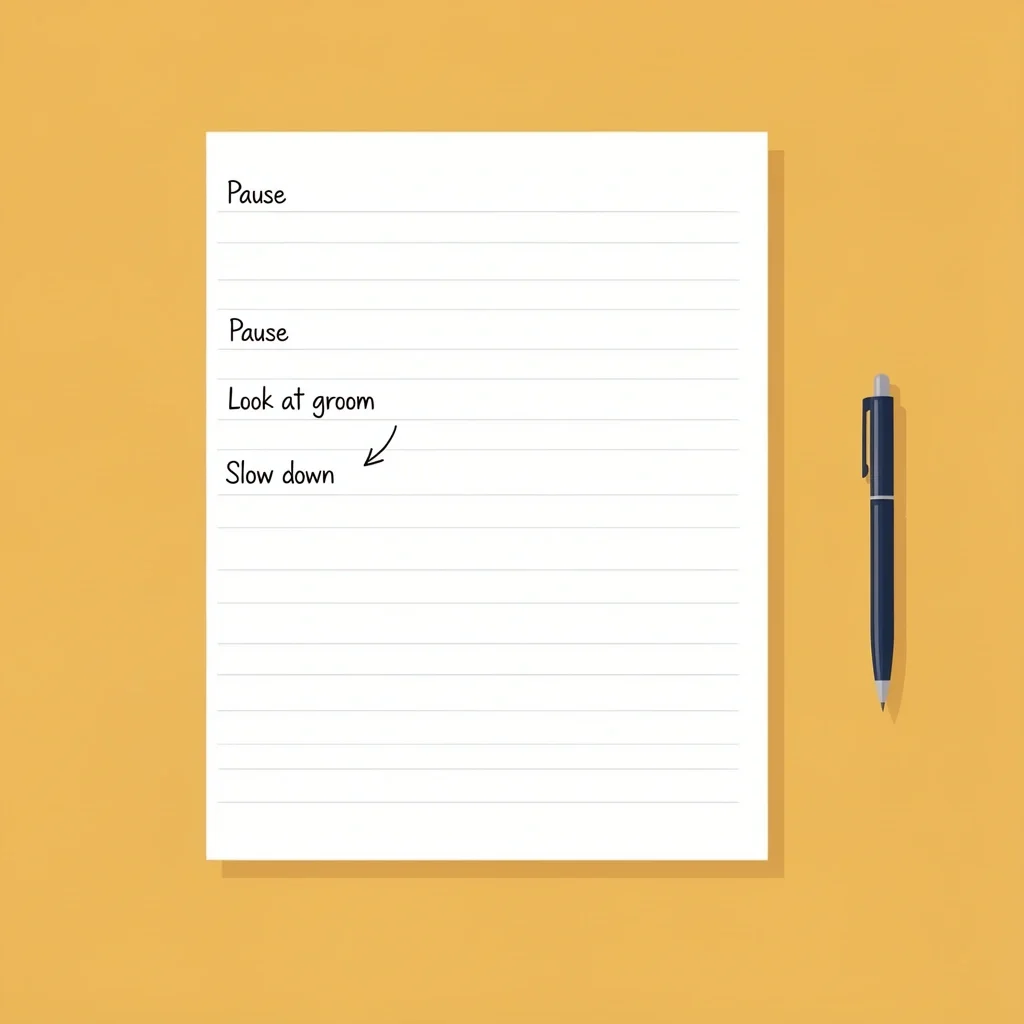
Do not just print the words. Add notes in the margin that tell you what to do. Write things like Pause for laugh or Look at groom or Slow down here. These reminders keep you from rushing and help you land your moments.
The emergency kit for when things go sideways
Every best man speech faces something unexpected. Here is how to handle the most common disasters without melting down.
Handling a heckler

Someone from the back yells something. Do not ignore it. That makes it awkward. Instead, smile and say, Glad to see the open bar is working. Then move on immediately. Do not engage further. The audience will laugh with you and forget it happened.
When you cry
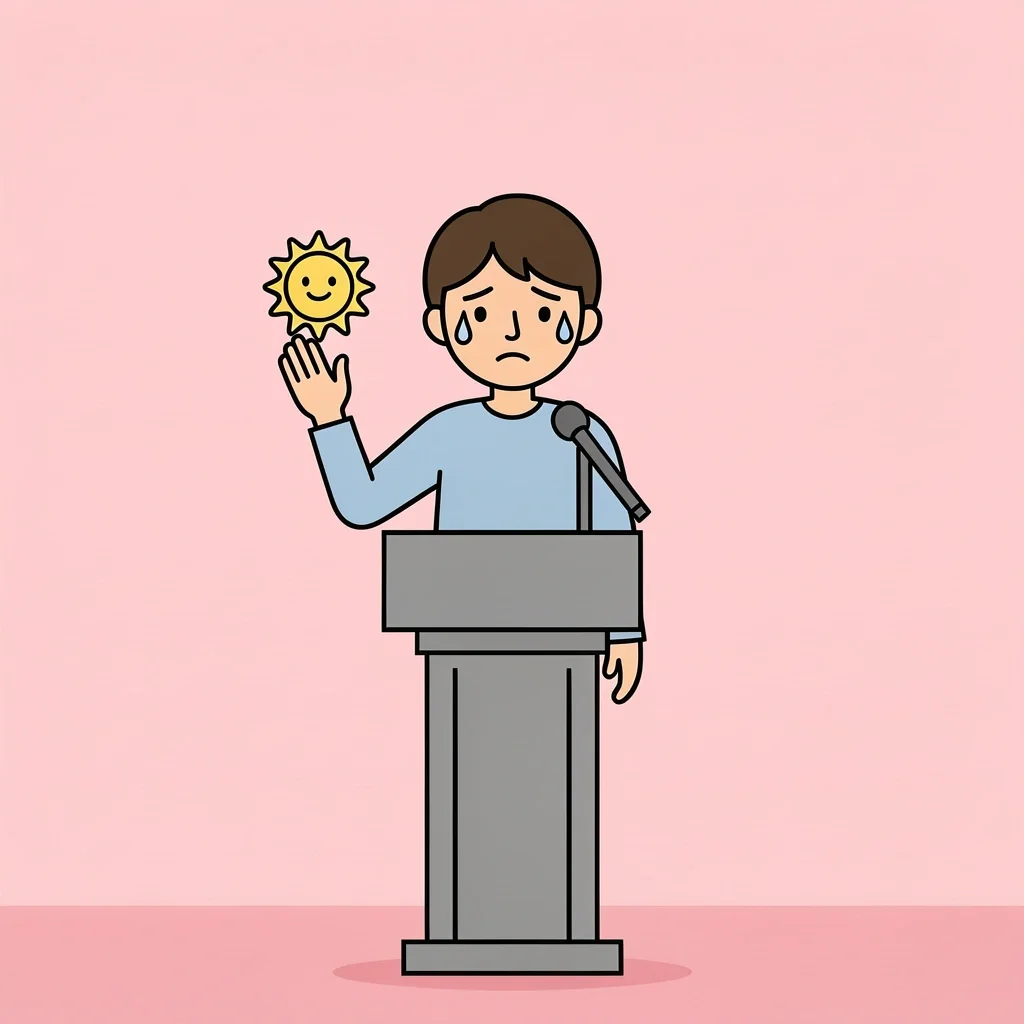
You get choked up. It happens. Pause. Take a breath. Swallow. Then say, You know a speech is going well when it makes even your own eyes sweat. The audience will love you for it. They will feel the emotion with you.
When you blank
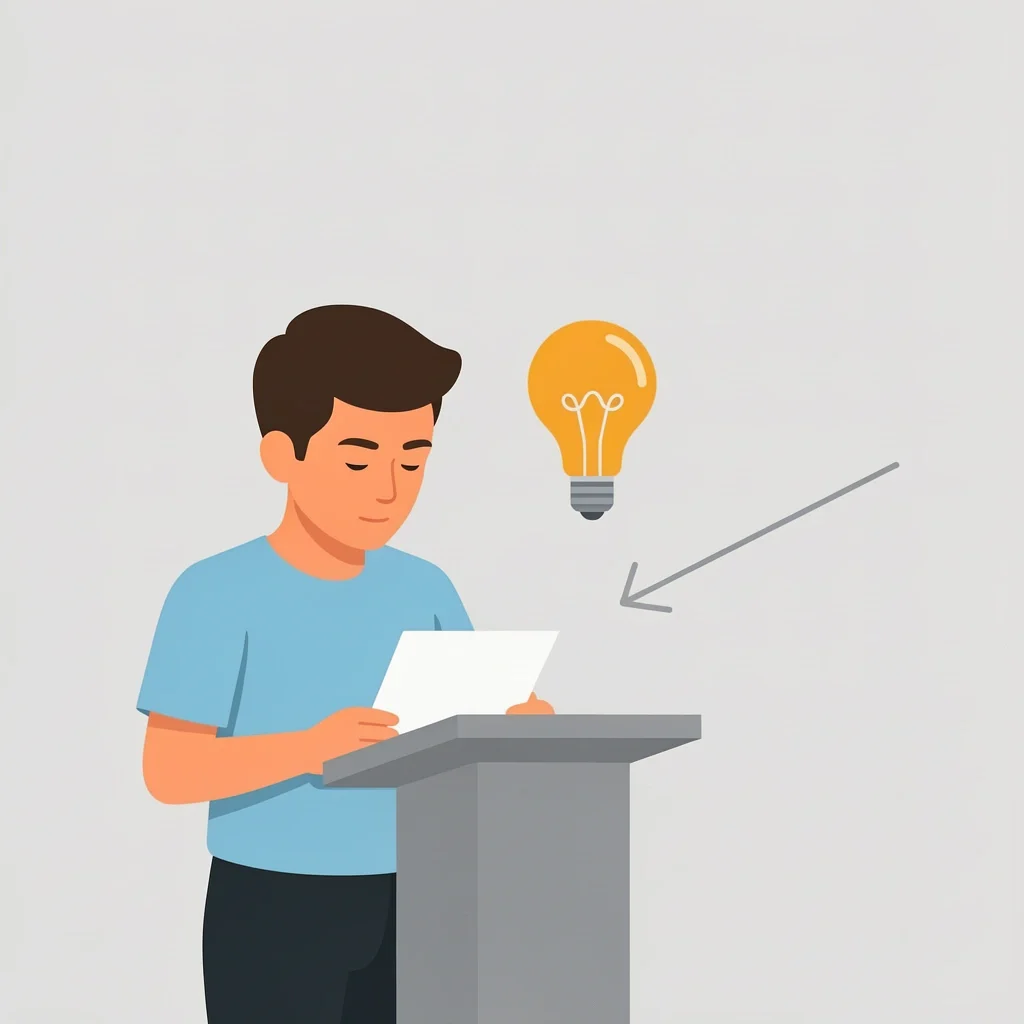
You lose your place. Keep your script in your hand. Look down calmly. Find the next sentence. Read it slowly. The audience only knows you messed up if you act like you messed up. If you stay relaxed, they stay relaxed.
Frequently Asked Questions
What is the perfect length for a best man speech?
Three to five minutes. Any longer and you lose the audience, especially after a few drinks. Time yourself when you practice and cut anything that does not serve the main point.
Can I make jokes about the groom’s exes?
No. This is a hard rule. It makes everyone uncomfortable, including the bride. Avoid any reference to past relationships unless the groom explicitly says it is okay.
Do I have to toast the bridesmaids?
No. That is the groom’s job. You toast the couple only.
Should I mention the groom’s dead parent or family drama?
Only if the groom has asked you to do it. Otherwise it is a trap that can derail the mood. Stick to positive topics about the couple.
Is it okay to use a prop?
Rarely. Only if it is incredibly simple and you are a naturally theatrical person. A prop that fails is a disaster. If you are not sure, leave it out.
One final thought before you write
You were chosen as best man for a reason. The groom trusts you to represent him on the most important day of his life. That trust means more than any joke or perfect delivery.
Write your speech like you are talking to a friend. Use real details. Keep it short. And remember that the audience is on your side.
Now go write something worth toasting to.