

If you typed “for our marriage” into a search bar, you probably carry a mix of hope and exhaustion. Maybe you want a verse to cling to, a prayer to whisper, or a sign that God is still at work. But deep down you know that grabbing a list of Bible promises won’t fix everything overnight. That’s okay. The phrase “for our marriage” is not a one-time request—it’s an intentional posture of turning toward God, again and again, even when the results don’t match your timeline.
This article is not another “seven steps to a perfect marriage” post. It’s a honest look at what it means to seek God for your marriage when you’re tired, when you don’t know what to pray, and when you need both spiritual tools and a reality check. Every prayer, verse, and practice offered here is meant to align your marriage with God’s character—not to guarantee a specific outcome.
What Does “For Our Marriage” Actually Mean?

When you pray “for our marriage,” you are doing three things at once:
- Requesting help – you admit you can’t do this alone.
- Interceding for your spouse – you lift them up, even when they frustrate you.
- Declaring God’s promises – you stake your hope on what He said about covenant love.
Understanding these layers helps you move beyond vague prayers like “Lord, bless our marriage.” It gives you direction. A request for help might sound like “Show us how to communicate today.” Intercession could be “Give my spouse patience with me.” Declaring promises might be “You said what God has joined, let no one separate—help us believe that.”
Bible Verses Grouped by Purpose
Instead of a random list of verses, here are passages organized by the specific need they address. Use them as starting points, not magic spells. Each verse comes with a brief context so you know why it fits “for our marriage.”
Protection

- Ephesians 6:11 – “Put on the full armor of God, so that you can take your stand against the devil’s schemes.” This reminds us that a marriage is under spiritual attack. Prayer for protection isn’t about hiding—it’s about standing firm together.
- Psalm 91:11 – “For he will command his angels concerning you to guard you in all your ways.” Ask for angelic protection over your home and relationship.
Unity

- Matthew 19:6 – “So they are no longer two, but one flesh. Therefore what God has joined together, let no one separate.” This is the foundation verse for God’s design of marriage as one.
- Colossians 3:14 – “And over all these virtues put on love, which binds them all together in perfect unity.” Love is the glue that holds everything else.
Forgiveness

- Ephesians 4:31-32 – “Get rid of all bitterness, rage and anger… Be kind and compassionate to one another, forgiving each other, just as in Christ God forgave you.” This is the antidote to resentment.
- Matthew 6:14-15 – “For if you forgive other people when they sin against you, your heavenly Father will also forgive you.” Forgiving your spouse is connected to your own forgiveness.
Endurance

- Hebrews 12:1 – “Therefore, since we are surrounded by such a great cloud of witnesses, let us throw off everything that hinders and the sin that so easily entangles. And let us run with perseverance the race marked out for us.” Marriage is a marathon, not a sprint.
- Romans 5:3-4 – “Not only so, but we also glory in our sufferings, because we know that suffering produces perseverance; perseverance, character; and character, hope.” Hard seasons produce something valuable.
Joy

- Psalm 126:3 – “The Lord has done great things for us, and we are filled with joy.” Celebrate what God has already done in your marriage.
- Proverbs 5:18 – “May your fountain be blessed, and may you rejoice in the wife of your youth.” A call to find joy in your spouse.
Turning Verses Into Personal Prayers

Reciting a verse is good, but turning it into a prayer makes it yours. Here is how to transform a verse into a conversation with God:
- Read the verse aloud.
- Replace “we” or “you” with your spouse’s name or “us.”
- Add a specific situation. For example, “Lord, help us embody Ephesians 4:2-3 today—especially during our conversation about finances.”
Sample Prayers for Specific Moments

- When you feel distant: “Father, we feel disconnected. Bring us back to that place of oneness You designed. Let Matthew 19:6 be real in our home today.”
- When you’re in an argument: “God, give us self-control right now. Help us speak kindly even when we disagree. Remind us of Ephesians 4:29.”
- When you’re grateful: “Thank You for my spouse. Thank You for the small ways they showed love this week. Help us never take each other for granted.”
The Danger of Using Prayer as a Substitute for Action

It is easy to fall into the trap of “I prayed about it, so now I can sit back.” That is not how prayer works in the Bible. Consider Esther: she fasted and prayed before approaching the king, but she also prepared and took risk. Consider Hosea: he prayed while also acting out costly love by taking back his unfaithful wife. Prayer and action go together.
Prayer without action is passive hope. Action without prayer is self-reliance. The healthiest marriages combine both. Ask God for wisdom, then go apologize. Ask for patience, then bite your tongue. Ask for unity, then initiate a hard conversation.
Practical Disciplines That Support Prayer

Prayer is meant to change how you live. Here are four simple disciplines that bridge the gap between spiritual desire and daily behavior:
- Speak kindness first. Before you say anything, ask: is it true, kind, necessary? That alone can defuse tension.
- Set tech boundaries. Agree on a time each evening when phones are put away so you can talk or pray together.
- Schedule weekly check-ins. Fifteen minutes to ask “How are we doing?” without distractions. This prevents small issues from becoming big.
- Serve your spouse without being asked. Actions like making coffee or taking over a chore speak louder than many prayers.
Myths vs Reality About What God Promises
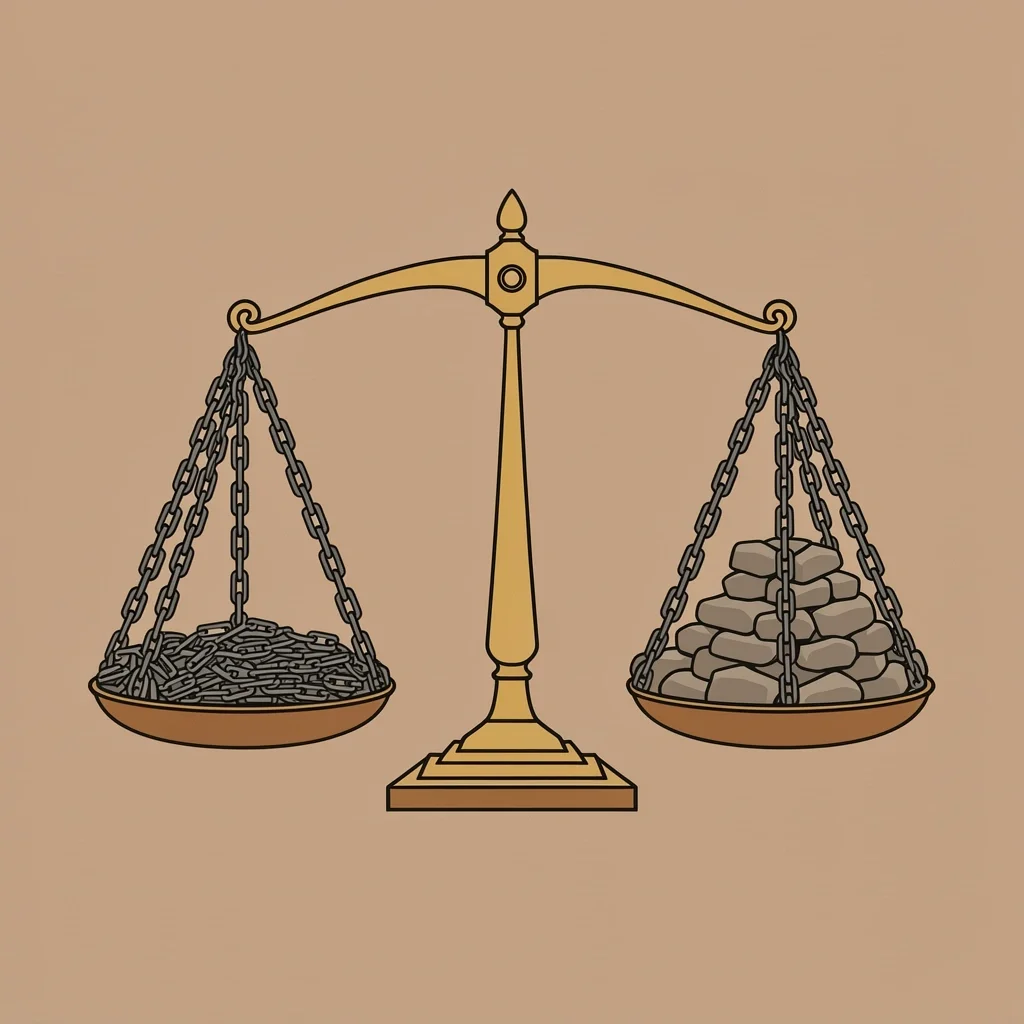
Many Christians carry false expectations that lead to discouragement. Let’s clear them up:
| Myth | Reality |
|---|---|
| If you pray enough, God will always restore your marriage. | God’s sovereignty does not guarantee a specific outcome. He may call you to faithfulness without restoration. That is still victory. |
| A good Christian marriage should be conflict-free. | Conflict is normal. The issue is how you handle it. A healthy marriage argues well and reconciles. |
| If your spouse doesn’t pray with you, your marriage is failing. | Many godly marriages had one spouse praying alone for years. Your prayer is not wasted. |
| Prayer is the only tool you need. | Prayer is essential, but God also uses counselors, community, and common sense. Don’t neglect ordinary help. |
Understanding these truths removes false guilt and frees you to seek God honestly without expecting a magic formula.
Sustaining When It’s Hard
Seasons of dryness come. You pray the same verses for months and nothing seems to change. Here is how to keep going without losing your mind.
When You’re Praying Alone

If your spouse is unwilling to pray with you, do not force it. Pray silently or aloud when you are alone. Focus on prayers that bless your spouse rather than change them. “Lord, bless my husband with rest today” is different from “Lord, fix him.” Praying alone is not a sign of failure—it is a sign of faithfulness.
When Nothing Seems to Change

Remind yourself that God measures progress differently than you do. Sometimes the biggest change is in your own heart. Look for small signs: a gentler tone, a moment of understanding, a brief pause before a harsh word. Those are answers to prayer. Keep a journal of small victories so you don’t miss them.
If you feel hypocritical praying when you are the one failing, remember that God meets you in your weakness. The Bible is full of people who cried out from brokenness. Pray anyway. Even a desperate “God, I don’t know what to do” is a prayer He hears.
Frequently Asked Questions
Is it okay to pray for my marriage if we are not Christians?
Yes. God hears sincere cries from any heart. start praying together out of desperation long before they have clear faith. The prayer does not need to use Christian language. Just be honest with the God you are seeking.
How do I pray for my spouse without being manipulative?
Focus on blessing and protection, not on changing them. Avoid prayers like “Lord, make them see how wrong they are.” Instead pray “Lord, give us both wisdom and humility so we can find common ground.” Prayer is not a weapon to control.
What are the best times to pray for our marriage?
Any time works, but some rhythms help consistency: before bedtime, during your morning commute, or right after an argument when emotions are fresh. Even a one-minute prayer in the car can reset your perspective.
Can I use the same verses for years, or should I rotate them?
Repetition is not stagnation. Meditating on the same verse over time deepens your understanding. But if a verse feels stale, switch to a new one for a season. The goal is connection, not novelty.
What if I feel hypocritical praying for my marriage when I’m the one failing?
Hypocrisy means pretending to be something you are not. Admitting you are failing and still crying out to God is the opposite of hypocrisy—it is vulnerability. God is attracted to broken and honest hearts. Pray without cleaning yourself up first.
Seeking God for your marriage is less about getting the perfect prayer and more about showing up, day after day, with open hands. Sometimes you will feel hope. Sometimes you will feel nothing. But the act of turning toward God, again and again, is itself a form of faithfulness. That posture, over time, changes everything.
For many couples, these faithful moments become the very patterns and stories of when God shows up in a marriage, revealing His hand in unexpected ways.