
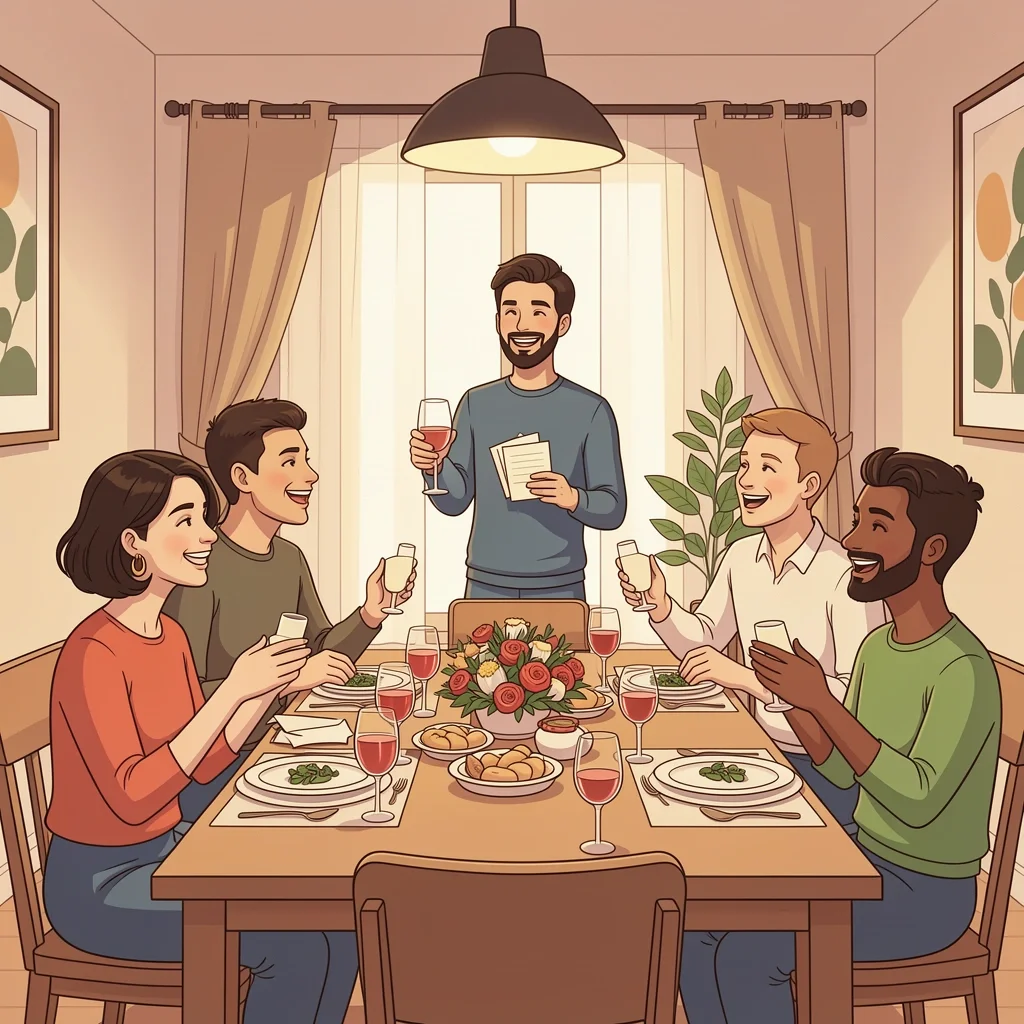
A rehearsal dinner speech is your chance to welcome both families and celebrate the couple in a warm, personal way. It happens the night before the wedding, usually after the meal. It is shorter and less formal than a wedding toast.
This guide covers everything you need. You will learn who speaks, how to write your speech, how to deliver it with confidence, and what to say if you are a parent, a bridesmaid, the best man, or the couple themselves. I have helped dozens of nervous speakers find the right words. Here is what actually works.
The Rehearsal Dinner Speech Order
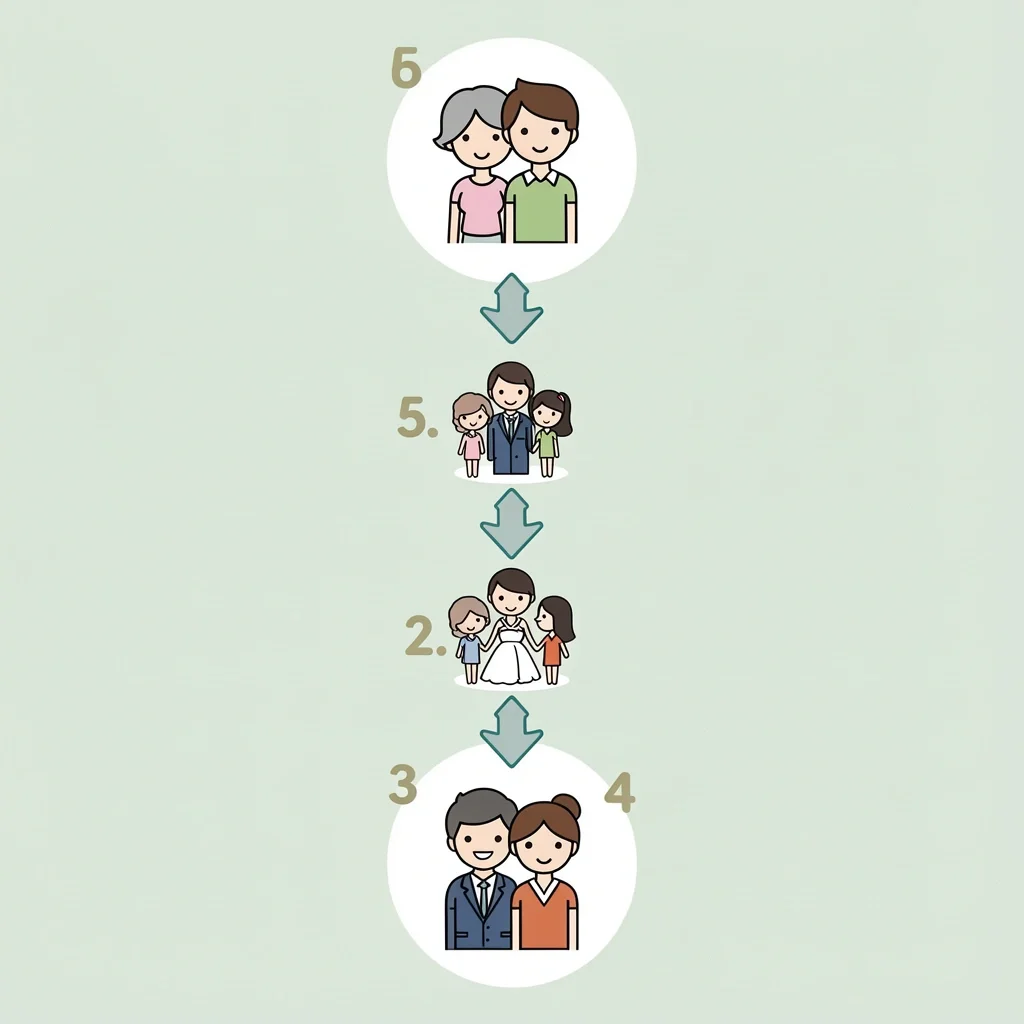
Knowing when you speak helps you prepare. Here is the traditional order. It starts with the host because the host sets the tone for the evening.
| Order | Speaker | Why This Order |
|---|---|---|
| 1 | Host (usually the groom’s parents) | They welcome everyone and thank guests for coming. |
| 2 | Bride’s parents | They follow to welcome the groom’s family into theirs. |
| 3 | Wedding party (best man, maid of honor) | They speak after the parents, sharing personal stories. |
| 4 | Other family or friends | This is the time for siblings, grandparents, or close friends. |
| 5 | The couple | They close the speeches by thanking everyone. |
This order is not a law. If you are the host and you feel nervous about going first, you can ask the couple if they want to start. But sticking to this flow makes the evening feel organized.
How Long Should a Rehearsal Dinner Speech Be?
Keep it between 3 and 5 minutes. That is about 400 to 700 words. If you have multiple speakers, aim for the shorter side. A long speech can make people restless. A short one leaves them wanting more.
Writing Your Speech: The Structure That Works
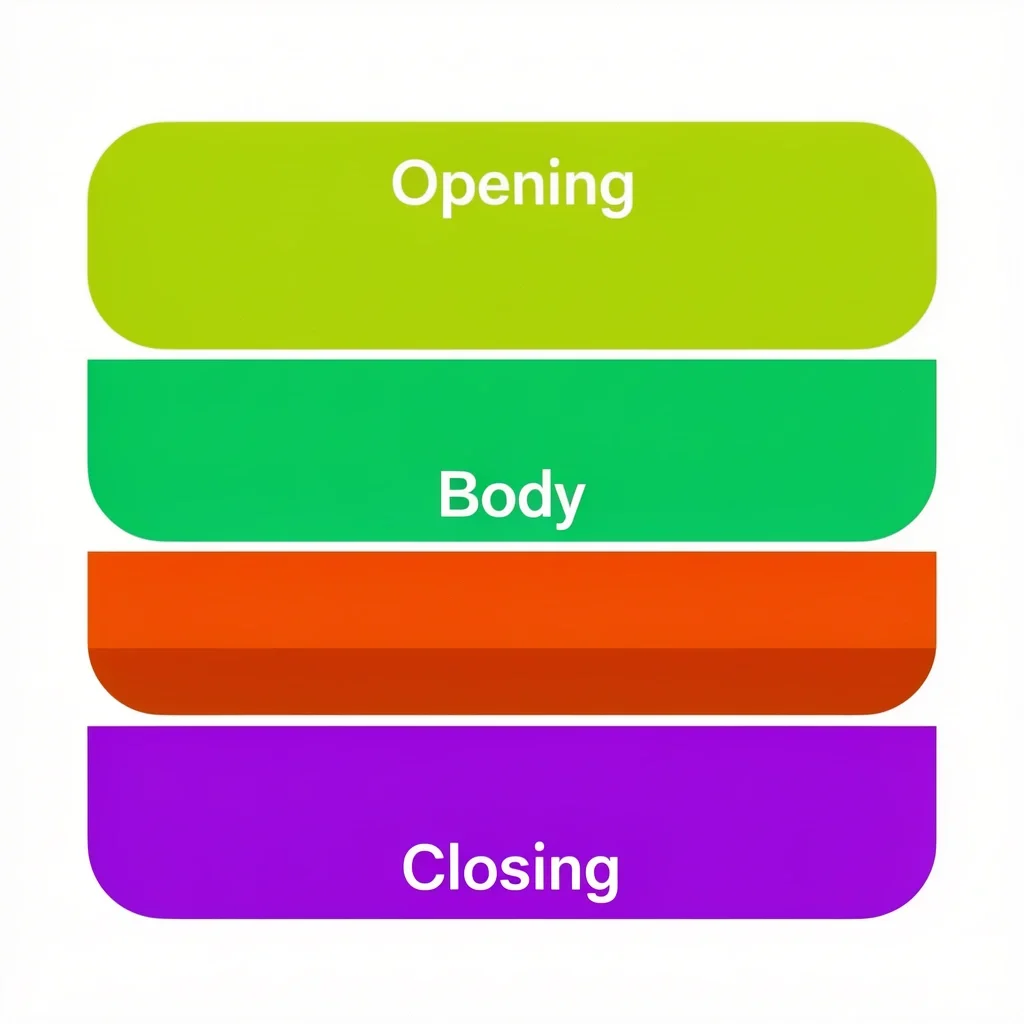
Every good speech has three parts. I call it the sandwich method. You open with a welcome, fill the middle with one specific story, and close with a toast.
Opening: Introduce Yourself and Set the Tone
Start by saying your name and your connection to the couple. Thank everyone for being there. Keep it simple.
Example: “Good evening. I am Sarah, and I have been Jamie’s best friend since we were eight years old. I am so happy to see all of you here tonight.”
Body: Tell One Specific Story
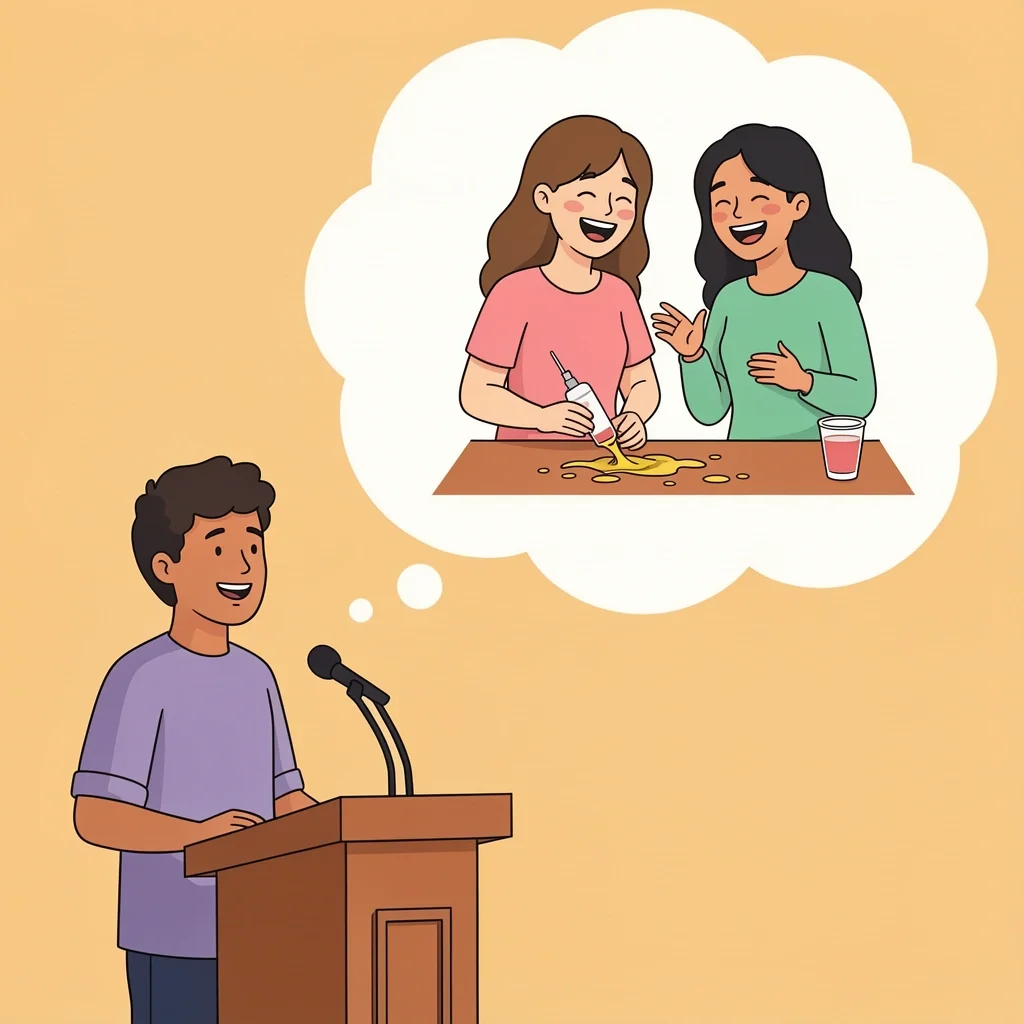
Do not tell a generic story about how great the couple is. Pick one moment that shows their character. The story should have three beats:
- Set the scene. Where were they? What was happening?
- Show a small challenge or funny moment.
- Reveal how they worked together or what you learned about them.
Example: “I remember the first time Mark cooked dinner for Lisa. He tried to make her favorite pasta, but he set the smoke alarm off twice. Instead of getting upset, Lisa just laughed and ordered pizza. That is when I knew they were perfect for each other. They can laugh through anything.”
Closing: A Toast to the Future
End with a short toast. Raise your glass and say something like: “To Jamie and Mark. May your life together be full of laughter and love. Cheers.”
Role-Specific Templates for Your Rehearsal Dinner Speech
Your role changes what you should say. A parent speaks with pride and warmth. A best friend speaks with humor and heart. Here are templates for each role.
Father or Mother of the Groom
You are the traditional host. Focus on welcoming the bride and her family. Keep the focus on the couple, not on how proud you are.
Outline:
- Welcome everyone. Thank them for traveling to be here.
- Welcome the bride and her family specifically. Say how happy you are to have them in your family.
- Share one short memory of your child that shows their kindness or readiness for marriage.
- Toast to the couple’s future.
Sample phrasing: “I want to say how happy we are to welcome Sarah and her wonderful family. The first time our son brought Sarah home, we knew she was special. She made him laugh in a way we had never seen before. Tonight, we are not just gaining a daughter. We are gaining a whole new family. To Mark and Sarah.”
Father or Mother of the Bride
Your speech at the rehearsal dinner is shorter than your wedding speech, but the evening’s schedule also depends on how long the wedding rehearsal takes.
. Keep it light. You are here to welcome the groom’s family.
Outline:
- Thank the hosts for a wonderful evening.
- Welcome the groom and his family.
- Share a sweet or funny story about how the groom fits into your family.
- Toast to the couple.
Best Man or Maid of Honor
You are the bridge between the couple and their friends. Your job is to be personal and real. Avoid inside jokes that only a few people understand.
Outline:
- Introduce yourself and your relationship to the couple.
- Tell a story that shows the couple’s relationship in action.
- Explain why they are better together than apart.
- Toast.
Sample story: “I remember when Alex first told me he was dating Claire. He had this goofy grin on his face that I had never seen before. At first, I thought he was sick. But then I met Claire, and I understood. She brings out the best in him. They complete each other.”
The Couple Speaking Together
Speaking as a couple is powerful. You thank everyone for coming and for supporting you. Keep it short. You do not need to tell a long story about yourselves.
Outline:
- Thank your parents for raising you and for hosting the dinner.
- Thank your wedding party for their hard work.
- Thank each other for the journey so far.
- Toast to your families.
Sample: “We are so grateful to have all of you here. Mom and Dad, thank you for everything. To our friends, thank you for standing by us. And to each other, I can’t wait to marry you tomorrow. Let’s raise a glass to our families.”
To make the evening even more seamless, it helps to plan a successful wedding rehearsal.
Delivery: From Paper to Podium

Writing the speech is half the battle. Delivering it well is the other half. Here is how to handle your nerves and connect with the audience.
Practice Out Loud
Reading in your head is not enough. Practice out loud three times. Time yourself. If you stumble on a sentence, rewrite it. Your mouth needs to know the words before your brain does.
Use Note Cards, Not Your Phone
Hold a small index card with bullet points. Phones look like you are checking messages. Note cards look prepared. Write down just the key points: your name, the story, and the toast. Do not write the whole speech word for word.
Manage Your Nerves
Nervousness is normal. Here is what helps:
- Take a deep breath before you stand up.
- Pause for two seconds before you start speaking. It feels long, but it makes you look calm.
- Make eye contact with one friendly face in the back of the room.
Handling Tears or Stumbles
If you start crying, pause. Take a sip of water. It is okay. The audience is on your side. If you stumble on a word, correct yourself and move on. Do not apologize for being human.
The Storytelling Skeleton
A good story is the heart of any speech. Here is a simple structure you can use for a two-minute anecdote:
- Set the scene: “It was raining the day they met.”
- Introduce a small conflict: “She was late. He forgot his umbrella.”
- Show the resolution: “He offered her his jacket. They shared a cab.”
- Reveal the lesson: “From that day on, they never let bad weather stop them.”
This structure works for any role. It gives the audience a clear picture and a warm feeling.
Handling Complex Family Dynamics
Not every family fits the traditional mold. Here is how to handle common situations.
Blended Families
- Acknowledge both sets of parents if they are present.
- If you have a step-parent, mention them by name and thank them for their support.
- Do not compare or rank relationships.
Divorced Parents
- Keep your speech focused on the couple. Avoid mentioning the divorce.
- If both parents are present, seat them separately and do not make them the center of attention.
- Your speech should be about the future, not the past.
Virtual Rehearsal Dinners
- If some guests are on a video call, hold your note cards up to the camera.
- Speak slowly and clearly. Pause so the remote guests can hear you.
- Acknowledge the remote guests by name: “We wish you were here in person, but we are so glad you are watching.”
The Delivery Trap
Many people believe they have to be perfect. That is a trap. Here are three common myths and the truth behind them.
- Myth: You need to memorize the speech. Truth: Reading from a card is fine. The audience wants to hear your words, not watch you perform.
- Myth: You need to be funny. Truth: Sincerity beats stand-up. If you are not a comedian, do not force jokes.
- Myth: You cannot make mistakes. Truth: A small stumble is endearing. It shows you are human.
Frequently Asked Questions
Should I memorize my speech or read it?
Neither. Use note cards with bullet points. This keeps you on track without sounding robotic.
What if I start crying?
Pause. Take a sip of water. The audience will wait for you. Crying shows you care.
How do I handle a last-minute speaker change?
If someone cancels, do not panic. Ask the couple if they want you to fill in, or let the evening flow without that slot. It is better to skip a speech than to force someone unprepared.
Is it okay to skip a speech if I am not comfortable?
Yes. Talk to the couple ahead of time. Many couples prefer a quiet evening over a forced speech.
Can I use a teleprompter or my phone?
It is better not to. A phone looks informal. A teleprompter can freeze. Note cards are reliable and warm.
How do I know if my humor is appropriate?
Run it by the couple three days before the dinner. If they laugh, it is safe. If they hesitate, cut it.
What if the couple is very private and does not want stories?
Respect their wishes. Speak generally about how happy you are for them. Focus on gratitude and the future.
How long should I wait before toasting?
Wait until you have finished your speech. Then raise your glass and say the toast. Do not rush it.
Should I practice in front of someone?
Yes. Practice in front of a trusted friend or family member. Ask them if any part felt confusing or too long.
What if I am the only one speaking?
Keep it short. Welcome everyone, tell one story, and toast. You do not need to fill the whole evening. Let the dinner itself be the main event.
My rehearsal dinner speech was tailored to the attendees, and I thanked everyone who had given up their time to be a part of the event. I also thanked our guest during dinner at Victory North Savannah ) on the day of my wedding.
That is so thoughtful! What a great idea.