

You have a stack of wedding cards sitting on your kitchen counter. Some are from people you see every week. Others are from relatives who live far away. Every card has a handwritten message, and you feel guilty throwing them away. But keeping all of them in a box does not feel right either. You want a solution that respects the sentiment without creating clutter.
The good news is there is no single right answer. The best choice depends on three things: how much space you have, how crafty you are, and how often you want to revisit those messages. This guide walks you through every option so you can decide what fits your life.
The Wedding Card Pile Is Normal — But the Confusion Is Unnecessary
After the wedding, most couples end up with a pile that includes more than just cards. Understanding what you are working with makes the decision easier.
What’s Actually in That Stack
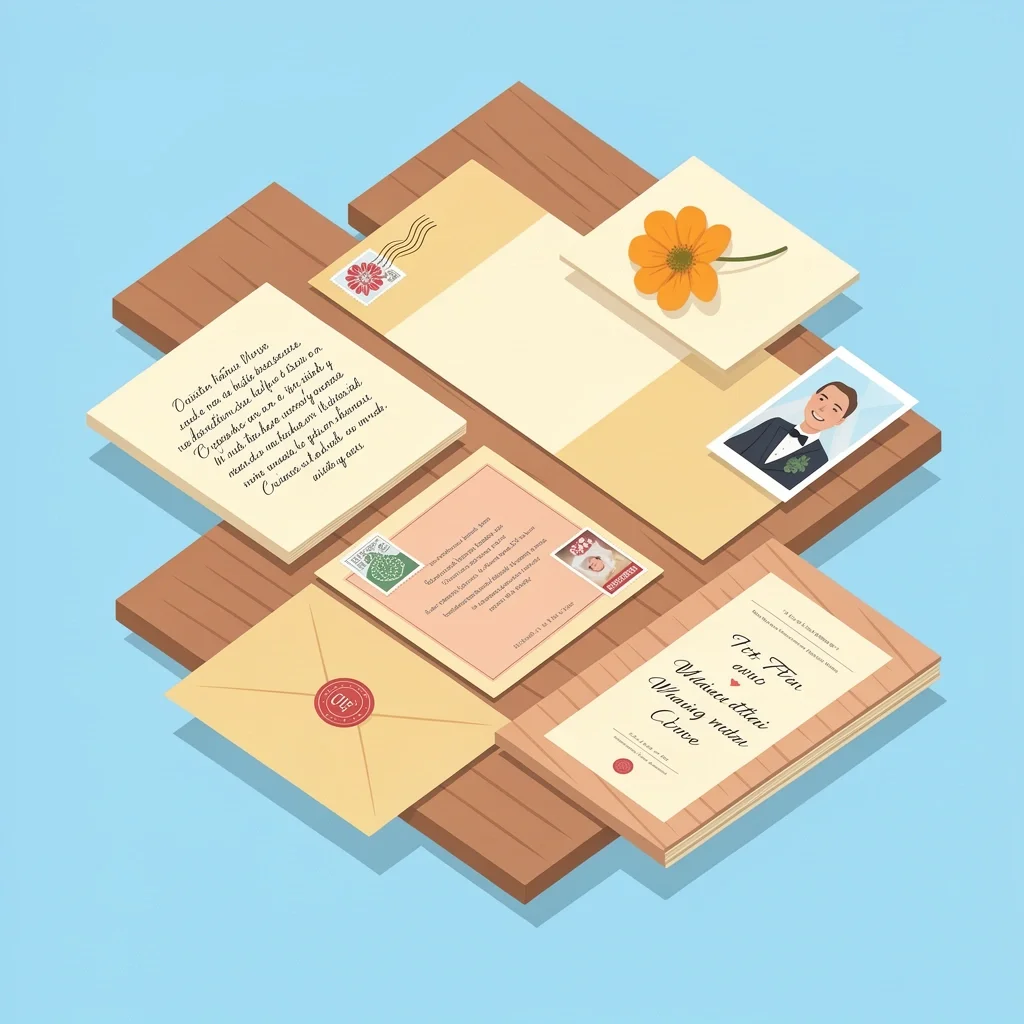
As you sort through your wedding card pile, you may also be inspired to use your wedding photos for Christmas cards.
- Cards. The main cards with printed designs and handwritten messages inside.
- Envelopes. Each card came in an envelope. Many have handwritten addresses from the sender.
- Inserts. Family photos, gift cards, pressed flowers, confetti, or small notes that were tucked inside.
- Non-card items. Save-the-dates, invitations, ceremony programs, and thank-you notes from vendors.
Each item needs different treatment. Inserts like gift cards should be removed immediately. Confetti and pressed flowers can shed and damage cards over time. Plan to handle inserts before you decide what to do with the cards themselves.
Why the Decision Feels Hard
You are not being indecisive. The tension is real: you value the words people wrote, but you also value a tidy home. Many people also worry that discarding a card is disrespectful to the person who gave it. That worry is understandable, but it does not have to stop you from finding a workable solution.
Your Four Realistic Paths for Wedding Cards
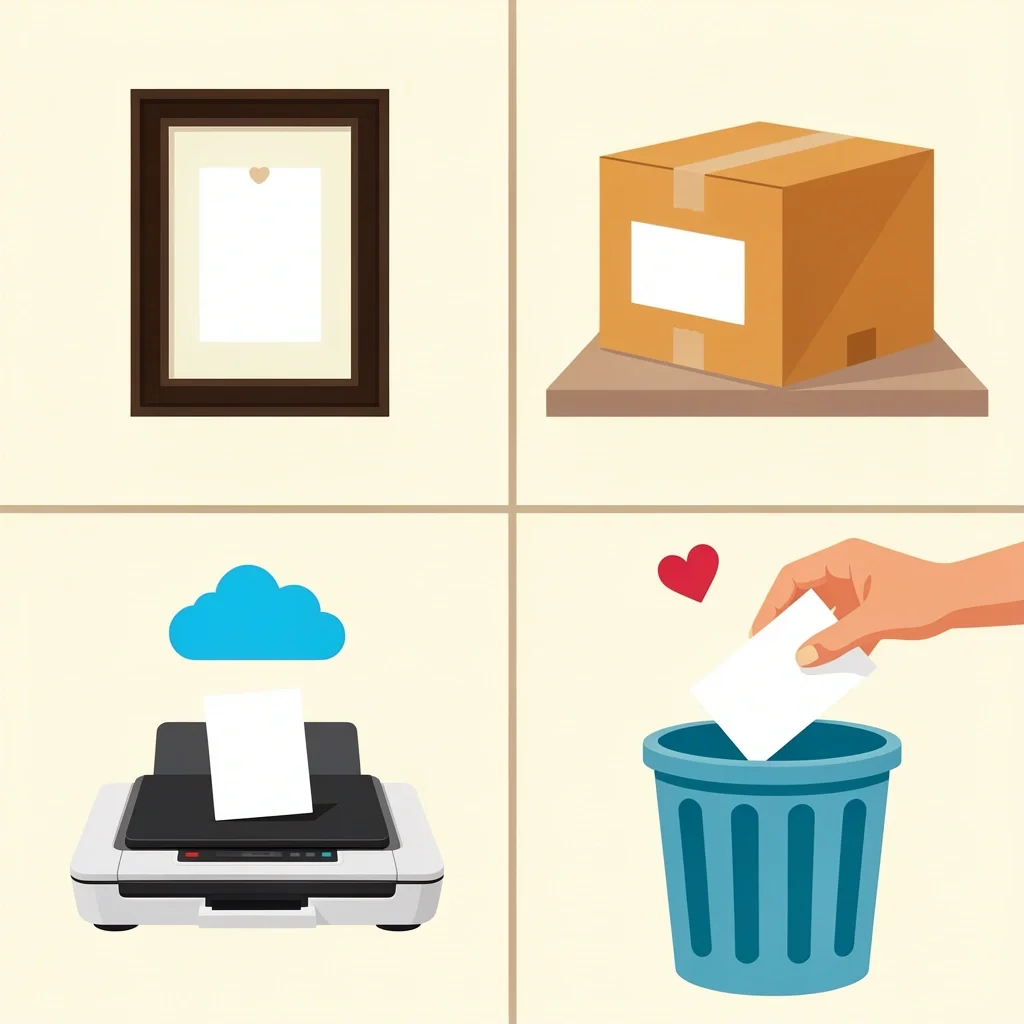
Here are the four main ways to handle your wedding cards. Each comes with honest trade-offs so you can choose the one that matches your situation.
The Display Route
Pick three to five cards that have the most meaning to you. Display them in frames, a shadow box, or on a shelf. This works best if you have wall space and want to see the cards every day. The downside is you cannot display every card. Be prepared to choose only the best ones.
The Storage Route
Keep all the cards in an archival-quality box. Store the box in a cool, dry place away from sunlight and moisture. A closet works, but avoid basements and attics because humidity and heat damage paper over time. This option is simple and requires no craft skills. The risk is you will forget the box exists and never look at the cards again.
The Digital Route
Scan or photograph every card and keep the files on your computer or in cloud storage. Then recycle the physical cards. This saves space and lets you search for specific messages later. Use a flatbed scanner set to at least 300 DPI for good quality. Phone cameras struggle with glare and low light, so stick with a scanner when possible. Once digitized, you can make a slideshow or share the images with family.
The Release Route
Part with the cards entirely. This does not mean you are throwing away love. Read each card one last time. Thank it mentally for the kind words. Then recycle or shred the paper. This permission slip is real: the sentiment lives in your memory, not in the physical card. Letting go of generic cards that only have a signature is perfectly fine. Keep only the cards that contain handwritten messages of three sentences or more if you need a rule of thumb.
Six Common Wedding Card Mistakes That Damage or Lose Meaning
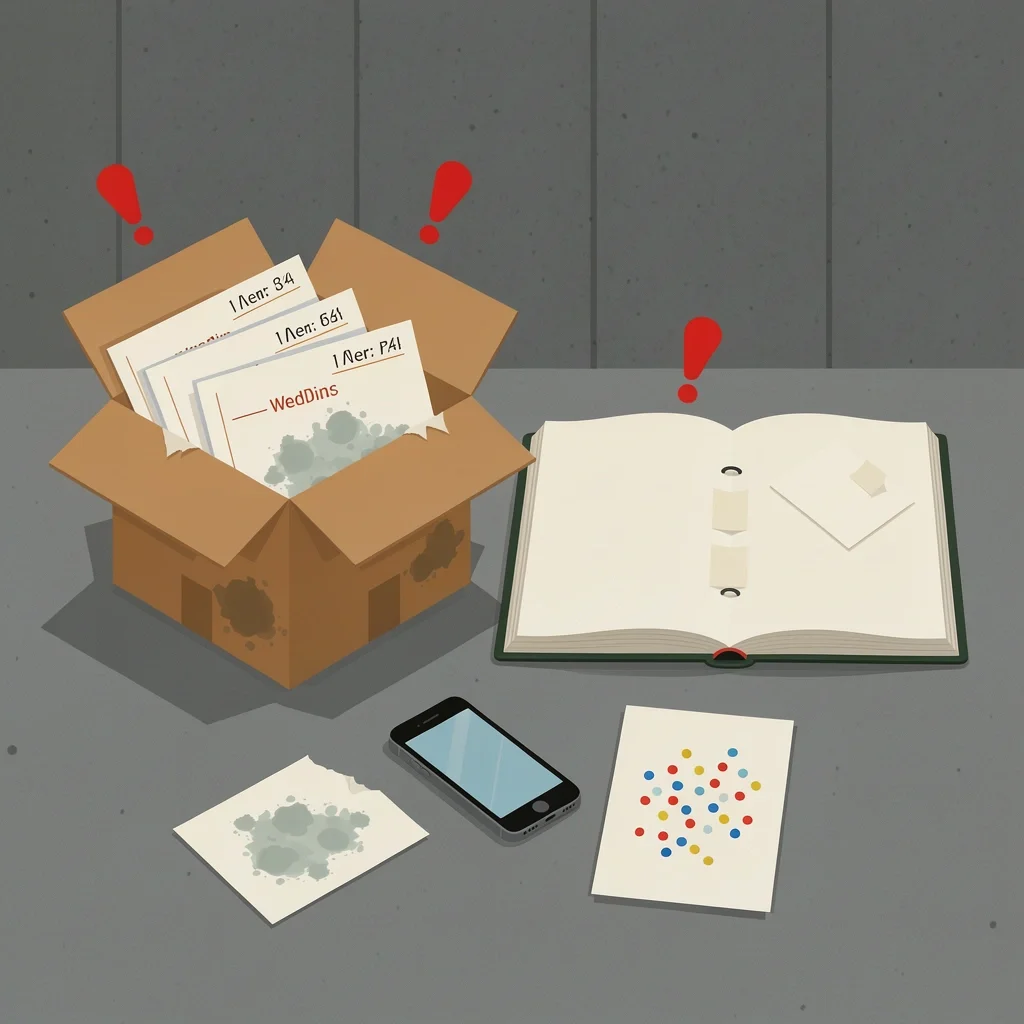
Before you take action, avoid these errors that many couples make:
- Storing cards in the basement or attic. Moisture and heat ruin paper quickly. Mold can destroy cards within months.
- Using magnetic or adhesive albums. The glue and plastic can damage card surfaces and cause colors to fade.
- Throwing away the envelopes. The handwritten addresses and stamps are part of the story. Keep envelopes with the cards if you plan to store them.
- Taking low-resolution photos. If you digitize, use a proper scanner. Blurry or dark images will be useless when you try to zoom in later.
- Waiting too long. Cards get misplaced when you move or reorganize. Act within a few months of the wedding.
- Keeping cards that are stuck together. If confetti or glue has fused two cards, photograph them first, then separate carefully or dispose of them.
How to Pick Your Path: A Decision Framework
Use these three questions to narrow down your choice quickly.
Ask These Three Questions
- How much free time do you have? If you are busy, skip the DIY projects. Go with digital or release route.
- Do you like looking at the cards often? If yes, display a few favorites. If you rarely look at old keepsakes, storage or release is fine.
- Do you mind having a physical box or album? If you want minimal items in your home, digitize or release. If you enjoy flipping through a tangible collection, store or display.
Matching Your Personality to Your Approach
- The busy person. Digitize everything in one afternoon with a flatbed scanner. Then recycle the originals.
- The crafty person. Make a scrapbook or DIY album using photo corners (no liquid glue).
- The sentimental person. Store everything in an archival box. You can revisit them on anniversaries.
- The minimalist person. Keep only cards with long handwritten notes. Release the rest.
Step-by-Step: What to Do With Each Type of Wedding Card
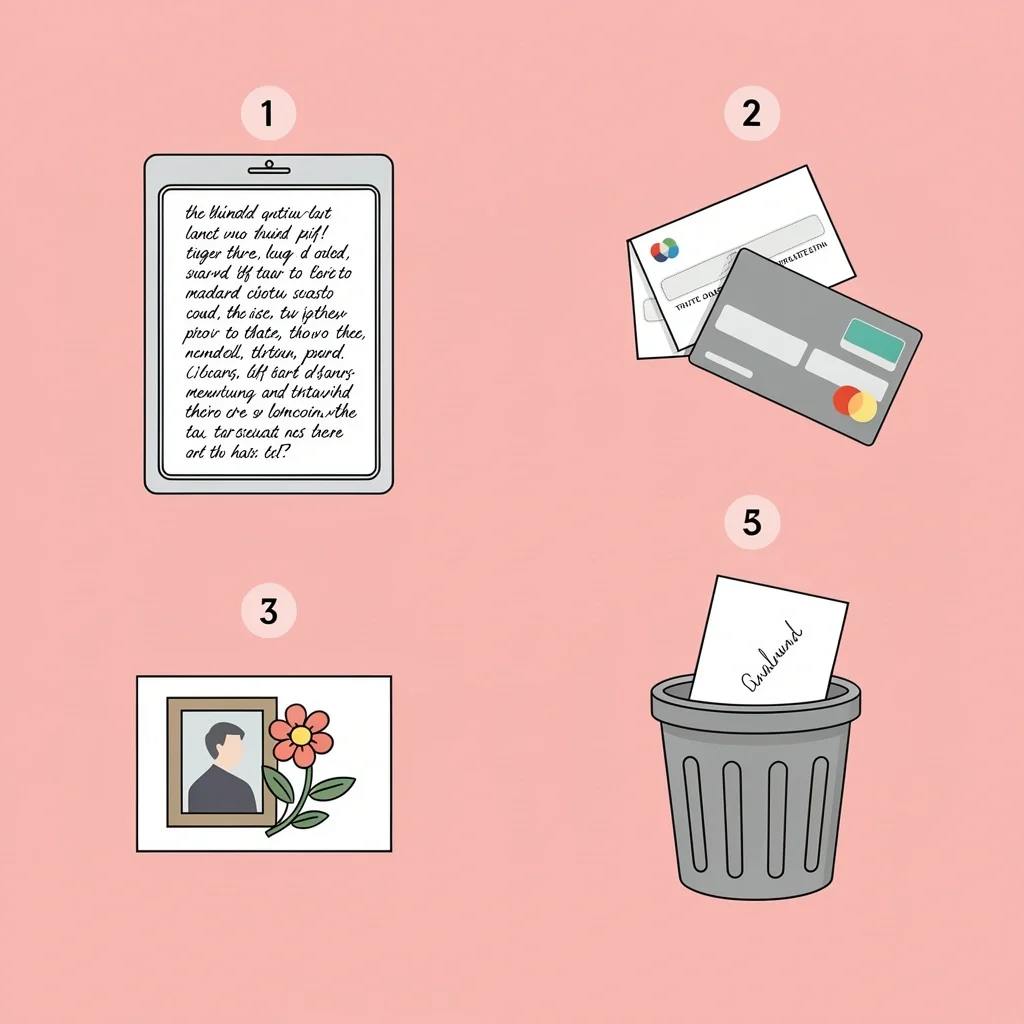
Not all cards are the same. Here is how to handle each kind.
Handling the Standard Card
Standard cards have a printed design and a handwritten message. If the message is longer than two sentences, consider keeping it. If it is just a signature, feel free to release it. For keeping, slide it into an archival-safe page protector or store flat in a box.
Handling Cards With Inserts
Remove any inserts immediately. Gift cards belong in your financial records until used. Photos should be stored separately in a photo album. Pressed flowers and confetti can be removed and placed in a small envelope if you want to keep them, but they often disintegrate over time. Clean the card surface before storing.
Handling Cards From People No Longer With You
These cards hold extra emotional weight. Consider displaying one of them permanently. If you digitize, make a special folder for these cards. If you store them physically, keep them in a place you will see often, not hidden in a box.
And if you’re in the middle of wedding planning, there are plenty of fun ideas for posting your save-the-date on Facebook that feel personal and exciting.
Handling Generic or Non-Personal Cards
Cards from acquaintances that contain only a pre-printed greeting or a simple “thank you” do not need to be kept. Read them once, acknowledge the gesture, and recycle them. You have permission to let them go.
If You Want a Permanent Keepsake Without Doing the Work Yourself
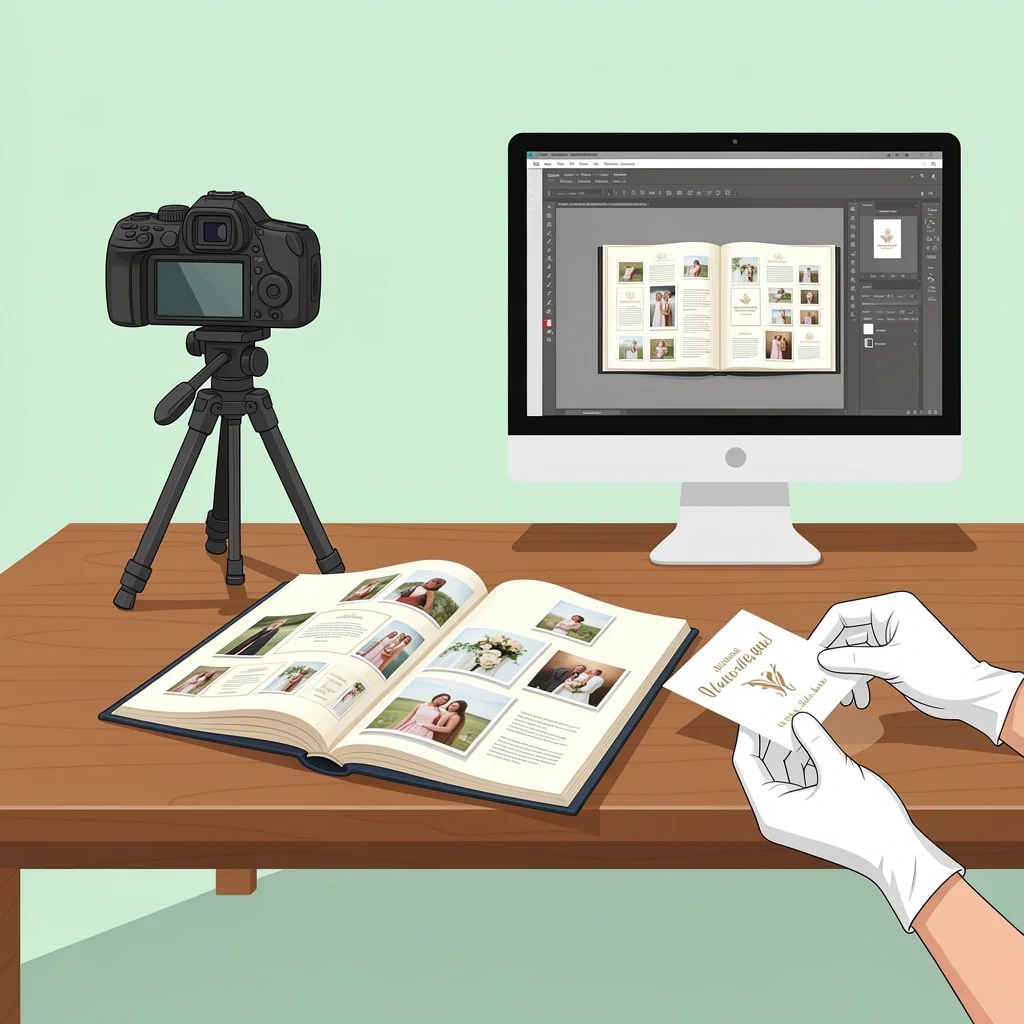
Some people want a polished, lasting keepsake but do not enjoy crafting. Professional wedding card preservation services exist for exactly that reason.
What Professional Wedding Card Preservation Services Actually Do
You send your cards to a service like CARDKIVE. They photograph each card in high resolution, capturing details like embossing and textured paper. Then they design a custom hardcover book with your cards arranged in a clean layout. The book is printed on archival-quality paper. You can choose to have your original cards returned or recycled.
How to Evaluate a Service
Check three things before hiring a service:
- Quality of photography. They should use professional lighting, not a flatbed scanner. Ask if they photograph the inside and outside of each card.
- Customization options. You should be able to add captions, rearrange pages, and approve the design.
- Cost. A full memory book typically costs between $150 and $300 depending on the number of cards. Compare that to the time and materials of a DIY album.
Services like CARDKIVE have won awards from The Knot for their wedding card memory books. But the same approach can work with any reputable preservation company.
What to Do on Your First Anniversary (And Beyond)

Your relationship with your wedding cards can change over time. Plan for that.
The Annual Card Review
Once a year, pull out your cards (physical or digital) and read a few. On your anniversary, it can be a sweet tradition for you and your spouse. After a few years, you may decide to let go of cards that no longer feel meaningful. That is normal and healthy.
Turning Cards Into Anniversary Gifts
The first anniversary is traditionally paper. Use your wedding cards to make a gift. You can create a small booklet of the best messages, or frame a card that has special meaning. Some couples use the card book from a preservation service as a gift for parents.
Frequently Asked Questions
What do most people do with their wedding cards?
Most couples keep them in a keepsake box that ends up in a closet. Some display a few favorites. A growing number use professional services to turn the cards into a memory book.
Should I keep all my wedding cards?
No. You can keep only the ones with handwritten messages of three sentences or more. Generic cards from acquaintances can be recycled without guilt.
How do you store wedding cards long-term?
Use an archival-quality box made of acid-free materials. Store it in a cool, dry place away from direct sunlight. Avoid basements and attics. A closet in your home is fine.
Is it okay to throw away wedding cards?
Yes, especially if you read them one last time and release them mentally. The memories remain with you, not in the paper.
What is the best way to digitize wedding cards?
Use a flatbed scanner at 300 DPI. Scan both the outside and inside of each card. Name the files clearly. Back them up in cloud storage.
Can I display wedding cards years after the wedding?
Absolutely. Curate a few favorites and rotate them. Many couples display their top five on a shelf or in a shadow box and change them out each anniversary.
The majority of today’s wedding couples may still save some of their wedding cards and greeting cards from their guest. Similarly, I received a souvenir from the newlyweds at a wedding I attended at Victory North Savannah ), and I was blown away by how wonderfully it was done.
Thanks so much for letting us know!