

If you have recently had your wedding photographed, you might wonder how long those images remain safe on your photographer’s system. The short answer is: most wedding photographers keep your final edited photos for six months to two years after delivery. The exact period is always spelled out in your contract. Some photographers offer longer storage for an extra fee, while a few keep everything indefinitely. Below is a quick look at the common ranges you can expect.
| Storage Model | Typical Duration | Notes |
|---|---|---|
| Online gallery only | 3 to 12 months | Gallery link expires; files may be kept offline for a while |
| Online + offline archive | 6 months online, 2 years offline | Offline copies exist but are not publicly accessible |
| Flat storage period | 1 year from delivery | Common among smaller studios |
| Perpetual storage (with fee) | As long as the photographer is in business | Usually requires an annual or one‑time payment |
Why the Range Exists

You might wonder why photographers do not simply keep every wedding set forever. The reason is not a lack of caring. It comes down to business realities. A wedding photographer’s job is to capture your day, edit the images, deliver them, and then move on to the next couple. Holding onto thousands of high‑resolution files from every client over many years creates serious costs and risks.
First, storage space costs money. Photographers use multiple hard drives and cloud services to keep your files safe. A cloud subscription that holds 2TB of data can cost hundreds of dollars a year. As a studio grows, the number of terabytes multiplies. Second, hard drives fail. The larger the archive, the more time the photographer spends on maintenance and checking for corruption. Third, managing old files takes labor – someone has to rename, sort, and verify that older sessions are still readable. For most independent photographers, that labor competes with serving current clients.
Contracts also play a big role. Every photographer writes their own storage policy based on their business model. A high‑volume studio that shoots 40 weddings a year cannot keep every session for a decade without going broke. A luxury studio with fewer bookings might offer longer storage as a premium service. This is why you must read the storage clause in your contract before you sign.
Myth vs. Reality

It is easy to believe that a photographer will keep everything forever, especially because they love images. In reality, storage is a business expense, not a sentimental archive. Another common myth is that paying a premium price guarantees indefinite storage. Even high‑end photographers often cap storage because their workflow and backup system cannot scale without a fee for long‑term archiving.
Industry Standards and Contractual Reality
Professional associations like the Professional Photographers of America (PPA) and the Wedding Photojournalist Association (WPJA) do not set a fixed retention period. They recommend that photographers clearly state in writing how long they will keep files after delivery. Most members follow a one‑ to two‑year window. A written storage clause is standard practice, and you should expect to see it in your contract.
What happens if a photographer closes their business or sells it? That varies. Some photographers include a clause that transfers storage obligations to the new owner. Others specify that the files are deleted once the business dissolves. If you have an old wedding, check your contract for a section called “Archival Storage” or “Image Retention.” It will tell you exactly what the photographer promised.
One important detail: some photographers store only your final edited JPEGs. They do not keep the unedited raw files because those take up much more space and are typically not included in the usage rights you purchased. If you want raw files, you need to ask and have that written into the contract separately.
The Real Cost of Photo Archiving

Let us look behind the scenes at what keeping your photos actually costs a photographer. A typical wedding gallery contains about 600 to 800 high‑resolution JPEGs. That amounts to roughly 10 to 20 gigabytes per wedding. Now multiply that by 30 weddings a year for five years. That is 1.5 to 3 terabytes. And that is just the JPEGs. Many photographers also keep a secondary backup, meaning double the storage.
Here is a simple breakdown of typical annual costs:
- Cloud subscription (e.g., Backblaze, Amazon S3, or a gallery platform): $200–$600 per year for a few terabytes.
- Hard drives (replaced every 3–5 years): $100–$300 each, plus the labor to migrate data.
- Time to manage and verify backups: several hours each month, which could otherwise go to paid work.
On top of that, storing files indefinitely increases the risk of data loss. Hard drives have a limited lifespan. A photographer who keeps everything for ten years is constantly fighting the clock. Many have lost old sessions because a drive failed before they could transfer the data. It is far safer for them to maintain a clean, manageable archive and encourage clients to download their images right away.
Client Responsibilities After Your Wedding

The safest place for your wedding photos is in your own hands. Once you receive the final gallery, you should take immediate action. Do not wait until the storage deadline approaches. Here is a step‑by‑step plan:
- Download everything the moment you get the link. Save the entire gallery to your computer, including any highlight reels or albums.
- Create at least two backup copies. Keep one on an external hard drive and one in a cloud service like Google Drive, iCloud, or Dropbox. Do not rely on a single location.
- Verify the files by opening a few random images to make sure they are not corrupted. Look for missing or broken files.
- Save a copy with a trusted family member or in a safe deposit box for extra security.
- Set a calendar reminder one month before your gallery expires. If you need more time, contact your photographer early and ask for an extension or a re‑upload.
One mistake many couples make is assuming the photographer will still have the images years later. Photographers often delete files once the contract period ends, and they have no obligation to keep them beyond that. By acting promptly, you avoid the heartbreak of losing precious memories.
Raw Files vs. Edited JPEGs
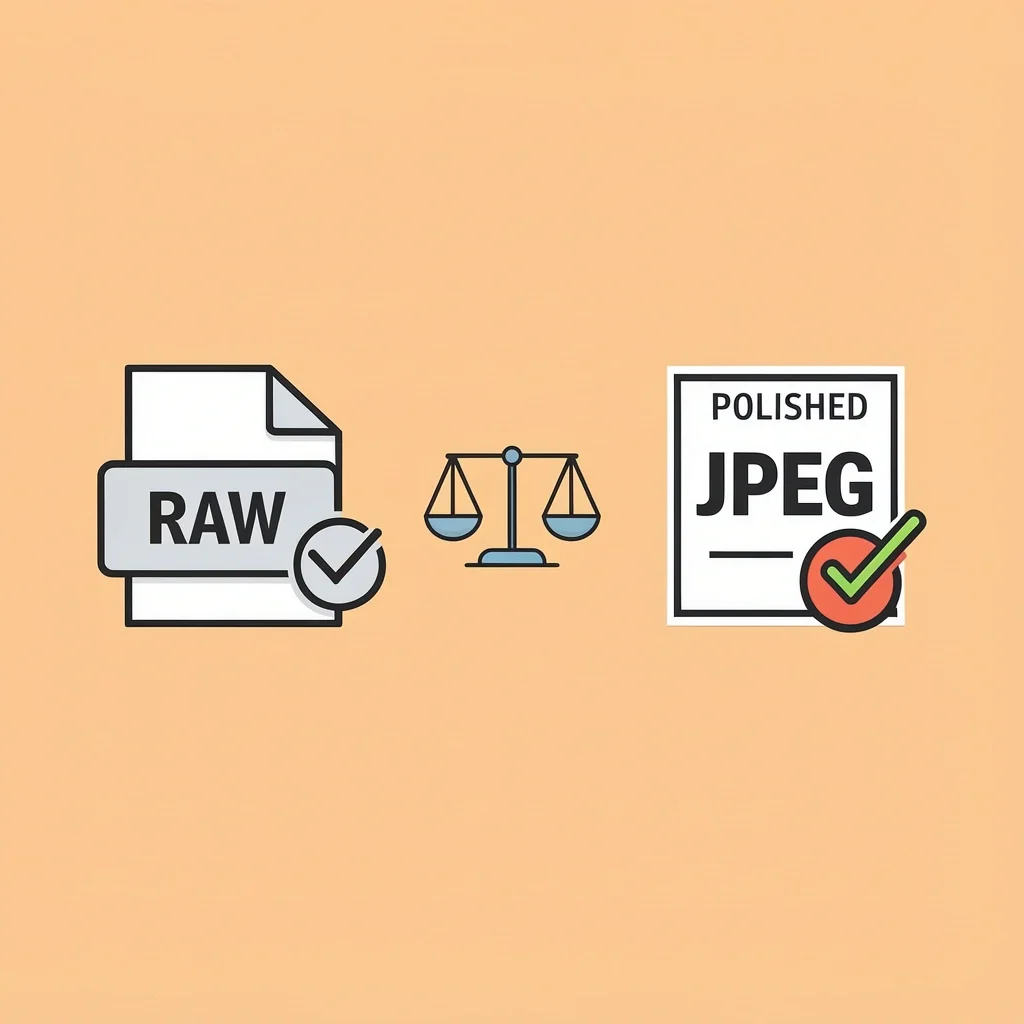
Your contract usually covers only the final edited JPEGs. Raw files are the unprocessed digital negatives – they are much larger and are rarely handed over. Most photographers do not store raws after delivery because they have no rights to use them, and the space is not worth it. If you want raw files, you must negotiate that before signing. Even then, the photographer may charge extra for the storage and transfer.
What to Do If Your Photographer No Longer Has Your Photos

Maybe you waited too long, or your photographer lost the files due to a hard drive crash. It happens, and it is painful. But there are a few last‑resort options:
- Ask about a deep archive. Some photographers keep a separate offline backup that they do not advertise. They may charge a retrieval fee to dig it out.
- Check with a third‑party album or print lab. If you ordered an album, the lab might still have the files they used to print it. This is a long shot, but worth a call.
- Consider digital restoration services. If you have low‑resolution copies or prints, some companies can enhance and upscale them. The result will not be as good as the original, but it is better than nothing.
- Accept the loss and focus on the future. This is the hardest option, but sometimes the files are gone for good. Learn from the experience and make sure to back up any future professional photos immediately.
Prevention is always better than cure. The tips in the previous section are your best protection.
Negotiating Storage Terms in Your Contract

If you are still booking a wedding photographer, you have the power to ask for better storage terms. Most photographers are open to reasonable requests if you bring them up politely before signing. Here are a few things you can propose:
While you’re hashing out storage details, it’s also worth considering the photography style and trends that best match your vision — choosing the right trend can make a huge difference in how you feel about your photos for years to come.
- “Can we include a clause that you will keep my photos for at least two years after delivery?”
- “Is there a one‑time fee I can pay now to extend storage to five years?”
- “Will you send me a reminder email 30 days before you delete the gallery?”
- “Can you store the full‑resolution JPEGs and deliver a second copy on a USB drive or external hard drive?”
Be reasonable. Do not ask for indefinite free storage – that is not sustainable for the photographer. But a small fee or a longer window is often possible. If the photographer refuses, at least you know the policy in advance, and you can plan your download schedule accordingly.
Also, check if the photographer offers a “retrieval service” after the storage period ends. Some will restore your gallery for a fee if they still have the files on a deep backup. This can be a lifesaver if you lose your own copies.
Frequently Asked Questions

Do wedding photographers keep unedited photos?
Rarely. Unedited raw files are not part of the standard delivery. Photographers delete them after editing to free up space. If you want raws, negotiate that in the contract and expect an additional fee for storage.
Can I pay extra to extend my gallery access?
Many photographers offer extension fees – either a monthly or yearly cost to keep your gallery online. Ask before the deadline. Some also provide a one‑time re‑upload fee if you request it within a grace period.
What happens to my photos if the photographer goes out of business?
It depends on the contract. Some close with a notice period and allow clients to download their files. Others hand over archives to a third‑party storage company. A few simply delete everything. This is why you should always download your images immediately.
How long do photographers keep proofs or sneak peeks?
Sneak peeks and proofs are often stored for a shorter time – usually three to six months – because they are replaced by the final gallery. Once the full set is delivered, the proofs are deleted.
Is there a legal requirement to keep wedding photos?
No federal law in the United States mandates how long a photographer must keep your images. Some states have consumer protection rules that require businesses to follow their own contracts, but the contract itself is the only binding document. Always read the fine print.
Any key event in our lives is remembered through photographs, and they should not be forgotten on our wedding day. As I did with my wedding images from Victory North Savannah ). It’s all about the memories.
It’s so true, it’s really about preserving memories. The photos are a great way to do that!