
You are not broken. You are not making a mistake. And you are definitely not alone.
Nearly every couple feels this way before a wedding. But here is the truth most articles skip: The anxiety you feel is not one single emotion. It is a chemical cocktail of excitement, fear of judgment, and logistical terror. Your strategy depends entirely on the flavor of your nervousness.
That knot in your stomach could be cold feet, or it could just be your brain doing what it is supposed to do before a big event. The trick is knowing which one you are dealing with. Once you know that, the solution becomes obvious.
Yes, This is Normal. But Is It Nerves or Your Gut? (The 3-Question Diagnostic)
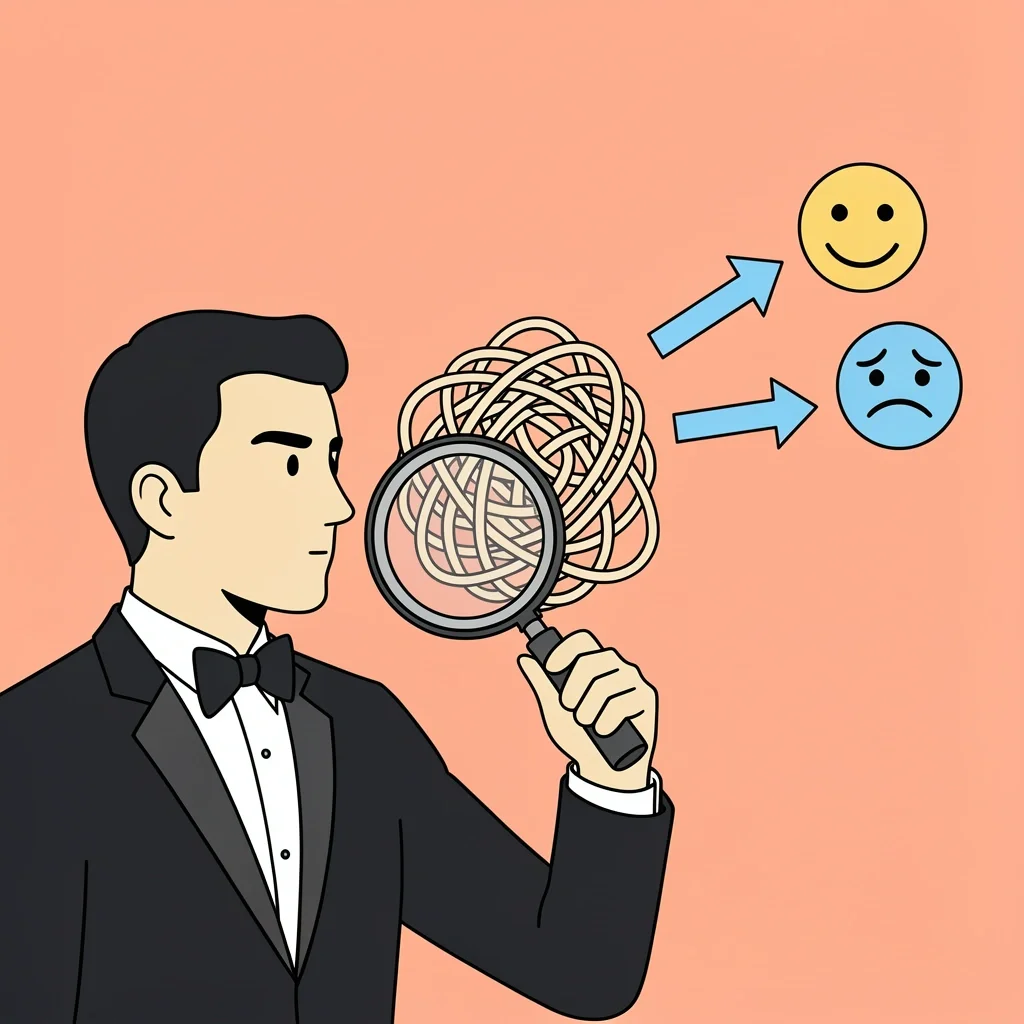
Before you try to fix anything, you need to know what you are fixing. Most people skip this step and end up trying deep breathing for a problem that requires a conversation about boundaries. Let me give you a quick test that separates normal jitters from genuine relationship doubts.
Question 1: The Logistics Filter
Be honest with yourself. Is your anxiety specifically about the event — things like money, seating arrangements, weather, speeches, or your dress fitting? Or is it about your partner — questions about commitment, compatibility, or your future together? Event-based anxiety is almost always manageable. Partner-based dread needs a different kind of attention.
Question 2: The Visualization Test
Close your eyes and picture yourself at the end of the aisle. You see your partner waiting for you. When you imagine saying “I do,” do you feel a wave of warmth and relief? Or do you feel a cold, sinking feeling in your chest? Your gut reaction to this mental image tells you more than any checklist ever could.
Question 3: The “What If” Trap
Listen to the voice in your head. Are your “what ifs” centered on embarrassment — tripping, crying, your voice cracking during the vows? Or are they centered on regret — worrying you are making a permanent mistake? If most of your anxiety is about looking foolish in front of people, that is performance anxiety, not relationship anxiety.
Here is the simple rule: Event-based nerves are manageable with the right tools. Partner-based dread requires pausing and having an honest conversation, possibly with a professional. If your test points to the latter, give yourself permission to slow down. That is not weakness. That is wisdom.
Why Generic Self-Care Fails for Wedding Nerves (The Precision Strategy Map)
I have read the articles. They all say the same things. Take a bath. Meditate. Eat well. Get sleep. And while those things are fine, they do not work for the specific fears that keep you up at night.
The problem is not that you lack general wellness habits. The problem is that you have a specific fear — standing in front of 150 people, delivering a speech, or being the center of attention for twelve hours straight. A bubble bath does not fix that. You need a precision strategy.
The Performance Fear (Ceremony, Vows, Being Watched)
This is the most common form of wedding anxiety. You are afraid of the spotlight. The solution is not meditation. It is rehearsal visualization combined with a physical anchoring technique.
Here is what works: Every day for two weeks before the wedding, stand in front of a mirror and practice your vows out loud. Do not just read them in your head. Say them out loud. Your brain needs to hear your own voice saying these words so it stops treating them as foreign and scary. On the day itself, keep a small object in your pocket — a smooth stone, a coin, anything with texture. When the anxiety spikes, touch that object. It gives your brain a physical anchor to focus on, pulling you out of the spiral.
The Logistics Fear (Things Going Wrong)
The caterer will forget the vegan meals. The flowers will look too small. The weather will rain on your outdoor ceremony. These are real concerns. But here is the truth from someone who has been through it: The chaos is what makes the memory. No one remembers a perfectly smooth wedding. They remember when the DJ played the wrong song and you both laughed through it.
The Social Fear (Family Dynamics, Speeches, Guest Reactions)
You are worried about Uncle Jim drinking too much. You are stressed about your mother’s expectations. You are anxious about introducing your new in-laws to your crazy college friends. This is where boundary scripting changes everything.
Sit down with your partner one week before the wedding and write out exactly what you will say if someone crosses a line. For example: “We appreciate your enthusiasm, but today is about our commitment to each other. Let us enjoy it without pressure.” Practice saying it out loud. When you have the words already written, you do not have to think under pressure. You just execute the script.
For Christian couples, this kind of preparation is part of building a covenant-centered marriage, where every detail reflects your faith and commitment.
How to Stop Shaking During Your Wedding Vows (And Other High-Stakes Moments)

This is the gap in almost every article online. Everyone tells you how to prepare for the weeks before, but no one tells you what to do in the moment. Here is the tactical playbook for the three most nerve-wracking moments of the day.
The Wait (Standing at the Altar)
This is the longest minute of your life. You are standing there. Everyone is staring. Your heart is pounding. Here is what you do:
- Physiological hack: Clench your fists and toes as hard as you can for five seconds, then release. Repeat this three times. Nobody notices. This drops your heart rate by forcing your muscles to relax.
- Cognitive hack: Do not scan the crowd. Do not worry about who is watching. Pick a single point — your partner’s eyes, the officiant’s tie, a flower on the altar — and lock your gaze there. This blocks out the overwhelming sensory input of 200 faces staring at you.
The Talk (Speaking Vows or a Speech)
Your voice is going to crack. That is fine. But you can control it. The rule is simple: take a two-second inhale before every sentence. This prevents vocal fry and the shaky, breathless sound that makes you sound more nervous than you are.
Do not memorize your vows. That is a trap. If you forget one line, you freeze. Use a high-quality card — not a crinkled piece of paper — and read from it. The audience forgives a glance at notes. No one expects you to be a professional speaker on your wedding day. They want to see you be real.
The Silence (First Dance or Reception Spotlight)
You are standing in the middle of the dance floor. Everyone is watching you. Your instinct is to think, “Everyone is staring at me.” That is the wrong frame.
Reframe it as a task. Tell yourself: “I need to lead my partner through this dance.” Or: “I am going to thank the DJ for the music.” When you shift your focus from being watched to having a responsibility, your brain stops treating the moment as a threat and starts treating it as a simple job to complete.
The Unofficial Wedding Night Survival Guide (Without the Pressure)
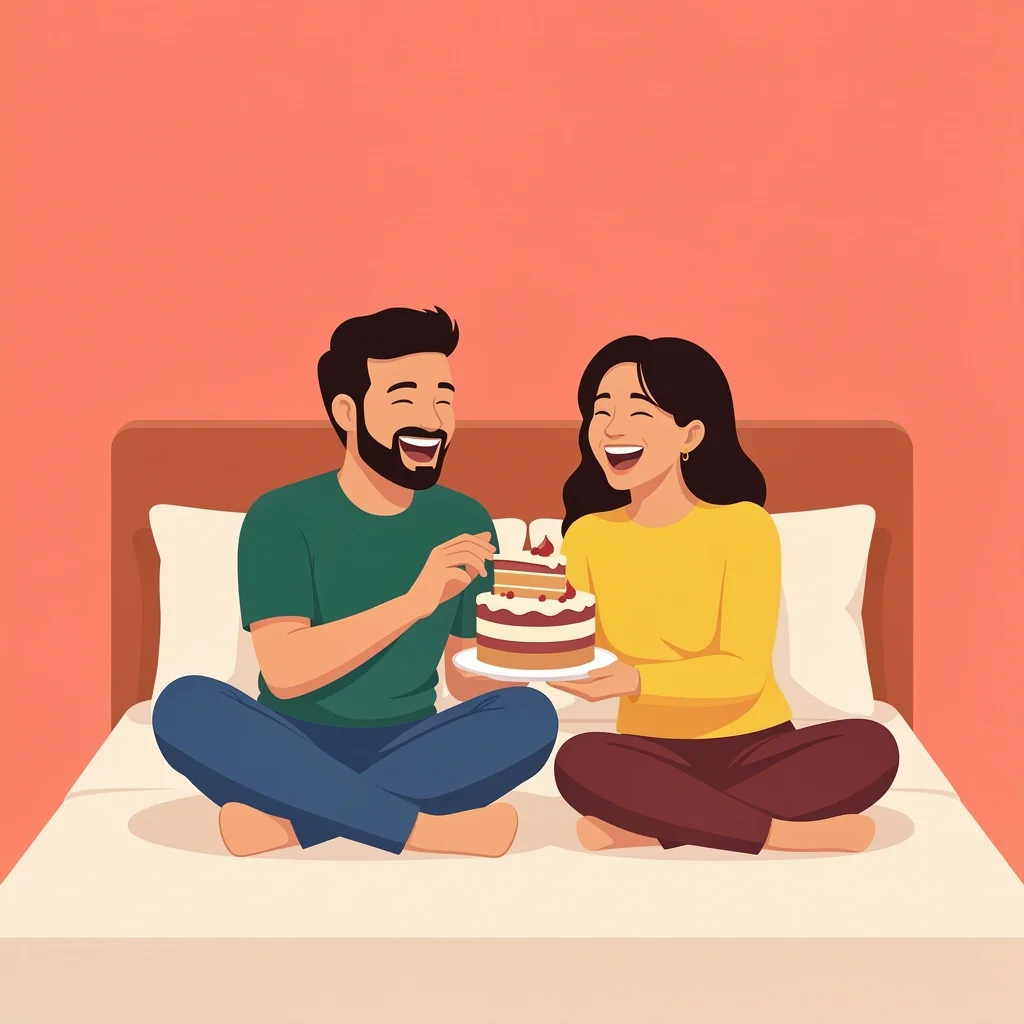
Let me say this clearly: Most couples do not have sex on their wedding night. That is normal. You will be exhausted. You will be emotionally drained. And you will have eaten too much cake.
The wedding day is psychologically intense. You have been performing emotional labor for twelve hours straight. The best “wedding night” often involves eating leftover food, laughing about the day, and falling asleep in your clothes. Giving yourself permission to skip the performance is the cure.
If you do want to be intimate, keep it low-pressure. Focus on connection, not performance. The expectation that your wedding night must be some magical, perfect, choreographed event is a lie sold by movies and magazines. Real life is messier and more beautiful than that.
Frequently Asked Questions
I’m the groom and I’m terrified. Is it weird for men to feel this way?
No. The data shows that grooms often suffer more silent anxiety than brides. The pressure to be the “calm one” is heavy. Many men feel they cannot express their nerves without being seen as weak. That is a lie. Talk to someone you trust. Your partner deserves to know how you feel, and hiding it only makes the pressure worse.
Can I take medication for speech anxiety on my wedding day?
Beta blockers like propranolol are commonly used off-label for performance anxiety. They work by blocking the physical symptoms of anxiety — shaking, sweating, racing heart — without sedating you. But you must discuss this with a doctor weeks in advance. Never take a new medication on the day of your wedding.
What do I do if a bridesmaid or groomsman is making my anxiety worse?
Assign them a specific job. Give them responsibility for the guest book, the DJ liaison, or the timeline. Triaging their energy into a clear role neutralizes their chaos. They feel useful, and you feel less burdened.
How do I handle the anxiety of not being able to eat all day because of nerves?
Your body needs fuel to handle stress. Plan a “stealth snack” — a protein bar, applesauce pouch, or crackers — in your getting-ready room. Eat it when no one is looking. Do not skip breakfast. A hungry body is a body that cannot regulate its own nerves.
Should I read Reddit threads about wedding anxiety?
Do not do this the week before your wedding. Reddit is a place for shared misery, not helpful solutions. If you need reassurance, talk to a real person who knows you and loves you. The internet will give you more problems, not fewer.
Everyone, especially during this type of celebration, has a tendency to forget things. Nervousness and excitement coexisted. That is why having someone to rely on who can take care of the details while you enjoy the party is important. Everyone was blown away by how wonderfully the staff handled the big number of guests I invited on my wedding at Victory North Savannah ).
That is so true. Thankfully, there are a few things that we can do to prepare for this special moment.