

I bought my first fake wedding ring for a backpacking trip through Southeast Asia. The real one stayed home in a safe. The fake one lasted three days before the plating wore off and the stone fell out while I was snorkeling. I learned a hard lesson that day: not all fake rings are created equal, and the cheapest option is almost never the best option.
If you are searching for a fake wedding ring, you probably want one for a specific reason. Maybe you are traveling. Maybe you work with your hands. Maybe you just want a backup that looks convincing. Whatever your reason, the ring you choose needs to match the situation you plan to wear it in. A ring that works for a beach vacation will not work for a construction site. A ring that looks real in photos may fall apart after a month of daily wear.
This guide breaks down the materials, the trade-offs, and the real-world performance of fake wedding rings so you can pick the one that actually fits your life.
Why You Need Two Different Kinds of Best
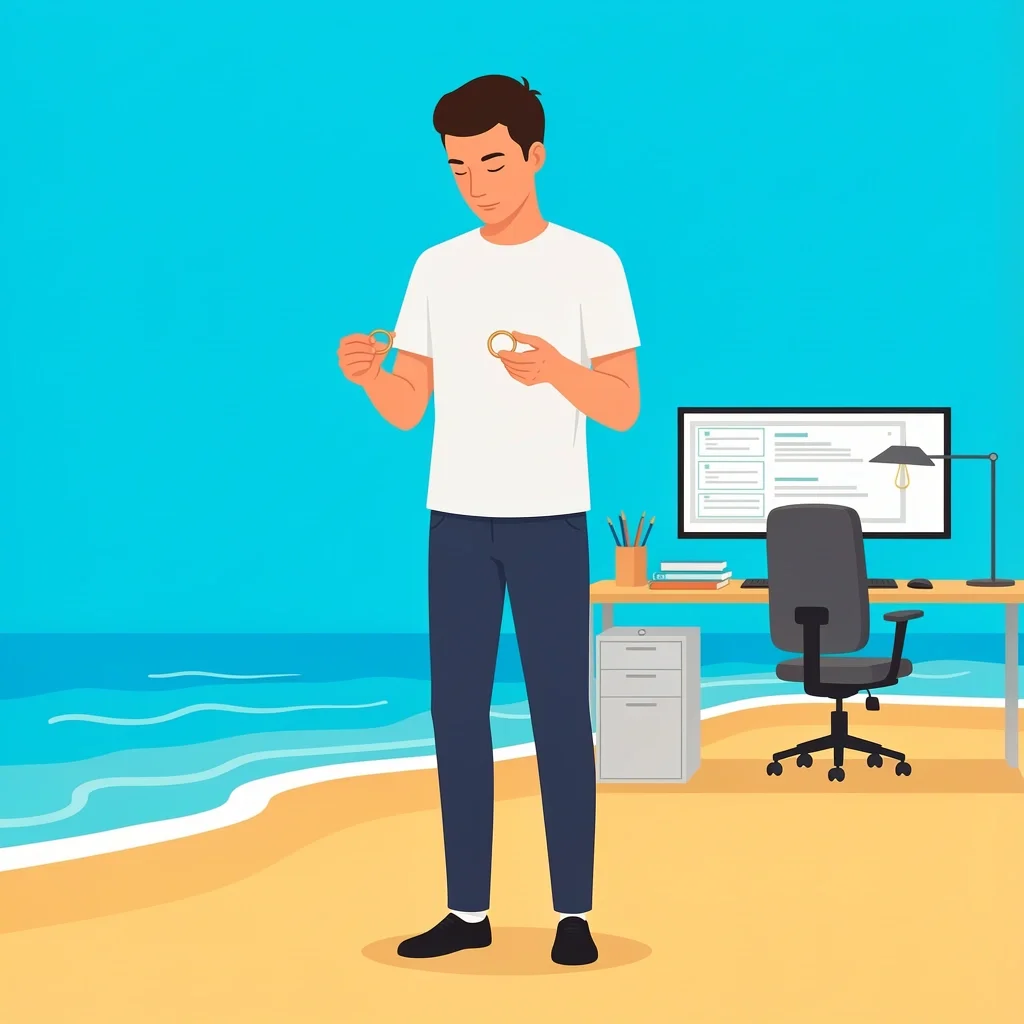
Most people search for a fake wedding ring because they want to separate their identity from their real ring. The real ring holds sentimental value. The fake ring holds practical value. But the best fake ring for a romantic weekend in Paris is not the same as the best fake ring for a week of hiking in the mountains.
Think of it this way: you are not looking for a single perfect ring. You are looking for the right tool for a specific job. The best fake ring for sparkle is moissanite. The best for durability is tungsten carbide. The best for weight and feel is a lab-grown diamond. Cubic zirconia is the best for budget, but it is rarely the best for anything else.
Here is the trade-off you need to understand: a ring that looks real often feels cheap. A ring that feels substantial often costs more. You have to decide which factor matters more for your situation.
That same logic applies to everything else you wear on the big day, so it is worth thinking through the full list of wedding accessories that fit your budget before you start buying.
The Hierarchy of Fakes: What You Actually Get
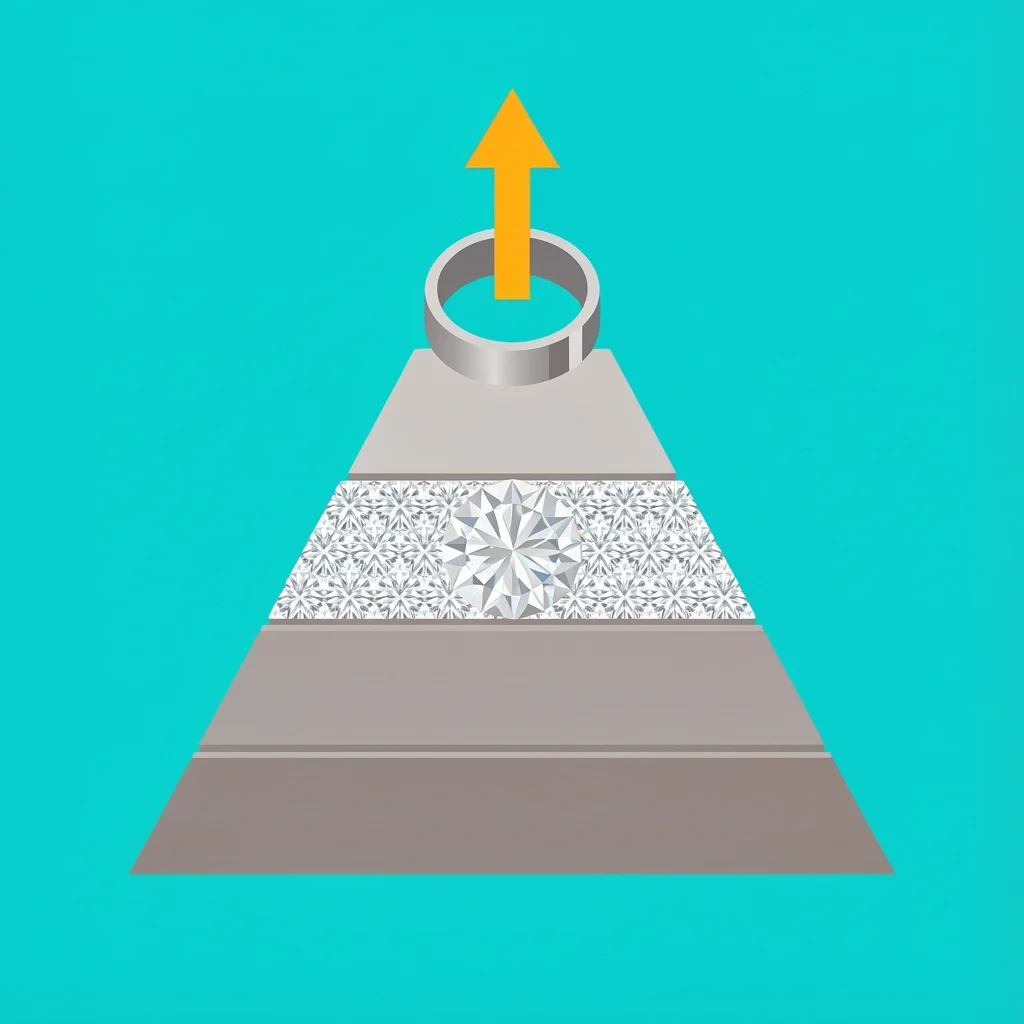
There are four main materials used in fake wedding rings. Each one behaves differently in real-world conditions.
Cubic Zirconia (CZ) is the cheapest and most common. A good CZ stone can look convincing in dim light, but it lacks the depth and fire of a real diamond. The biggest problem with CZ is that it scratches easily. After a few months of daily wear, the stone will look dull and cloudy. CZ also weighs less than a real diamond, so the ring feels light and flimsy on your finger.
Moissanite is the best option for sparkle. It has more fire than a real diamond, which means it throws rainbow flashes in direct sunlight. Moissanite is also very hard. It scores 9.25 on the Mohs scale, compared to 10 for diamond. This means it resists scratches well. The downside is that moissanite can look too sparkly in certain lighting, which makes it obvious to someone who knows what they are looking at.
Lab-Grown Diamond is chemically identical to a mined diamond. It has the same hardness, the same weight, and the same brilliance. The only difference is the price. A lab-grown diamond costs about 50 to 70 percent less than a mined diamond of the same quality. For a travel ring, this is the closest you can get to the real thing without the real price tag. But it still costs real money, so you have to decide if that investment is worth the peace of mind.
Tungsten Carbide is not a diamond simulant. It is a metal. But tungsten rings are popular as fake wedding bands because they are cheap, extremely durable, and scratch-resistant. Tungsten will not bend or warp. It will also not turn your finger green. The downside is that tungsten cannot be resized, and it will shatter if you hit it hard enough. For active use like hiking or weightlifting, tungsten is a solid choice.
The Real Enemy Is Not Theft, but Entropy
Every article about fake wedding rings talks about theft. They warn you about snatch-and-grab thieves in foreign cities. They tell you to leave the real ring at home so you do not get mugged. That is valid advice, but it misses the real problem.
The real enemy is entropy. Everything falls apart over time. Cheap rings fall apart faster.
I have seen three failure modes that ruin fake rings faster than any thief ever could.
Shank Snapping
The shank is the band of the ring. Cheap rings use hollow or thin metal that bends and snaps under pressure. If you grip a handrail on a staircase or carry a heavy suitcase, the shank can crack. Once the shank snaps, the ring is done. You cannot repair it. You have to buy a new one.
This is most common with plated rings made from brass or copper. The metal is soft and the plating is thin. After a few weeks of wear, the plating wears off and the base metal starts to weaken.
Stone Dislodging
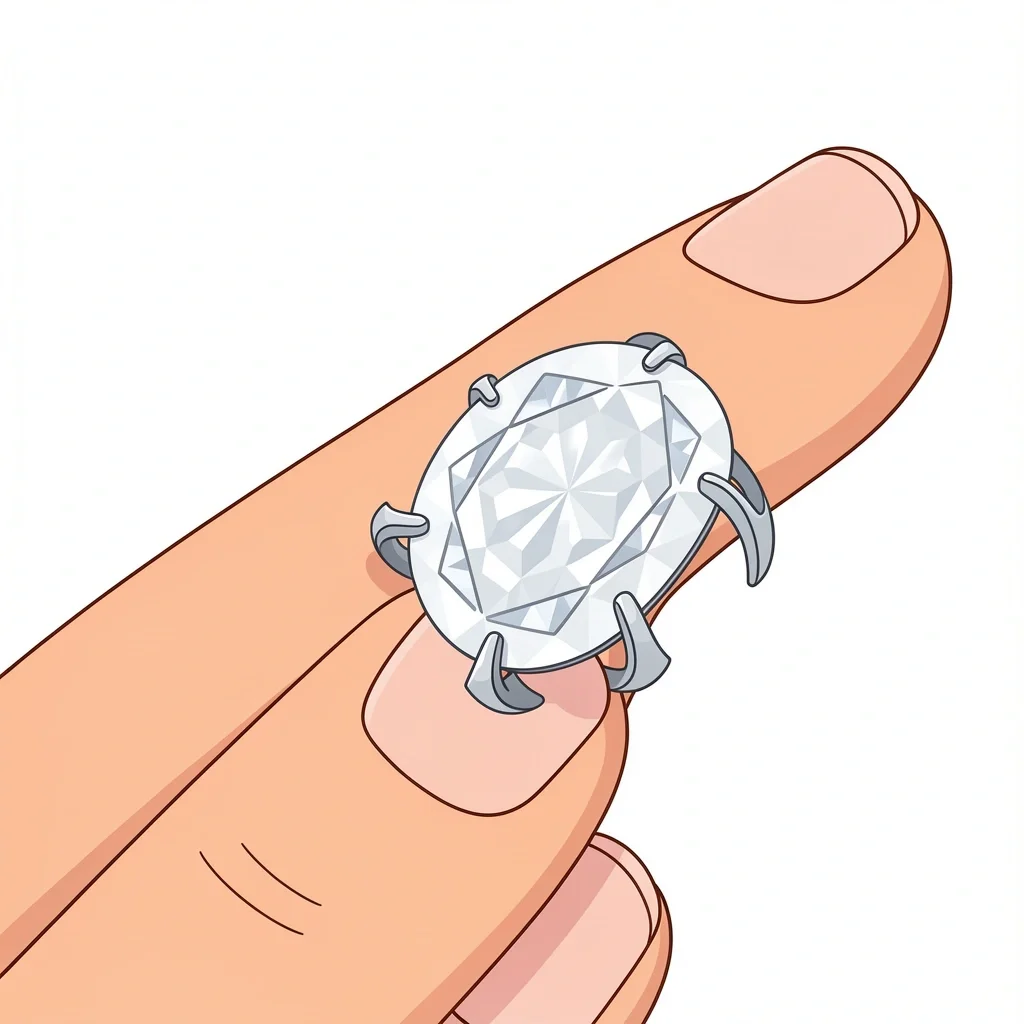
The stone in a fake ring is held in place by prongs or a bezel setting. Cheap rings use weak prongs that bend open when you bump the ring against a hard surface. Once the prongs bend, the stone falls out. I lost a CZ stone in a pool because the prongs were too thin to hold it.
Moissanite and lab-grown diamond rings usually have stronger settings because the stone itself is more valuable. But you still need to check the prongs before you buy. Look for rings with thick, well-anchored prongs or a full bezel that wraps around the stone.
Plating Wear
Most fake rings are plated with a thin layer of gold or rhodium. The plating wears off over time, especially on the underside of the band where it rubs against your skin. When the plating wears off, the base metal shows through. If the base metal is copper or brass, your finger will turn green. If it is nickel, you may develop a rash.
The only way to avoid plating wear is to buy a ring made from solid metal. Gold-filled and sterling silver rings hold up better than plated rings. Tungsten and titanium rings do not need plating at all.
The Best Fake Ring Cheat Sheet by Activity

Instead of listing products, here is a situational guide. Match your activity to the ring material that handles that activity best.
| Activity | Best Material | Why It Works |
|---|---|---|
| Backpacking and camping | Tungsten carbide | Scratch-proof, cheap, no plating to wear off |
| Beach vacation | Moissanite in sterling silver | Looks real in photos, resists salt water better than plated rings |
| Photogenic vacation | Moissanite in 14K gold | Sparkles in selfies, gold does not turn green |
| Daily office work | Lab-grown diamond | Feels and looks real, no one questions it |
| Gym and fitness | Silicone | Comfortable, no risk of injury, cheap to replace |
| Wearing with a Fitbit | Silicone | Won’t scratch the fitness tracker, comfortable all day |
| I want to feel the weight | Lab diamond in platinum | Heavy, cold, solid — identical to a real luxury ring |
| I want to spend under $50 | Cubic zirconia in gold-plated silver | Acceptable for short trips, but expect wear |
Debunking the Stress-Free Myth
There is a common belief that wearing a fake ring removes all stress. You can throw it in a bag. You can swim in the ocean. You can forget it on the nightstand. If you lose it, who cares? It was cheap.
That mindset is exactly what causes people to lose their fake rings.
When you wear a fake ring, you subconsciously disrespect it. You treat it like a disposable prop. You leave it on the table at a restaurant. You drop it in a taxi. You forget to take it off before jumping into a pool. And then you lose it, and you feel stupid.
Here is the solution: assign a mental value to your fake ring that has nothing to do with money.
Make it a vacation totem. Decide that this ring represents your trip to Thailand or your first anniversary. Give it a story. Once you attach a sentimental mission to the ring, you will treat it with the same care as your real one. You will check for it before you leave a room. You will take it off before swimming. You will put it in a safe place at night.
This is not about the ring. It is about your relationship with it. Treat a fake ring like a real one, and you will never lose it.
Frequently Asked Questions
Will a fake wedding ring turn my finger green?
Only if the base metal is copper or brass. When copper oxidizes, it leaves a green stain on your skin. This is harmless but annoying. Rings made from nickel-free stainless steel, titanium, tungsten, or sterling silver will not turn your finger green. Gold-filled rings also avoid this problem because the gold layer is thick enough to prevent oxidation.
How do I clean a fake diamond ring without damaging it?
Use warm water and a few drops of mild dish soap. Soak the ring for a few minutes, then gently scrub it with a soft toothbrush. Rinse and pat dry. Do not use an ultrasonic cleaner on cubic zirconia. The vibrations can crack the stone. Do not use ammonia or bleach, which can damage plated metals.
Can I resize a travel engagement ring?
Most fake rings cannot be resized. Plated settings crack under the heat and pressure of resizing. Tungsten and titanium rings cannot be resized at all. If you need a specific size, buy it correctly the first time or use a plastic ring sizer to adjust the fit.
Do airport metal detectors react to fake rings?
Only if the setting contains metal. Moissanite and cubic zirconia stones are inert and will not trigger detectors. But if the band is sterling silver, gold, platinum, or any base metal, it will set off the alarm. Silicone rings are the only safe bet for avoiding metal detectors.
What is the shine test to see if a fake ring looks real?
Hold the ring in a shaded area. A real diamond will go dark in low light. Cubic zirconia goes dark too, but it immediately returns to white when you move it back into the light. If the stone looks flat grey in the shade, it is CZ. Moissanite stays bright even in low light, which can be a giveaway to people who know diamonds.