
Every engaged couple eventually stares at a blank registry page and wonders: what do we actually need? Most lists treat everyone the same, but your life is different from your friend’s. Maybe you’re moving in together for the first time. Maybe you’ve shared an apartment for years and already own a toaster. Maybe you hate stuff and just want a honeymoon fund.
This guide works differently. First, figure out which couple you are:
- We’re nesters. Moving in together or newly cohabitating. You need the basics: pots, sheets, a decent vacuum.
- We’re upgraders. You have everything functional, but you want better. Think a stand mixer, a robot vacuum, or high-thread-count sheets.
- We’re minimalists or experiences-only. You don’t want more things. You want money for the house, a honeymoon, or charity.
I’ll call out which strategy works for each type as we go. Let’s build a registry that reflects your actual life—not some wedding-industry template.
Start With Your Foundation (The Non-Negotiables)
Before you dream about pizza ovens and espresso machines, you need the stuff that makes daily life possible. This section is for nesters. Upgraders can skim; minimalists can skip entirely.
Cooking Fundamentals
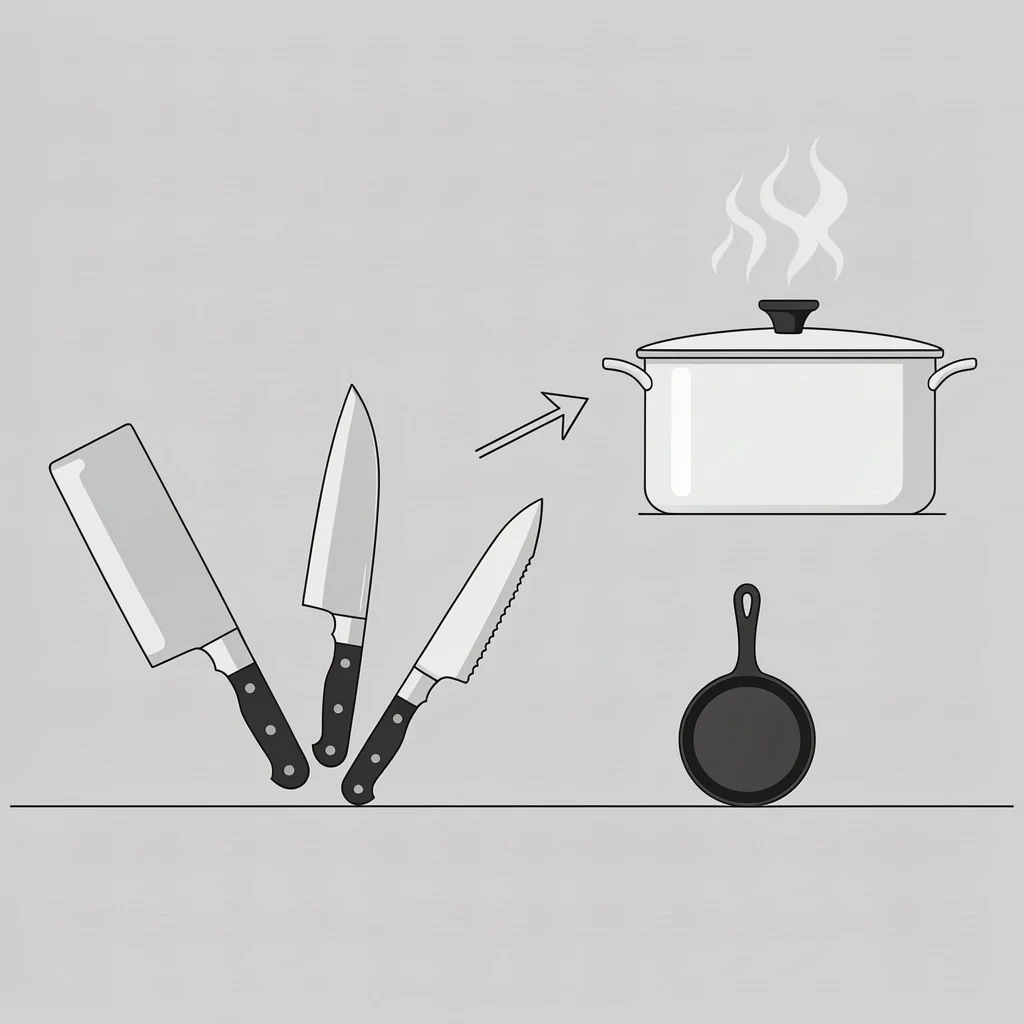
You don’t need 15 knives. You need three good ones: a chef’s knife, a serrated knife, and a paring knife. A quality set of pots and pans (nonstick skillet, saucepan, stockpot) will carry you through years of dinners. Add a Dutch oven, a cast-iron skillet, and a set of mixing bowls.
Skip this if: You already have a functional kitchen set or you eat out most nights.
Eating and Serving
Register for 8 to 12 place settings of everyday dishes, glassware, and flatware. Add a set of wine glasses and a couple of serving platters. You don’t need fine china unless hosting formal dinners is your thing.
Skip this if: You have complete sets you like, or you prefer minimalist nesting bowls and mugs.
Sleeping and Bathing
Two sets of good sheets (cotton or linen, 300+ thread count makes a difference), four bath towel sets, a duvet insert with a cover, pillows, and a mattress topper. These items wear out fast; registering for quality versions now saves you buying cheap replacements later.
Skip this if: You just upgraded your bedding or have allergies that require specific materials.
Cleaning and Maintenance
A quality vacuum (your current one probably isn’t great), a broom and dustpan set, a toolkit with basic essentials (hammer, screwdrivers, pliers), and storage bins. These are boring but guests appreciate buying something they know you’ll use.
Skip this if: You already own functional versions and you’re not picky about the next upgrade.
The Upgrade Zone (Where Your Registry Gets Interesting)
This section works for all three couple types. Nesters get aspirational items they wouldn’t buy themselves. Upgraders find worthy replacements. Minimalists discover high-function items that earn their space.
Tier 1: The Everyday Elevators
- High-end coffee machine. A super-automatic espresso maker or a quality drip machine like Technivorm Moccamaster. You’ll use it daily.
- Robot vacuum. The single best purchase many couples swear by. Set it to run while you’re at work and come home to clean floors.
- Smart home starter. A smart thermostat, smart speakers, and smart lights make your home feel modern and save energy.
- Good knives. A chef’s knife from Wüsthof or Shun can last a lifetime.
- High-thread-count sheets. Look for long-staple cotton, not just a high number. Percale for cool sleep, sateen for a soft hand.
Tier 2: The Hosting Heroes

- Outdoor pizza oven. Ooni or Gozney—makes weeknight dinners feel like a party.
- Wine fridge or beverage center. Keeps bottles at the right temp and frees up refrigerator space.
- High-powered blender. Vitamix or Blendtec for smoothies, soups, and frozen drinks.
- Charcuterie board set. A large board with cheese knives and small bowls for olives and spreads.
- Cocktail kit. A quality shaker, jigger, strainer, and muddler. Add a set of rocks and coupe glasses.
Tier 3: The “I Can’t Believe I Get to Own This” Items
- Stand mixer. Yes, it’s for baking, but it also kneads dough, whips cream, shreds meat, and makes pasta. Even non-bakers get use out of it.
- Air fryer or Instant Pot. Honest take: air fryers are great for crispy food with less oil; Instant Pots are life-savers for quick stews and rice. Pick one based on your cooking style.
- Smart luggage. Suitcase with a built-in scale and USB charger. Makes travel smoother.
- Outdoor fire pit. Extends your living space into the backyard for s’mores and conversations.
The key with upgrade items: register for things you’d feel guilty buying yourself. The registry is the one time you can ask for luxury without apology.
The Life-Stage Adjustments (What to Register For Based on Where You Live)
Your current living situation changes everything. Here’s what to prioritize based on your circumstances.
If You’re Moving In Together for the First Time
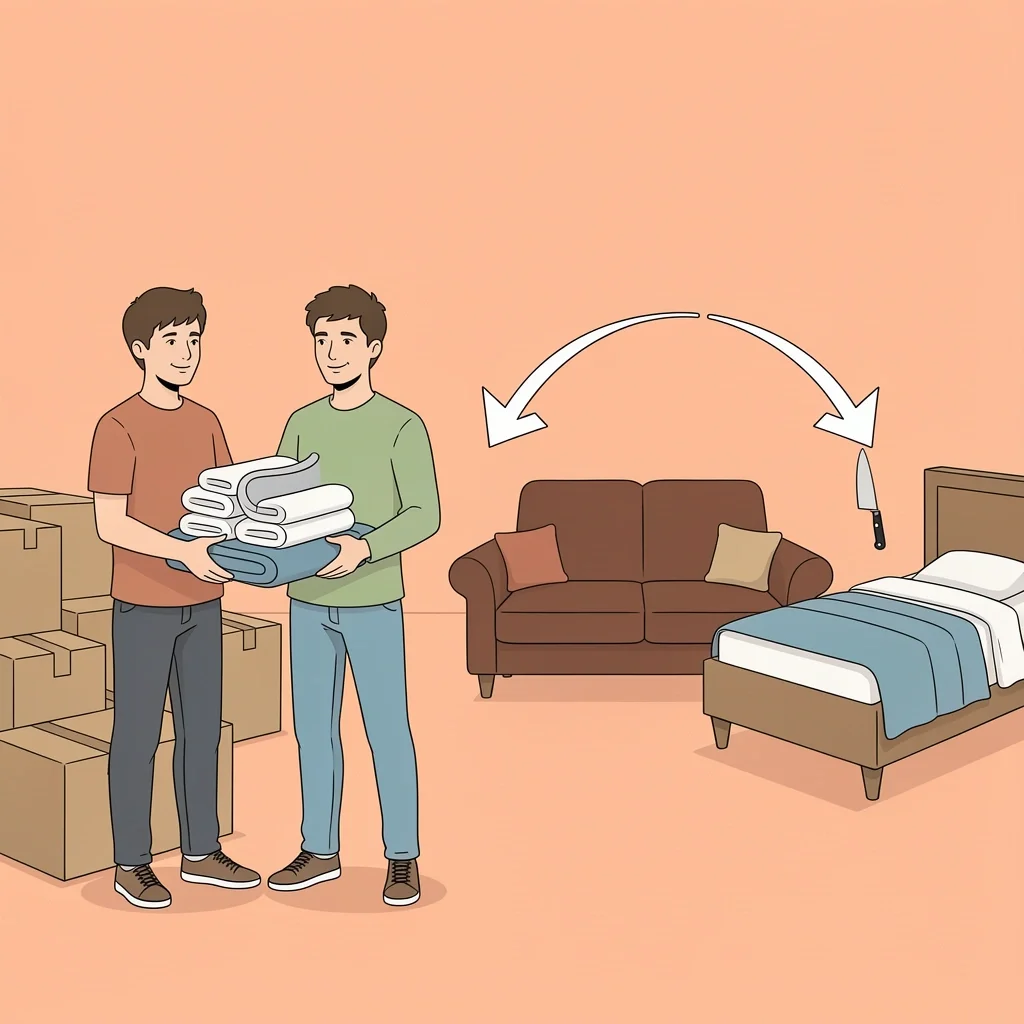
Your biggest risk is underestimating what you need. Bridal shower gifts often focus on smaller items, so lean into that: kitchen gadgets, linens, decorative accents. Also register for gift cards to home stores—you’ll discover gaps after you unpack.
- Two sets of bath towels per person (a surprising cause of early arguments).
- Quality kitchen gear that prevents frustration: a good chef’s knife, a nonstick pan that won’t peel, a vegetable peeler.
- Storage and organization bins, shoe racks, drawer dividers.
- A second set of sheets and a backup duvet.
If You’ve Lived Together 2+ Years
You have the basics. This is about replacement and expansion. Register for upgraded versions of things you use every day: better cookware, nicer flatware, a more efficient vacuum. Also look for items that add a new capability to your home—a pasta maker if you cook date nights, a projector for movie marathons, a camping set if you love the outdoors.
To avoid duplicates, scan your home inventory and exclude items you already own and love. Consider a “wedding registry for people who have everything” approach: focus on experiences and cash funds for future dreams.
If You’re Buying a Home or Renovating
Your registry can support the big moves: gift cards to home improvement stores (Lowe’s, Home Depot, a local hardware shop), a quality tool kit with power tools, a lawn mower or snow blower, and furniture funds. Register for smart home installations like a video doorbell or smart lock. And consider a subscription to a tool rental service if you plan to DIY.
The Non-Traditional Registry (Money, Experiences, and Meaningful Alternatives)
Many couples want to ask for cash or experiences but feel awkward. Normalize it. Guests actually prefer contributing to something specific rather than writing a check.
Cash Funds Done Right
Frame cash funds as experiences, not a generic donation. Examples:
- “Help us enjoy a dinner in Paris” (with a specific restaurant name).
- “Contribute to our new home’s down payment.”
- “Fund a weekend getaway for our first anniversary.”
- “Support our kitchen renovation” (include a photo of the planned design).
Use platforms like Zola, Honeyfund, or The Knot that allow guests to “buy” a dinner or a hotel night. Provide a brief thank-you message for each fund.
Experience-Based Registries
- Cooking classes, wine tasting memberships, concert or theater tickets.
- National park passes and adventure gear (kayaks, camping hammocks, hiking backpacks).
- Spa packages—couples massages, meditation retreats, wellness weekends.
Mix experiences alongside physical items on the same registry. Most platforms support both.
Charitable and Legacy Registries
- Donations to a cause you both care about (animal shelter, environmental nonprofit, local food bank).
- “Seed” a community project—plant trees, sponsor a child, fund micro-loans via Kiva.
- Share your chosen charity’s mission on your registry page so guests feel connected.
Subscription and Service Registries
- Meal kits (HelloFresh, Blue Apron), wine or coffee clubs, cheese-of-the-month.
- Cleaning service for a few deep cleans after the wedding.
- Lawn care, pest control, or a home warranty subscription.
The rule: be specific about what the money or subscription will do. Guests love knowing exactly how their gift will be used.
The Guest Psychology Playbook (Thinking Like a Gift-Giver)
Most couples forget that guests want to feel good about their purchase. Use these strategies to make your registry a joy to shop from.
Price Range Strategy
- $25–$50: The sweet spot. Guests feel great about getting a personal item—a cutting board, a set of linen napkins, a nice candle.
- $50–$100: Group-able. Bundle smaller items into a “kit” so guests feel they’re giving a substantial gift.
- $100+: Make it worth it. A Vitamix, a stand mixer, a quality mattress topper. Ensure the price matches the perceived value.
Characteristics of a Giftable Item
- Looks impressive in the box (nice packaging matters).
- Tells a story. Instead of “colander,” note “for draining fresh pasta on Sunday nights.”
- Feels personal. Monogrammed towels or engraved cutting boards make guests feel their choice is special.
What Guests Secretly Wish
- Keep your registry updated. When items get bought, add new ones so they don’t see a barren list.
- Include sizes and colors. A guest shouldn’t have to guess if you want king or queen sheets.
- Write a brief “why we chose this” note. Even one sentence—”We love making from-scratch pizza on Fridays”—makes the gift feel intentional.
- Send thank-you notes within two months. Mention how you used the item.
The One-Year Check (Items You’ll Appreciate After the Wedding Haze Clears)
Some items don’t feel exciting now but become your favorites after the honeymoon phase ends.
The “Date Night” Registry
- Board games or two-player card games (Carcassonne, Azul, Hive).
- Home movie projector and screen—creates an at-home cinema for Friday nights.
- Fondue set or raclette grill. Interactive cooking that forces you to sit and eat slowly.
- Painting kits or craft supplies for two.
The “Home Improvement” Registry
- Art and wall decor. Register for frames to put your wedding photos in.
- Rugs and runners. They define spaces and add warmth.
- Indoor plants or a planter set. Greenery makes a house feel alive.
- A bookshelf or bar cart to style corners.
The “You” Registry
Don’t register only for shared items. Each partner should pick one splurge item that’s just for them—a high-end hair tool, a gaming chair, a fountain pen, a yoga mat. This balances the registry and prevents resentment.
The Registering Dos and Don’ts (Etiquette You’ll Actually Want to Follow)
DO
- Start early and add gradually. Once the engagement is announced, create your registry within a month.
- Include items from at least two stores (one physical, one online).
- Register for 1.5 to 2 items per guest. If you have 100 guests, aim for 150–200 items.
- Allow group gifting for big-ticket items so guests can pool contributions.
DON’T
- Put registry info on the invitation. Use your wedding website or word of mouth.
- Include only expensive items. Even if you want luxury, offer low-cost options.
- Forget your partner’s preferences. The registry should reflect both of you.
- Register for personal grooming items (lingerie, perfume, electric razors). They feel awkward for guests.
Frequently Asked Questions
When should we create our wedding registry?
Start 6 to 8 months before the wedding. This gives bridal shower guests and out-of-town friends time to shop. You can add items later as new ideas come up.
How many items should we register for?
Aim for 1.5 to 2 items per invited guest. For 100 guests, that’s 150–200 items. This ensures variety and prevents the registry from being picked clean.
Can we register for items at different stores?
Yes. Most couples use 1 to 3 stores. Pick one physical store (like Target or Crate & Barrel) and one online platform (like Zola or Amazon). Services like Zola let you combine multiple stores into one registry.
Is it okay to include gifts at different price points?
It’s essential. Include items from $25 to $250+ so guests of all budgets can find something comfortable. The biggest mistake is only registering for expensive items—it pressures guests.
What if we already have everything we need?
Focus on upgrades (better knives, nicer sheets, a robot vacuum), experiences (meal kits, wine subscriptions, classes), and cash funds (honeymoon, home down payment, renovations). Don’t register for things you won’t use.
Can we ask for cash instead of physical gifts?
Yes, but frame it as specific funds. “Help us buy our first home” or “Treat us to a dinner in Tuscany” feels more personal than a generic cash donation. Most registry platforms support cash funds alongside physical gifts.
How do we handle family expectations about traditional gifts?
Talk directly to parents or anyone who feels strongly about china or silver. Explain your reasoning—maybe you’re upgrading your cookware or saving for a house. Most families will respect your decision if you communicate early.
Should we make a separate registry for the bridal shower?
Your bridal shower registry is usually a subset of your main wedding registry. Include smaller, personal items like candles, picture frames, kitchen gadgets, and bath products. Shower guests often prefer gifts under $75.
While you’re curating your registry, it’s also a great time to start thinking about bridesmaid gifts that reflect their unique personalities and fit within your budget.
What’s the best way to thank guests for registry gifts?
Send a handwritten note within 2–3 months of receiving the gift. For pre-wedding gifts (shower, engagement party), send them promptly. Mention the specific item and how you plan to use it—guests love hearing their gift made a difference.
Your registry isn’t just a list of things. It’s a declaration of how you want to build your life together. Make it count.