

Burnout is not a personal failure. It is a predictable outcome when certain conditions go unaddressed for too long. Most advice on avoiding burnout focuses on surface-level fixes like taking more bubble baths or learning to say no. Those things help, but they treat the symptom, not the cause. The real keys to avoiding burnout are a systematic response to the specific drivers that drain you. If you understand those drivers, you can build a life that keeps you running well for decades.
What Burnout Actually Is (and Isn’t)
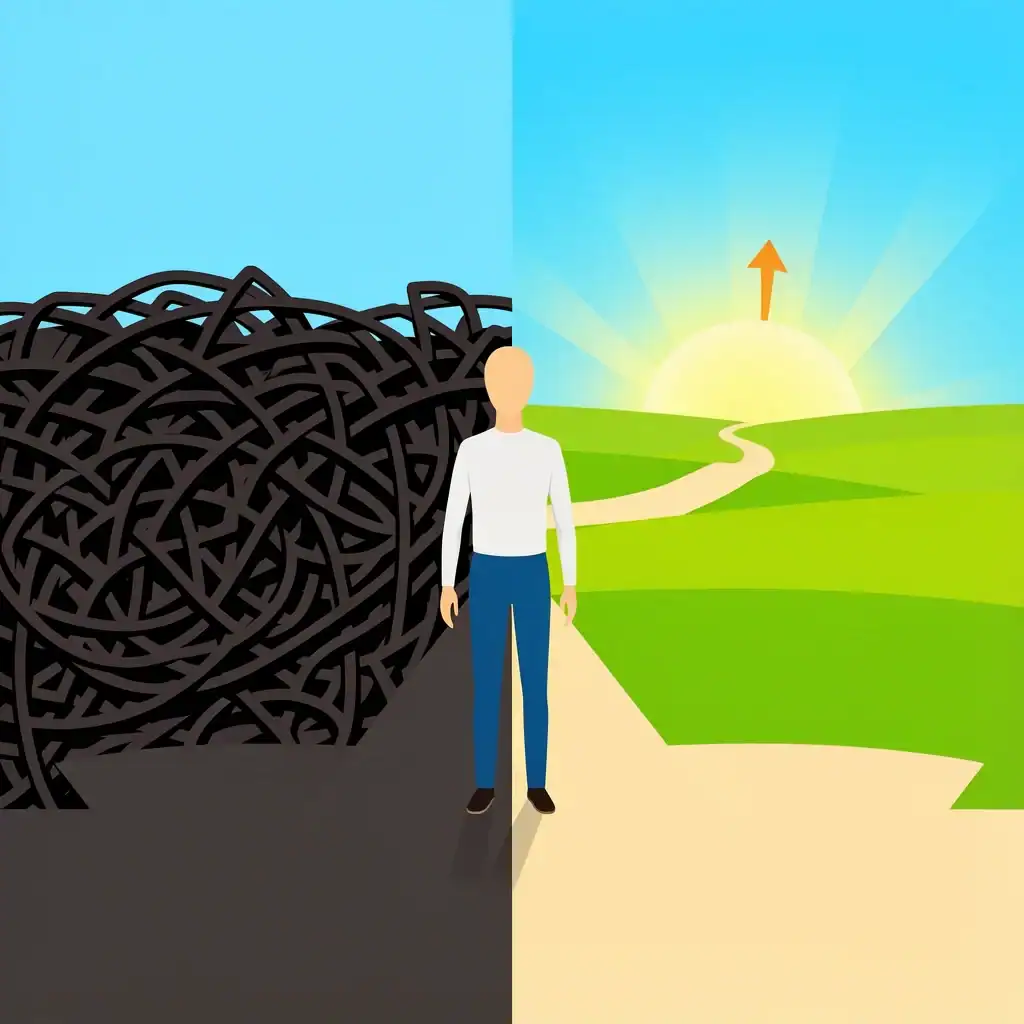
Burnout is not just being tired. It is a state of emotional, physical, and mental exhaustion caused by prolonged and excessive stress. It happens when you feel overwhelmed, emotionally drained, and unable to meet constant demands. As the stress continues, you begin to lose the interest and motivation that led you to take on a certain role in the first place.
Burnout reduces your productivity and saps your energy, leaving you feeling increasingly helpless, hopeless, cynical, and resentful. Eventually, you may feel like you have nothing more to give.
The World Health Organization classifies burnout as an occupational phenomenon. It has three dimensions:
- Exhaustion: Feeling drained and depleted of energy.
- Cynicism: Increased mental distance from your job, or negative feelings toward it.
- Inefficacy: Reduced professional accomplishment and a sense of incompetence.
Burnout is different from depression. Depression affects all areas of life. Burnout is specifically tied to work or your primary role. If you feel better on weekends or during vacations, you are likely dealing with burnout, not depression.
The Six Root Causes That Trigger Burnout

Researchers Christina Maslach and Michael Leiter identified six areas where mismatches between you and your work environment lead to burnout. These are not random. They are the specific pressure points that, when out of balance, cause the exhaustion, cynicism, and inefficacy that define burnout.
Workload Mismatch
This is the most obvious cause. You have too much to do and not enough time, energy, or resources to do it. But it is not just about volume. It is also about the type of work. If your job requires constant emotional labor (like customer service or caregiving) without recovery time, you will burn out faster than someone doing physical labor with regular breaks.
Ask yourself: Do I regularly work through lunch or skip breaks? Do I feel like I can never catch up?
Lack of Control
You cannot control your schedule, your priorities, or how you do your work. Someone else decides what matters and when it must be done. This is a fast track to burnout because it removes your sense of agency. When you have no control, every task feels like an obligation, not a choice.
Ask yourself: Can I decide how to do my work? Do I have a say in my deadlines?
Insufficient Reward
This is not just about money. It includes recognition, appreciation, and a sense of doing meaningful work. When you put in effort and get nothing back — no thanks, no promotion, no sense of progress — you stop caring. The effort feels wasted.
Ask yourself: Do I feel valued for what I do? Do I see the impact of my work?
Breakdown of Community
Humans need connection. When your workplace or home environment is filled with conflict, isolation, or lack of trust, burnout accelerates. You cannot sustain effort in a place where you feel alone or under attack.
Ask yourself: Do I have people at work or home who genuinely support me? Do I feel like I belong here?
Lack of Fairness
When you perceive that decisions are made unfairly, that promotions go to the wrong people, or that you are treated differently than others, resentment builds. Fairness is not about equality in every detail. It is about transparency and consistency. When the rules seem to change for certain people, your motivation drops.
Ask yourself: Are decisions at work transparent? Do I feel like I am judged by the same standards as everyone else?
Value Conflict
This happens when your personal values clash with the values of your organization or role. You might believe in honesty, but your job requires you to mislead customers. You might value family, but your workplace demands 60-hour weeks. When you cannot act on your core values, you feel like a fraud. That internal conflict is exhausting.
Ask yourself: Does my work align with what I believe is right? Do I feel like I have to compromise my integrity to succeed here?
The Four Universal Keys to Avoiding Burnout
These four keys are not random tips. They are direct responses to the six root causes above. Each key addresses one or more of those mismatches. You do not need to master all four at once. Pick the one that matches your biggest mismatch and start there.
Key 1: Restore Control

Control is the antidote to helplessness. When you feel like a passenger in your own life, burnout accelerates. Restoring control means making deliberate choices about what you do and when you do it.
Start with small boundaries. Pick one hour each day that is completely yours. No meetings, no emails, no calls. Use it for focused work or complete rest. Tell your team or family that this hour is non-negotiable. Most people will respect a clear boundary more than a vague complaint.
If your job allows, negotiate your tasks. Ask your manager: “If I could focus on the three things that matter most, what would they be?” Then drop or delegate everything else. You will be surprised how much of your workload is optional.
Key 2: Rebalance Demands and Resources

The Job Demands-Resources model says burnout happens when demands exceed resources. Demands are things like workload, time pressure, and emotional strain. Resources are things like autonomy, social support, feedback, and skill variety.
The fix is not always to reduce demands. Sometimes you can increase resources. If your workload is high but you have strong support from a team, you can handle more. If you have no support, even a moderate workload can break you.
Make a list of your top three demands and your top three resources. If the demands outweigh the resources, you need to either cut a demand or add a resource. You cannot willpower your way through a resource deficit.
Key 3: Realign Values

When your personal values clash with the values of your organization or role, burnout is almost guaranteed. You cannot sustain effort in a system that asks you to act against what you believe.
This key requires honest reflection. Write down your top three personal values. Then write down the values your workplace or role actually rewards. If they conflict, you have three options:
- Find a way to fulfill your values within the role (for example, if you value honesty, find a way to be transparent even if the culture is secretive).
- Change roles within the same organization.
- Leave for a place where values align.
Most people try to ignore this mismatch. That never works. The conflict will drain you faster than any workload.
Key 4: Build Rescue Networks

Social support is not about having a lot of friends. It is about having the right kind of support. You need people who understand your specific context. A pastor needs other pastors. A nurse needs other nurses. A remote worker needs other remote workers.
These rescue networks serve two purposes. First, they provide practical advice. Someone who has been through what you are going through can tell you what actually works. Second, they provide emotional validation. Knowing you are not alone in your struggle reduces the shame and isolation that make burnout worse.
Build your network before you need it. Join a professional group. Schedule a regular coffee with a peer. Do not wait until you are desperate.
Key 2: Rebalance Demands and Resources
This key is about matching what you give with what you get. Every job or role has demands (what you must do) and resources (what helps you do it). When demands consistently exceed resources, burnout is inevitable.
Make a simple list. On one side, write your top three demands. On the other side, write your top three resources. If the demands list is longer or heavier, you need to act.
You can reduce demands by saying no, delegating, or renegotiating deadlines. You can increase resources by asking for better tools, more training, or more support from colleagues. The goal is not zero demands. The goal is a sustainable ratio.
Key 3: Realign Values
This key is about integrity. When your daily actions match your core beliefs, work feels meaningful. When they do not, every task feels like a compromise.
Take 15 minutes to write down what matters most to you. Not what you think should matter. What actually matters. Then look at your daily schedule. Does your time reflect those values? If you value family but work 60 hours a week, you have a value conflict. If you value creativity but your job is all spreadsheets, you have a value conflict.
The fix is not always to quit. Sometimes you can adjust your role. Sometimes you can find meaning in small parts of the work. But if the gap is too wide, you need to change your environment.
Key 4: Build Rescue Networks
Isolation is a major predictor of burnout. When you face challenges alone, every problem feels bigger than it is. A rescue network is a small group of people who understand your specific context and can offer both practical help and emotional support.
This is not about having a large social circle. It is about having a few people who get it. If you are a teacher, find other teachers. If you are a parent of young children, find other parents in the same stage. If you work in a high-stress field, find peers who face the same pressures.
And in your personal life, establishing healthy marriage boundaries can help you preserve the energy you need to show up for those relationships.
Schedule regular contact with these people. A weekly check-in call or a monthly lunch is enough. The key is consistency. You need to know they are there before you need them.
Why Self-Care Alone Fails
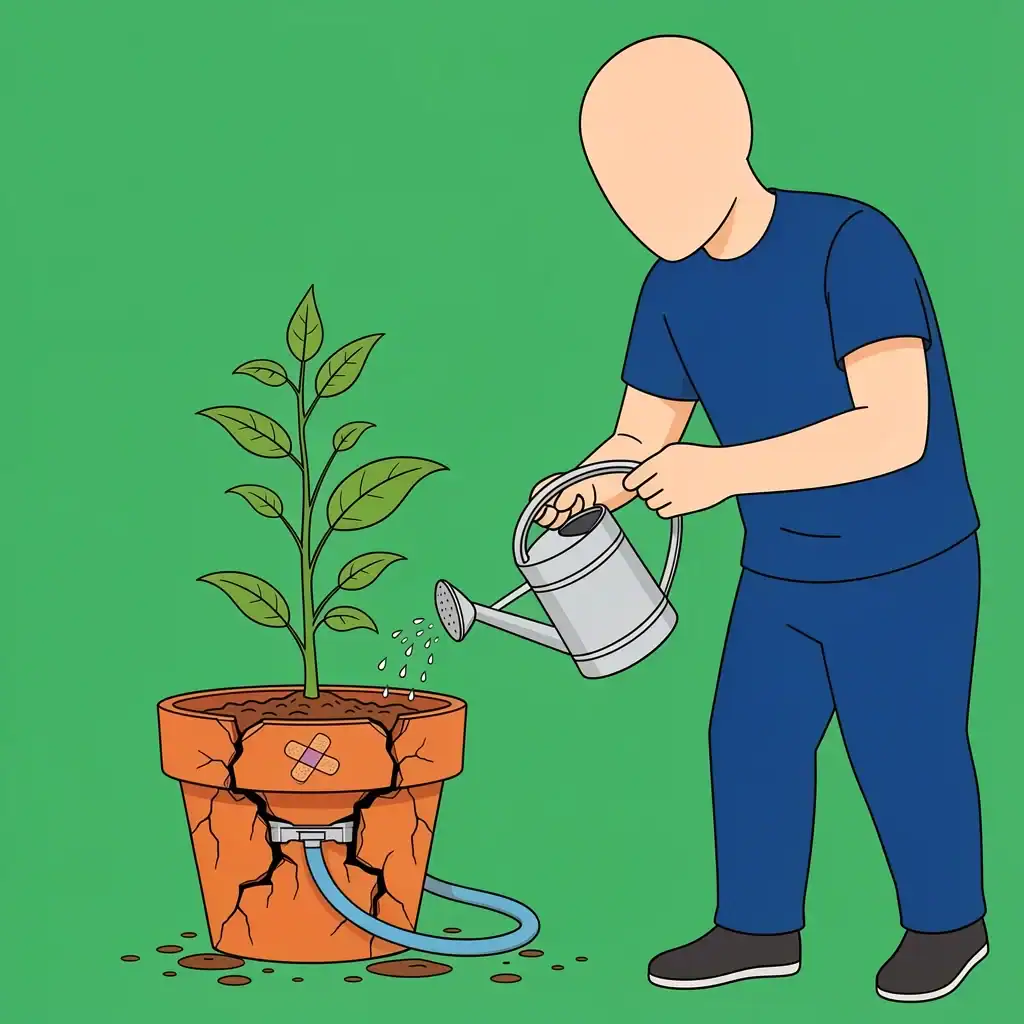
The most common advice for burnout is “take care of yourself.” Eat well, exercise, sleep more, take vacations. This advice is not wrong, but it is incomplete. Self-care treats the symptoms of burnout, not the causes.
You can exercise every day and still burn out if your workload is unsustainable. You can sleep eight hours and still burn out if your values clash with your job. You can take a vacation and still burn out if you return to the same toxic environment.
Self-care is a maintenance activity, not a prevention strategy. It keeps your engine running, but it does not fix a broken fuel line. The real keys to avoiding burnout are the systemic changes that address the root causes. Self-care supports those changes, but it cannot replace them.
How to Know Which Key Applies to You

Not every key is equally important for everyone. Your biggest mismatch determines which key you need most. Use this simple self-assessment to find your starting point.
| If you feel… | Your likely mismatch | Start with this key |
|---|---|---|
| Overwhelmed by the volume of work | Workload mismatch | Rebalance demands and resources |
| Helpless and powerless | Lack of control | Restore control |
| Unappreciated or invisible | Insufficient reward | Rebalance demands and resources (focus on resources) |
| Isolated or misunderstood | Breakdown of community | Build rescue networks |
| Angry about unfair treatment | Lack of fairness | Restore control (advocate for transparency) |
| Like a fraud or conflicted | Value conflict | Realign values |
Frequently Asked Questions
What are the 5 C’s of burnout?
The 5 C’s are a simplified model for understanding burnout risk: Competence, Control, Coping, Community, and Confidence. When any of these five areas is weak, your risk of burnout increases. Competence means you have the skills for your role. Control means you have autonomy. Coping means you have healthy stress management strategies. Community means you have social support. Confidence means you believe in your ability to handle challenges.
What is the 42% rule for burnout?
Research has found that about 42% of burnout risk is linked to poor work-life boundaries. This includes things like checking email after hours, working on weekends, and not taking full breaks. The 42% rule is a reminder that a significant portion of burnout is preventable by setting and enforcing clear boundaries between work and personal time.
How do I avoid burnout when working from home?
Working from home blurs the line between work and life. The keys to avoiding burnout in this context are the same, but the application changes. Restore control by setting a hard stop time for work. Rebalance demands by creating a dedicated workspace that you can leave at the end of the day. Build rescue networks by scheduling virtual coffee chats with colleagues. Realign values by ensuring your home workspace reflects what matters to you, not just what your employer needs.
Can burnout be reversed without quitting my job?
Yes, if you catch it early. The three highest-leverage actions are: (1) Renegotiate your workload with your manager, (2) Set a non-negotiable boundary around one area of your life (like no work after 6 PM), and (3) Join or create a support group of peers in your field. If you have been burned out for more than six months, you may need a longer break or a role change to fully recover.
Putting It All Together
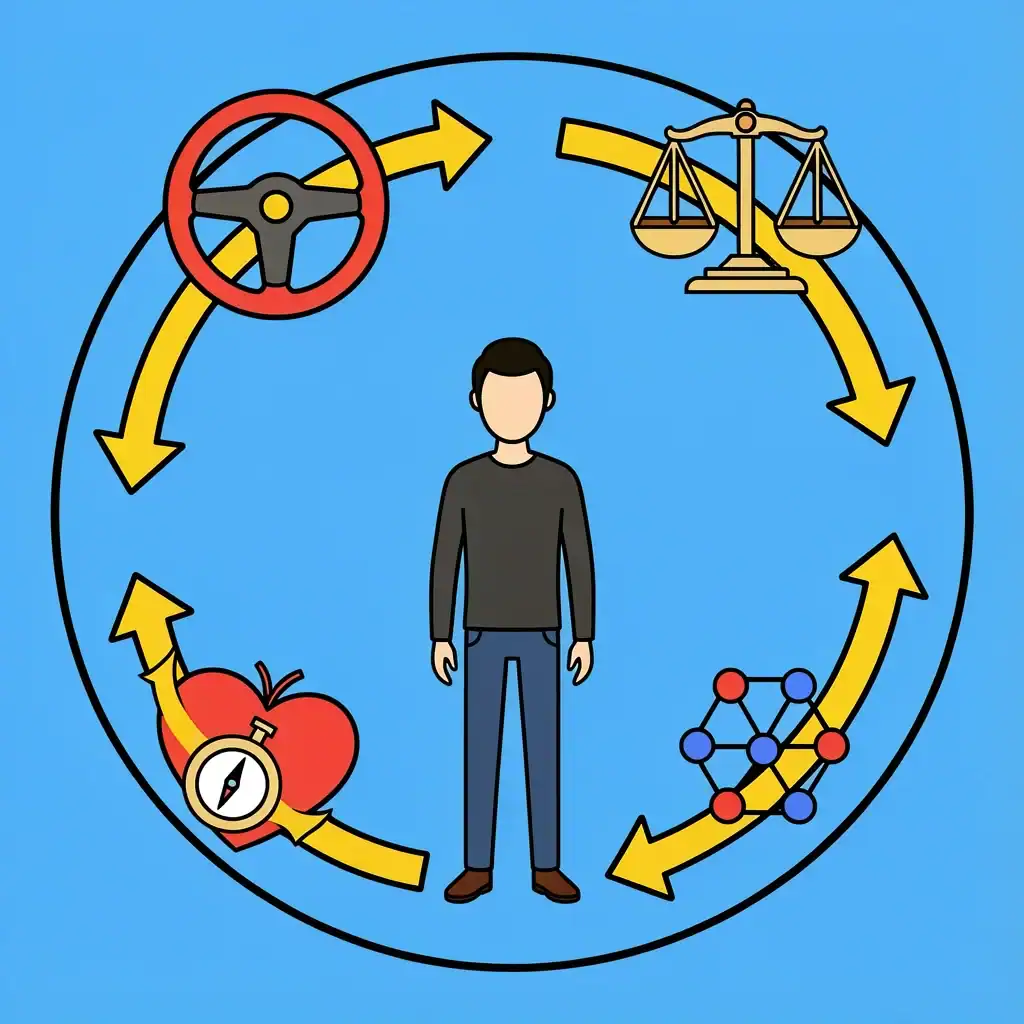
The keys to avoiding burnout are not complicated, but they require honesty. You have to look at your situation and admit which mismatch is hurting you most. Then you apply the corresponding key. Not all at once. One at a time.
Start with the key that matches your biggest mismatch. If you feel out of control, restore control first. If you feel alone, build a rescue network. If you feel like your work has no meaning, realign your values. Each key builds on the others, but you only need to start with one.
Burnout is not a life sentence. It is a signal that something in your environment needs to change. Listen to that signal. Use these keys to make the change. You will not just survive. You will find the energy to do work that matters for a long time.