
The average wedding dress weighs between 5 and 10 pounds (2.3 to 4.5 kilograms). But that number is a wide range for a reason: fabric, silhouette, embellishments, and size all shift the scale dramatically. Here is how to understand what your dress will actually weigh.
What Determines the Weight of a Wedding Dress?

Three main factors control how heavy a dress ends up: the silhouette, the fabric, and the amount of decoration. Size also plays a role, but it is often overlooked.
Silhouette
Ball gowns with full skirts use the most fabric. They often have multiple layers of tulle or crinoline underneath. At the other end, sheath dresses hug the body and use much less material. Mermaid and trumpet styles fall in between because they have some extra fabric at the bottom but are fitted through the torso.
Fabric
Heavier fabrics like satin, mikado, and textured lace add more weight. Light fabrics like chiffon, organza, and soft tulle keep the dress airy. A dress made entirely of satin will weigh more than one made of the same style in chiffon, even if the cut is identical.
Embellishments
Beading, sequins, pearls, and heavy embroidery can add 2 to 4 pounds to an otherwise simple dress. A fully beaded bodice alone might weigh as much as a lightweight sheath dress. Trains also add fabric and weight, especially cathedral-length trains.
Size
As dress size increases, so does the amount of fabric. A general rule: every two dress sizes add roughly 0.5 to 1 pound. A size 4 ball gown might weigh 8 pounds, while a size 18 version of the same dress could be 11 or 12 pounds.
How Much Does Each Dress Style Weigh?
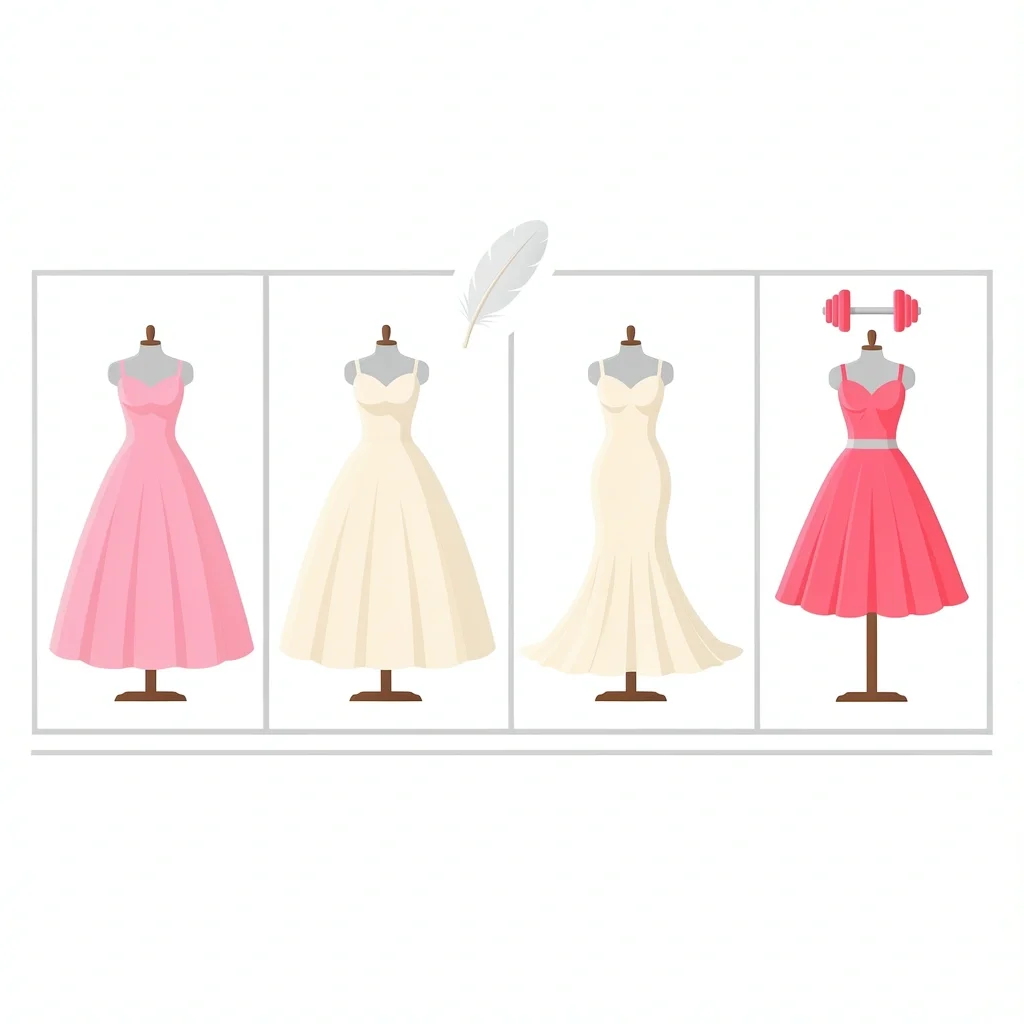
Here are typical weight ranges for the most common wedding dress silhouettes. These numbers are for a standard street size (2–8) without heavy beading. Add 1–3 pounds for elaborate embellishments or a long train.
| Dress Style | Weight Range (pounds) | Weight Range (kilograms) |
|---|---|---|
| Ball gown | 8 – 12 lbs | 3.6 – 5.4 kg |
| A-line | 6 – 9 lbs | 2.7 – 4.1 kg |
| Mermaid | 7 – 10 lbs | 3.2 – 4.5 kg |
| Sheath | 3 – 6 lbs | 1.4 – 2.7 kg |
| Tea length | 3 – 5 lbs | 1.4 – 2.3 kg |
Brides on Reddit and other forums report that their lace dresses often land around 6 to 7 pounds, while beaded ball gowns can hit 12 to 14 pounds. A real bride shared that her satin mermaid dress with a full lace overlay weighed 9 pounds, and she felt it after four hours of standing and dancing.
Why Your Wedding Dress Weight Matters
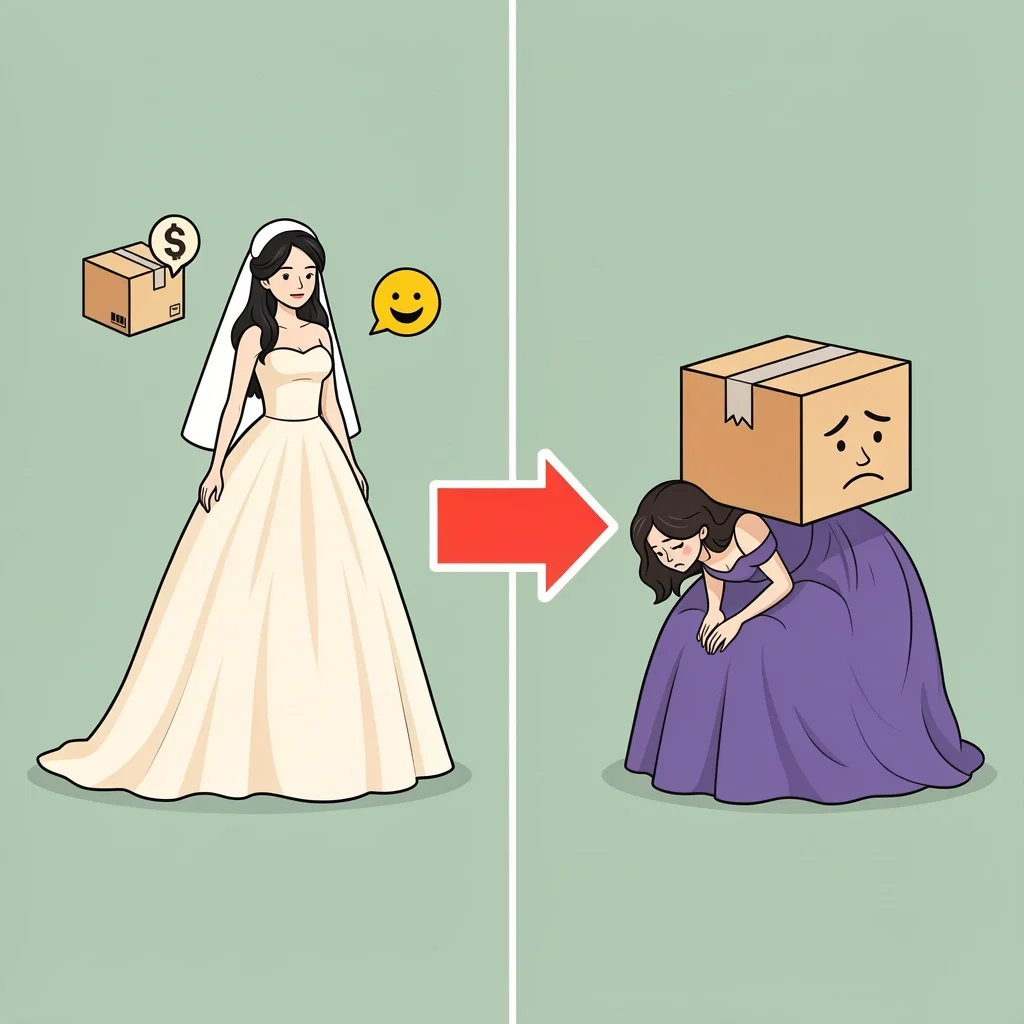
Knowing the weight is not just curiosity. It affects practical decisions before and after the big day.
Shipping costs
Most wedding dresses ship in a box that is larger than a standard garment bag because of the volume of the skirt. Carriers charge by weight or by cubic weight (the space the box takes up). A 5-pound dress typically costs $15 to $25 to ship domestically. A 12-pound dress with a large box could cost $30 to $50. International shipping can double or triple those numbers. Always ask the seller for the actual weight and box dimensions before buying online.
Comfort and fatigue
Carrying 8 to 12 pounds of dress for 10 to 14 hours is tiring. A heavy dress can pull on your shoulders, dig into your waist, and make it hard to move. Brides with ball gowns often report back pain by the end of the reception. If you plan to dance a lot, a lighter dress may be worth the trade-off. Consider that a heavy dress also gets warm quickly, especially if it is made of satin or has multiple layers.
Alterations
Heavy dresses need stronger seams, more boning, and sometimes extra support structures like a built-in corset. The cost of alterations goes up with the weight because the seamstress has to work with more material and more delicate details. A heavy beaded dress may require hand-sewing each bead during a hem, which can add hundreds of dollars to your alteration budget.
These meticulous requirements are just one part of the real reasons wedding dresses take so long to complete and deliver.
Preservation
After the wedding, you might want to preserve the dress. A heavier dress takes up more space in a preservation box. Professional preservation services often charge more for large or heavy gowns because they need special handling and a larger box. If you plan to store it yourself, make sure the box can support the weight without crushing the fabric.
How to Estimate the Weight of a Dress Before Buying
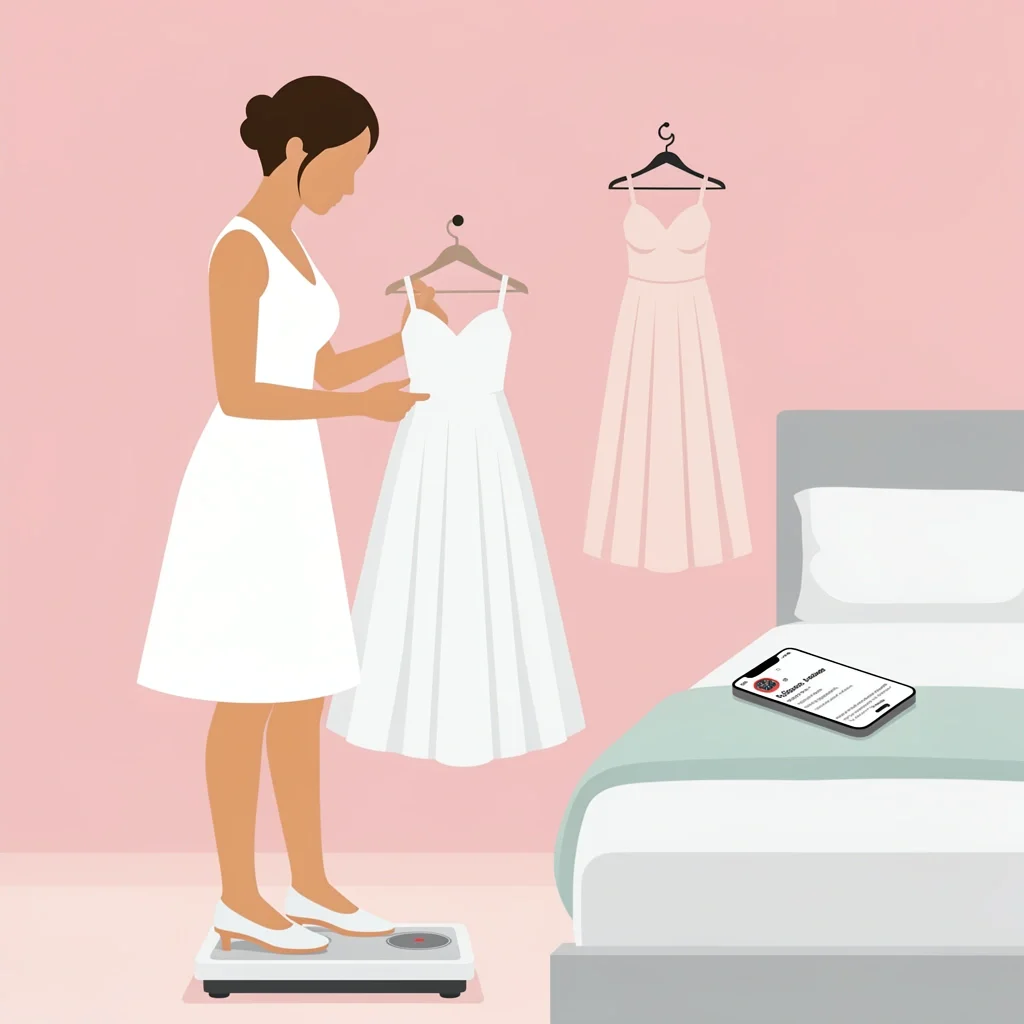
You do not need a shipping scale to get a good idea of how heavy a dress will be. Here are practical ways to find out.
- Ask the seller. Most bridal boutiques and online custom dressmakers can give you the weight of a dress in your size. If they do not know offhand, ask them to weigh one.
- Check fabric weight per yard. If the listing mentions the fabric type and weight (e.g., 8 oz per yard satin), you can estimate. A ball gown uses 6 to 10 yards of fabric, so multiply the fabric weight by yards and add the lining, underskirt, and embellishments.
- Use a bathroom scale. Hold the dress (or the box it comes in) and step on the scale. Subtract your own weight. For a more accurate reading, use a luggage scale. Hang the dress from the hook and read the number.
- Look for bride reviews. Search the dress name plus “weight” on Reddit, wedding forums, or social media. Brides often share real numbers after their dress arrives.
- Consider the train and underskirt. A cathedral train adds 1 to 3 pounds. A separate crinoline or petticoat adds another 1 to 3 pounds. Factor those in when planning your total weight.
Myths and Realities About Wedding Dress Weight
Many brides carry assumptions about weight that lead to wrong choices. Here is the truth behind the common myths.
Myth: Heavier means higher quality.
Reality: Lightweight fabrics like microtulle, crepe, and fine organza can be very expensive. A designer sheath dress may weigh 3 pounds and cost thousands. Weight alone does not indicate quality.
Myth: A light dress will look cheap.
Reality: Many high-end designers, including Vera Wang and Monique Lhuillier, create lightweight gowns that are anything but cheap. Structure and tailoring matter more than weight.
Myth: Weight is the same for all sizes.
Reality: As explained earlier, larger sizes use more fabric. A size 16 dress can be 2 to 4 pounds heavier than the same dress in size 4. If you are shopping online, ask for the weight in your exact size.
Myth: A heavy dress stays in place better.
Reality: A dress that is too heavy can actually pull down on the bodice and cause it to sag. A well-fitted light dress can stay in place just as well with proper boning and straps.
Frequently Asked Questions
How much does a wedding dress weigh in kilograms?
The average is 2.3 to 4.5 kg. Ball gowns go up to 5.4 kg or more. Sheath dresses can be as low as 1.4 kg.
Does a wedding dress weigh more than a regular dress?
Yes, typically 3 to 10 times more. A regular cocktail dress weighs 0.5 to 1.5 pounds. A wedding dress has much more fabric, multiple layers, and often heavy embellishments.
How heavy is a mermaid wedding dress?
A mermaid dress usually weighs between 7 and 10 pounds (3.2–4.5 kg). The fitted shape uses less fabric than a ball gown, but the heavy lace or beading often added to the bottom can push it toward the upper end.
Can I weigh my wedding dress at home?
Yes. Use a luggage scale for the most accurate result. Hook the dress hanger onto the scale and lift. If you don’t have one, stand on a bathroom scale holding the dress, then subtract your own weight. Weigh yourself first without the dress for the most honest number.
What is the weight limit for wedding dress shipping?
There is no official limit, but most carriers cap parcel weight at 50 to 70 pounds. Wedding dresses rarely exceed 15 pounds, so you are safe. The bigger concern is the box size. Carriers often charge by cubic weight for large boxes, so a light dress in a huge box can still be expensive to ship. Always ask the seller for the actual box dimensions and weight.
How heavy was Princess Diana’s wedding dress?
Princess Diana’s gown, designed by David and Elizabeth Emanuel, weighed about 10 to 12 pounds. The 25-foot train alone added significant weight. It is a famous example of a heavy dress that also had immense historical value.
How much does a wedding dress weigh with a crinoline or petticoat?
A separate crinoline or petticoat adds 1 to 3 pounds to the total. If your dress has a built-in underskirt, that weight is already included in the dress’s own weight. Always ask for the combined weight if you plan to wear both.