
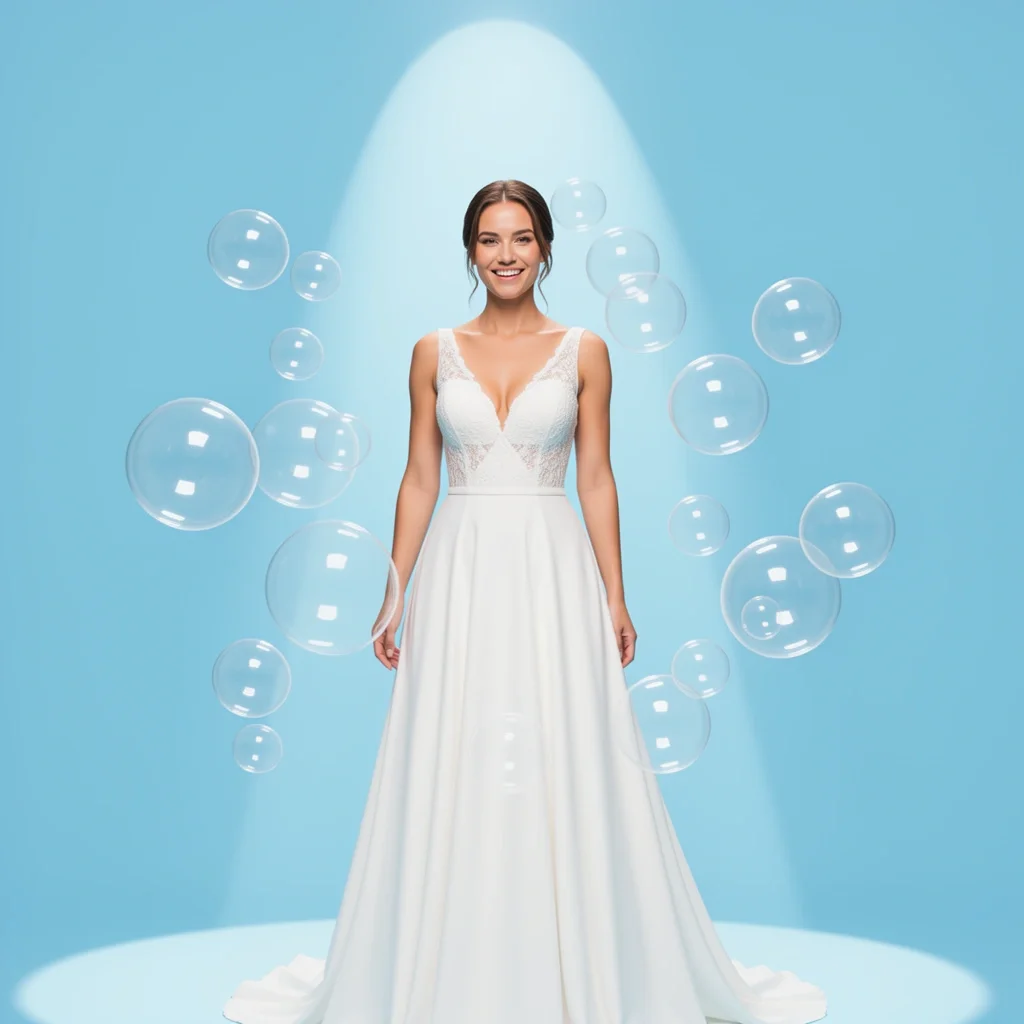
If you are planning a wedding and love the idea of guests blowing bubbles as you walk down the aisle, you have probably wondered: will bubbles ruin my dress? The short answer is yes, bubbles can stain wedding dresses, but it depends on two things: the fabric of your dress and the ingredients in the bubble solution. I have worked with brides who used bubbles without issues, and others who ended up with yellow spots on their silk gown after cleaning. Let me walk you through exactly what happens, which fabrics are at risk, and how you can use bubbles safely.
The Chemistry of Bubble Stains: Why Glycerin Is the Culprit
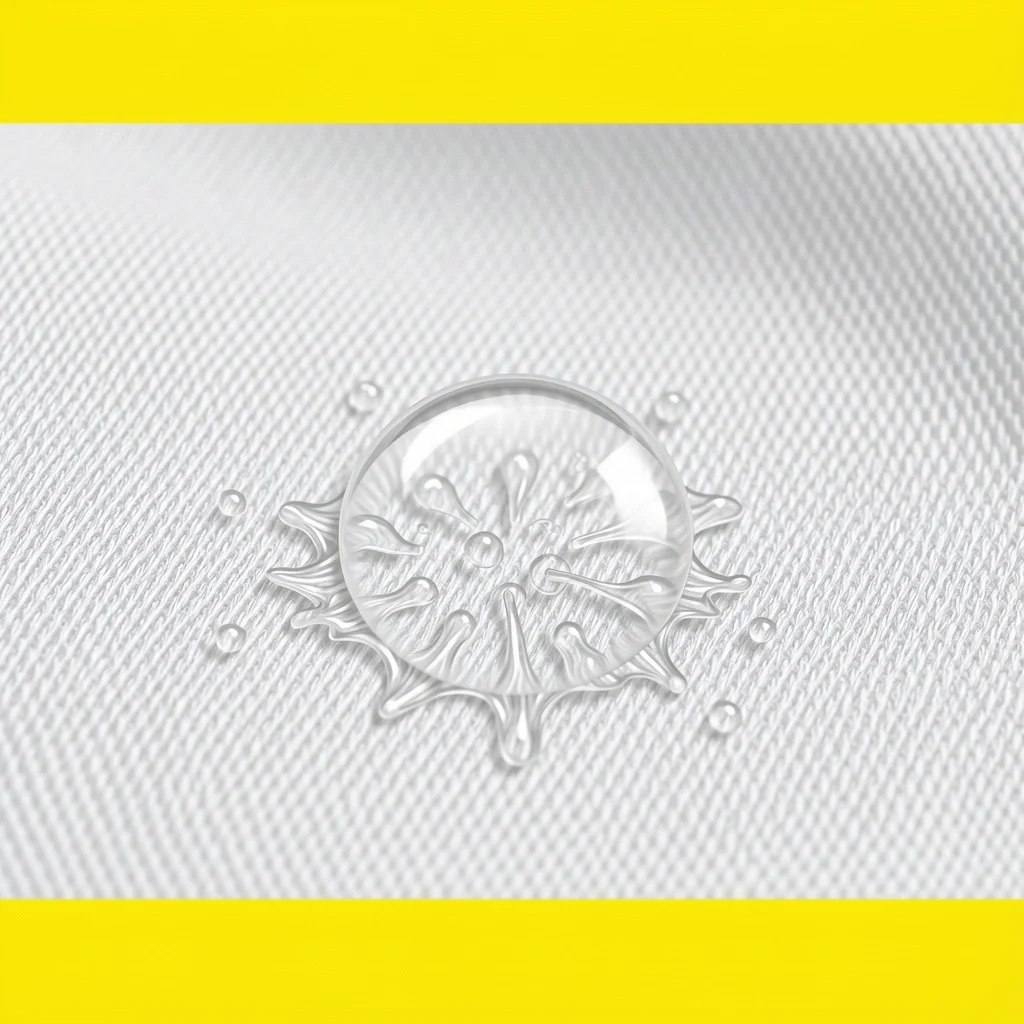
Most commercial bubble solutions contain glycerin. Glycerin is a humectant, which means it pulls moisture from the air and holds onto it. When a bubble bursts on your dress, the glycerin soaks into the fabric fibers. It does not evaporate like water does. Instead, it stays inside the fibers, attracting dirt and moisture over time. The stain often does not show up immediately. You might see a slightly darker spot, but the real problem appears after the dress is cleaned. The glycerin can react with heat or cleaning chemicals, turning into a yellowish or cloudy mark that is very hard to remove.
Water-based bubbles, on the other hand, typically evaporate without leaving residue. The danger comes from the added glycerin or other humectants like propylene glycol and sorbitol. These ingredients are common in “stain-free” solutions too, so you cannot trust the label alone.
Which Wedding Dress Fabrics Are Most at Risk?
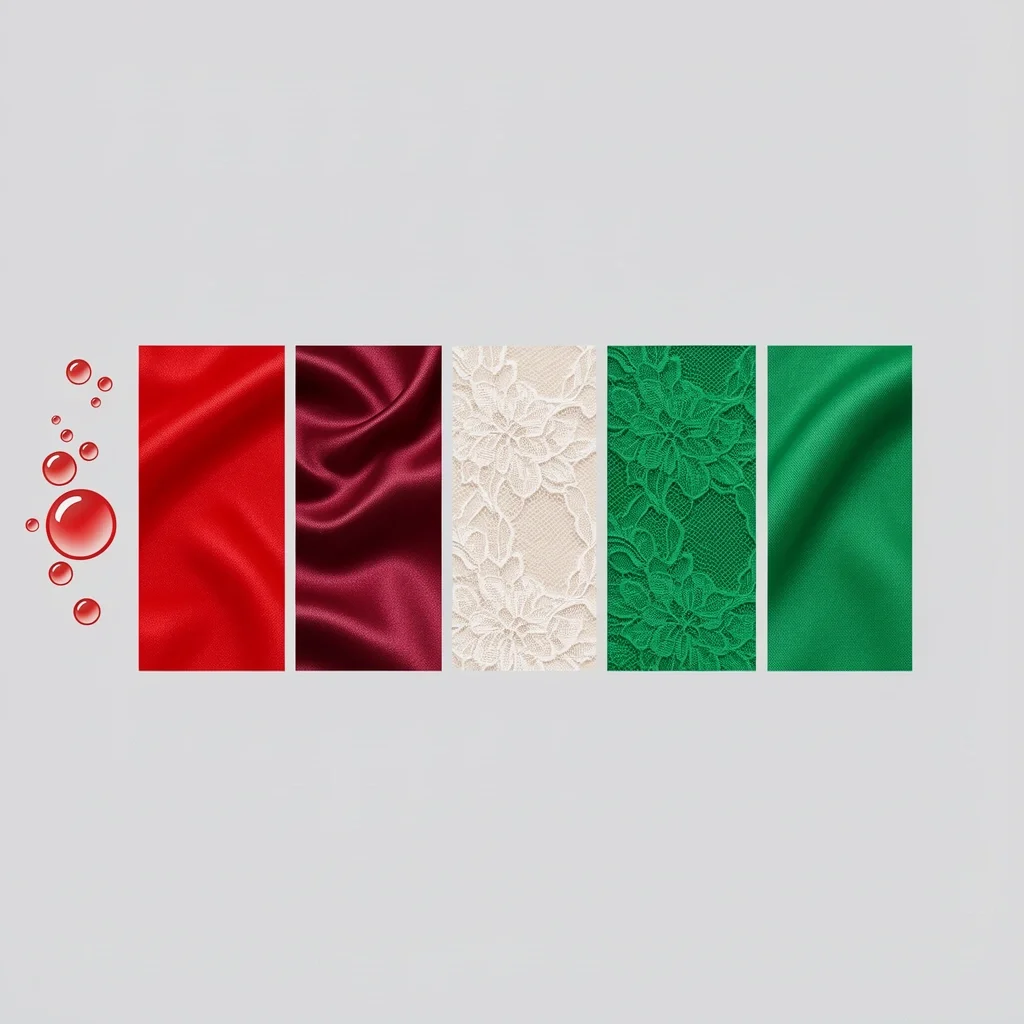
Not all fabrics react the same way to glycerin. Here is a breakdown of common wedding dress materials and their risk level.
| Fabric | Risk Level | Why | Stain Reversible? |
|---|---|---|---|
| Silk | High | Natural protein fibers absorb glycerin deeply. Yellow spots appear after cleaning. | Very difficult |
| Satin (often silk or polyester) | High | Glycerin sits on the shiny surface and seeps into the weave. Leaves a dull, dark spot. | Difficult |
| Tulle | Medium | Sheer netting traps glycerin between layers. Stains may become visible after ironing. | Possible with prompt treatment |
| Lace | Medium | Glycerin collects in the pattern grooves. Stains are often invisible until dry. | Moderate |
| Organza | Medium | Stiff, sheer fabric can hold glycerin in the spaces between threads. | Moderate |
| Crepe | Low to Medium | Matte, textured surface may hide stains, but glycerin still penetrates. | Moderate |
| Polyester | Low | Synthetic fibers repel moisture. Glycerin usually stays on the surface. | Easy |
| Cotton blends | Low | Absorbent but less reactive. Stains can be washed out if caught quickly. | Easy |
| Chiffon (polyester) | Low | Lightweight synthetic, similar to polyester. | Easy |
| Mikado (silk blend) | Medium | Heavy, structured fabric with surface finish. Glycerin may dull the finish. | Moderate |
How to Test Your Bubble Solution Before the Big Day
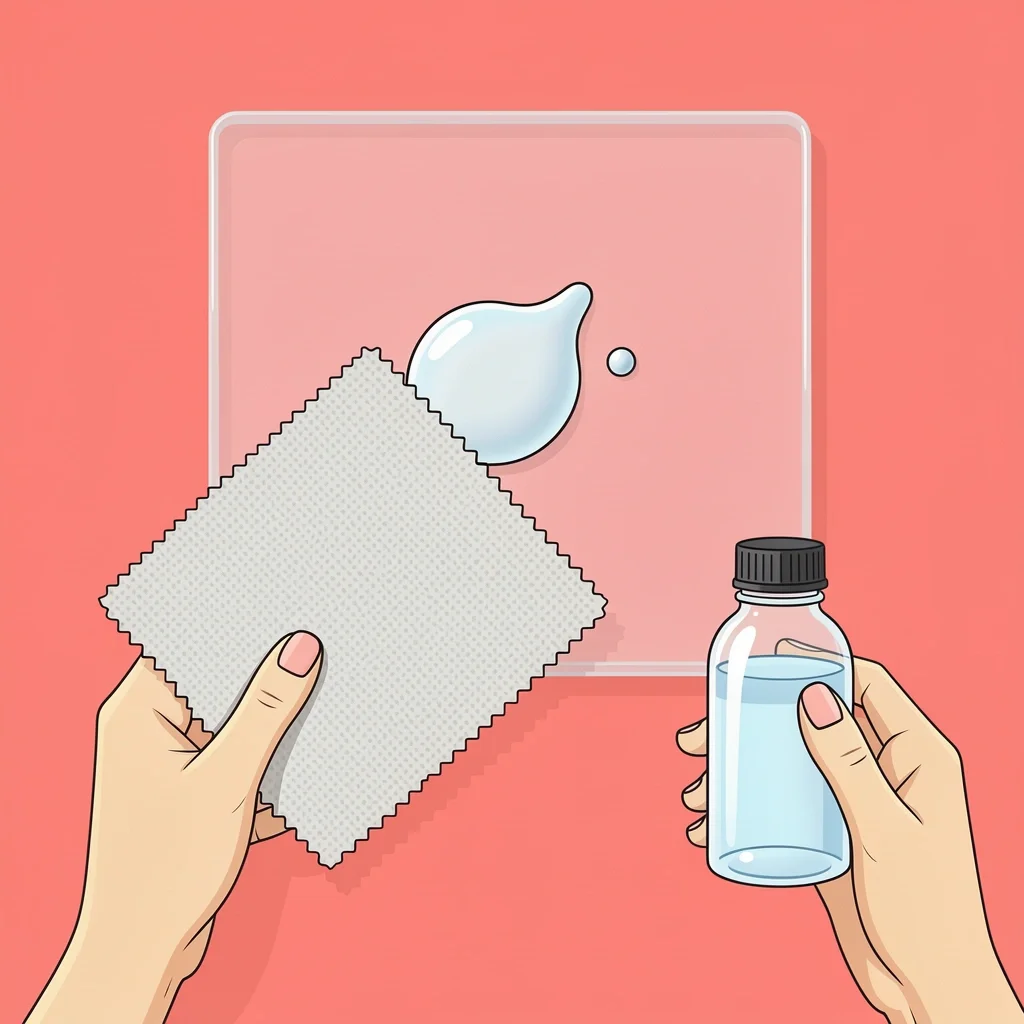
You do not need to give up the bubble tradition. You just need to test your solution on your dress fabric. Here is what I recommend to every bride.
- Ask your bridal shop for a swatch of your dress fabric. Most stores will give you a small piece. If not, cut a tiny piece from an inside seam or hem (check with your tailor first).
- Buy a small bottle of the bubble solution you plan to use, or make your own (see the DIY recipe below).
- Spray or blow a few bubbles onto the fabric swatch. Let it dry completely for at least an hour. Do not wipe it.
- Check the swatch in natural light. Look for any dark spots, yellowish marks, or changes in texture.
- Wash the swatch with a mild detergent and check again. Some stains only appear after cleaning.
If you see any mark, do not use that solution on your dress. If the swatch looks clean, you are safe — but only for that fabric and that specific solution.
The Truth About “Stain-Free” Bubbles: What to Look For
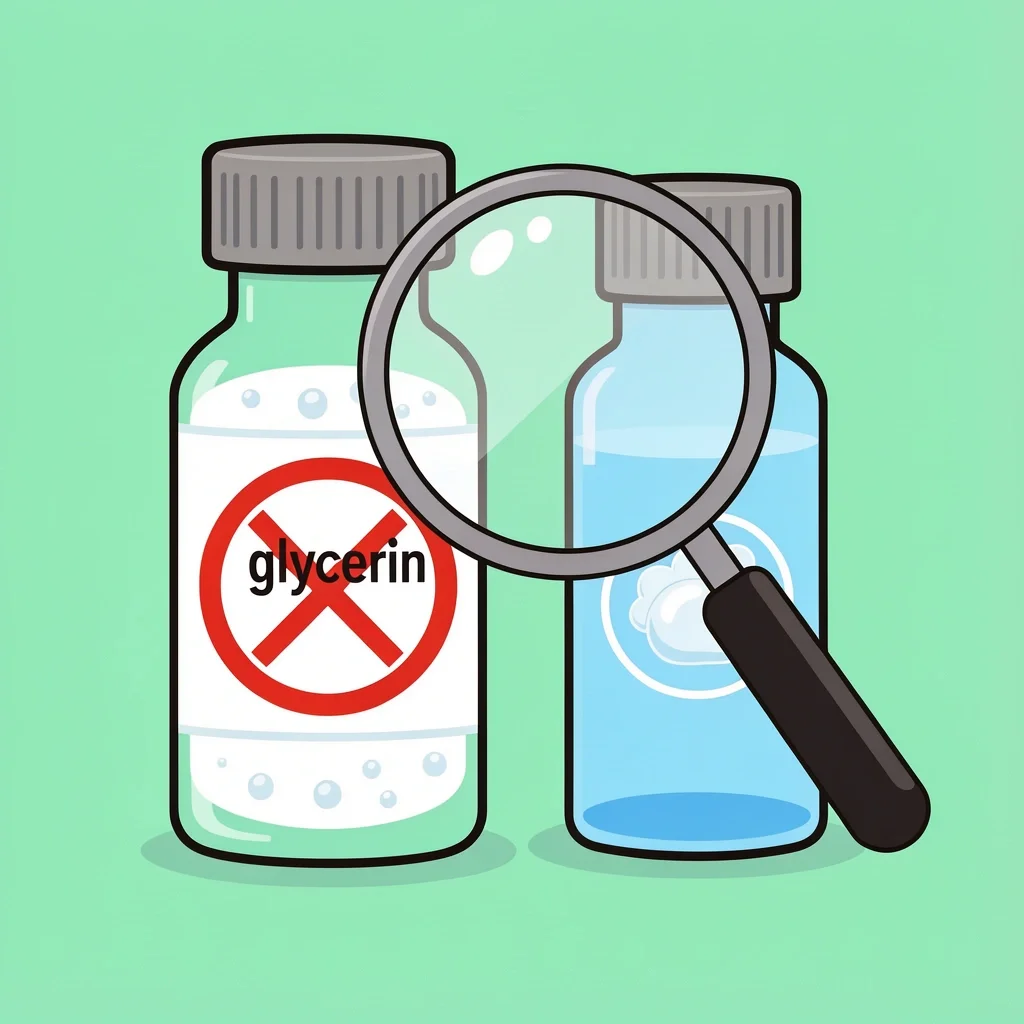
Many products advertise themselves as “stain-free” or “safe for wedding dresses.” I have tested several of them. Some truly contain no glycerin or humectants. Others still have trace amounts. Here is how to read the label like an expert.
- Avoid these ingredients: glycerin, propylene glycol, sorbitol, and any “vegetable glycerin.” These are all humectants.
- Look for water + mild surfactant only. A simple solution of water and a small amount of liquid dish soap (like Dawn Original) is safe — as long as the soap does not contain glycerin. Check the soap label too.
- Beware of “baby shampoo.” Many baby shampoos contain glycerin to moisturize. They are not automatically safe.
- Certifications mean little. There is no official “non-staining” certification. Do not trust a claim without testing.
One product I have used with good results is the KidzLane bubble solution — it lists only water and soap without glycerin. But still, test it on your fabric.
DIY Non-Staining Bubble Recipes for Weddings
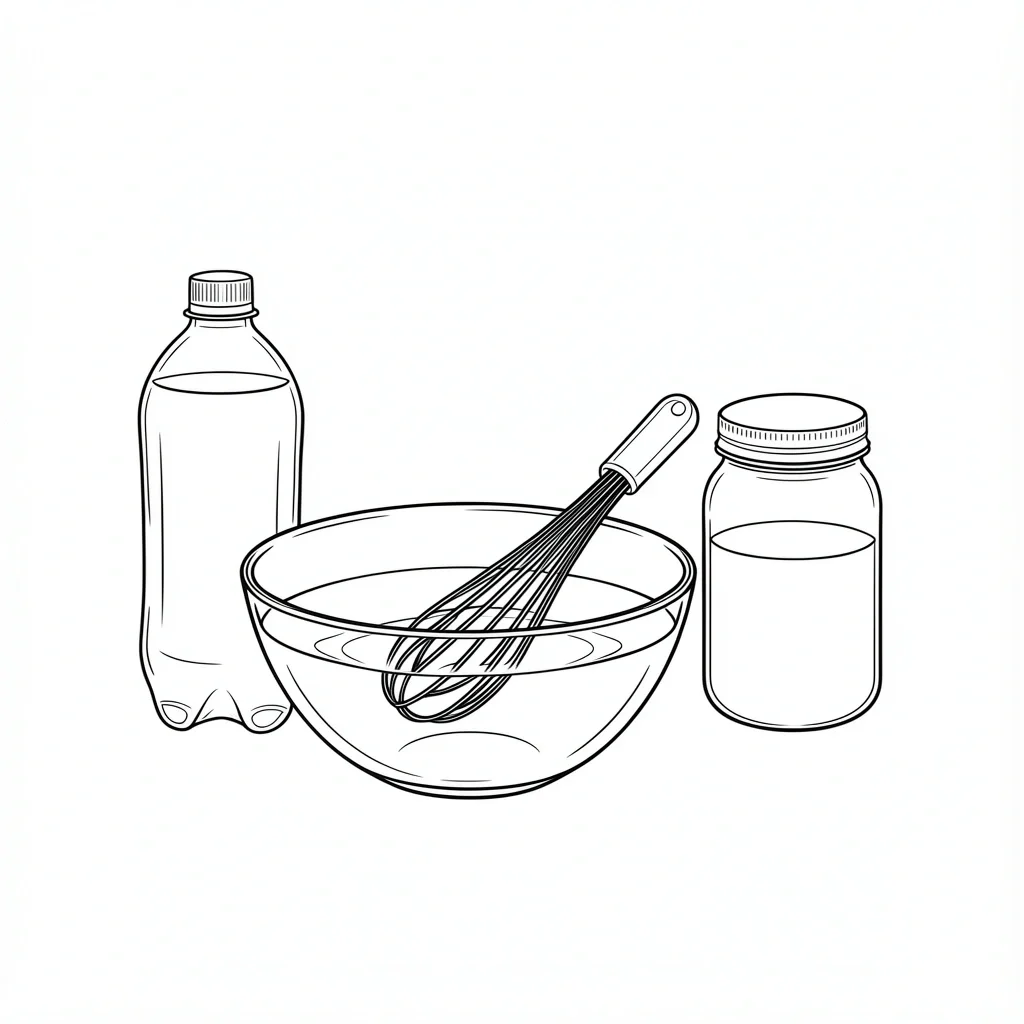
Making your own bubble solution is the safest way to avoid surprises. Here is a simple recipe I have shared with dozens of brides.
- 1 cup distilled water (tap water may leave mineral deposits)
- 2 tablespoons clear liquid dish soap (Dawn Original or Seventh Generation – check label for no glycerin)
- 1 teaspoon white sugar or corn syrup (optional – adds bubble strength, but may leave a slight sticky residue. Test first.)
Mix gently to avoid creating foam. Let it sit for an hour to thicken. Use this the same day you make it. Do not add glycerin or any other humectant.
If you want extra color, do not use food coloring. Colored bubbles can stain fabrics even more than clear ones because the dye penetrates fibers.
Emergency Stain Removal: What to Do the Second a Bubble Bursts
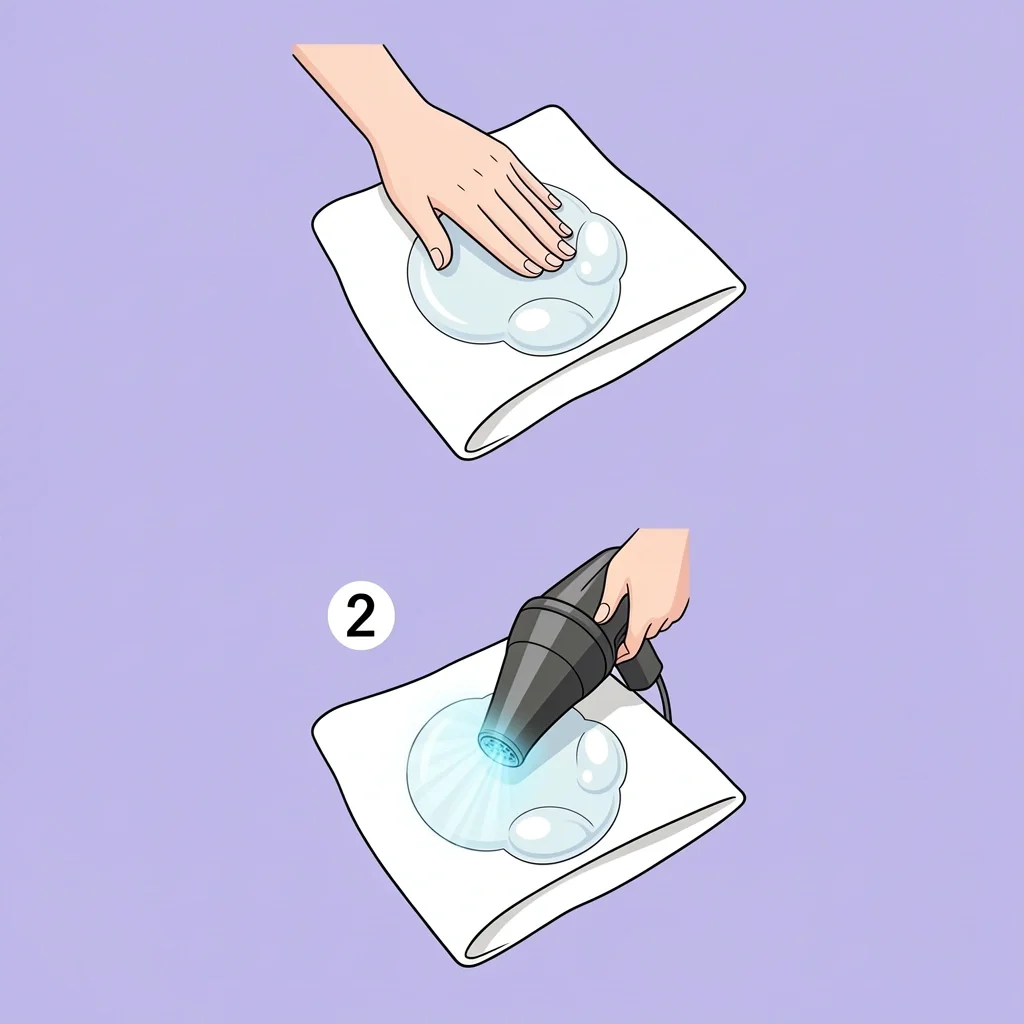
Even with testing, accidents happen. If a bubble bursts on your dress during the ceremony, act fast. Time is critical. Follow these steps immediately.
- Blot, do not rub. Use a clean, white cloth or paper towel. Press gently to absorb the liquid. Rubbing pushes the glycerin deeper into the fibers.
- Apply a small amount of distilled water or club soda. Dampen a corner of the cloth and blot the spot. This dilutes the glycerin.
- Blot again. Use a dry part of the cloth to soak up the moisture and diluted glycerin.
- Dry the area quickly. Use a hairdryer on cool setting or a handheld fan. Do not use heat, as it can set the stain.
- If a mark remains, mix one drop of Dawn Original dish soap with two tablespoons of distilled water. Dip a clean cloth in this solution and blot the stain. Then blot with plain water to remove the soap. Dry again.
- Do not use any stain removers, bleach, or hydrogen peroxide. These can damage delicate fabrics and make the stain permanent.
- If the stain is still visible after all steps, do not try again. Call a professional dry cleaner who specializes in bridal gowns. Tell them exactly what happened and what you used.
When to Call a Professional Cleaner (and What to Tell Them)
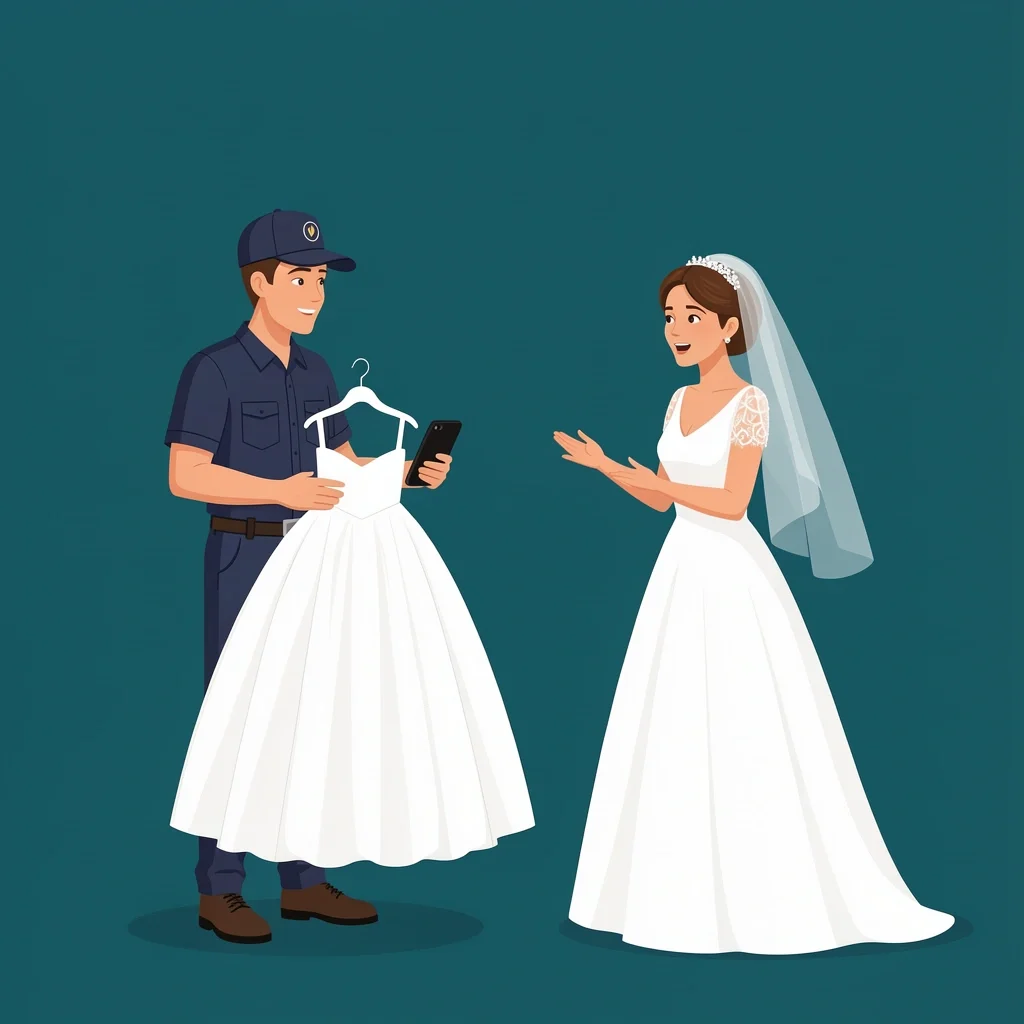
If the stain does not come out with the emergency steps above, or if the stain appears after you get home (many bubble stains show up days later), take the dress to a professional. Do not wait. The longer glycerin sits, the harder it is to remove.
When you call the cleaner, say: “There is a glycerin-based bubble solution stain on my dress. I already blotted with distilled water and mild soap. It’s still there.” This tells them the stain is not from food or wine, and they can use specific techniques for glycerin removal.
Most good bridal cleaners have experience with this. They may use a solvent-based pretreatment or a special rinse. It is not a hopeless situation, but it requires expertise.
Frequently Asked Questions
Can I use regular dish soap and water to make wedding bubbles?
Yes, but only if you use a specific ratio and avoid glycerin. Mix 1 cup distilled water with 2 tablespoons clear dish soap that does not contain glycerin. Test it on your fabric first.
Do colored bubbles stain more than clear ones?
Yes. Colored bubbles contain dyes that can penetrate fabrics, especially light colors. Even clear bubbles can stain due to glycerin, but colored ones are riskier.
How long does it take for a bubble stain to become permanent?
Within minutes, the glycerin starts to set into the fibers. The longer it sits, the harder it is to remove. Blot and dry immediately.
Will bubble stains show up on a white dress?
They may not be visible right away, but after cleaning, yellow or cloudy spots often appear. Many brides are surprised when their dress comes back from the cleaner with new marks. That is why prevention and quick action are so important.
Are there any bubbles that are 100% safe for all fabrics?
No. Even plain water can leave mineral deposits on delicate fabrics. However, the safest option is to use a solution of distilled water plus a tiny amount of mild soap without humectants. And always test first.
Using bubbles at your wedding is a beautiful tradition. With the right knowledge and preparation, you can enjoy it without worrying about your dress. Test your solution, know your fabric, and have a stain emergency kit ready. That way, you focus on the memories — not the stains.
Your article gave me a lot of inspiration, I hope you can explain your point of view in more detail, because I have some doubts, thank you.
Thank you! Please let us know if you have more input and we will be glad to update!