
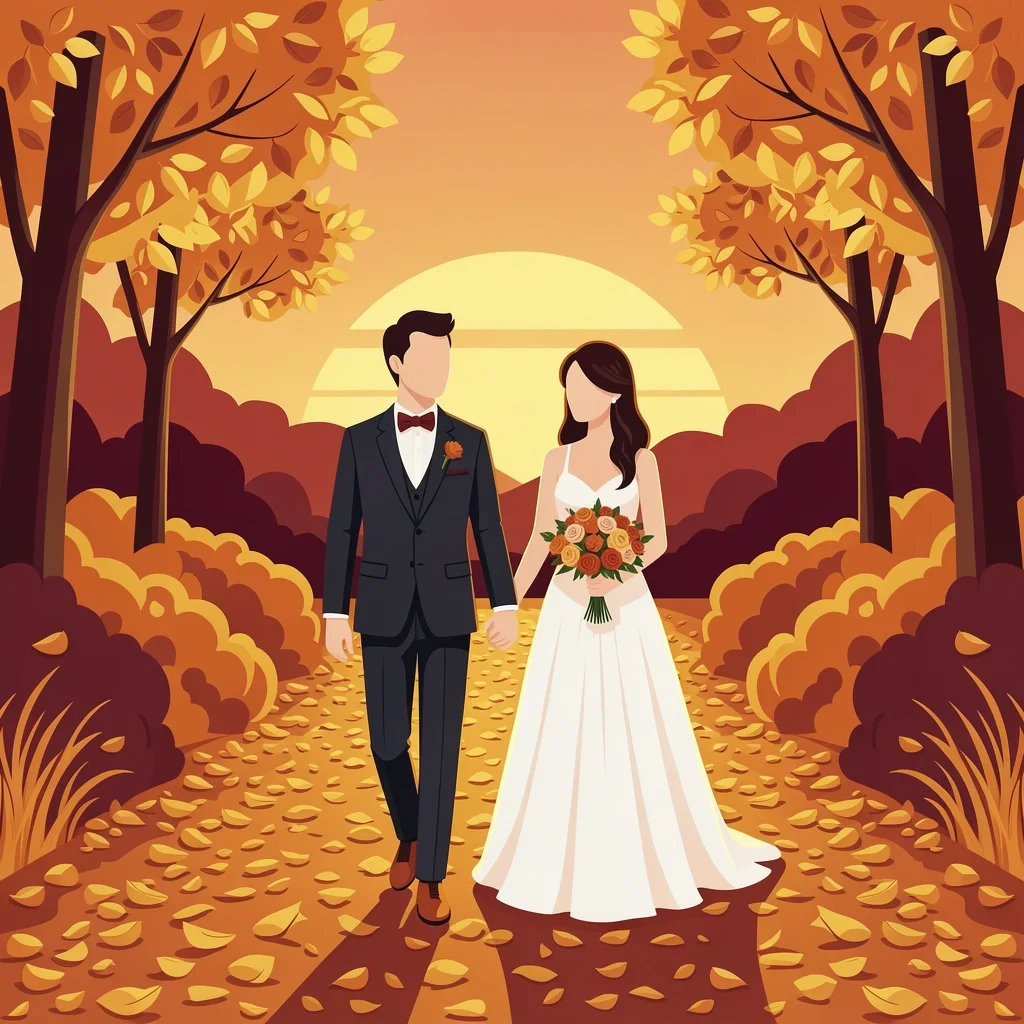
A perfect fall wedding is not about copying one couple’s look. It is about taking what autumn gives you – the light, the leaves, the chill in the air – and turning it into a day that feels true to you. I have planned and attended more fall weddings than I can count, and the ones that work best all share one thing: they lean into the season instead of fighting it.
The secret is pairing autumn’s natural beauty with your own style, while being ready for its quirks. Shorter days, colder evenings, and unpredictable weather are real. But so are golden hour light that makes everyone look amazing, rich colors that need no filter, and a cozy feeling you cannot get in June. Here is how to get it right.
What Makes a Fall Wedding Different
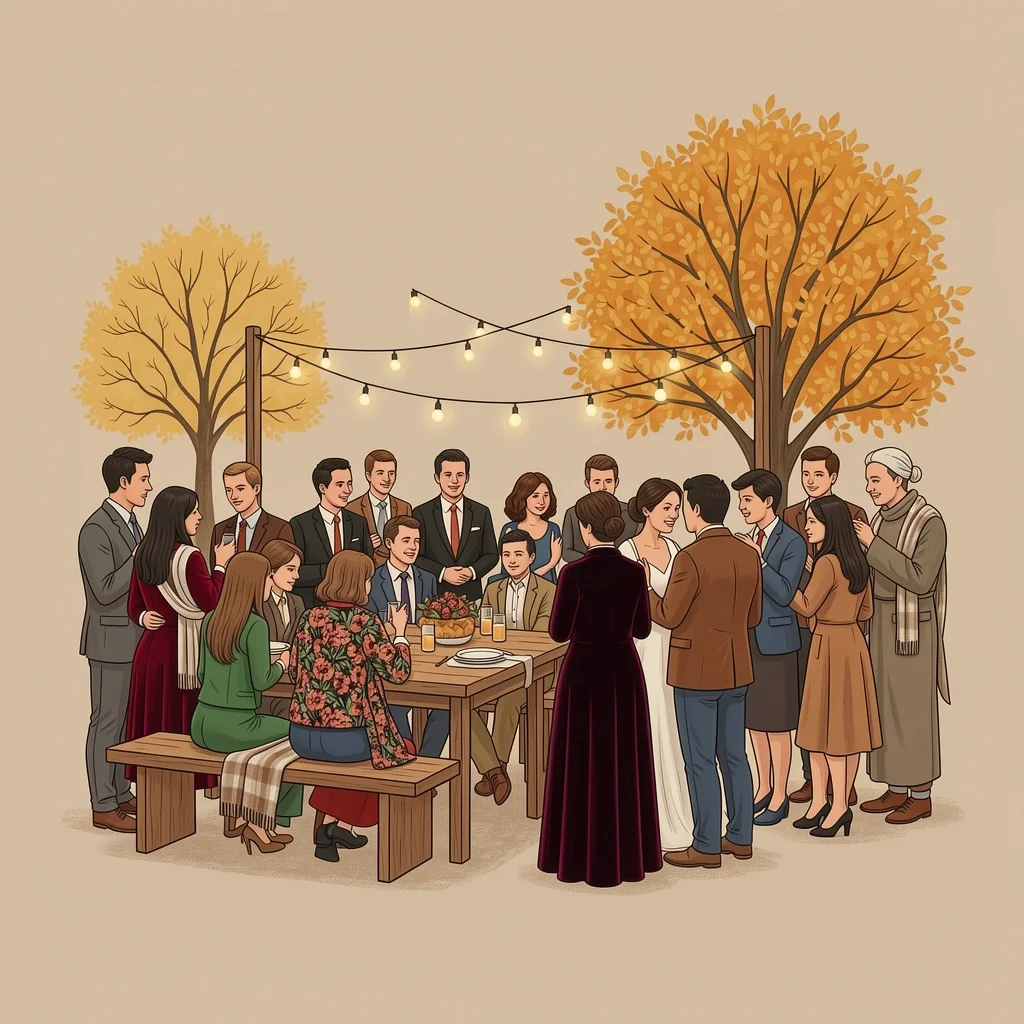
Fall weddings feel different because the season itself is different. The air is crisp. The sun hangs lower in the sky. Leaves crunch underfoot, and the whole world smells like woodsmoke and apples. That atmosphere does the work for you – you do not need to fake it with decorations.
Summer weddings fight heat and glare. Winter weddings fight snow and darkness. Fall weddings make you want to gather close. The best ones lean into intimacy. A smaller guest list works better in fall because people naturally want to huddle together. Use that.
Fall also gives you texture. Velvet, wool, leather, and wood feel right in a way that linen and cotton do not. Let your fabrics match the season.
Choosing Your Fall Wedding Color Palette
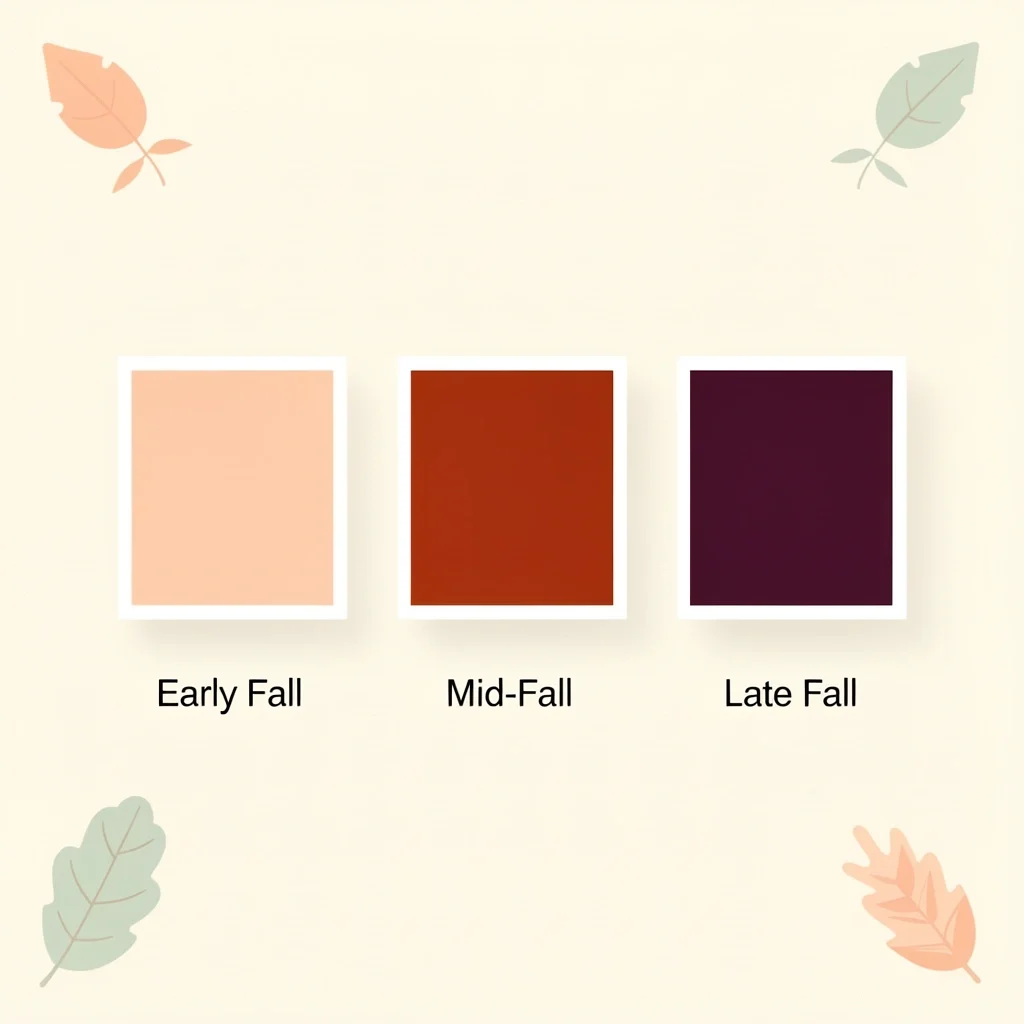
The biggest mistake people make is thinking fall colors must be bright orange and red. They do not. I have seen weddings with muted peach and sage that felt more autumnal than anything with pumpkins. The key is matching your palette to the part of fall you are in.
Color Palettes by Sub-Season
Early fall (September): Think peaches, dusty blues, sage greens, and cream. This is the fading garden look. It works because the leaves are only starting to turn, so your colors can be soft. I saw a September wedding with peachy dahlias and blue linens that looked like a dream.
Mid-fall (October): This is the classic season. Burnt orange, burgundy, mustard, and deep green. But do not go overboard. Pick two or three hero colors and use one neutral. Too much orange looks like a Halloween party.
Late fall (November): Go moody. Deep plum, charcoal, ivory, and dusty rose. The trees are bare, the light is low, and dark colors add warmth. A November wedding in velvet and earth tones feels like a fireside night.
If you want to avoid cliches, look at what M and J did with their peach fall wedding featured in the search results. They chose muted, faded tones that worked with their venue’s natural wood and white backdrop. Their colors were not loud, but they were unmistakably fall.
Myth vs. Reality: Fall Colors Do Not Have to Be Bright Orange and Red
Many people worry that fall colors will look like a harvest festival. That is only true if you choose the right ones badly. A palette of taupe, sage, and burgundy feels sophisticated. Add a little velvet ribbon or a dried wheat accent, and you have fall without the orange overload. Look for inspiration in real weddings – the boho fall weddings and moody barn weddings in the search results all use color in a restrained way.
The Best Fall Wedding Venues (and How to Choose One)
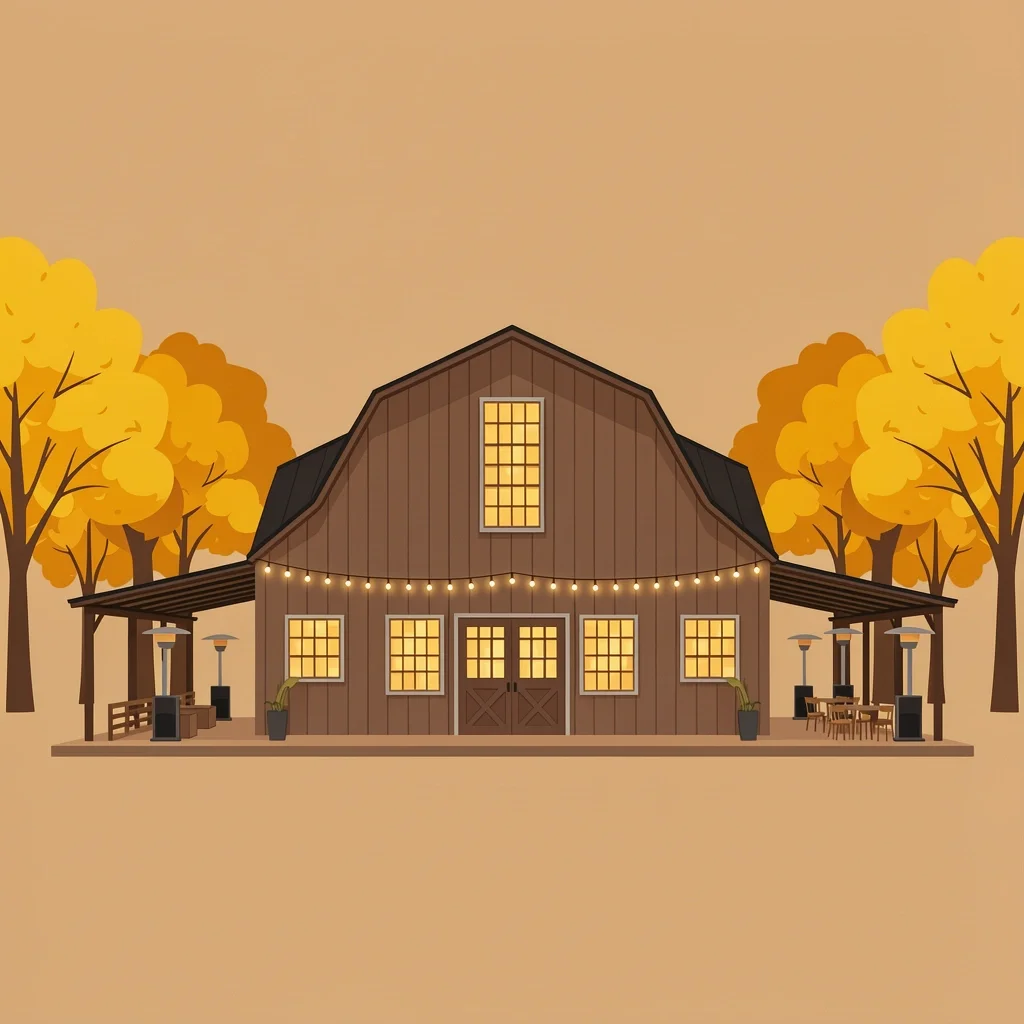
Your venue matters more in fall than in any other season. In summer, you can fix almost anything with shade and fans. In winter, you just need heat. But fall requires a venue that can handle the shift from warm afternoon to cold evening, from sun to rain, from outdoor ceremony to indoor reception.
Venue Types That Work
Barns: Classic for a reason. They offer shelter, warmth, and natural texture. Look for one with good heating and proper bathrooms. The Frontier Opera House from the search results is a good example – a historic building with indoor space for when the weather turns.
Vineyards: Late September and early October are harvest time. The vines are beautiful, and the wine is ready. Just check if the venue has indoor backup for rain. Many vineyards do not.
Mountain lodges: These are perfect for November. Big fireplaces, wooden beams, stunning views. The downside is travel for guests. Make sure your VIPs can get there easily.
Urban lofts with outdoor space: Best for early fall when you want city energy plus some outdoor time. The Island House from the search results had a beautiful fall color palette and outdoor area that worked because they timed the ceremony right.
If you’re planning a wedding in the city, you’ll also want to know about superb Atlanta restaurants that are perfect for rehearsal dinners or post-ceremony celebrations.
What to Ask Before Booking
- Do you have a heated indoor backup for the ceremony?
- Are there heaters on the patio or tent area?
- What is your policy on outdoor ceremonies in rain or cold?
- When do your leaves typically peak?
- Is there adequate lighting for a late-afternoon ceremony?
I learned the hard way: a friend’s October wedding had to move indoors because of rain, and the indoor space was a dark, windowless hall. The photos were terrible. Ask everything upfront.
Critical Consideration: The Sunset Factor
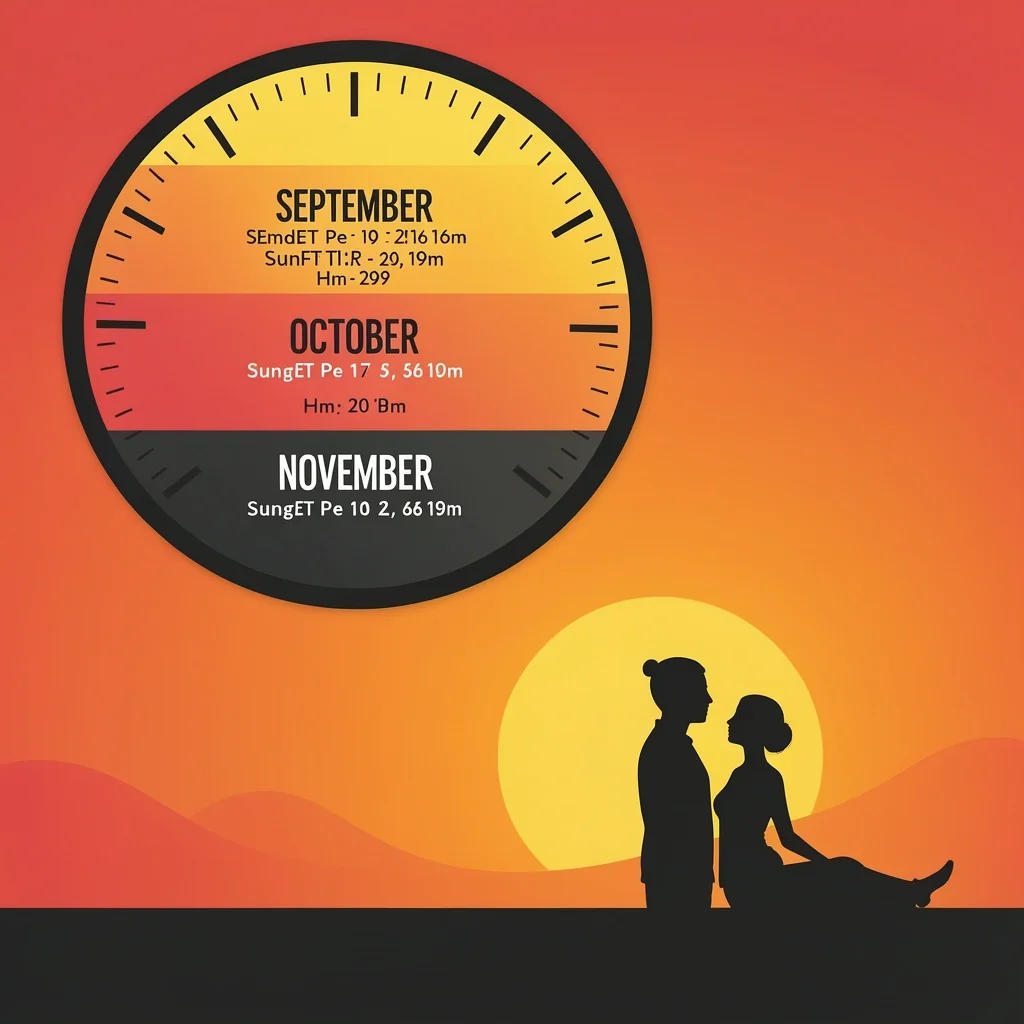
Fall days are short. In September, sunset is around 6:30 PM. By November, it is 4:30 PM. That means your outdoor ceremony must be earlier than you think. A 3 PM ceremony in October gives you golden hour at 4:30, which is perfect for photos. A 4 PM ceremony in November means you are taking wedding party photos in the dark.
Here is a rough guide for most of the United States:
| Month | Typical Sunset Time | Best Ceremony Start |
|---|---|---|
| September | 6:30 – 7:00 PM | 4:00 – 4:30 PM |
| October | 5:30 – 6:30 PM | 3:00 – 3:30 PM |
| November | 4:30 – 5:30 PM | 2:00 – 2:30 PM |
Adjust for your region. In the north, sunset is earlier. In the south, later. But the principle holds: plan for less daylight.
Fall Flowers That Steal the Show
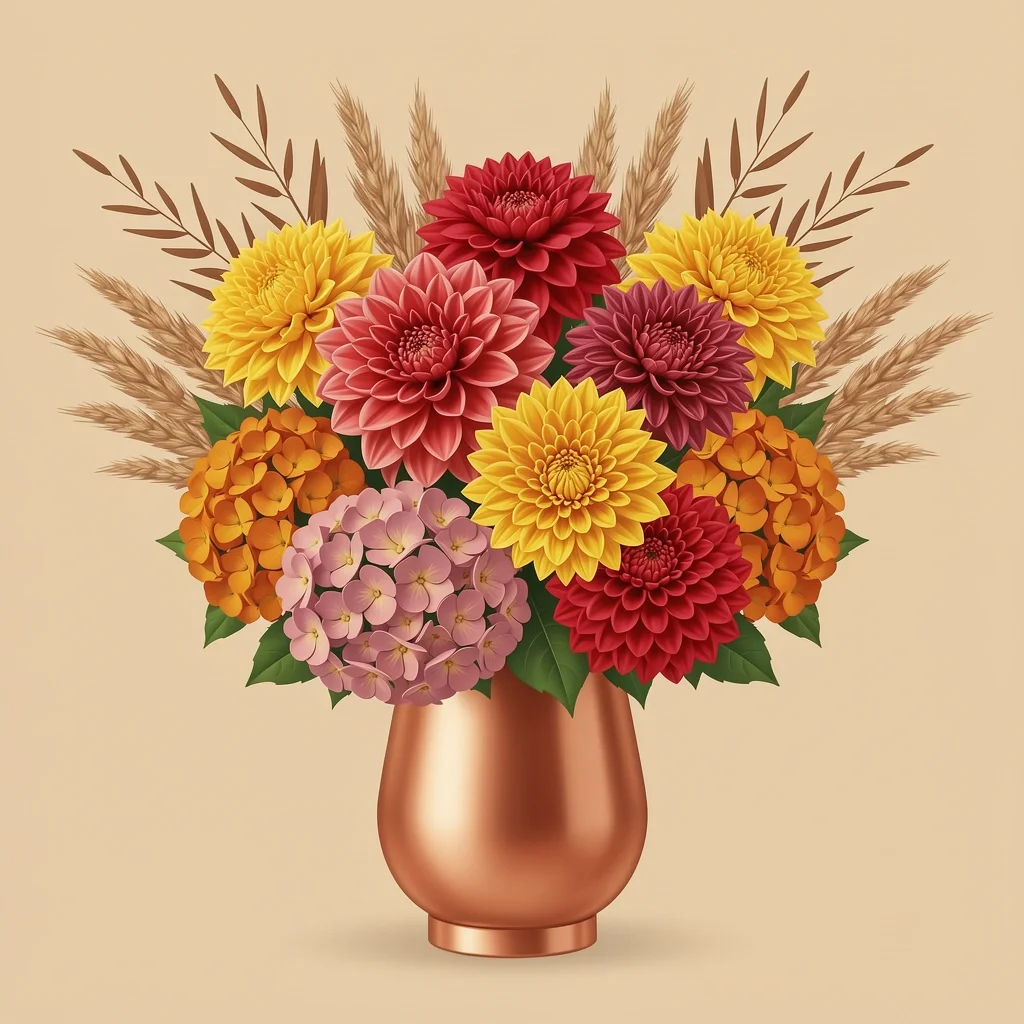
Fall flowers are some of the best of the year. If you work with a farmer-florist, like the one from the passalongs.com article, you get access to blooms that are at their peak. September is the sweet spot when dahlias, lisianthus, zinnias, and hydrangeas are all available.
Here are the flowers that shine in fall:
- Dahlias: The star of the season. They come in every shade from peach to burgundy. They hold up well in cool weather.
- Chrysanthemums: Tough, long-lasting, and cheap. Perfect for filler or mass arrangements.
- Hydrangeas: They fade beautifully into muted tones as the season goes on. Great for volume.
- Sunflowers: Only use these if you want a rustic, country feel. They are big and bold.
- Dried grasses and berries: These add texture and last forever. No worries about wilting.
Your best bet is to find a local farmer-florist who can tell you what is actually growing. Do not order flowers from a wholesaler that ships from South America if you want something that feels like fall. Go local. The difference is huge.
Also, consider dried flowers. They are trendy, they look great in fall, and they do not die. This is the most reliable choice for November weddings when flowers are harder to find fresh.
Fall Wedding Attire for the Couple and Guests
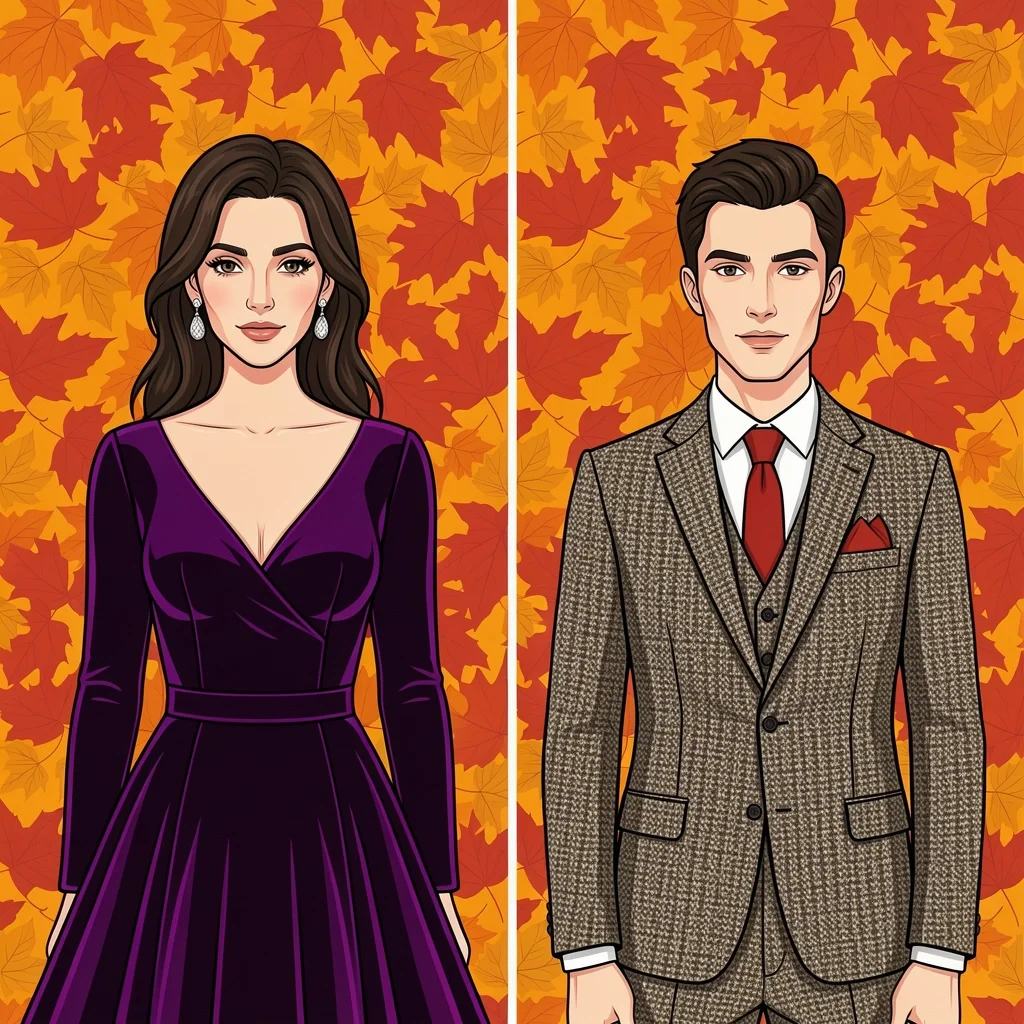
Fall attire is all about fabric and color. The right choices keep people comfortable and looking good in photos.
For the Couple
Bride: Long sleeves, heavier fabrics like satin or crepe, and rich colors beyond white. Ivory, champagne, blush, or even deep burgundy work. A velvet dress is a showstopper for a fall wedding. Avoid thin, strappy dresses unless you are indoors all day.
Groom: Tweed, velvet, or wool in deep tones like charcoal, navy, or forest green. A three-piece suit keeps him warm and looks classic. Skip linen. It looks wrong in October.
Footwear: Closed-toe shoes for both. Your feet will thank you. I have seen brides freeze in open-toe heels during outdoor photos. Do not be that bride.
For Guests
If the invitation says black-tie, wear dark formal wear. But most fall weddings are cocktail attire. Here is what works:
- Rich jewel tones: emerald, ruby, sapphire, plum.
- Velvet or wool fabrics: they keep you warm and look elegant.
- Closed-toe shoes: block heels or dress boots are perfect.
- A light jacket or wrap: even if the ceremony is indoors, the reception might have an outdoor area.
Do not wear white, cream, or anything that could be mistaken for the bride. That is true all year, but in fall the contrast is even worse because the bride likely will not be in pure white.
Advanced Optimization: How to Create a Cohesive Fall Wedding Look
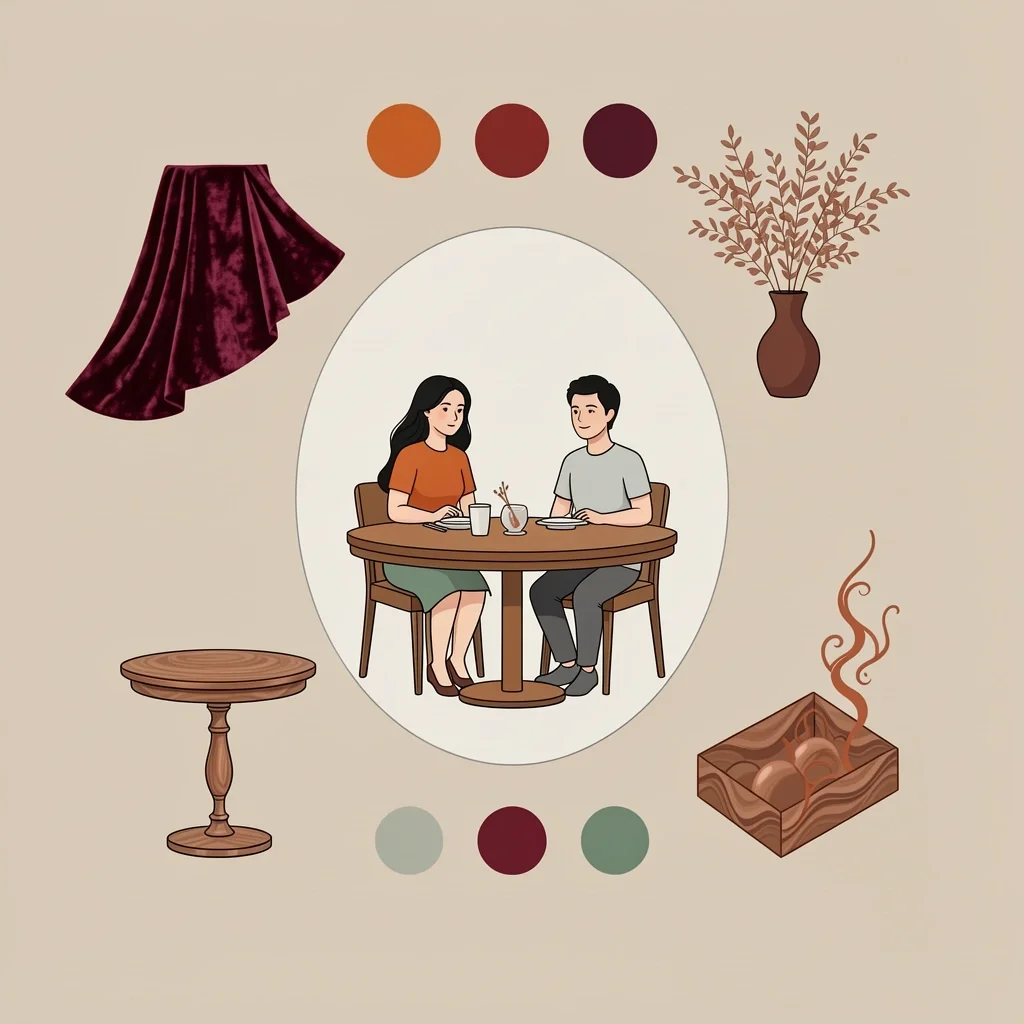
Tie everything together with a simple framework. Pick two or three hero colors from your palette. Then choose one accent texture that ties into the season – velvet, wood, or metal. Velvet on the tablecloths feels warm. Wooden centerpieces add rusticity. Copper or gold accents catch the fall light. If your colors, flowers, attire, and venue all follow the same palette and texture, the whole day will look intentional instead of thrown together.
Selecting the Perfect Fall Wedding Date
Your date affects everything: weather, foliage, availability, and price. Here is a month-by-month breakdown.
September: Warmer weather, more daylight, flowers still abundant. The downside is that leaves may not have turned in many areas. If you want that golden foliage look, September might be too soon. Great for outdoor ceremonies without worrying about cold.
October: The sweet spot for most of the country. Peak foliage in the Northeast and Midwest. Temperatures are comfortable during the day, cool at night. Venues will be more expensive and book early. Plan ahead.
November: The cheapest option. Venues are available, and you can get great deals. But it is cold, dark, and risky for outdoor events. You need a solid indoor backup. The upside is that November weddings feel incredibly cozy and intimate. If you want that moody, fireside vibe, November is your month.
Weather-Proofing Your Fall Wedding
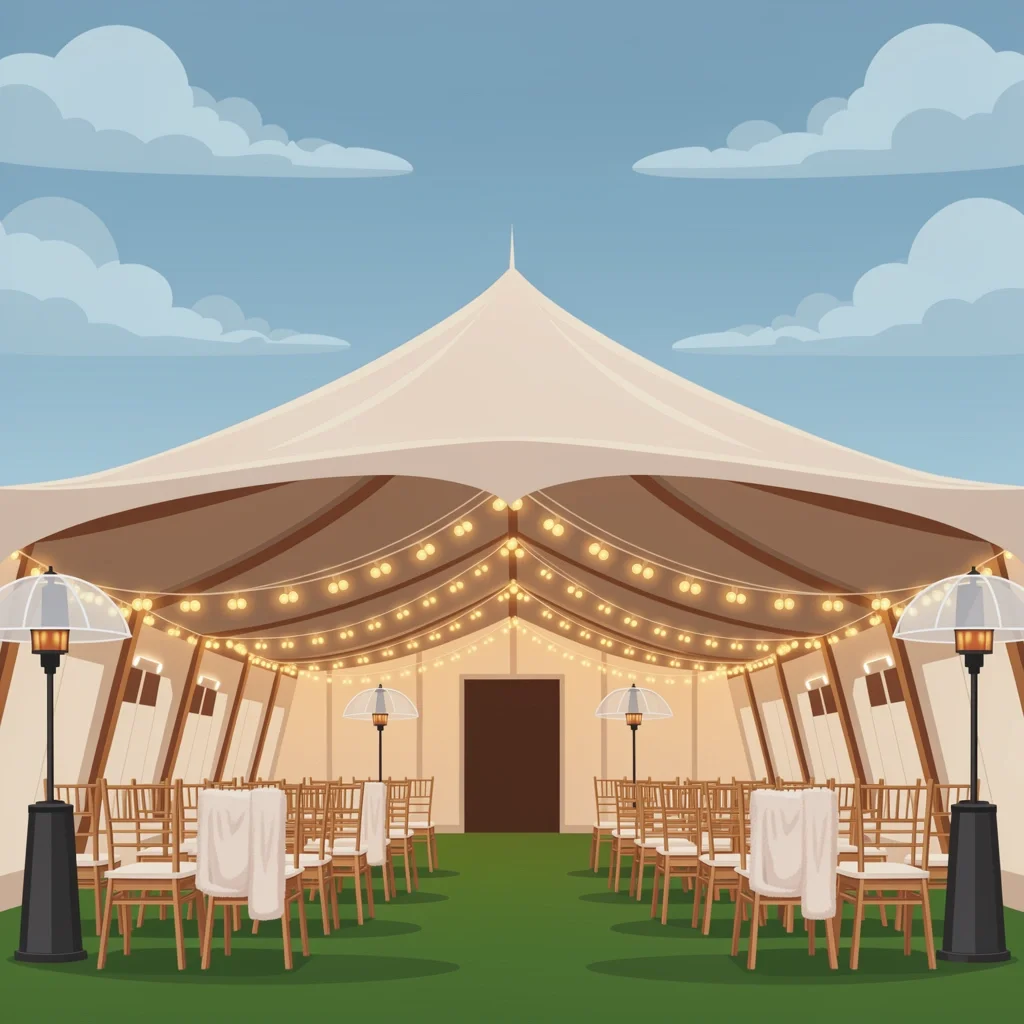
Weather is the biggest fear for fall couples, and for good reason. I have seen sunny October days turn into freezing rain in an hour. The solution is not to hope for good weather – it is to plan for bad weather.
Here is your weather-proofing checklist:
- Book a venue with indoor ceremony backup. Do not rely on a tent alone for the ceremony. Tents are cold and noisy in rain.
- Rent outdoor heaters. Patio heaters or propane heaters keep guests comfortable during cocktail hour or if the ceremony is outside.
- Provide blankets. Fleece blankets on seats for outdoor ceremonies are cheap and thoughtful. Guests will love them.
- Have umbrellas ready. Clear umbrellas for photos, dark ones for guests.
- Serve warm drinks. Welcome guests with hot cider, coffee, or mulled wine. It sets the tone and warms them up.
- Communicate with guests. Put a weather note on your wedding website. Be honest: “The ceremony will be outdoors, so please bring a jacket or wrap.”
Fall Wedding Menu Ideas That Embrace the Season
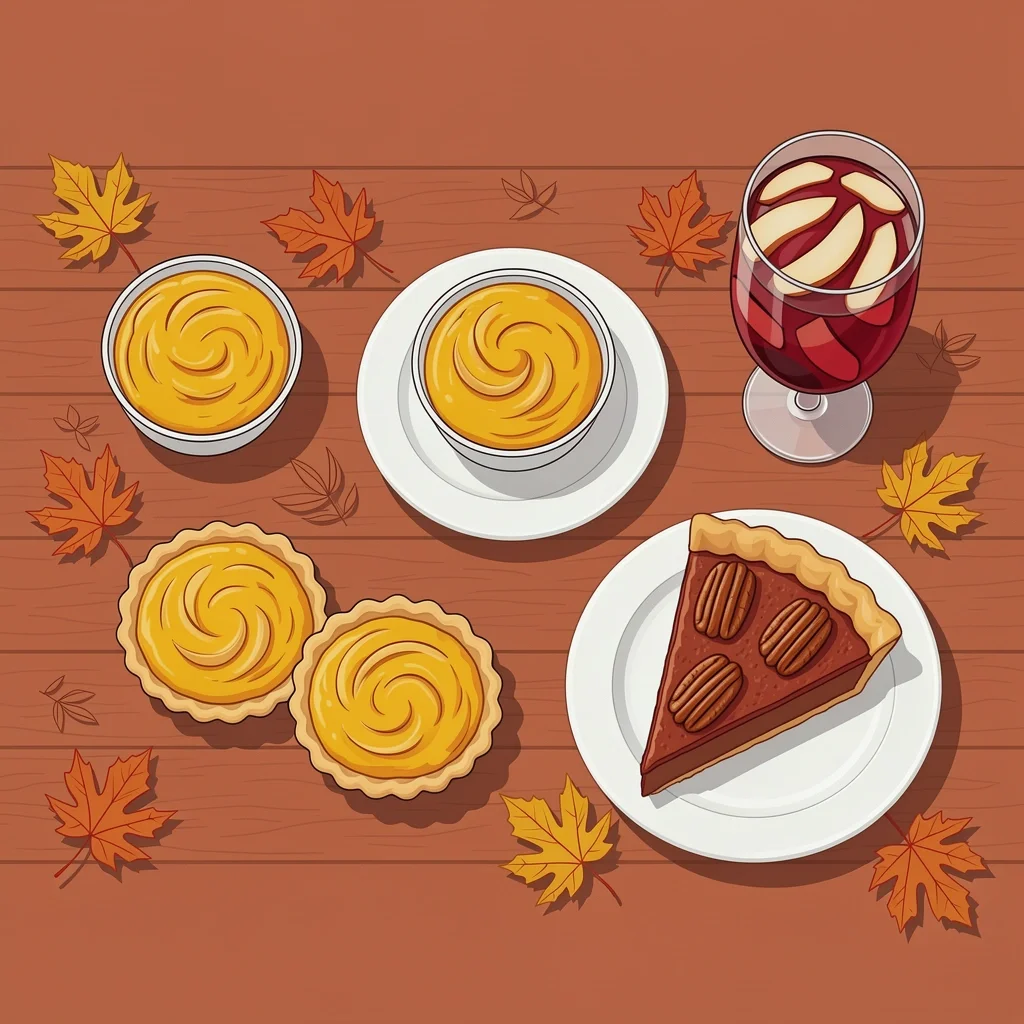
Fall food is comfort food. Use it. A menu that leans into harvest ingredients will feel natural and delicious.
Appetizers: Butternut squash soup shots in tiny cups. Apple and brie tartlets. Stuffed mushrooms. Roasted root vegetable skewers.
Main courses: Braised beef, roasted chicken with root vegetables, or a mushroom risotto for vegetarians. Skip the heavy cream sauces if you have an outdoor element – they cool quickly.
Drinks: Hot apple cider (spiked or not). Mulled wine. Bourbon or whiskey-based cocktails. A signature cocktail using maple syrup or apple brandy.
Desserts: A pie bar with apple, pumpkin, and pecan. S’mores station if you have a fire pit. A small cake with a seasonal flavor like spice cake or carrot cake.
Photography Tips to Capture Autumn’s Golden Hour
Fall light is the best light of the year. The sun is lower, creating soft, warm tones that make everyone look good. But you have to work with it, not against it.
Book a photographer who has shot fall weddings before. They will know when to schedule the golden hour session and how to handle the fading light. If your ceremony is at 3 PM, schedule couples photos for 4:15 PM – that is when the light is perfect.
Must-have shots to discuss with your photographer:
- The couple in the leaves, preferably with the sun behind them.
- Close-ups of the bouquet against a fall background.
- The wedding party with golden hour lighting.
- Any fire or candle details – these look amazing in fall photos.
Also, tell your photographer about any special fall elements like leaf confetti, a hay bale photo area, or a bonfire. They will know how to capture them.
Frequently Asked Questions
What is the best month for a fall wedding in the US?
Late September to mid-October works for most regions. You get peak foliage in the Northeast and Midwest, pleasant daytime temperatures, and good daylight. Adjust for your local climate – if you are in the South, peak foliage might be October to November.
How do I keep my wedding guests warm during an outdoor fall ceremony?
Provide blankets on the seats, hand warmers at the entrance, and welcome drinks like hot cider or coffee. Set a clear dress code on the invitation that mentions the ceremony will be outdoors so guests can dress appropriately.
Can I have an outdoor fall wedding in November?
Yes, but you need a heated tent or indoor backup. Focus on early afternoon to avoid complete darkness. A 2 PM ceremony gives you time for photos before sunset. November outdoor weddings work best in mild climates like the Pacific Northwest or the South.
What fall wedding flowers are least likely to wilt in the cold?
Dried flowers, chrysanthemums, carnations, and greenery are the most resilient. Dahlias and hydrangeas also hold up well. Avoid delicate blooms like garden roses or peonies – they do not like cold or wind.
What should a guest wear to a fall wedding with no dress code specified?
Cocktail attire in rich jewel tones. Velvet or wool fabrics. Closed-toe shoes like block heels or dress boots. Bring a light jacket or wrap. The safest look is a knee-length dress in emerald, ruby, or plum with a cardigan or shawl.
A perfect fall wedding is not about perfection. It is about being smart with the season, thoughtful with your choices, and honest about the weather. When you do that, the magic takes care of itself.