
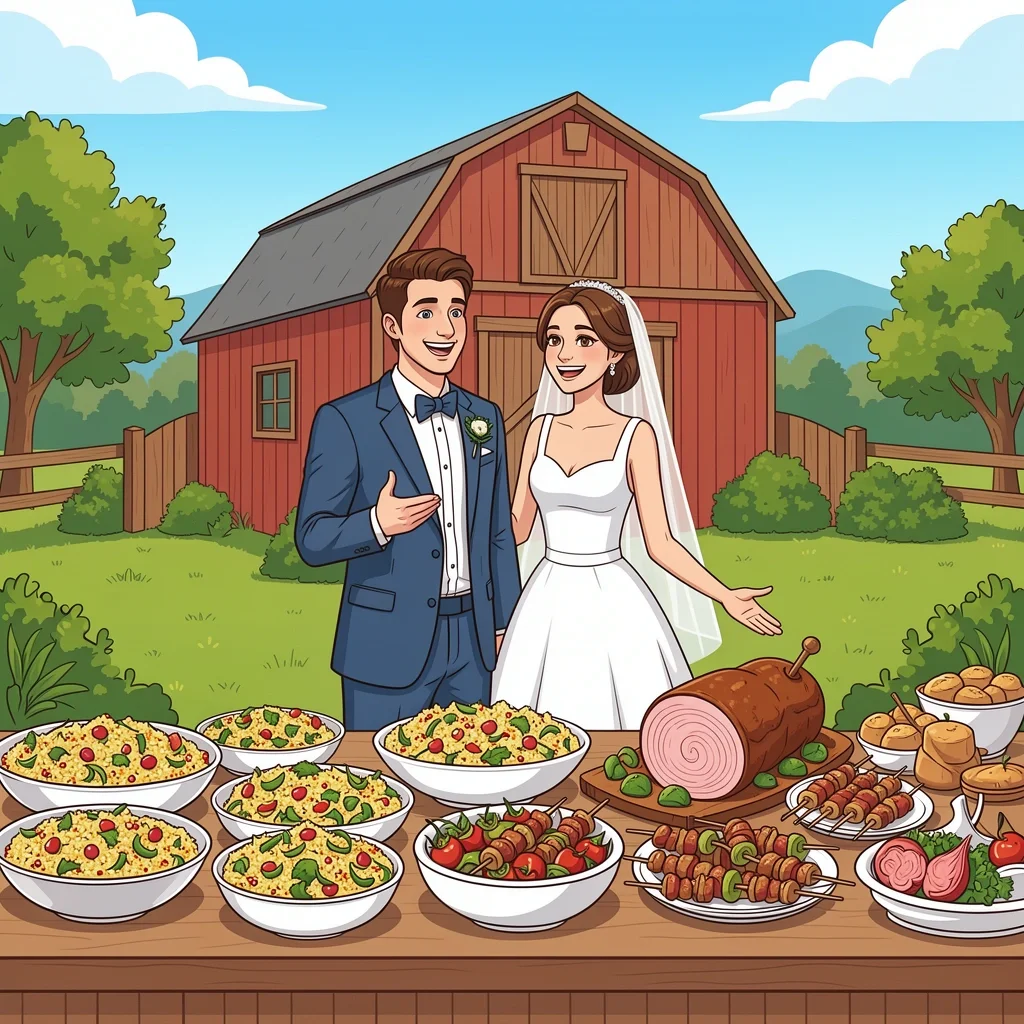
When I tell people I helped cater my own wedding, they usually look at me like I just said I want to juggle chainsaws at the reception. And honestly? They are not entirely wrong. Self-catering a wedding is one of those ideas that sounds brilliant in theory and terrifying in execution. But here is the truth: it can work. It works when you stop thinking about recipes and start thinking about logistics. It works when you treat your menu like an operations plan, not a Pinterest board. I have done this. I have helped friends do it. I have seen it go beautifully right and spectacularly wrong. This guide will help you get the first outcome.
The biggest mistake people make with a do it yourself wedding menu is trying to replicate what a professional caterer would do. Do not do that. You do not need a hot station with three proteins and a carving board. You need a cold buffet that looks intentional, tastes great, and does not require you to disappear into the kitchen for two hours during cocktail hour. The menu that works for self-catering is the one you can prep completely two days before, transport safely, and set out in thirty minutes or less. That is your starting point.
What Kind of Wedding Can You Actually Self-Cater?
Not every wedding is a good fit for a do it yourself wedding menu. I learned this the hard way. The first time I tried to help a friend self-cater, it was for a hundred-person sit-down dinner with multiple courses. That was a disaster. The second time, for a backyard afternoon wedding with sixty guests and a cold buffet, it was seamless. Here is what works and what does not.
Venues That Make Self-Catering Easier
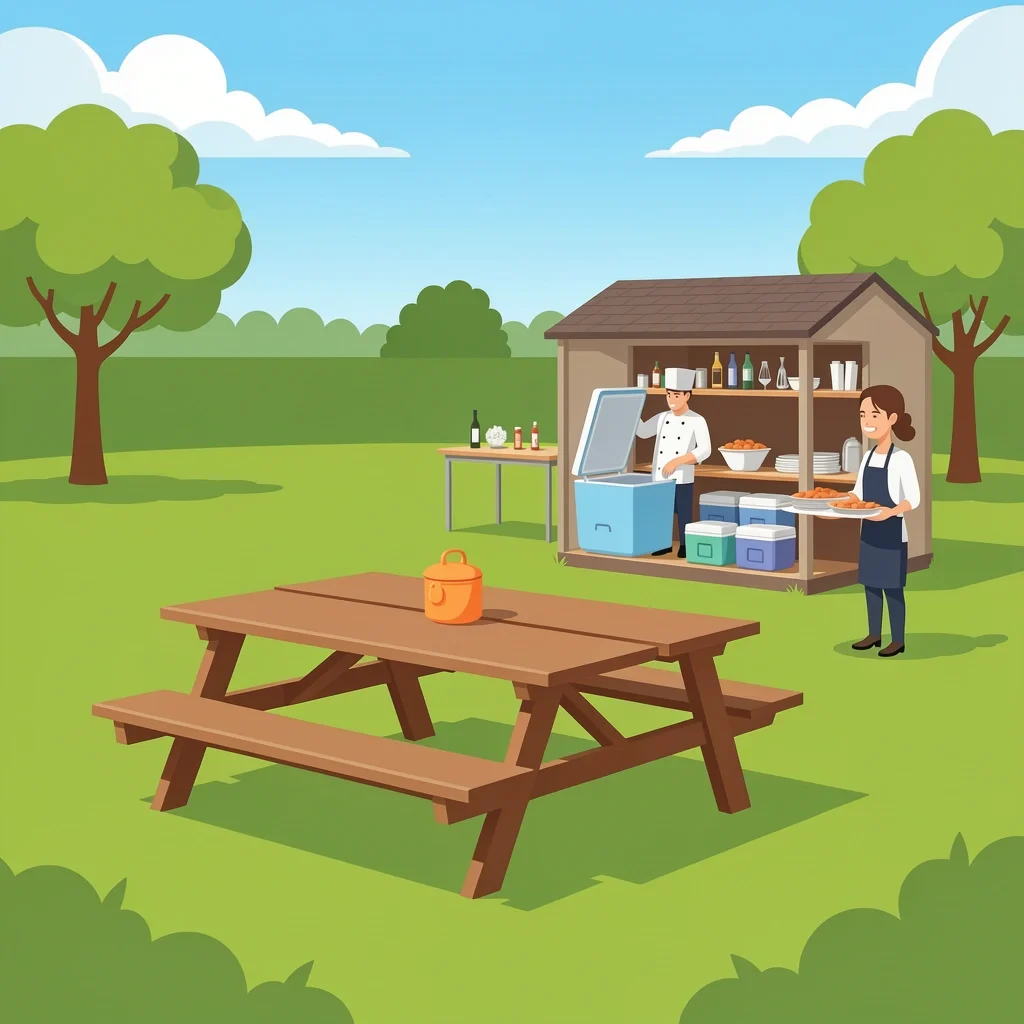
Your venue is the single biggest factor. A backyard, a barn, a large private home, or a public park with a kitchen shelter all work well. You need a space where you have full control over the kitchen. You need access to refrigeration on site, or at least coolers that work. You need counter space for assembly. You also need a plan for power, because chafing dishes and warmers require outlets that older venues may not have in the right spots. Check your venue three months in advance. I cannot stress this enough.
Guest Count Realism
Below forty guests, self-catering is straightforward. Between forty and seventy-five, it requires a team of helpers and a solid plan. Above seventy-five, unless you have commercial kitchen access and professional experience, you are taking on serious risk. I have seen a couple try to self-cater a wedding for 120 people. They ran out of food by the time the main course started. Guests were polite about it, but the bride spent half the reception scrambling to order pizzas. Do not be that couple.
The Three Rules That Make a DIY Wedding Menu Work
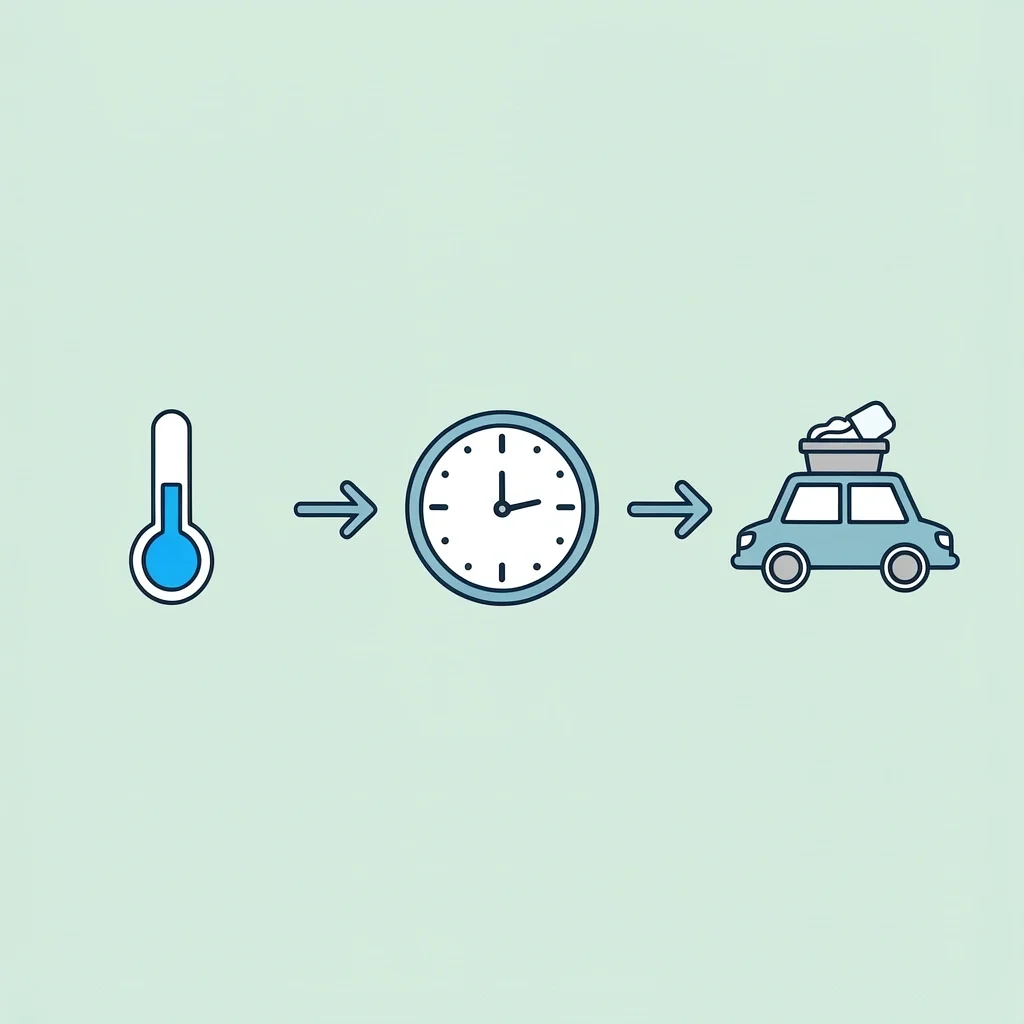
These rules are not suggestions. They are the difference between a menu that functions and one that collapses under its own weight.
Rule one: serve everything cold or at room temperature. This eliminates the need for chafing dishes, warming trays, and last-minute heating. It means you can prep everything in advance. It also means food safety is much easier to manage. Cold foods that stay below 40 degrees are safe for hours. Hot foods that drop below 140 degrees become a bacteria buffet within two hours, and you do not want to be the person causing food poisoning at your wedding.
Rule two: nothing requires last-minute assembly. If the recipe asks you to assemble something in the final thirty minutes, remove it from the menu. I once saw a well-meaning couple plan a taco bar with fresh pico de gallo. They spent the first hour of the reception dicing tomatoes and chopping onions. Their guests saw them doing this. Do not let that be your memory of your wedding day.
Rule three: everything must be transportable. You need to get this food from your kitchen to the venue. That means your menu items must survive a car ride. Layered salads work. Delicate stacked appetizers do not. Sauces should travel in containers separate from the food they accompany. Test your transport plan a week before. Put a full mock dinner in your car, drive to a friend’s house, and set it up. If anything spills, slides, or collapses, change your menu.
Choosing Menu Categories That Fit Self-Catering
When I plan a do it yourself wedding menu, I think in categories, not recipes. The categories are what determine success. The specific recipes are just details.
Appetizers: Pick at Least Three, but Keep Them Full
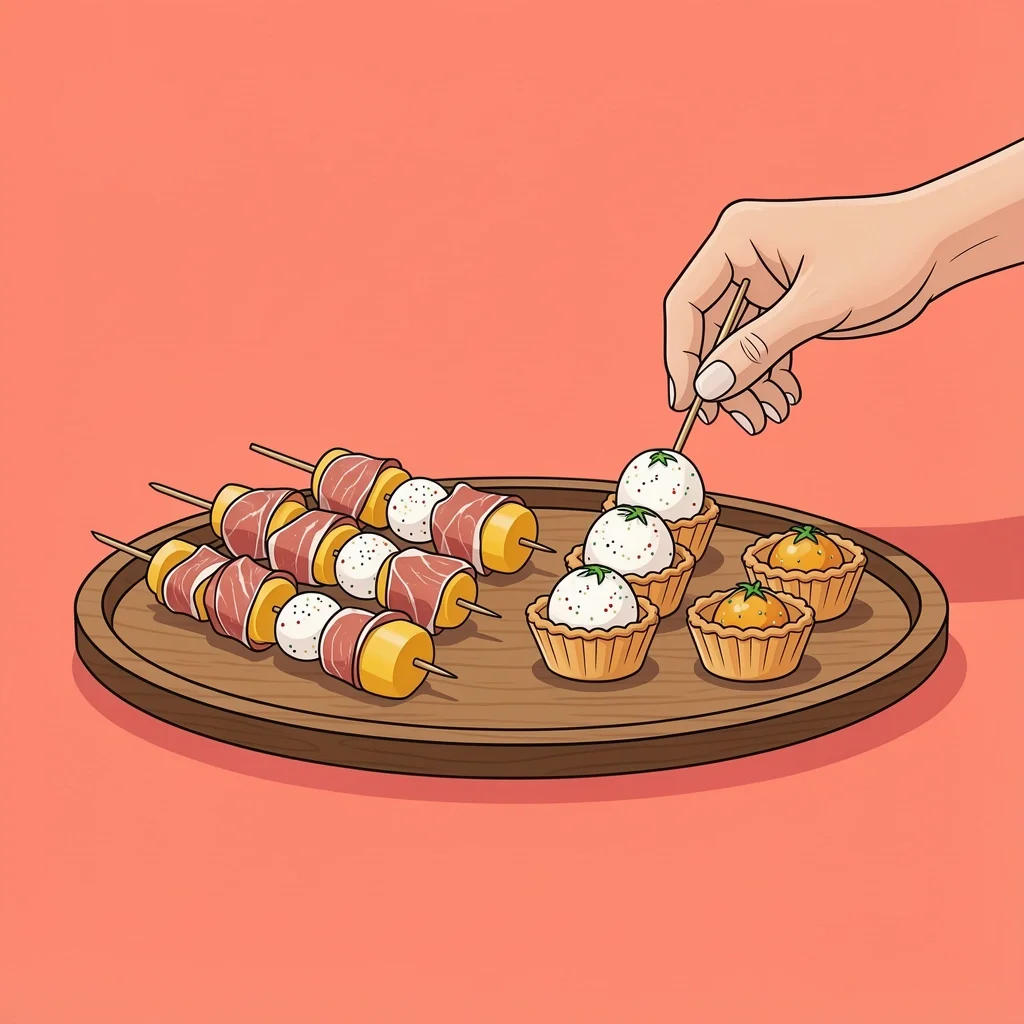
Appetizers are where guests will judge the entire meal. They arrive hungry. If the first thing they put in their mouth is good, everything else tastes better. But appetizers also create the most stress because they often require last-minute assembly. Avoid that. Choose items that are fully assembled before the wedding. Think skewers, marinated cheeses, deviled eggs, and handheld pastries. I like a mix of substantial bites and lighter ones, but everything should be pick-up-and-eat without a plate or fork.
For a full breakdown of how to plan a complete budget-friendly menu from start to finish, explore these inexpensive wedding reception food ideas for feeding your guests well on a budget.
Main Course: Choose One or Two Star Players
Do not try to offer three different proteins. Pick one outstanding centerpiece and maybe one backup protein for dietary needs. For cold or room-temperature serving, think about a slow-roasted ham that you bake two days before, slice, and serve at room temperature. A whole roasted salmon is another strong option. Both travel well, both look impressive, and both hold temperature safely. Pair with breads, rolls, and condiments so guests can build their own plates.
Sides: Go for Salads That Get Better With Time
This is the easiest category to get right. Grain salads, pasta salads, roasted vegetable salads, and bean salads all improve as they sit. The flavors meld. They do not wilt or get soggy. I recommend three to four side options, each from a different base. A farro salad with roasted vegetables, a simple green bean almondine, a classic potato salad, and a cold orzo with cherry tomatoes and basil. These can all be made two days in advance and pulled out the morning of the wedding.
Dessert: Keep It Simple, Make It Indulgent
You do not need a wedding cake to have a good dessert table. Cookies, brownies, bars, and bite-sized pastries travel well and require no serving. A dessert table with five different types of cookies and a chocolate fountain is more memorable than a dry cake that someone had to drive across town to deliver. If you want something more formal, consider a sheet cake from a local bakery that you dress up with fresh flowers. That gives you the look of a wedding cake without the cost or delivery stress.
Building a Timeline That Works
A do it yourself wedding menu needs a schedule that starts at least a week before the wedding. Here is a timeline I have used for several weddings and that has never failed.
One month before: Finalize your menu. Write out every recipe in full, with exact ingredient quantities. Calculate total amounts based on guest count. For appetizers, plan for six to eight pieces per person. For the main course, plan for eight ounces of protein per person. For sides, plan for half a cup per person for each side. For dessert, plan for three cookies or two brownies per person. Order your nonperishable ingredients now.
One week before: Make and freeze anything that freezes well. Cookies, brownies, pie crust, and some soups are fine. Test your transport plan with a small batch of food if you have not done that already.
Two days before: Cook everything that can be made ahead. All salads, all roasted vegetables, all baked proteins. Cool them completely before refrigerating. This is the day you will do the bulk of your cooking. Do not underestimate how long this takes. I block off the entire day.
One day before: Assemble any dishes that require layering or final assembly. Pack everything into labeled containers. Set aside serving platters and utensils. Double-check that you have enough ice and coolers if the venue lacks refrigeration.
Morning of: Load everything into transport. Keep cold food in coolers until it goes onto the serving table. For any room-temperature items that come out of the fridge, set them out one hour before serving so they lose their chill.
Food Safety Rules You Cannot Ignore
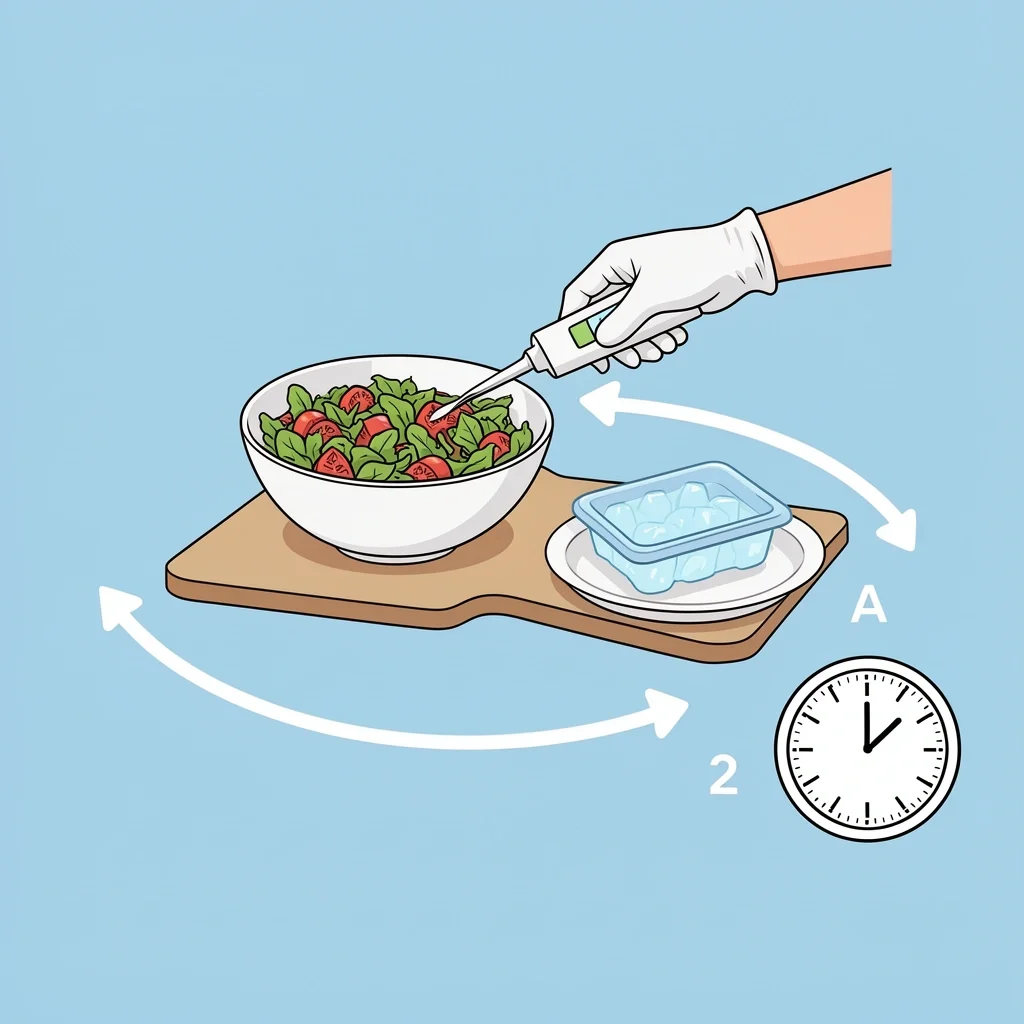
I do not want to scare you, but I need to be honest. Food safety at a wedding is not a joke. You are serving vulnerable populations. Elderly guests, pregnant women, and children can get seriously ill from improperly handled food. Here are the rules you follow without exception.
Keep cold foods below 40 degrees until serving. Use ice baths underneath serving dishes if your venue is warm. If the venue is outside in summer, set up in the shade and rotate food from the cooler to the table in small batches.
Do not let food sit out longer than two hours. After that, discard anything that is not being kept at a safe temperature. This includes cheeses and cured meats, which people often assume are safe at room temperature. They are not.
Wash your hands repeatedly. For the entire prep team. Gloves are not a substitute for handwashing. If you touch raw meat, wash immediately. If you touch your phone, wash again. I have seen cross-contamination ruin a wedding dinner because someone handled raw chicken and then touched the bread basket without washing.
Label everything with the date and time it was prepared. This helps you track how long things have been out of the fridge. When in doubt, throw it out. A hungry crowd is fine. A sick crowd is not.
What to Avoid: The Mistakes I Learned the Hard Way
I have made or witnessed almost every mistake in the book. Here are the ones to avoid above all others.
- Hot food. I already mentioned this, but I will say it again. Do not serve hot food unless you have professional warming equipment. Chafing dishes you rented from a party store will not keep food hot enough for safety. I have seen it fail twice. Both times, the food was cold and the hosts were apologetic.
- Dairy-heavy dips and spreads. These spoil quickly and require constant refrigeration. If you must serve them, keep the bowl nestled in ice and replace it every thirty minutes.
- Anything that involves raw eggs. No homemade aioli, no Caesar dressing from scratch, no eggnog. Use pasteurized products or skip these entirely.
- Complex plating. You are not a restaurant. Your guests do not need individually plated entrees. Family-style serving works best for a self-catered wedding. It looks abundant, it is easy to replenish, and it does not require servers.
- Forgetting dietary restrictions. Ask guests about allergies and dietary needs on the RSVP card. Have at least one vegetarian or vegan option that is clearly labeled. I also recommend labeling everything with the top allergens: dairy, nuts, gluten, and eggs.
Sample DIY Wedding Menu That Passed the Test
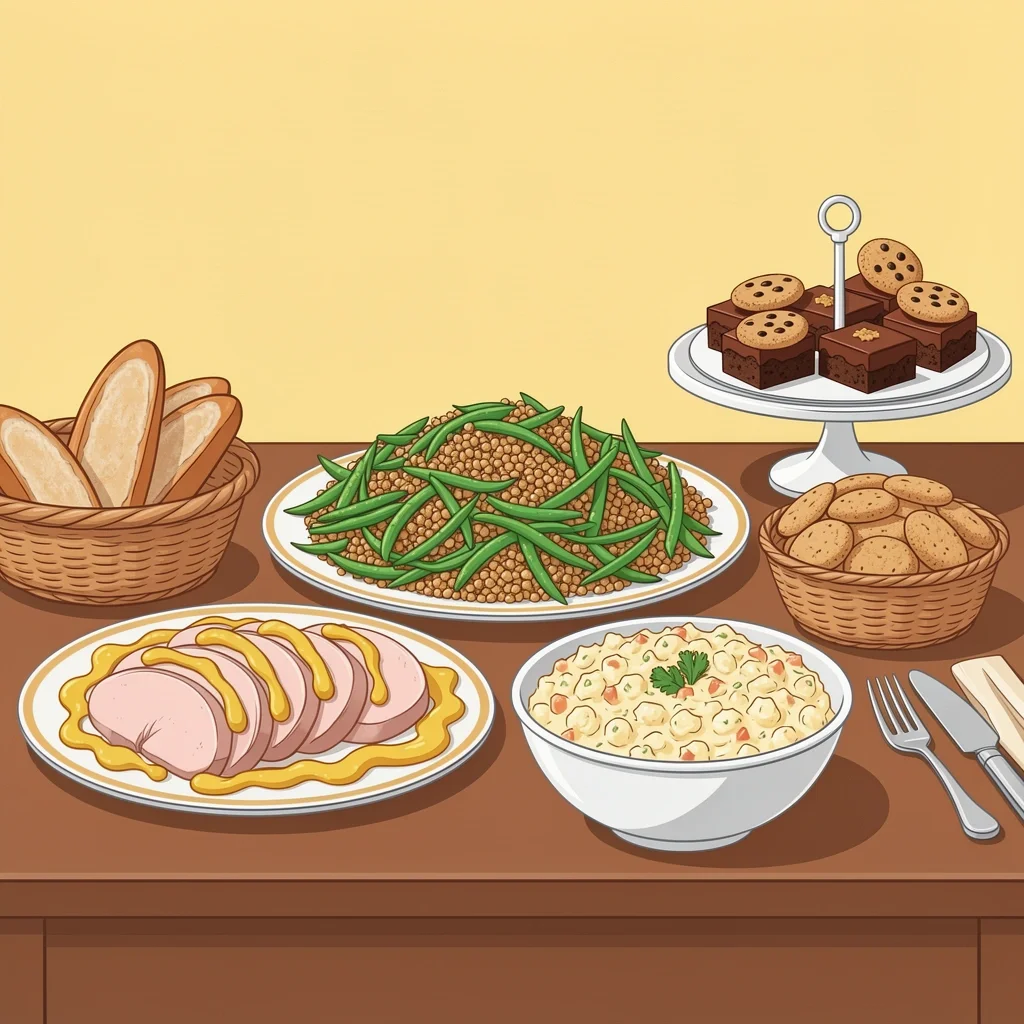
This is a menu I helped a friend execute for a sixty-person wedding in a backyard. It took two days to prep, cost about fifteen dollars per person, and the guests still talk about it two years later.
Appetizers: Prosciutto-wrapped melon skewers with mint, marinated mozzarella balls with cherry tomatoes and basil on toothpicks, roasted red pepper and walnut dip with baguette slices, and a bowl of olives marinated in olive oil and herbs.
Main Course: A slow-roasted herb-crusted pork shoulder that was roasted two days before, sliced cold, and served at room temperature with a tangy mustard sauce on the side. Also, a roasted vegetable platter with eggplant, zucchini, and bell peppers for the vegetarian guests.
Sides: Farro salad with dried cherries, pecans, and a lemon vinaigrette. Green bean salad with cherry tomatoes and feta. A classic potato salad with fresh dill. A rustic bread basket with baguettes and sourdough.
Dessert: An assortment of brownies, shortbread cookies, and chocolate-dipped strawberries. Also, a simple lemon cake that a friend baked and we decorated with fresh lavender.
Everything was made two days before. We packed it all in labeled coolers and plastic bins. The morning of the wedding, we dropped off the food at the venue, set up the tables with disposable but nice-looking bamboo plates, and left. The couple never touched a serving spoon. They were both in their wedding clothes, greeting guests, and enjoying their day. That is the goal.
Frequently Asked Questions
Can I do a DIY wedding menu on a tight budget?
Yes. The biggest savings come from avoiding caterer markup. You are paying for ingredients only, not labor, delivery, or overhead. Use seasonal produce and bulk items. A pork shoulder costs far less per serving than a ribeye steak. Pasta dishes and grain bowls are also very budget-friendly. Stick to simple recipes with short ingredient lists.
How do I handle food for guests with allergies?
Ask about allergies on your RSVP. Label every dish with its top allergens. If someone has severe allergies, prepare a separate, clearly marked portion of food that is safe for them. For example, if a guest has celiac disease, set aside a gluten-free grain salad before adding any breadcrumbs or wheat-based ingredients.
What if I do not have a helper the day of the wedding?
Do not do it alone. I cannot think of a scenario where one person can self-cater a wedding and also enjoy the day. At minimum, have two people who are not part of the wedding party assigned to food duty. They should know the plan, the timeline, and the food safety rules. Better yet, hire a friend of a friend who has catering experience. Pay them or buy them a really nice gift.
How far in advance can I prep a DIY wedding menu?
Most items can be made two days in advance. Freeze items like cookies and brownies up to a month in advance. Cook proteins and salads two days before, store them properly, and pull them out the morning of the wedding. The key is to label everything with the date so you do not accidentally serve something that has been sitting too long.
What is the hardest part of self-catering a wedding?
For me, it was the logistics of keeping everything at the right temperature and making sure nothing ran out. You cannot just cook another batch of something in the middle of the reception. You have to over-prepare. I always plan for twenty percent more food than I think I need. Running out is the one thing guests will remember. The extra cost is worth it.