

If you are searching for “my wedding planner,” you are probably in one of two places: excited to start planning or overwhelmed by choices. The term itself is slippery. It can mean a local service provider, a DIY planning book, or even a piece of software. Most of what you find online is either a sales pitch or a horror story from Reddit. Neither helps you make a decision.
This article is different. It walks you through the entire process from deciding if you need a planner to knowing when to walk away. By the end, you will know exactly what type of planner fits your wedding, how to vet them, and how to keep the relationship healthy.
What “My Wedding Planner” Actually Means — Three Different Relationships
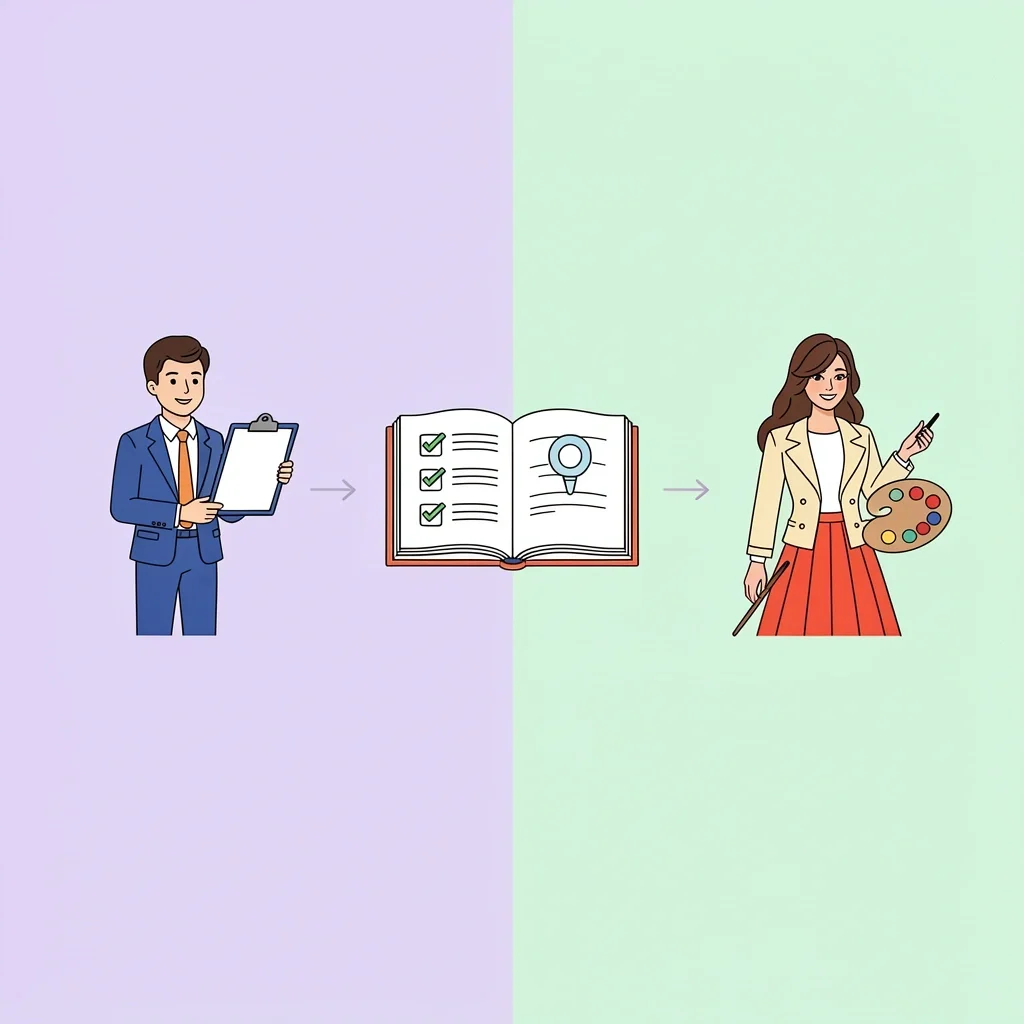
The phrase “my wedding planner” points to three distinct things, depending on context:
- A local professional. This is the most common meaning. A person or team you hire to help plan and execute your wedding. This article focuses on this category because it carries the most risk and reward.
- A planning tool. Books like “My Wedding Planner” or software like Planning.Wedding. These are DIY resources for couples who want to manage everything themselves.
- A luxury designer. High-budget planners who focus on aesthetics and high-end vendor networks. This is a subset of the professional category.
From here on, “my wedding planner” means the human professional. The one you will interview, hire, and work with for months. Everything below helps you determine if that relationship is right for you and how to make it successful.
The Decision Matrix — Four Signs You Need a Wedding Planner and Two Signs You Do Not

Not every couple needs a planner. Some weddings practically plan themselves. Others need a professional to keep things from falling apart. Use this decision tool to find your answer.
If these describe you, hire a planner:
- You work a demanding job. If you have less than five hours per week to dedicate to planning, a planner saves your sanity and your timeline.
- Your wedding involves complex logistics. Multiple venues, cultural traditions, guest counts over 150, or a destination wedding all require someone who manages moving parts for a living.
- Decision fatigue paralyzes you. If the thought of researching thirteen photographers or choosing between three caterers makes you want to elope, a planner narrows the field so you can decide.
- You have a specific aesthetic but no vendor network. Knowing what you want and knowing who can deliver it are two different skills. Planners have the contacts.
If these describe you, skip the planner:
- You genuinely enjoy project management. Some people love spreadsheets, timelines, and vendor calls. If that sounds like fun, you can DIY.
- Your wedding is small and simple. Under fifty guests at a single venue with no cultural ceremonies or complicated logistics? You can probably handle it without professional help.
The key question is not “can I afford a planner” but “what is my time and stress worth?” If the answer is more than their fee, hire one.
The Four Service Tiers — Which Type of “My Wedding Planner” Fits Your Needs
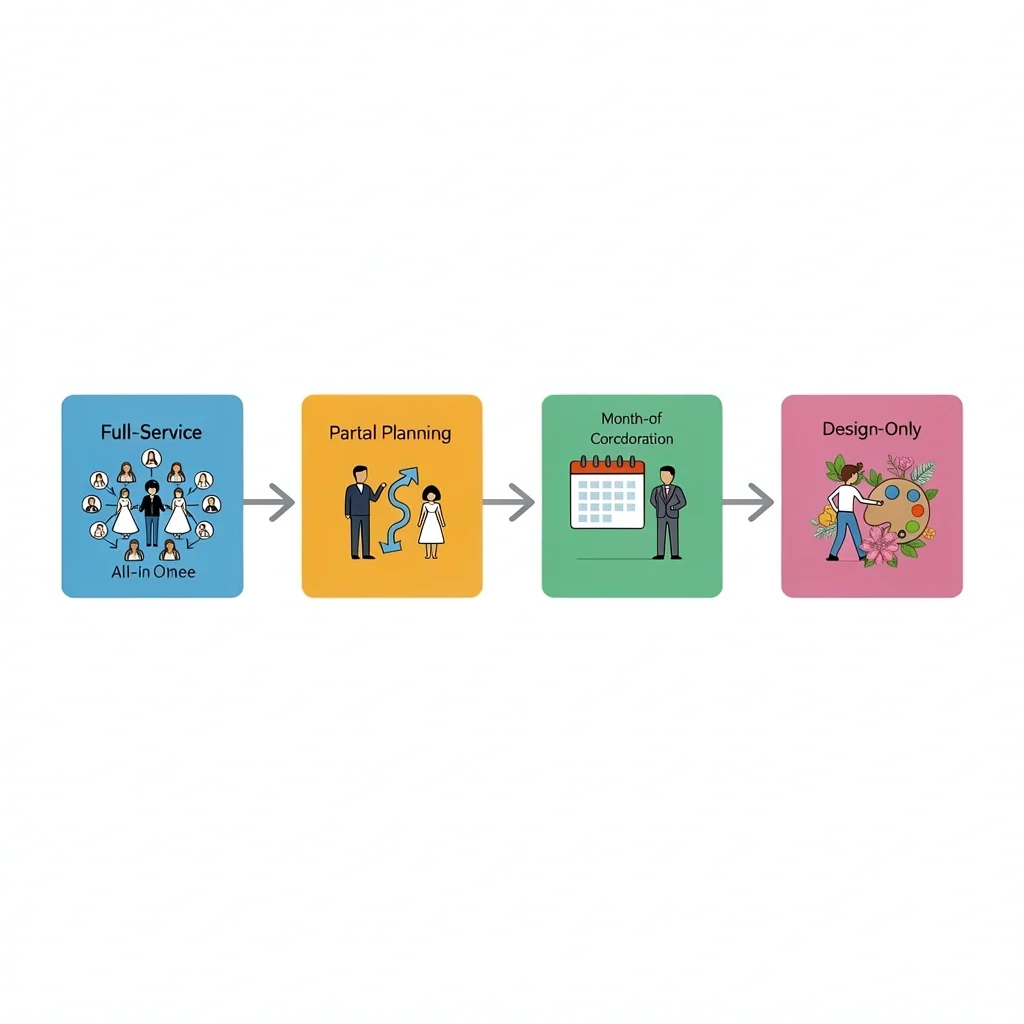
Wedding planners are not one-size-fits-all. They offer different levels of support. Picking the wrong tier leads to paying for things you do not need or missing crucial help on your wedding day.
Full-Service Planning
What it includes: Vendor sourcing and management, design and decoration, budgeting and expense tracking, logistics coordination, timeline creation, day-of management. The planner handles everything from the engagement to the send-off.
Who it is for: Busy professionals, couples planning destination weddings, weddings with over 150 guests, or anyone who wants to outsource the entire process.
Typical price range: 10 to 20 percent of total wedding budget. For a 50,000 dollar wedding, expect to pay 5,000 to 10,000 dollars.
Hire this if: You want to attend your wedding as a guest, not a project manager.
Partial Planning or A La Carte
What it includes: Vendor referrals, budget coaching, milestone check-ins, and strategic advice. You do the daily tasks; they provide the roadmap and contacts.
Who it is for: DIY couples who have time but lack industry knowledge. Also good for couples who have already booked a venue and need help filling in the gaps.
Typical price range: 1,500 to 4,000 dollars, depending on scope.
Hire this if: You enjoy the process but want a safety net when you get stuck.
Month-of Coordination
What it includes: Vendor confirmations, timeline creation, rehearsal management, and day-of direction. The couple does all the planning; the coordinator executes the plan on the wedding day.
Who it is for: Couples who planned their own wedding but do not want to manage the chaos on the day itself.
Typical price range: 800 to 2,000 dollars.
Hire this if: You trust your planning skills but know you will be too stressed or busy to handle emergencies on the day.
Design-Only
What it includes: Aesthetic direction, mood boards, color palettes, vendor curation for flowers, rentals, and decor. No logistics or timeline management.
Who it is for: Couples who have strong logistical skills but no design eye. You manage the schedule; they make it beautiful.
Typical price range: 1,000 to 3,500 dollars.
Hire this if: Your Pinterest board is full of specific looks but you have no idea how to make them real.
How to Vet a Wedding Planner — The Pre-Hire Deep Dive Where Most Couples Go Wrong

Most couples choose a planner based on a beautiful Instagram feed and a friendly first meeting. That is how people end up on Reddit telling horror stories. Vetting is not about liking someone. It is about confirming they can do the job.
The Portfolio Myth
Pretty photos do not equal good planning. A talented photographer can make any wedding look stunning. Look past the pictures for these signs:
- Consistency. Does every wedding in their portfolio look well-organized, or are some clearly messier than others?
- Variety. Have they worked with different budgets, venues, and cultural traditions, or do all their weddings look the same?
- Vendor relationships. Do they tag the same vendors repeatedly, suggesting they have real partnerships? Or do the vendors seem random?
The Reference Call That Matters
Do not ask past clients if the planner was “nice.” Of course they were nice. Ask specific questions:
- “Did the planner meet every deadline without reminders?”
- “How did they handle a crisis during the wedding?”
- “Were there any budget surprises during the process?”
- “Would you hire them again for a different event?”
If a planner hesitates to provide references, that is a red flag.
The Personality-Fit Assessment
After the first consultation, ask yourself three questions:
- Did they listen more than they talked?
- Did they ask about my communication style and preferences?
- Did I feel comfortable disagreeing with them in the conversation?
If the answer to any of these is no, keep looking. You will need to have difficult conversations with this person. If you cannot practice disagreeing in a low-stakes consultation, it will be much harder when money and timelines are on the line.
Red Flag Checklist
- Vague contracts with no clear scope of work
- Refusal to provide references or a sample timeline
- Overpromising timelines (no planner can guarantee everything in three months)
- Excessive enthusiasm without specifics (lots of “I can do that” but no “here is how”)
- Poor responsiveness during the sales process (if they are slow now, they will be slower after you pay)
Green Flag Checklist
- Clear, detailed scope of work in the contract
- Realistic fee structure with no hidden charges
- Asks you questions about your communication style and decision-making process
- Provides a sample timeline during the consultation
- Can articulate how they handle common problems like vendor no-shows or weather emergencies
The Working Relationship — What Happens After You Hire Your Wedding Planner

Hiring a planner is not the end of your involvement. It is the beginning of a professional partnership. Here is what to expect.
The Kickoff Meeting
In the first thirty days, your planner will usually schedule a deep-dive session. Expect to complete a detailed questionnaire about your vision, budget, guest list, and priorities. They will present a preliminary budget breakdown and a timeline for the next few months.
The Communication Rhythm
Monthly check-ins are standard during the early planning stages. As the wedding approaches, weekly check-ins become the norm. For urgent matters, most planners promise a twenty-four-hour response time. Establish this expectation early. If you need faster responses, say so before you sign.
The Budget Split
Who manages payments varies by planner. Some hold deposits in trust accounts and pay vendors directly. Others provide recommendations and let you handle the transactions. Clarify this before the contract is signed. If your planner handles money directly, ask how they protect against fraud or errors.
Decision-Making Ownership
Your planner recommends. You decide. That is the rule. But a good planner will push back if a decision creates logistical problems. For example, if you want a specific floral arrangement that requires a seven-hour setup time, they will tell you the cost in hours and money. Listen to them. They have seen what works and what does not.
Applying this advice is a cornerstone of mastering the essential elements of successful wedding planning.
Common Friction Points
- Vendor payment delays. If a vendor is slow to invoice, the planner should follow up, not you.
- Family interference. Planners can act as a buffer between you and well-meaning relatives. Give them permission to say “the couple has decided” on your behalf.
- Changing vision. If you change your mind mid-process, expect a conversation about timeline and budget impact. That is normal, not a conflict.
- How to navigate them professionally: Address issues directly and early. Use “I” statements. Say “I noticed the timeline is two weeks late” instead of “you are not doing your job.”
The Myth of the Wedding Planner Best Friend — Why Professional Boundaries Protect Your Wedding

Social media and Reddit narratives often paint the ideal wedding planner as your new best friend. Someone who texts you at 11 p.m., knows your family drama, and is emotionally invested in your love story. This is a dangerous fantasy.
The trap of over-personalization. When a planner becomes a friend, professional judgment suffers. They may avoid hard conversations to protect the friendship. They might not push back on a bad decision because they do not want to upset you. The result is a wedding that looks good but runs poorly.
The assistant problem. Some horror stories involve a planner’s assistant behaving badly. Remember: your contract is with the planner, not their team. If an assistant causes problems, address it with the planner directly. Do not assume the planner knows about the issue unless you tell them.
The emotional labor boundary. Planners are not therapists, mediators for family drama, or emotional support animals. If your wedding involves complex family dynamics, consider hiring a separate wedding therapist or counselor. Your planner’s job is logistics and design, not emotional management.
The professional exit. A true professional will help you transition to another provider without burning bridges if the relationship is not working. That is the sign of someone who values the industry more than their ego.
When to Walk Away — Signs Your Wedding Planner Relationship Is Not Working
Sometimes, despite good intentions on both sides, the relationship does not work. Here is how to recognize when it is time to have a hard conversation or walk away.
Missed milestones. If your planner consistently misses agreed-upon deadlines for vendor outreach, budget updates, or timeline delivery, that is a systems problem, not a personality issue. It indicates disorganization or overcommitment.
Communication breakdown. Repeated unreachability, forgotten details, or defensiveness when you ask questions are serious red flags. You should never feel like you are bothering your planner by asking for updates.
Scope creep without communication. If work that falls outside the contract boundaries is pushed to you without discussion, that is a failure of professionalism. Your planner should always ask before adding or removing services.
The fix conversation. Before walking away, have a constructive mid-process check-in. Use specific examples, not generalizations. Say “the floral vendor list was due two weeks ago and I have not received it” instead of “you are always late.” Give them a chance to fix the issue with a concrete timeline.
The graceful exit. If the situation does not improve, review your contract for termination clauses. Know your deposit refund policy and how vendor relationships transfer. A good planner will provide handoff documentation so your new planner can pick up without starting from zero.
Frequently Asked Questions
Can I hire a wedding planner if my budget is under 10,000 dollars total?
Yes, but typically for partial planning or month-of coordination rather than full service. Some planners offer sliding scales or package deals for smaller budgets. Be upfront about your budget during the consultation so they can recommend the right tier.
How far in advance should I book my wedding planner?
Twelve to eighteen months for full-service planning, six to nine months for partial planning, and three to four months for month-of coordination. Popular planners book up fast, especially in peak wedding season.
What is the difference between a wedding planner and a wedding designer?
Planners handle logistics, vendor contracts, and timelines. Designers focus on aesthetic, decor, and visual cohesion. Many professionals offer both services. If you hire a planner who does not offer design, you may need to hire a separate designer for the look and feel.
Do wedding planners handle destination weddings?
Yes, but logistics differ. They may charge travel fees, need to build local vendor relationships, or require additional on-site coordination. Ask about their experience with destination weddings and whether they have a local network at your chosen location.
Can I fire my wedding planner if I am unhappy?
Yes, but review your contract for termination clauses, deposit refund policies, and how vendor relationships transfer. Most planners have a process for this. A professional will help you transition without drama.
Are wedding planner contracts negotiable?
Yes, within reason. Scope of services, payment schedules, and cancellation terms are the most flexible areas. Fee percentages and non-negotiable service inclusions are usually fixed. Do not be afraid to ask for adjustments that fit your needs.
Do I still need a day-of coordinator if I have a full-service planner?
No. Full-service planning includes day-of coordination. If you have a partial or design-only planner, a separate day-of coordinator is recommended to handle execution on the wedding day.