

Every other article tells you to “build a portfolio” or “volunteer at non-profits” but never explains how to do that when you have zero events to offer. Let’s fix that now. You can become a wedding planner with no experience, but the path requires deliberate actions, not just motivational fluff. The single most important shift: you must stop thinking like a consumer of weddings and start thinking like a problem-solver for couples. This article walks you through a six-phase system that takes you from complete outsider to paid professional, addressing the exact barriers that stop most beginners.
Phase 1: Inventory Your Transferable Skills (Because You Are Not Starting From Zero)
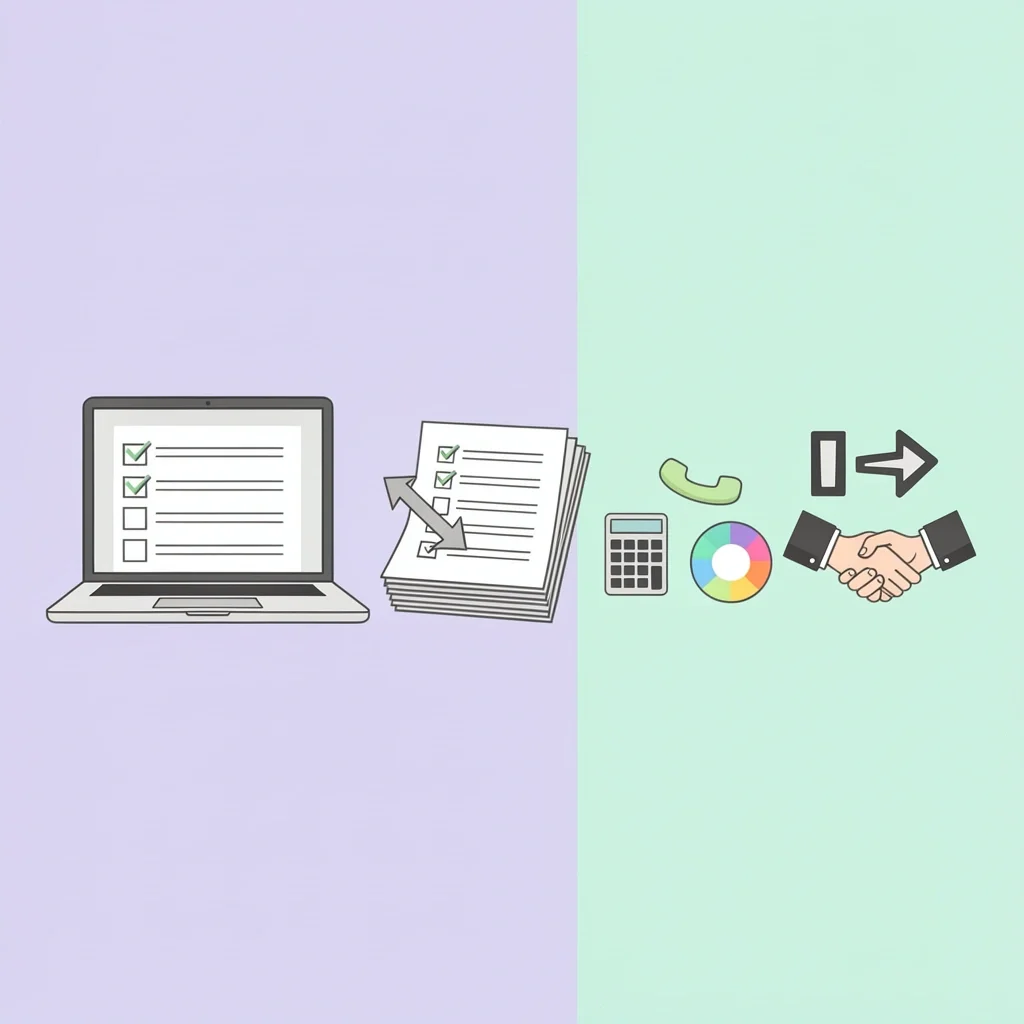
The misperception that wedding planning requires wedding-specific knowledge keeps many people from starting. You already have skills that apply. Every job you have held or project you have managed has given you something useful.
Common transferable skills include:
- Project management: If you have ever created a timeline, tracked tasks, or managed deadlines, you can handle a wedding timeline.
- Customer service: Dealing with clients, vendors, or guests is a daily part of wedding planning.
- Budgeting: Managing a household budget or a work project budget translates directly to wedding budgets.
- Vendor negotiation: Any experience with negotiations, from buying a car to working with suppliers, applies here.
- Design sense: If you have decorated a room, arranged flowers, or chosen colors, you have a foundation in event design.
Do a quick skill audit. List five professional or personal experiences that demonstrate planning ability. Write them down. This reframes you from “unqualified” to “has foundational skills that need industry-specific application.”
Phase 2: Build a Shadow Portfolio Before You Plan a Single Wedding
You cannot show photos of weddings you have not planned. But you can show evidence of your process. That is the secret to a portfolio when you have no experience.
Create Sample Wedding Plans
Pick a real couple (maybe a friend or family member) and ask permission to create a mock plan for their wedding. Do not charge them. Build a complete timeline, a budget spreadsheet, a vendor list, and a design mood board. Use real local vendors and their actual pricing. This shows you can produce the deliverables a client expects.
Partner With a Photographer for a Styled Shoot

Photographers often need a “planner” to coordinate a styled shoot. The shoot is not a real wedding, but you get professional photos that show your vision and organizational skills. Search for local photographers who post styled shoot opportunities, or reach out to one and propose a collaboration. In exchange for your time, you get photos you can use in your portfolio.
Build Vendor Interview Intelligence
Approach caterers, florists, and venues. Explain that you are researching the wedding industry and ask for their pricing, requirements, and tips. Document everything. This builds your knowledge and gives you a list of vetted vendors to share with future clients. You can include this research in your portfolio as “vendor recommendations” or “sample quotes.”
Ethical note: If a styled shoot or mock plan is not a real wedding, label it clearly. Describe it as “Design Concept for a Spring Wedding” rather than pretending it was a real event. Honesty builds trust.
Phase 3: The Legitimacy Foundation (What to Have in Place Before Taking Money)

Before you charge a single dollar, you need to set up the legal and insurance basics. This protects you and your clients.
Business Structure
Start as a sole proprietor if you are just testing the waters. It is free or low cost. When you have consistent revenue, consider forming an LLC to separate your personal assets from business liabilities. Check your state’s requirements. A business license is usually required – check with your city or county clerk.
Liability Insurance
Most venues and clients require proof of insurance. A general liability policy with $1 million to $2 million in coverage is standard. You can buy a policy for $250 to $500 per year as a beginner. Shop around with companies like Hiscox or Thimble.
Contract Essentials
Do not work without a contract. Your contract should include:
- Deposit schedule: 50% at booking, 50% at the event is common.
- Scope limitation clause: Clearly state what you will and will not do.
- Cancellation policy: Specify what happens if the client cancels.
- Force majeure: Protect yourself if the event is canceled due to events outside your control.
Consult a business attorney for your specific situation, but these general standards are a starting point.
Pricing for Beginners
Do not charge the same as an experienced planner. Start at 60 to 70 percent of the market rate in your area. For a day-of coordination package in a mid-sized market, charge $400 to $700. After each of your first three events, raise your rates by 15 to 25 percent until you reach the market average. As a beginner, you are trading lower price for the chance to build experience.
Phase 4: Get Your First Client Without a Traditional Portfolio

You need someone to trust you even though you have no past weddings. Here are three strategies that work.
The Micro-Wedding Strategy
Target elopements (2 to 10 guests), courthouse ceremonies, and backyard events under 30 guests. These couples often do not expect a seasoned pro. They care more about having someone handle the details than about a big portfolio. Offer to coordinate a small event for a low fee or even for free, as long as you get photography rights and a testimonial.
The Partial Service Entry Point
Do not offer full-service planning right away. Start with “Month-Of Coordination” or “Timeline Management.” This reduces the perceived risk for the client. You are only responsible for a small part of the event, so the client feels safer hiring you.
The Referral Partner Exchange
Approach photographers, DJs, or venues who work with first-time planners. Offer to coordinate a small event in exchange for their referral network and a portfolio testimonial. Vendors often need a point person who will handle the logistics so they can focus on their own job. This gives you real experience and a direct path to future clients.
Platforms like WeddingWire and The Knot can be useful for beginners, but they have a learning curve. Thumbtack is another option where you can bid on micro-weddings and small events. Avoid expensive advertising until you have a few events under your belt.
Phase 5: The Honest Inexperience Conversation (What to Say When Clients Ask)

The question every beginner dreads: “How many weddings have you planned?” If the answer is “zero,” you need to handle it with confidence and honesty.
Script Option A: Process-Focused
“I am newer to the industry, which means I have more time and attention to dedicate to every detail. Here is the system I use to ensure nothing falls through the cracks…” Then walk them through your timeline template, your vendor checklists, and your backup plans. Show them your process, not your past.
Script Option B: Value-Focused
“I have spent the last [time period] studying exactly what couples need. My advantage is that I am not burned out or working from habit – every decision is intentional. I bring fresh energy and a focus on your specific needs.”
What to Never Promise
Do not promise complex destination logistics, ethnic or cultural ceremonies you do not understand, or large events with more than 200 guests until you have experience. Be honest about your limits. Clients respect honesty more than overconfidence.
How to Handle Mistakes
Every planner makes mistakes, especially at the beginning. If something goes wrong, own it immediately. Communicate with the client and the vendor. Solve the problem. Clients care more about how you handle problems than whether they occur. A calm, solution-oriented attitude can turn a small mistake into a stronger relationship.
Phase 6: Scale From First Client to Full-Time Planner

After your first event, you have real proof. Now you can start growing.
Update Your Portfolio
Put the photos, timeline, and vendor list from your first event into a professional portfolio. Request a testimonial from the client. Ask if you can use their names and wedding details (with permission).
Raise Your Prices
After each successful event, raise your rates by 15 to 25 percent. After three events, you should be close to the market average in your area. Do not be afraid to charge what you are worth.
Consider Specializing
Once you have a few events, think about what you enjoyed most. Micro-weddings, elopements, cultural weddings, – each niche has its own client base. Specializing helps you stand out and charge higher rates.
Continuing Education
You do not need a degree, but certifications from reputable organizations like the Association of Bridal Consultants or the Wedding Planning Institute can add credibility. Attend industry conferences like The Special Event or Catersource to learn and network. Only invest in education that gives you practical skills, not just a certificate.
When to Hire Help
When you have more than three events a month, consider hiring an assistant or partnering with a more experienced planner. This lets you take on more clients without burning out. Start small – a virtual assistant for emails or a day-of assistant for setup.
Frequently Asked Questions
Do I need a certification or can I just start?
Certification helps with credibility but is not required. Focus on skill-building courses that teach you timeline creation, vendor management, and contract basics. Expensive degrees are not necessary.
How long until I land my first client?
Three to six months if you actively use the micro-wedding and referral strategies. Six to twelve months if you are passive. Your first client comes faster when you offer a small, low-risk service.
Should I start part-time or full-time?
Start part-time. Keep your current job, build one to three events, then transition. This reduces financial pressure while you learn.
What software do I actually need as a beginner?
Trello for timelines, Canva for proposals, and Google Sheets for budgets. Save the expensive planning software like Aisle Planner or AllSeated until you have revenue.
Should I also do non-wedding events?
Yes. Corporate events, birthdays, and fundraisers build experience and portfolio. They also give you a broader skill set. You can always specialize later.
What if I fail at my first event?
Have a backup plan. Communicate with vendors early. Accept that small mistakes happen. Clients care more about how you handle problems than whether they occur. Stay calm, solve the issue, and learn from it.
Your one task today: list five people in your network who are engaged, getting married, or know someone who is. Reach out to one and offer to help with vendor research or timeline creation. That is your first step.
For a more comprehensive roadmap, consider reading a complete guide for new wedding planners to build on this foundation.