

When someone you care about loses a baby, you want to do something. Anything. But the fear of getting it wrong can stop you cold. You worry about making things worse, picking something that feels hollow, or saying the wrong thing in a card. That anxiety is normal. It comes from a good place.
The truth is that no gift will fix their pain. Nothing can. But the right gift can send a message that matters deeply: I see your child. I see your grief. I am not going anywhere.
This article walks through what actually helps parents who have lost a baby, what to avoid, and how your gift can provide real comfort without creating extra burden.
Why Gifts After Baby Loss Are Different

Grieving parents exist in a strange space. The world moves on quickly, but their world has stopped. Friends and family send a wave of support in the first week, and then it fades. The parents are left holding a grief that feels invisible to everyone else.
A gift after baby loss carries weight because it says their child mattered and still matters. The best gifts do three things: they acknowledge the child’s existence, they require no emotional labor from the parent, and they last beyond the immediate aftermath of the loss.
Most people send flowers or a meal in the first few days. Those are fine. But they miss the deeper need. Flowers die, and watching something beautiful wilt can hurt. Meals help, but they arrive when the freezer is already packed. The most thoughtful gifts arrive later and require nothing in return.
The Three Pillars of a Thoughtful Baby Loss Gift
Before looking at specific suggestions, it helps to have a framework. Every good gift for someone who lost a baby rests on three principles.
- Acknowledgment – The gift should recognize the child’s existence by name, date, or symbol. Parents need to hear their child’s name spoken and see it honored.
- Minimal Obligation – The parent should not have to write a thank-you note, arrange a delivery time, or figure out how to use the gift. Grief is exhausting. A good gift takes something off their plate, not adds to it.
- Longevity – The gift should last beyond the first wave of sympathy. Parents often feel abandoned after a few weeks. A gift that arrives a month later or one that remains in their home for years sends a lasting message of support.
Gift Ideas by Relationship and Stage
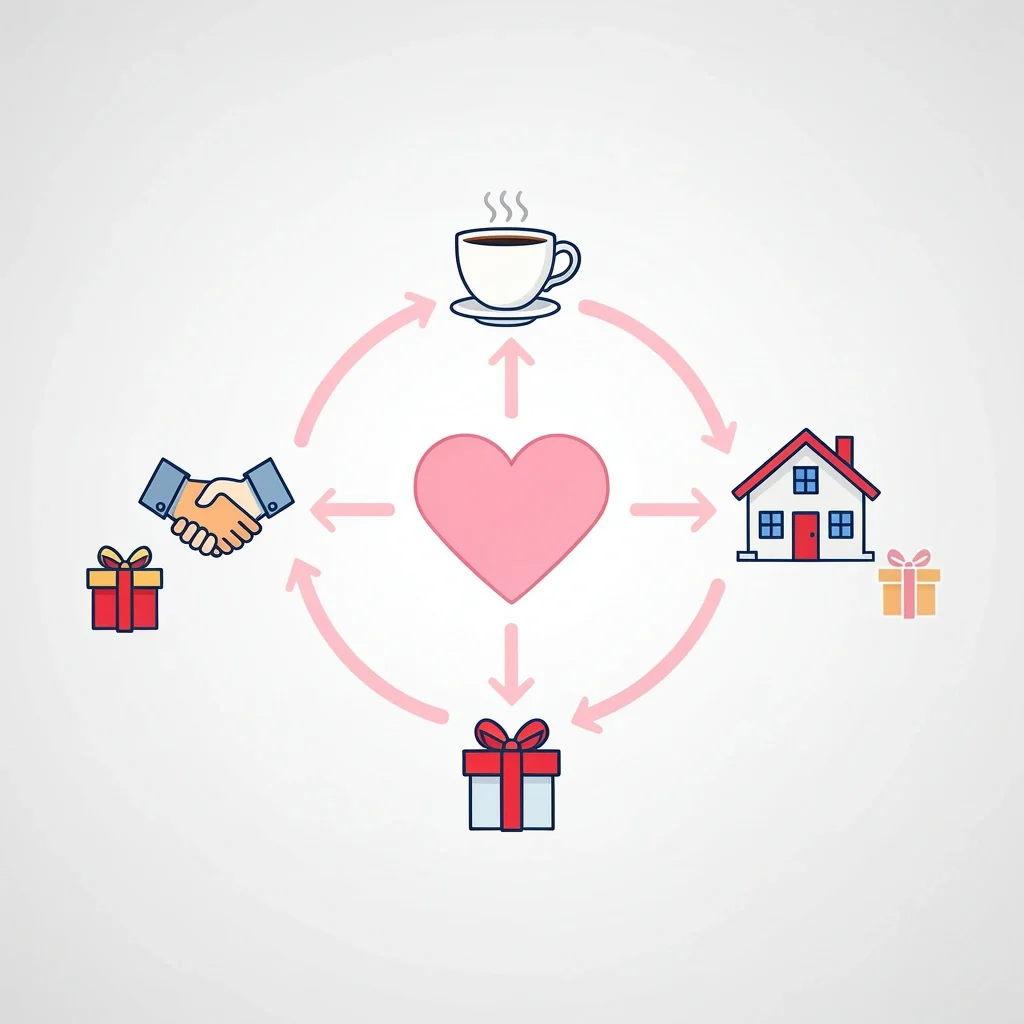
The right gift depends on who you are to the parents and where they are in their grief journey. A coworker should not send the same thing as a best friend. A gift in the first week should differ from one at the one-year mark.
For the First Week: Invisible Support
In the first days, parents are in shock. They are not opening mail. They are not cooking. They are not thinking clearly. Gifts that require nothing from them work best.
| Gift | Why It Works |
|---|---|
| Grocery delivery gift card | No planning needed. They order when they have energy. |
| House cleaning service | Removes a practical burden without asking for anything. |
| Disposable plates and utensils | One less chore. They do not have to wash dishes. |
| Cozy robe or blanket | Comfort without fit or size concerns. |
These gifts say I want to help without making you interact with me. That is exactly what many parents need early on.
For the First Month: Memorial Items
Once the initial fog starts to lift, parents often want something tangible to hold. Memorial gifts that honor the child by name or birth date are deeply meaningful.
- Engraved wind chimes – Placing them outside creates a gentle reminder of the child whenever the wind blows. Many parents describe hearing the chimes at unexpected moments and feeling a sense of peace.
- Custom necklace with the child’s initials or birth flower – Jewelry gives the parent something to touch throughout the day. It keeps the child close without a constant verbal reminder.
- Memory box – A simple wooden box where parents can store hospital bracelets, ultrasound photos, or the blanket the baby was wrapped in. Having a designated place for these items helps parents feel organized in their grief.
When ordering custom items, include the child’s name on the order. Parents notice when you take that extra step.
For the Dad

Most baby loss gifts focus on the mother. Dads get overlooked, even though they are grieving just as deeply. Society expects men to be strong and move on quickly. That makes a thoughtful gift for a dad even more powerful.
- Engraved pocket knife or watch – Subtle and masculine. He can carry it daily without drawing attention.
- Custom portrait of the baby – A sketch or painting from a photo. Dads often display these in their office or workshop.
- Subscription to a grief support service for fathers – Online groups or counseling designed specifically for men navigating child loss. This is a gift that keeps giving.
The key is to acknowledge his grief without forcing him to talk about it openly. A gift that sits quietly with him works best.
For Later: Ongoing Support
Three months after the loss, the casseroles stop coming. Friends stop checking in. That is when parents feel most alone. A gift that arrives later sends a powerful message.
- Monthly care package subscription – Items like tea, bath salts, journals, and candles. Each delivery reminds them that someone remembers.
- Custom garden stone – Placed in a garden or yard. It creates a permanent memorial space that grows with time.
- Donation to a cause in the child’s name – A one-time donation is fine, but a recurring donation tied to the child’s birth month carries more weight.
Mark the child’s birthday and the anniversary of their passing on your calendar. Send a simple text or card on those days. Parents remember who showed up then.
What to Avoid: Common Mistakes That Hurt More Than Help
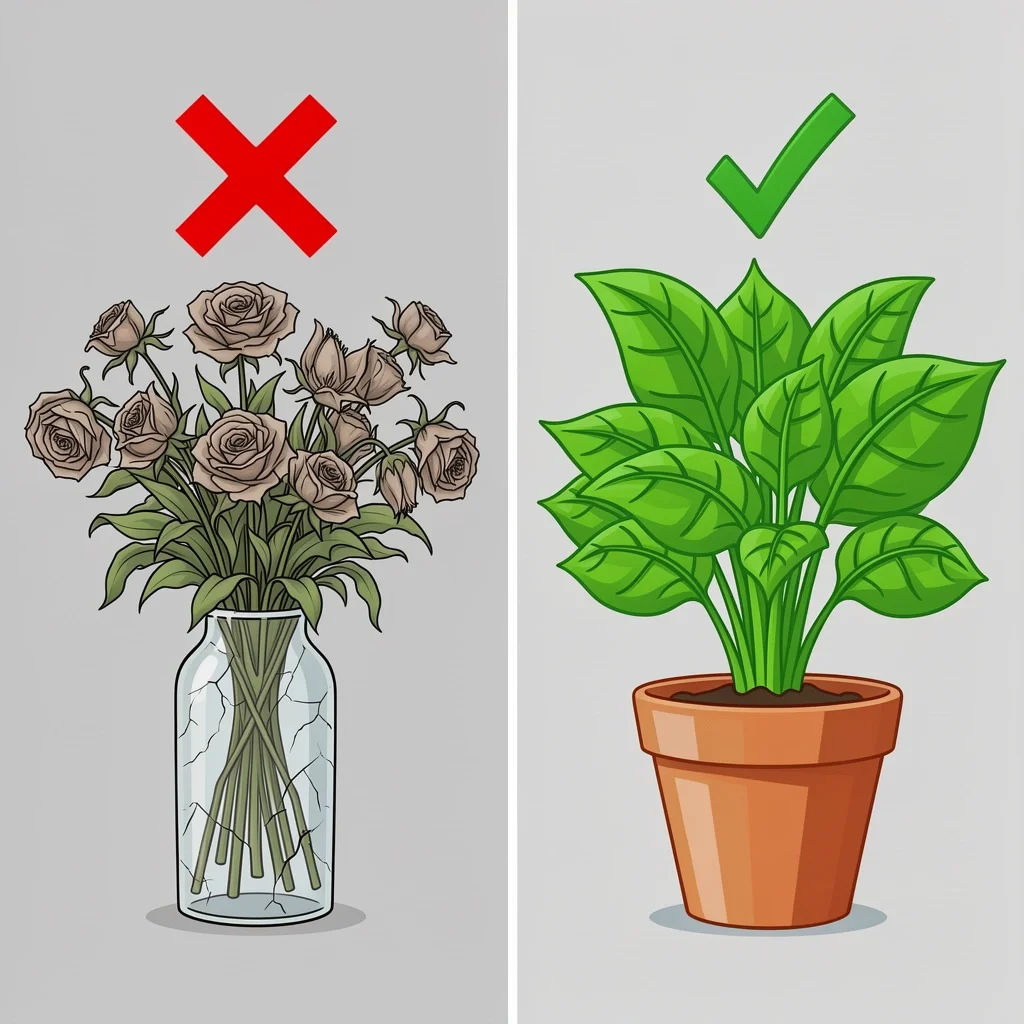
Good intentions do not always land well. A few categories of gifts can cause unintended pain.
- Cut flowers – They die within a week. Watching them wilt can mirror the parent’s sense of loss. A potted plant that lives for years is a better alternative.
- Religious items unless you know their beliefs – A cross or angel figurine might comfort someone who shares that faith. For someone who does not, it can feel alienating or presumptuous.
- Gifts that imply moving on – Anything that says time heals all wounds or you will have another baby misses the mark. The parent does not want to move on. They want their child acknowledged.
- Gifts that require a thank-you – A box of fancy chocolates or a boutique item that needs a handwritten note is a burden. If they have to acknowledge it, it is not a gift for them. It is a gift for you.
When in doubt, ask a close family member or the parent directly what they need. That simple question often yields the best answer.
The Invisible Gift: Support That Asks for Nothing
The most undervalued type of gift is the one the parent never has to acknowledge. It arrives without a card. It does not require a response. It just quietly makes life easier.
- Lawn care service – One less thing to think about when getting out of bed feels impossible.
- Pet sitting or dog walking – For parents who have animals they cannot focus on.
- Gas station gift card – Practical in a way that feels almost too simple, but it removes a small friction from daily life.
- No-contact care package – Leave it on the doorstep with a note that says no need to reply. Just thinking of you.
This approach works especially well for coworkers, neighbors, or distant relatives who want to help but do not have the emotional closeness to choose a deeply personal gift.
Beyond Gifts: How to Be a Long-Term Presence
Gifts are a starting point. What matters more is showing up over time. Grieving parents often say that the people who checked in at six months and one year made the biggest difference. Those are the people who did not disappear.
- Say the child’s name out loud. Many people avoid it because they worry about causing pain. Actually, hearing their child’s name brings comfort. It tells the parent that their child is not forgotten.
- Send a text on hard days – Birthdays, death anniversaries, and holidays are brutal. A simple message like Thinking of you and [child’s name] today means more than any store-bought item.
- Offer practical help without waiting to be asked – Do not say let me know if you need anything. That places the burden on them. Say I am dropping off dinner Thursday at 6 or I will mow your lawn this Saturday.
Your presence over time is the gift that keeps giving. It costs nothing but requires intentionality.
Frequently Asked Questions
Is it okay to give a baby gift after a loss?
Only if the parent has explicitly asked for it. Some parents want to honor their child by preparing for a future sibling. Others find it painful. Unless they bring it up, stick to gifts that focus on the parent’s grief, not future pregnancy.
Should I include a long message in the card?
A short, heartfelt message works best. I am so sorry. I am thinking of you and [child’s name]. I am here whenever you need me. That is enough. Long letters can feel overwhelming for someone who can barely read through tears.
What if I never met the baby?
That does not matter. You are supporting the parent’s grief, not the child’s memory. A gift that acknowledges the loss without pretending you knew the baby is fine. Stick to practical help or a simple memorial item like a wind chime.
Can I give a gift to a colleague without making it awkward?
Yes. Keep it discreet and impersonal. A house cleaning gift card or a grocery delivery subscription works well. Leave it on their desk or send it through a third party. A short email that says I heard about your loss. No need to respond. Thinking of you is respectful.
Similarly, a carefully chosen seasonal greeting card can offer a quiet moment of connection without demanding a response.
How do I handle it if the parent does not seem to like the gift?
Do not ask about it. Do not mention it again. The parent may not have the energy to respond. They may have received dozens of gifts. The important thing is that you sent it. Your intention landed. Let it go.