

Being asked to be the maid of honor is an honor. But it also comes with a weight that no one warns you about. You are the planner, the listener, the crisis manager, and the emotional anchor. You stand beside your friend on one of the most important days of her life, and you do it while managing your own expectations, fears, and exhaustion.
This devotional for the maid of honor is not a script for your speech or a checklist for your duties. It is a spiritual framework for stewarding your influence, managing your own heart, and serving the bride from a place of overflow rather than depletion. Each section is written to meet you where you are, whether you are in the middle of planning or standing at the altar.
The Role You Did Not Choose
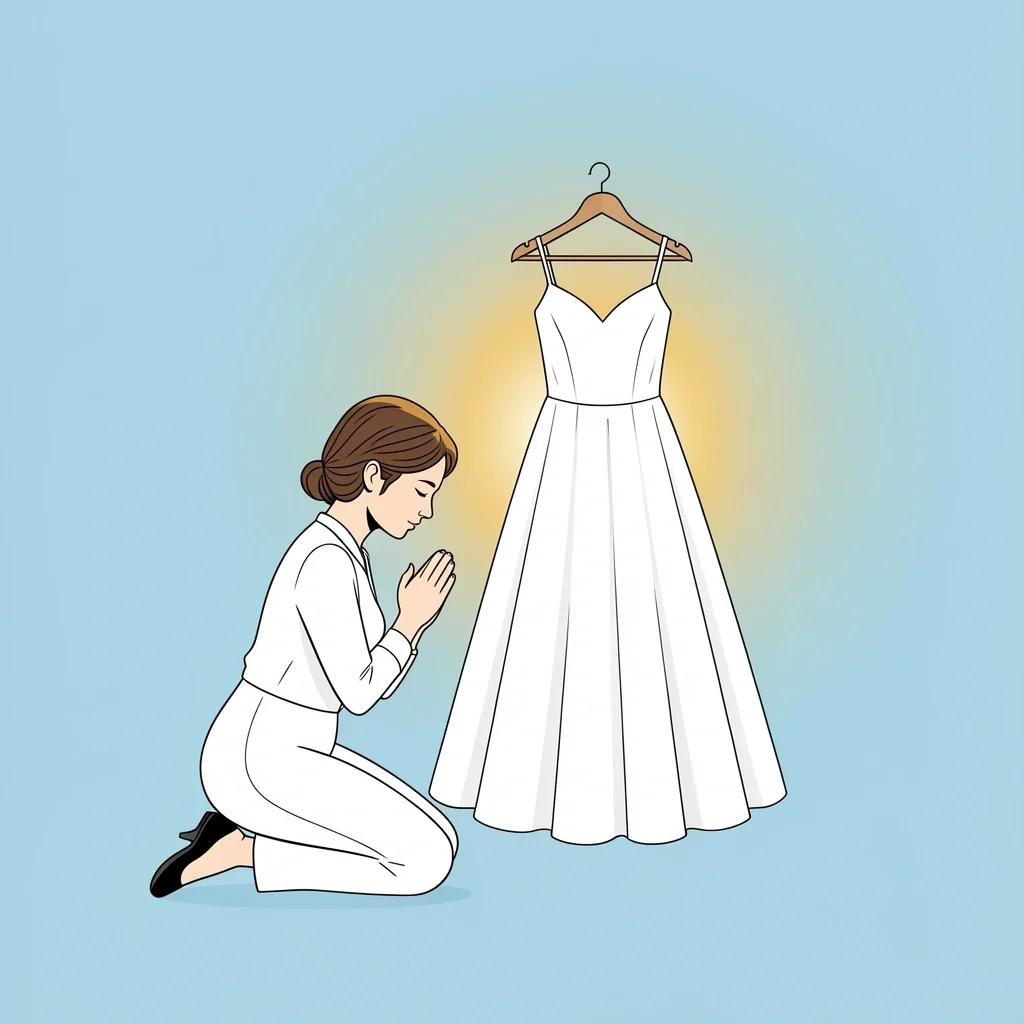
You did not sign up for this role in a church service. You were asked by a friend. And yet, what you are doing carries sacred potential. The wedding day is not just a ceremony; it is a covenant union that God cares about deeply. Your job is not merely functional. It is formational. You are participating in something eternal: the spiritual covering of your friend’s heart during one of the most vulnerable seasons of her life.
Let that sink in. You are not just helping her pick a dress or organize seating charts. You are standing in the gap when she cannot stand alone. That is a holy calling.
The Cost of Standing Beside Her
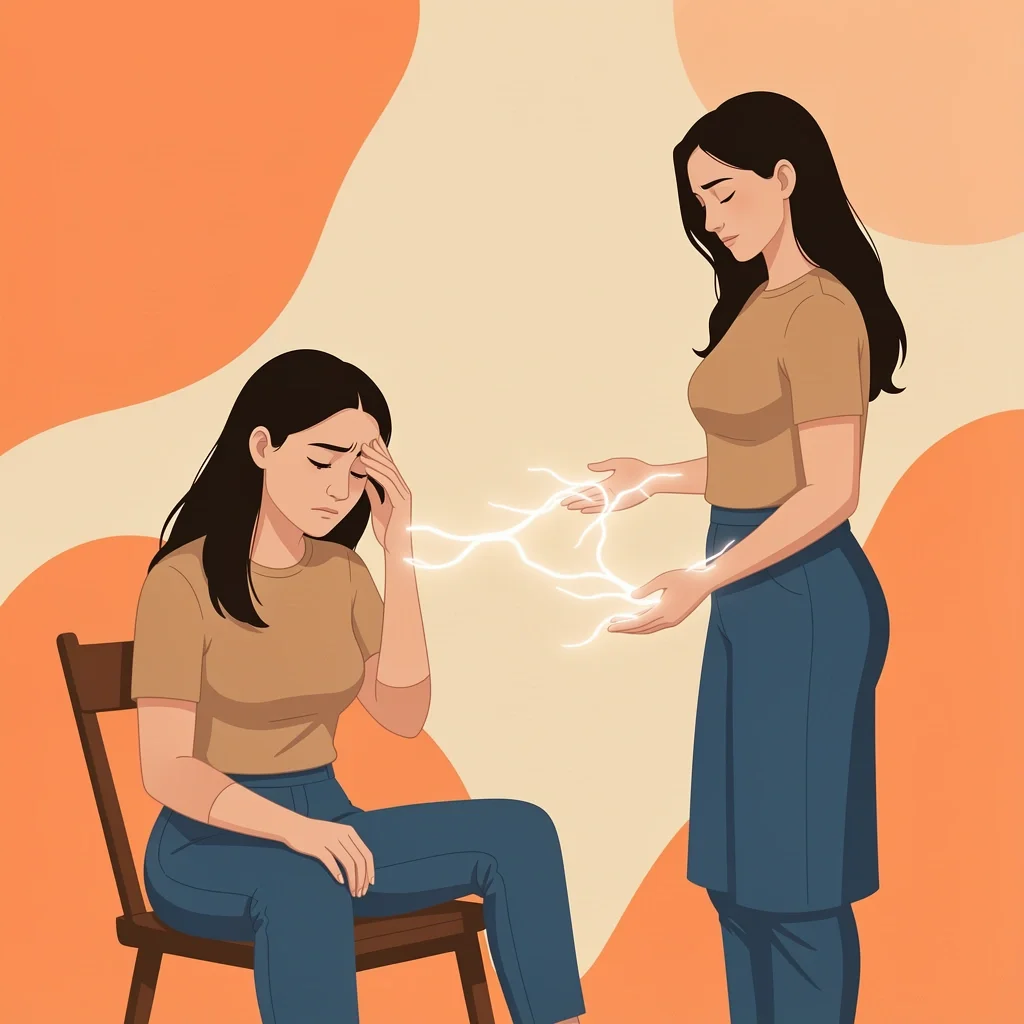
Why does this role feel harder than you expected? Because it is hard. You absorb her anxiety, mediate family dynamics, manage expectations, and often suppress your own needs. This is not complaining; it is reality. It is love that costs something.
The Bible gives us a picture of this kind of support in Exodus 17:10-13. Aaron and Hur held up Moses’ arms during a battle. They were not the main characters, but without them, the battle was lost. You are the maid of honor who holds up the bride’s arms when she cannot hold them herself. That is sacred stamina, not glamorous service.
Take a moment to reflect: What exhaustion have you been carrying that you have not admitted to God? Write it down. Then offer it to Him as an act of worship — not because He demands your depletion, but because He sees it and wants to meet you there.
Guarding Her Peace When Everything Is Loud

You have unique access to your friend’s heart. She will tell you things she will not tell anyone else. That means you have a responsibility to speak truth, but also to know when to stay silent.
Consider Esther 4:14: “And who knows but that you have come to your royal position for such a time as this?” Your position as maid of honor is providential. You are not just a friend; you are a stationed guardian of her peace.
Here are practical ways to guard her peace without being preachy:
- Pray for her privately before you ever pray with her out loud.
- Speak peace into her anxiety without minimizing what is causing it.
- Remind her of who she is when wedding pressure distorts her identity.
- Create space for her to be honest about fear or doubt without fixing it.
Ask yourself: What is one thing your friend needs to hear right now that only you can say? Ask God for the words and the timing. Trust Him to open the door.
The Jealousy and the Joy

No one talks about this, but it is real. You watch your friend receive attention, gifts, and affirmation while you stand beside her serving behind the scenes. Sometimes a quiet envy creeps in. That is human, not sinful. But left unexamined, it poisons the heart.
John the Baptist understood this. When his disciples told him that Jesus was gaining more followers, John responded: “He must become greater; I must become less” (John 3:30). That is the maid of honor’s theology. Your role is to make the bride look radiant, even if it means stepping into the shadows.
Examine your heart: Am I secretly hoping for recognition? Do I feel resentful when my efforts go unnoticed? Can I celebrate her joy even when I feel overlooked?
Pray this: “Lord, I give You my hidden resentments. Teach me to rejoice when others receive what I secretly wanted. Let my love for her be bigger than my need to be seen.”
The Speech That Matters More Than Words

You will give a speech. Everyone gives you advice about length, humor, and tone. But the real question is: what does your speech accomplish? It is not a performance. It is a public act of honor. It proclaims your friend’s worth and invites others to celebrate what you already know.
Proverbs 31:28-31 describes a woman whose children and husband praise her. Your speech is a form of that blessing. Speak truth over your friend in front of witnesses.
Before you write a single word, ask yourself:
- What is one quality in the bride that deserves public acknowledgment?
- What is a specific memory that reveals her character?
- What do you want her husband to know about who she is?
Write down three things that are true about your friend that she may not see in herself. Ask God how He wants you to speak those truths at the wedding — and beyond.
The Monday After the Wedding

No one prepares you for the week after. The planning stops. The attention shifts. The bride enters a new season with her husband, and your friendship dynamic changes. It can feel like an emotional void.
Ruth 1:16-18 shows us a model of covenantal friendship that persists through life transitions. Ruth did not abandon Naomi when circumstances changed. Your role as a friend does not end at the reception.
Here are some principles for life after the wedding:
- Give the couple space to establish their marriage rhythm.
- Initiate friendship without expecting immediate reciprocity.
- Celebrate her new season without mourning the old one.
- Reclaim your own life, identity, and priorities without guilt.
Pray this: “Lord, help me love my friend well in this new season. Give me wisdom to know when to step forward and when to step back. Let our friendship grow, not shrink, because of what we have walked through together.”
Frequently Asked Questions
What do I do if I feel spiritually dry while serving her?

Your dryness does not disqualify you. Bring it to God honestly. Sometimes He uses seasons of serving others to revive our own faith. Pray: “Lord, I am empty. Fill me so I can pour into her.”
How do I handle it if her family or bridal party is difficult?

You are not the referee. You are the peacekeeper. Set boundaries where necessary, but release the need to control others. Your primary responsibility is to the bride, not to fixing everyone around her.
Can I pray for her without her knowing?

Yes. Intercessory prayer — praying for someone without their awareness — is one of the most powerful forms of love you can offer. Pray for her peace, her marriage, her faith, and her joy.
As you pray, you may begin to notice subtle shifts or quiet answers that reveal when God shows up in a marriage in ways you didn’t expect.
What if I cannot afford what she expects from me?

Honesty is better than resentment. Have a gracious but direct conversation about what you can offer. True friendship accommodates limitations. If she responds poorly, that is a heart issue she must address with God.
What if I am single and watching my friend get married stirs up longing?

This is painful and real. Grieve it honestly before God. But do not let your ache diminish your celebration. Your friend’s joy is not a commentary on your singleness. Both can coexist.