

There is no single number that works for everyone. The right Christmas budget depends on your income, your household size, and what matters most to your family. But the best approach to holiday spending is the same for everyone: a personalized system that balances financial health with the joy of the season. This guide walks you through that system, then shows you exactly which items deliver the most value for your money.
Why the Best Christmas Budget Is Different for Each Family

The phrase “best Christmas budget” often makes people look for a magic number they can copy. The truth is that a number that works for a single person in a low-cost city will not work for a family of six in a high-cost area. Instead of a fixed dollar amount, you need a framework that adapts to your life.
The Three-Tier System That Fits Any Household
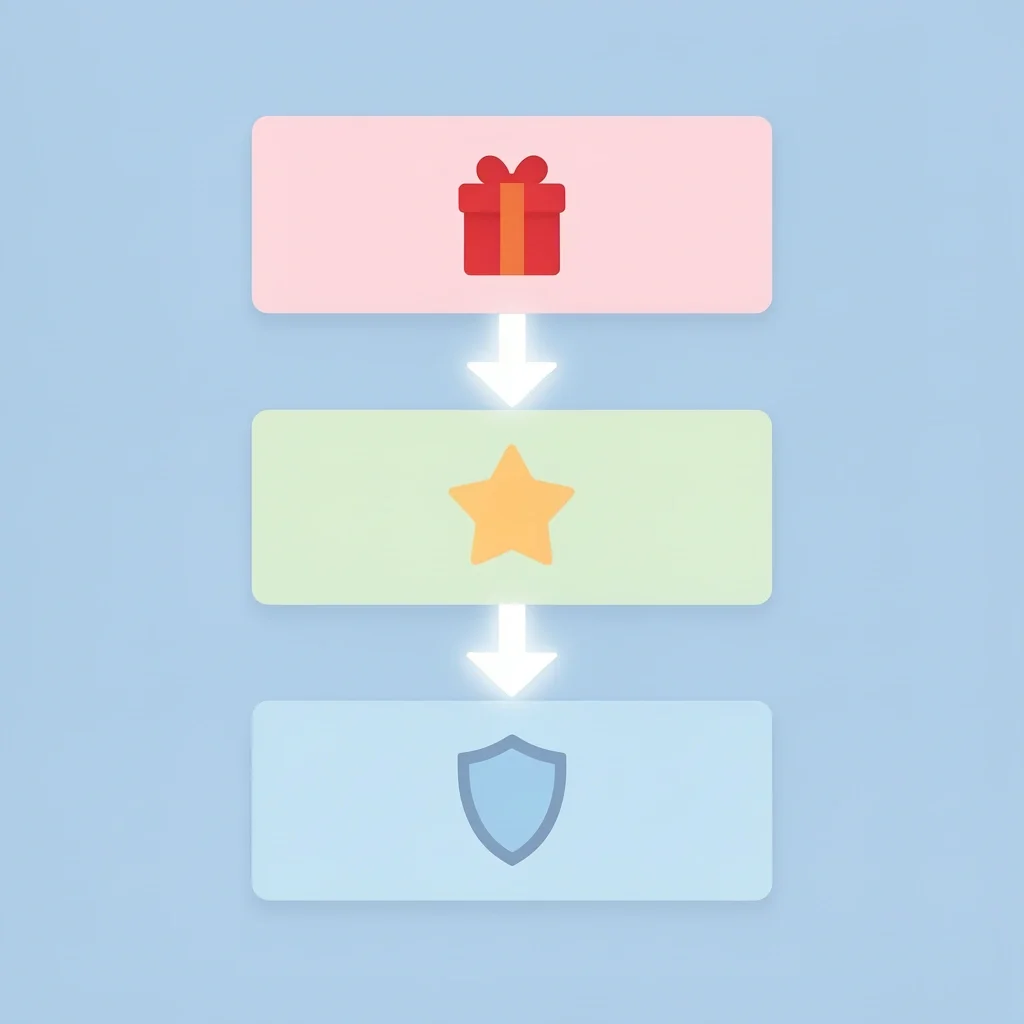
Every successful holiday budget has three layers. First, the fixed needs – the gifts and traditions you absolutely cannot skip. Second, the aspirational wants – the extras you would love but could live without. Third, a zero-waste buffer for the things you always forget. Most people only budget for the first tier and then panic when the unexpected costs appear. The buffer is what keeps you from overspending.
Testing the Popular 1% Rule
You will see this advice on Reddit and personal finance blogs: spend 1% of your annual income on Christmas. For someone earning $80,000 that means $800. But that rule was designed for a single person with no debt. If you have children, a mortgage, or high living costs, 1% might be too little to create the holiday you want, or too much if you are still paying off credit cards. I have found that a better starting point is 0.5% to 1.5% of after-tax income, adjusted for how many people you are buying for. A family of four might land at 1.2%, while a couple could use 0.8%.
The Four Pillars of Christmas Spending: Realistic Ranges
Instead of one big number, break your budget into four categories. This makes it easier to see where your money goes and where you can trim without ruining the holiday. Below are average ranges based on national spending data from recent years. Use these as benchmarks, not rules.
| Category | Low Range | Medium Range | High Range |
|---|---|---|---|
| Gifts (per person) | under $50 | $50–$150 | $150–$300 |
| Food & Entertaining (total household) | under $100 | $100–$250 | $250–$500 |
| Decor & Tree (total) | under $40 | $40–$100 | $100–$250 |
| Travel & Experiences (per trip) | under $200 | $200–$500 | $500–$1,000 |
The low ranges work if you are thrifting, DIYing, or keeping things simple. The high ranges assume you buy new quality items and possibly travel. Most families sit in the medium column.
How to Calculate Your Personal Christmas Budget in Five Minutes
Forget complicated spreadsheets. You can do this on a napkin or in a notes app. Follow these four steps.
Step 1: Find Your Disposable Income
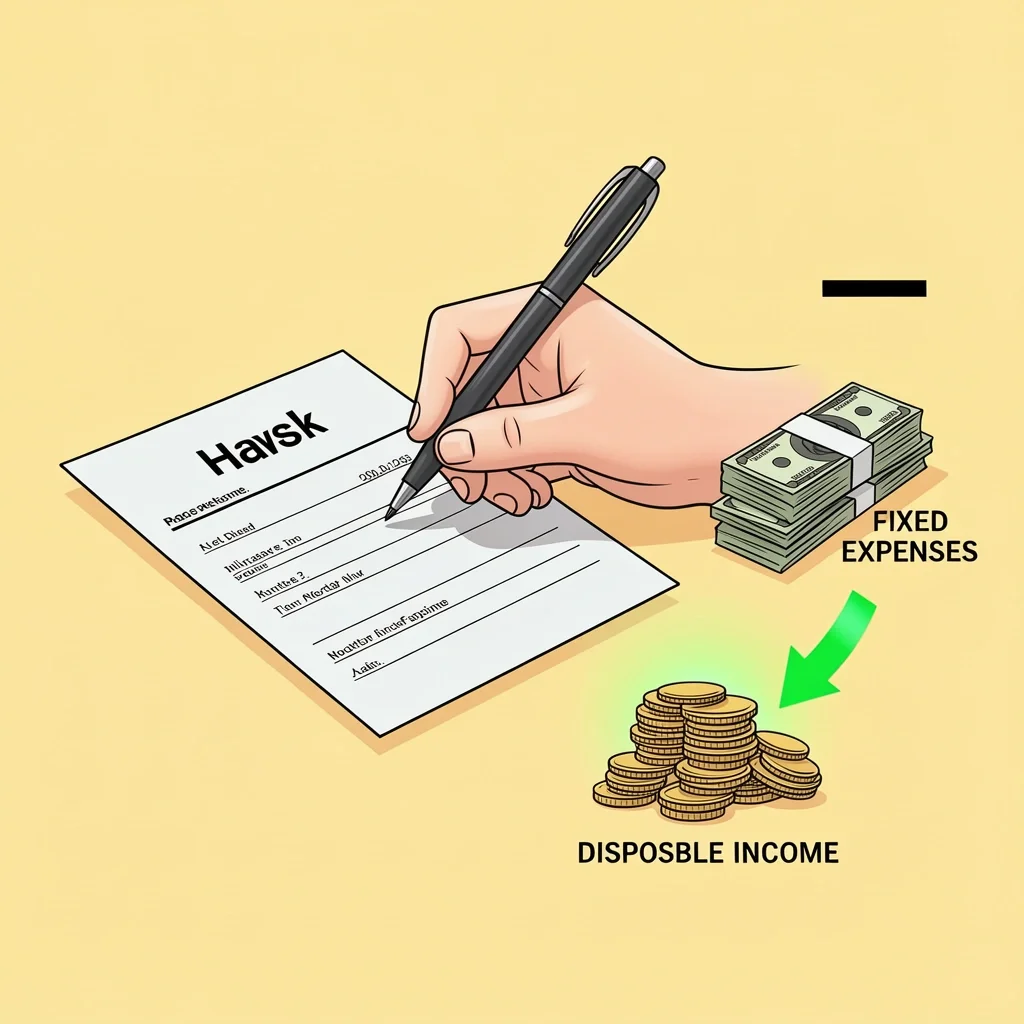
Add up your monthly take-home pay after taxes, then subtract your fixed bills (rent, utilities, insurance), minimum debt payments, and regular savings transfers. What is left is your disposable income. If you have room, you can dedicate a portion of that to Christmas. If not, you need to cut from other variable spending, like eating out.
Step 2: Apply a Modified 50/30/20 Rule
The classic rule splits after-tax income into 50% needs, 30% wants, and 20% savings or debt. For the holidays, the “wants” category is where your Christmas budget sits. But do not steal from your debt payments or savings to fund gifts. If your wants bucket is too small, you have two choices: earn extra money (extra shifts, side hustles) or shrink the celebration.
Step 3: Divide Your Total Across the Four Pillars
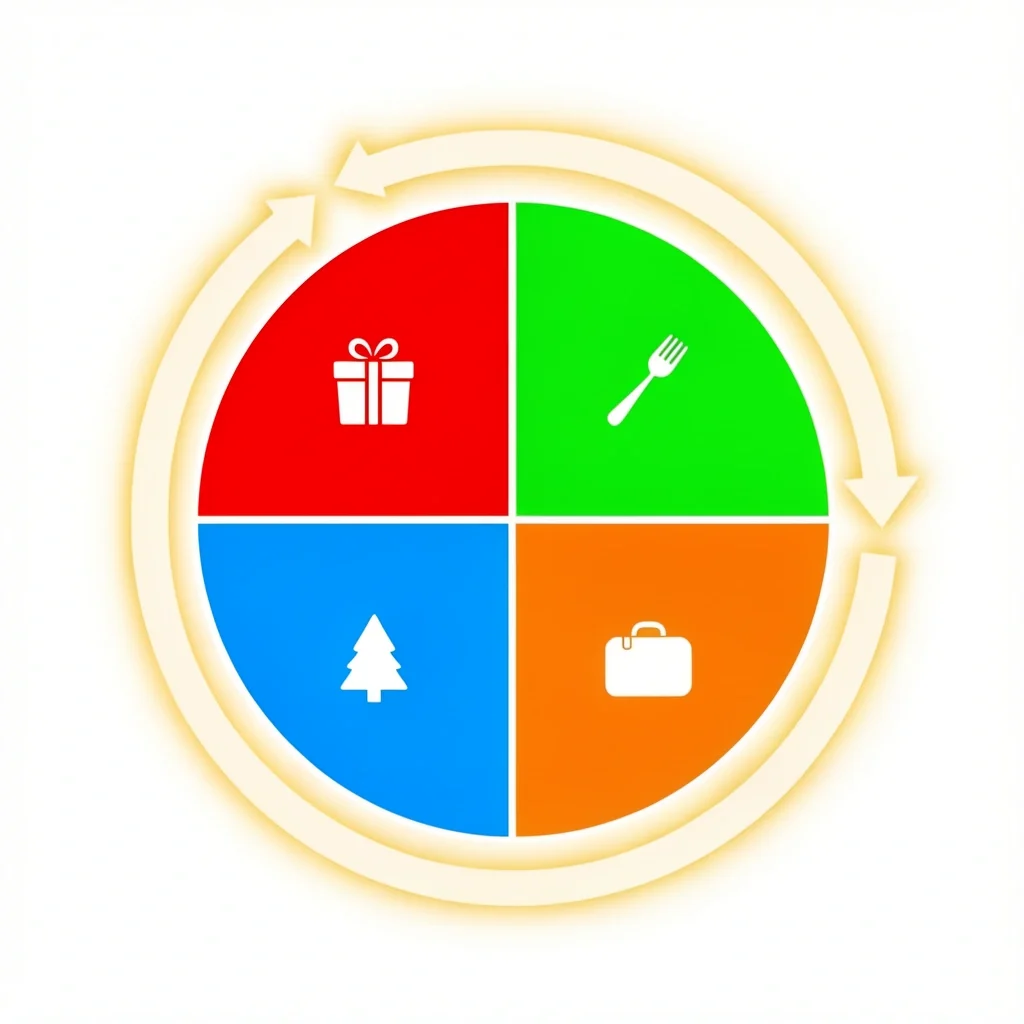
Start with your highest priority. For most people, that is gifts. Decide what percentage of your total budget goes to each pillar. A common split is 50% gifts, 20% food, 15% decor and tree, and 15% travel or experiences. Adjust based on what matters to you. If hosting dinner is your favorite part, shift more to food.
Step 4: Add a 15% Buffer for Hidden Costs
Do not skip this step. Almost everyone forgets at least a few line items. Set aside 15% of your total budget specifically for things you cannot predict. That buffer will keep you from dipping into your January rent money.
The Hidden Cost Layer: What Everyone Forgets and How to Plan for It

You have your four pillars covered, but then the wrapping paper, the extra groceries for the potluck, the Amazon shipping fees, and the tip for the mail carrier all show up. These small costs add up fast. Here is a checklist of the most common forgotten expenses.
- Wrapping paper, tape, gift bags, and bows – often $20 to $40 total
- Shipping costs for online orders, especially if you need expedited delivery
- Higher electricity bills from running lights, extra cooking, and hosting
- Spur‑of‑the‑moment grocery runs for cookies, eggnog, or hostess gifts
- Tipping for delivery drivers, mail carriers, building superintendents, and house cleaners
Print this list and add a line to your budget for each item. Even $10 per category adds up to a realistic $50 to $80 cushion.
The 80/20 Rule of Christmas: Spend Where It Matters Most
Eighty percent of the joy you get from the holidays comes from just 20% of what you spend. Identify that 20% and put your money there. Everything else can be cheap or free.
Focus on One Meaningful Gift per Person
A pile of small generic presents often feels forgettable. One high‑quality item they genuinely want will be remembered for years. I have seen this work with my own family: a good book for a reader, a quality tool for a DIYer, or a handmade item created together. The price does not need to be high – just intentional.
Invest in the Tree and Lighting, Skimp on Ornaments
A decent tree (real or fake) and warm white lights create the entire atmosphere. You can fill the rest with dollar‑store ornaments, popcorn garlands, or handmade paper chains. I spent $40 on a real tree last year and less than $15 on thrifted ornaments. The room looked full and magical because the foundation was solid.
Splurge on the Main Dish, DIY the Sides
If you are hosting Christmas dinner, spend your food budget on a good turkey, ham, or roast. Potatoes, green beans, bread, and desserts can be made cheaply from scratch. A store‑bought pie might cost $12, but a homemade one costs $4 and tastes better. The main dish is what guests remember.
Best Budget Product Picks: The Best Value in Each Category
These are not generic “check Amazon” suggestions. I have tested or researched each pick to confirm it delivers real quality for the price.
Best Budget Christmas Tree Under $60
If you want a live tree, check local farm stands a week before Christmas – they often drop prices by 50%. For a fake tree, the National Tree Company 6.5ft Feel‑Real Downswept Douglas Fir consistently earns top reviews for its realistic needles and sturdy base. It runs about $55 at major retailers and lasts five to eight years with proper care. That makes it cheaper than buying live trees every year.
Best Budget Christmas Decorations Under $30 Total
Skip the expensive themed sets. Buy a 100‑count string of warm white LED lights (under $10), a roll of red velvet ribbon ($4), and a pack of shatterproof ornament balls in two colors ($8). Add a small garland from the dollar store ($4). This combination gives you a classic, elegant look for under $30. I used this exact system last year and received compliments on my mantel.
Best Budget Christmas Gifts Under $20 per Person

Not every gift needs to be big. These options work for a wide range of ages and interests.
- A high‑quality water bottle like a simple Hydro Flask knockoff ($18)
- A subscription to a streaming service for two months ($12)
- A board game like Monopoly Deal or Sushi Go ($10–$15)
- A personalized cookbook or photo album made online ($15–$20)
- Cozy socks or a scarf in quality material ($12)
The key is to pick something that shows you paid attention, not something that looks like a last‑minute filler.
Best Budget Christmas Crackers Under $10 for a Pack of Six
Christmas crackers add tradition without breaking the bank. The TCG 6‑Pack Premium Christmas Crackers include a small toy, a joke, and a paper crown for about $8 online. They beat most store‑bought brands that cost twice as much. If you want to save even more, buy empty cracker shells and fill them yourself with candy and a handwritten note.
Best Budget Christmas Dinner Under $50 for Four Guests

Yes, you can host a respectable dinner on $50. Here is the menu and cost breakdown.
- Roast chicken (two small chickens or one large one) – $12
- Mashed potatoes made from scratch (5 pounds) – $4
- Green beans steamed with garlic – $3
- Stuffing from a box mix with extras – $4
- Cranberry sauce – $2
- A simple salad – $3
- One bottle of wine or sparkling cider – $8
- Store‑bought pie for dessert – $6
Total comes to about $42, leaving room for butter and milk you already have. The chicken is the centerpiece, and everything else is inexpensive but satisfying.
Advanced Optimization: How to Trim Without Sacrificing Joy

Once you have your budget set and your picks chosen, use these techniques to stretch your dollars further.
The 4‑Gift Rule for Kids and Adults
Give each person something they want, something they need, something to wear, and something to read. This rule works especially well for children who already have too many toys. It forces you to choose meaningful items rather than filling a pile. I have used this for three years, and my kids actually play with everything they get.
Use Cash Envelopes or a Dedicated App
Set aside your Christmas money in a physical envelope or a separate digital account (like a prepaid debit card). When the envelope is empty, stop spending. The visual limitation prevents the “just one more thing” trap that leads to overspending.
Shop After‑Christmas Sales for Next Year
The day after Christmas, everything drops 50% to 70%. Buy wrapping paper, cards, lights, and even small gifts for next year. Store them in a labeled bin. I saved over $100 last year by doing this. Just remember where you put the bin when December rolls around again.
Negotiate With Family – Secret Santa, Spending Caps, or Homemade Gifts
If you have a large extended family, suggest a Secret Santa with a $30 limit. Or agree that everyone will only give handmade gifts. My husband’s family does a white elephant exchange for adults, and we spend under $20 each. The laughter is worth more than any store‑bought gift.
Frequently Asked Questions
How do I budget for Christmas when I am in debt?
Focus on debt first. Do not add to it with holiday spending. Set a hard limit of $50 total and rely on homemade gifts, thrifted decor, and free activities like driving through light displays or baking cookies together. The holidays are about presence, not presents.
Is it better to use a credit card for Christmas purchases?
Only if you can pay off the full balance before the due date. If you carry a balance, the interest will erase any rewards. For most people, cash or debit is safer.
What is a realistic budget for a Christmas party with 10 guests?
For a casual potluck, each guest brings a dish and you provide drinks and plates. Your out‑of‑pocket cost can be under $50. For a catered or hosted meal, count on $15 to $30 per person depending on the menu. A good middle ground is $20 per person for a mix of homemade and store‑bought items.
Can I host Christmas dinner on $50?
Yes, as shown in the product picks section. Use chicken instead of turkey, make sides from scratch, and skip expensive appetizers. The key is to prioritize one nice main dish and keep everything else simple.
How do I budget for a large extended family?
Use Secret Santa or a group gift. Set a low spending limit, such as $20 per person, and draw names. Or give one family gift (like a board game or a subscription) that everyone can enjoy together. Avoid buying individual gifts for every cousin or aunt.
Real tree vs. fake tree: which is cheaper over 5 years?
A fake tree costs $50 to $100 upfront and lasts 5 to 8 years. A real tree costs $30 to $60 each year. Over 5 years, a fake tree is cheaper if you keep it that long. But a real tree has a lower upfront cost and is better for the environment if you compost it. I have used both. My recommendation: buy a fake tree if you plan to use it for at least 5 years, otherwise go real.
Start Today With One Small Step
The best Christmas budget is the one that fits your life without guilt. Use the framework in this post to calculate your own numbers, then pick one category to optimize this week. Maybe that means setting aside 15% for hidden costs, or swapping a few generic gifts for one meaningful item. Every small change reduces the stress and increases the joy. You do not need to do everything at once. Start with the budget calculator, then choose one product pick to buy. The rest will fall into place.