

Walking into a wedding feeling unsure about your suit is a bad way to start the celebration. You want to look sharp, fit in with the crowd, and show respect for the couple without upstaging them. The truth is that picking the right mens wedding guest suits comes down to understanding a few key rules: the dress code, the season, the venue, and your own comfort. When you get these right, you can relax and enjoy the party.
Most guides stop at telling you to wear a navy suit and call it done. But weddings are more varied than that. You need to know what works for a beach ceremony in July versus a ballroom event in December. This article walks you through every decision you need to make, from decoding the invitation to accessorizing with confidence.
Decoding the Dress Code: From Black Tie to Casual
The invitation holds all the clues. Before you even think about color or fabric, find the dress code line. If it is missing, check the wedding website or ask the couple directly. Here is what each common phrase really means for your suit choice.
Black Tie
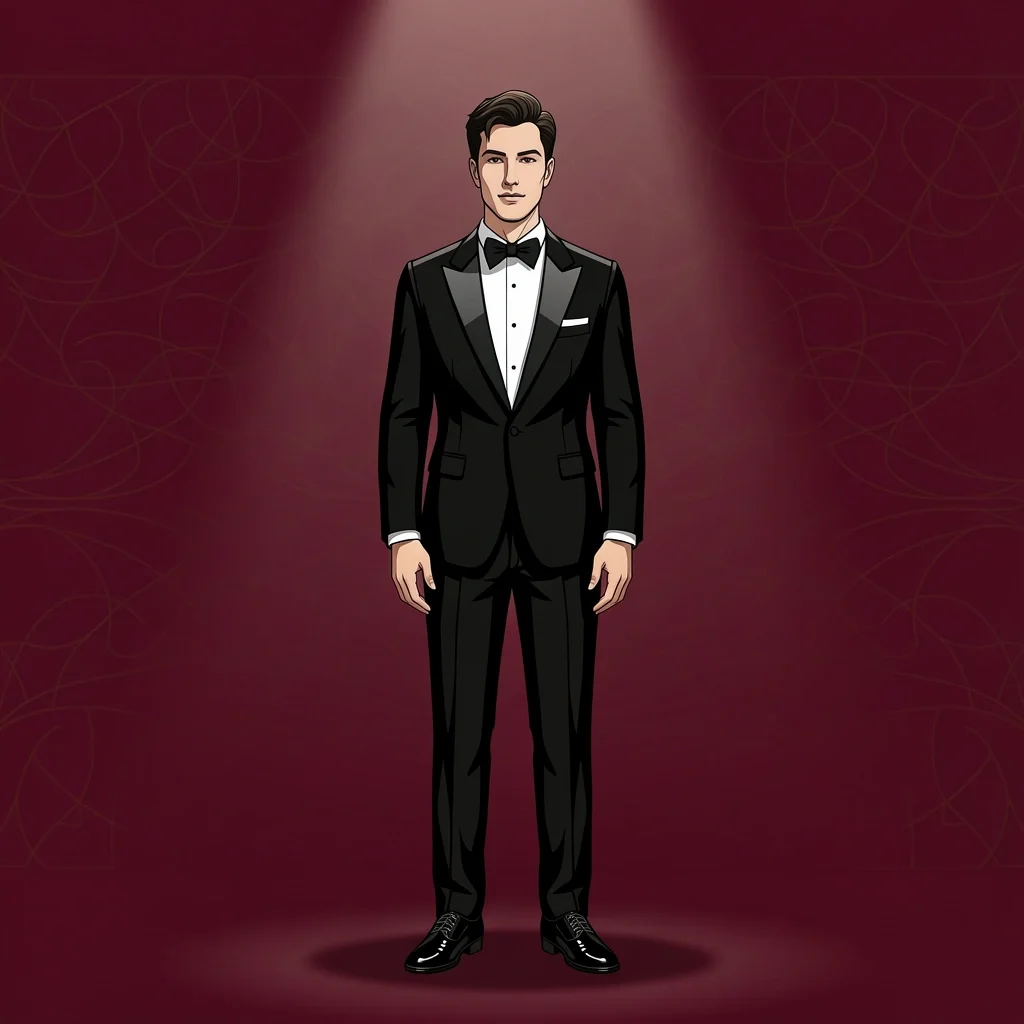
This is the most formal option. You need a black tuxedo, a white tuxedo shirt with a wingtip collar, a black bow tie, and black patent leather shoes. A white pocket square folded into a straight line is fine, but keep it subtle. Do not wear a regular suit here. You will stand out in the wrong way.
Black Tie Optional
This gives you room to breathe. You can wear a tuxedo if you have one, but a dark suit in black, charcoal, or navy works perfectly. Pair it with a white dress shirt, a black necktie or bow tie, and dark leather shoes. Stick to a matching suit set rather than mixing a blazer with different trousers.
Creative Black Tie
Here you can play a little. Think of a dinner jacket in velvet or a paisley pattern, paired with black trousers and patent shoes. A burgundy or midnight blue jacket works well. You can also wear a necktie instead of a bow tie if you prefer. The key is to keep the overall silhouette formal while introducing personality.
Cocktail Attire

This is the sweet spot for most weddings. Wear a dark suit in navy or charcoal, a dress shirt in white or a pale blue, and a patterned necktie. You can add a pocket square with a puff fold for a touch of flair. Shoes should be leather loafers or oxfords in black or dark brown.
Semi-Formal
This can be tricky because it falls between cocktail and casual. A suit is still expected, but you can choose lighter colors like light gray or beige. A tie is optional but recommended. Keep the shirt solid and the shoes polished but not too dressy. Think of a suit that you could also wear to a nice dinner out.
Casual Wedding Attire
Do not take this term too literally. It does not mean jeans and a T-shirt. You should still wear a suit, but now you have more freedom in color and pattern. Light blue, beige, olive, or even a subtle plaid works. You can skip the tie and leave the collar unbuttoned. The goal is to look put together without looking stiff.
What to Wear When There Is No Dress Code

This is where most people get stuck. The invitation says nothing about how to dress, and you do not want to guess wrong. The trick is to read the room before you even arrive.
Look at the invitation itself. Is it printed on thick paper with ornate lettering? That suggests a formal affair. Is it a simple card with a casual tone? You can relax a little. Then think about the venue. A church or hotel ballroom leans formal. A backyard, a park, or a barn says you can be more relaxed. The time of day matters too. Evening weddings are usually more formal than afternoon ones.
If you still feel unsure, aim for cocktail attire. A navy or charcoal suit with a white shirt and a tie is safe for almost any wedding. It shows effort without going too far.
When the couple has a specific style, try to match it. If they are artsy and love color, you can wear a brighter suit or a patterned shirt. If they are traditional, stick to classic cuts and neutral tones. A quick text to the best man or a close friend can also solve the mystery.
The Right Fabric for the Season and Venue
Color is only half the story. The fabric of your suit determines how comfortable you will be and how appropriate you look for the setting.
| Fabric | Best For | Pros | Cons |
|---|---|---|---|
| Wool | Fall and winter weddings, indoor venues | Breathes well, drapes nicely, resists wrinkles | Too warm for summer |
| Linen | Summer weddings, beach and garden venues | Very lightweight, cool, relaxed look | Wrinkles easily, less formal |
| Cotton | Spring and early fall, outdoor events | Breathable, more structure than linen | Can crease, not as sharp as wool |
| Tweed | Rustic weddings, barns, vineyards, winter | Warm, textured, characterful | Heavy, not for formal events |
| Velvet | Creative black tie, holiday weddings | Rich appearance, stands out | Seasonal, can look costume-like if not careful |
For a summer wedding outdoors, linen is your best friend. Go for a light gray or beige linen suit. For a winter church ceremony, a wool suit in charcoal or deep blue will keep you warm and look polished. If you are attending a rustic barn wedding, tweed in a brown or green tone fits the vibe perfectly.
Fit Is Everything: How a Suit Should Look and Feel
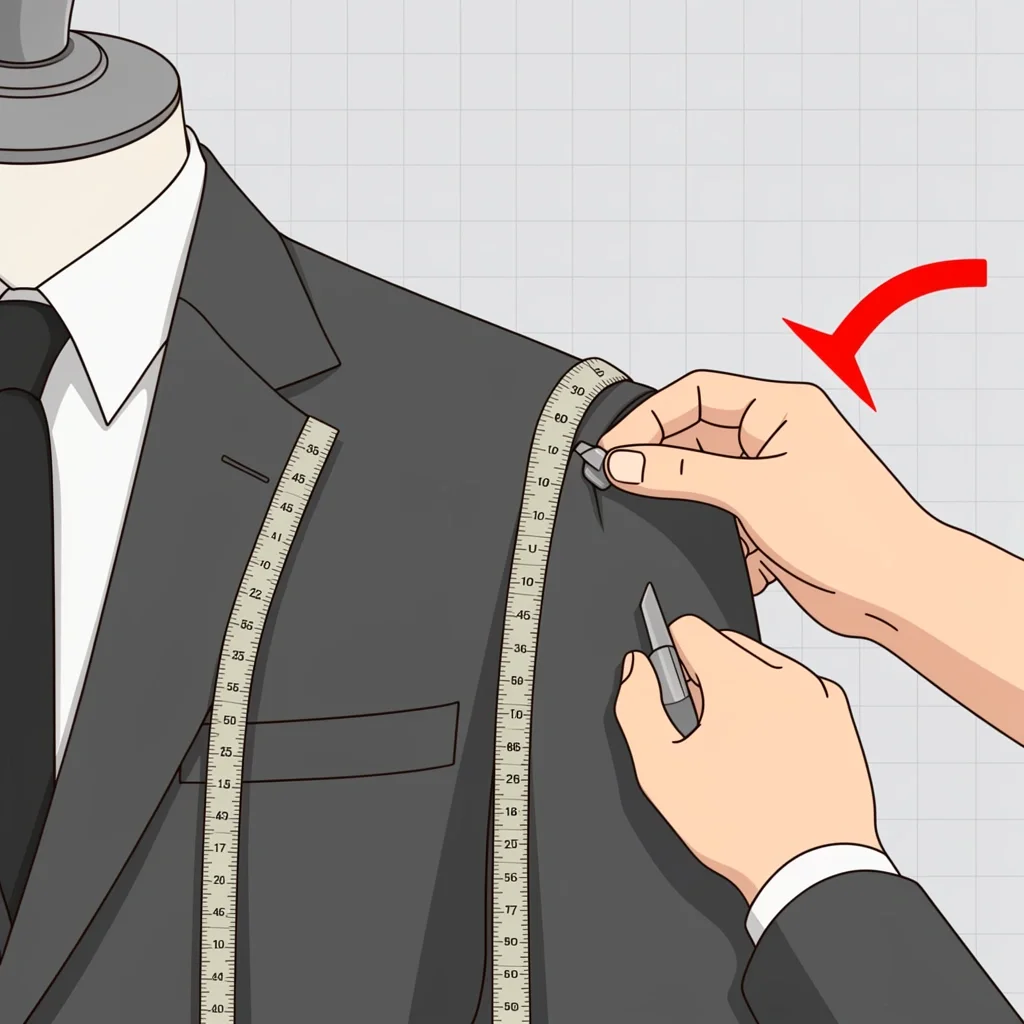
A cheap suit that fits well looks better than a designer suit that hangs loose. The money you spend on tailoring is always worth it. Here is a quick checklist to use when you try on a suit.
- Shoulders: The seam should sit right at the edge of your shoulder bone. If it goes past, the jacket is too big.
- Chest: Button the jacket. It should not pull or wrinkle across the chest. You should be able to slide a fist between the jacket and your shirt.
- Jacket length: The bottom of the jacket should cover your backside and end around the middle of your thumb when your arms are down.
- Sleeves: Show about half an inch of shirt cuff below the jacket sleeve.
- Trousers: They should break just once on the top of your shoe. No pooling at the ankles.
- Waist: You should not need a belt to keep the trousers up. They should sit comfortably without sagging.
If any of these points are off, take the suit to a tailor. It costs less than you think and transforms the entire look.
Accessories That Make the Outfit or Break It
The details separate a good outfit from a great one. Do not skip them, but do not overdo them either.
Shoes
Leather oxfords are the safest bet for formal weddings. Loafers work for semi-formal and casual events. Suede is a good choice for daytime or rustic weddings. Match your shoe color to your belt for a clean line. Black shoes with a navy suit is classic. Brown shoes with a blue or gray suit adds warmth.
Ties and Bow Ties
If you wear a tie, learn to tie it yourself. A poorly tied clip-on looks sloppy. For black tie, a bow tie is mandatory. For other dress codes, a necktie in a subtle pattern like dots or stripes adds interest without being loud.
Pocket Squares
A white linen pocket square is the most versatile choice. For cocktail or creative black tie, you can use a colored or patterned one. The fold should be simple. A straight fold for formal events, a puff fold for something relaxed.
Watches
A dress watch with a leather strap is best. Avoid chunky sports watches. The watch should complement the suit, not compete with it.
Belts and Suspenders
Wear one or the other, never both. A belt should match your shoes. Suspenders are a good alternative for formal wear, especially with a three-piece suit.
The Unwritten Rules of Wedding Guest Attire
Beyond the dress code, there are social rules that no one writes down but everyone notices.
Do not wear white. This is obvious but worth repeating. A white suit is for the groom only, even in summer. Same goes for anything that looks too similar to a wedding dress.
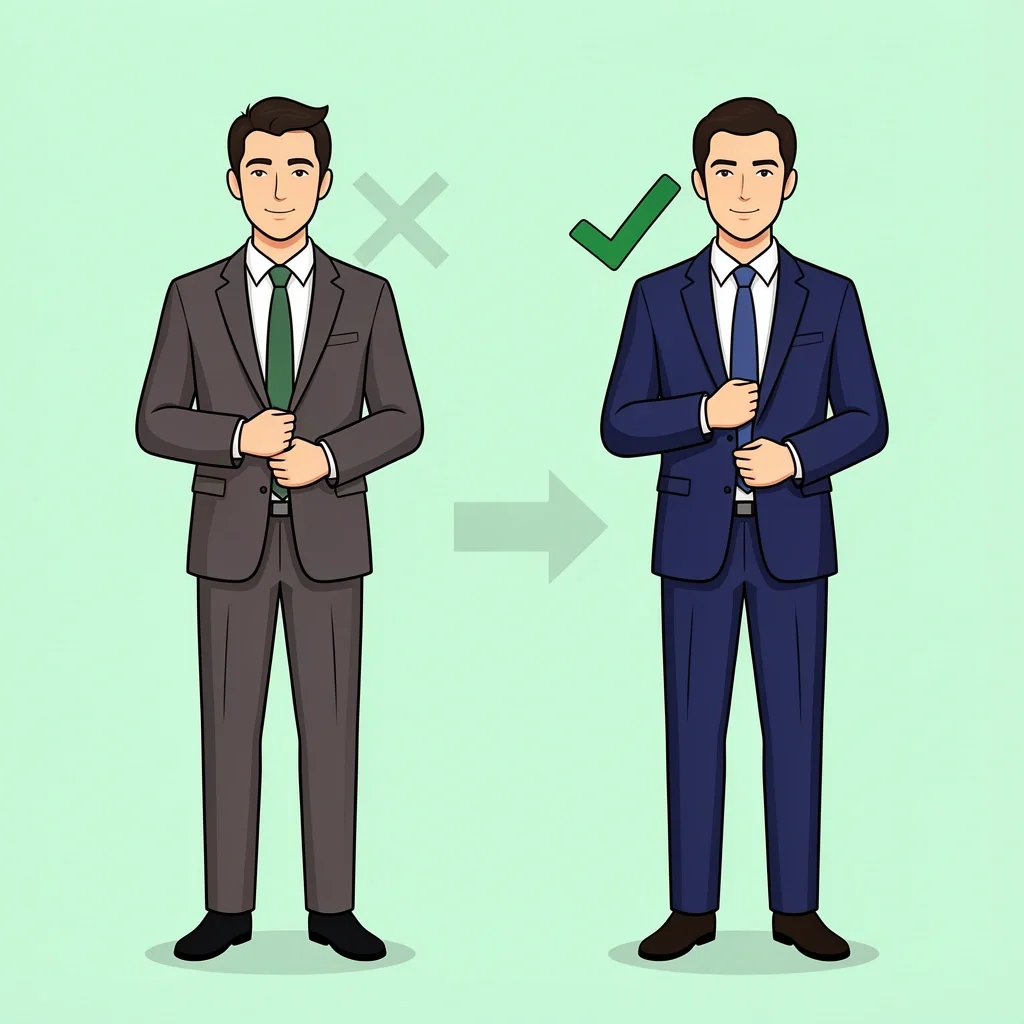
Do not upstage the groom. If the groom is wearing a blue suit, avoid wearing the same shade. If you know the groomsmen are in charcoal, choose a different color like navy or gray. You want to look good, not like you are part of the wedding party.
If you are a plus-one, ask your partner what they are wearing. You do not have to match exactly, but coordinating colors shows you put thought into it. A good rule is to wear a suit color that complements their outfit without clashing.
When you are worried about looking too similar to the groom, a simple hack is to call the best man. He will know what the groom and groomsmen are wearing. Use that information to pick a different color or style.
For a wedding held at a barn or vineyard with a rustic dress code, think texture. Tweed or a wool blend with a knitted tie and brown boots fits the environment. Keep it refined, not rugged.
Should You Rent, Buy, or Borrow a Wedding Suit
Your choice depends on how often you will wear a suit and what you want to spend.
| Option | Cost | Fit | Best For |
|---|---|---|---|
| Rent | Low upfront, no long-term value | Average, limited customization | One-time event, awkward sizing needs |
| Buy | Higher upfront, reusable | Excellent if tailored | Multiple weddings per year, building a wardrobe |
| Borrow | Free or cheap | Varies, unlikely to fit perfectly | Desperate last resort, close friend or family |
If you attend two or more weddings a year, buying a suit makes sense. A navy or charcoal wool suit works for almost any formal occasion. If you only have one wedding and no other suit needs, renting saves money and storage space. Borrowing is risky because the fit is rarely right, but if you have a friend with the same build, it can work.
When buying, do not go for the cheapest option. Spend enough to get a good fabric and a solid construction. Then invest in tailoring. A well-fitted suit will last years and make you feel confident every time you wear it.
Frequently Asked Questions
Can I wear a suit without a tie to a wedding?
Yes, but only for casual or semi-formal weddings. If the dress code is cocktail or above, wear a tie. Skipping the tie works well for outdoor summer events or rustic venues. Keep the shirt collar sharp and unbuttoned just one button.
What color shoes should I wear with a navy suit to a wedding?
Black or dark brown leather shoes both work with a navy suit. Black is more formal. Brown adds warmth and works for daytime and semi-formal events. Match your belt to the shoe color.
Is it okay to wear a three-piece suit if the groom is only wearing a two-piece?
Yes, but it depends on the context. If the wedding is formal, a three-piece suit is fine. If the groom is wearing a simple two-piece and you show up in a three-piece, you might stand out too much. Check with the best man if you are unsure.
How do I dress for a wedding in a barn or vineyard when the dress code is rustic?
Choose a tweed or textured wool suit in brown, green, or gray. Pair it with a solid shirt, a knitted tie, and brown leather boots or loafers. Skip the pocket square if you want a simpler look. The goal is to look polished but grounded.
Should I match my partner’s outfit if we are attending together?
Not exactly match, but coordinate. Ask what color they plan to wear. If they wear a deep red dress, a navy or charcoal suit works well. If they wear a bright color, a neutral suit keeps you from clashing. It shows you care about appearing as a unit.
What is the difference between a lounge suit and a wedding suit?
A lounge suit is a versatile two-piece suit meant for business or daily wear. A wedding suit is often made from finer fabrics, has more detailed tailoring, and may include a waistcoat or unique lapels. For a guest, a well-fitted lounge suit in a good color is perfectly acceptable. You do not need to buy a special wedding suit.
If you are considering attending a wedding without a blazer, you can still look polished by pairing a crisp dress shirt with tailored trousers and a well-chosen tie or vest.
Can I wear a patterned shirt under a wedding suit?
Yes, but keep it subtle. A small check or a faint stripe works well for cocktail or casual dress codes. For formal weddings, stick to a solid white or light blue shirt. The pattern should not compete with the suit or the tie.