

If you are planning a wedding, getting your marriage license is one of the first legal steps you need to take. But the process comes with confusion. Many couples mix up the license with the marriage certificate, think the license changes their last name, or miss critical deadlines that force them to start over.
This guide walks you through everything from eligibility to the final certified copy. You will learn exactly what to bring, how long everything takes, and what happens if you make a mistake. By the end, you will know the whole journey and have zero reason to search elsewhere.
The Marriage License vs. The Marriage Certificate
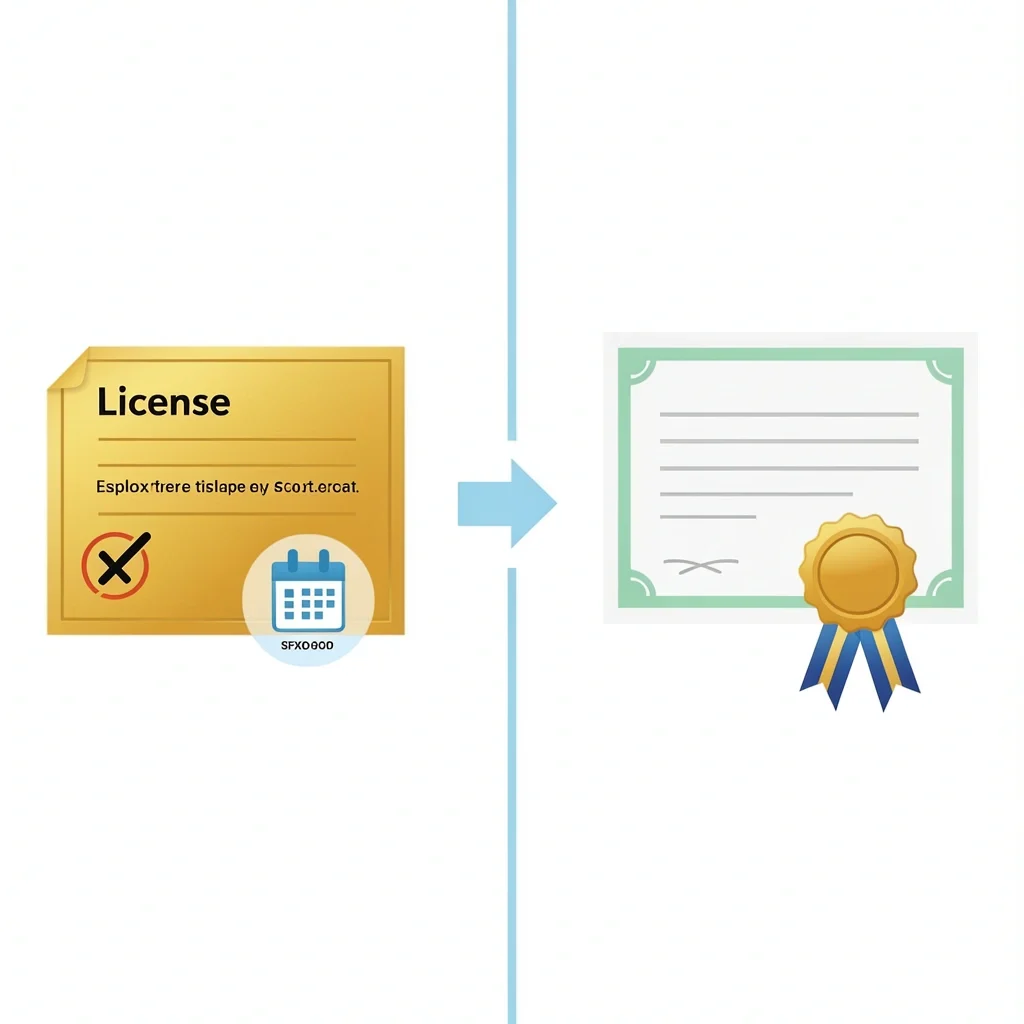
These two documents are not the same. A marriage license is a short-term permit that lets you hold a legal wedding ceremony. It has an expiration date. A marriage certificate is the permanent record that proves you are legally married. You receive it only after the ceremony and after the signed license is filed with the county.
Think of the license as your permission slip and the certificate as your proof of marriage. You need the license before you say “I do.” You need the certificate afterward for name changes, insurance, taxes, and immigration forms.
Who Can Get a Marriage License?
Basic eligibility is simple, but there are a few important rules depending on your situation.
Age and Residency
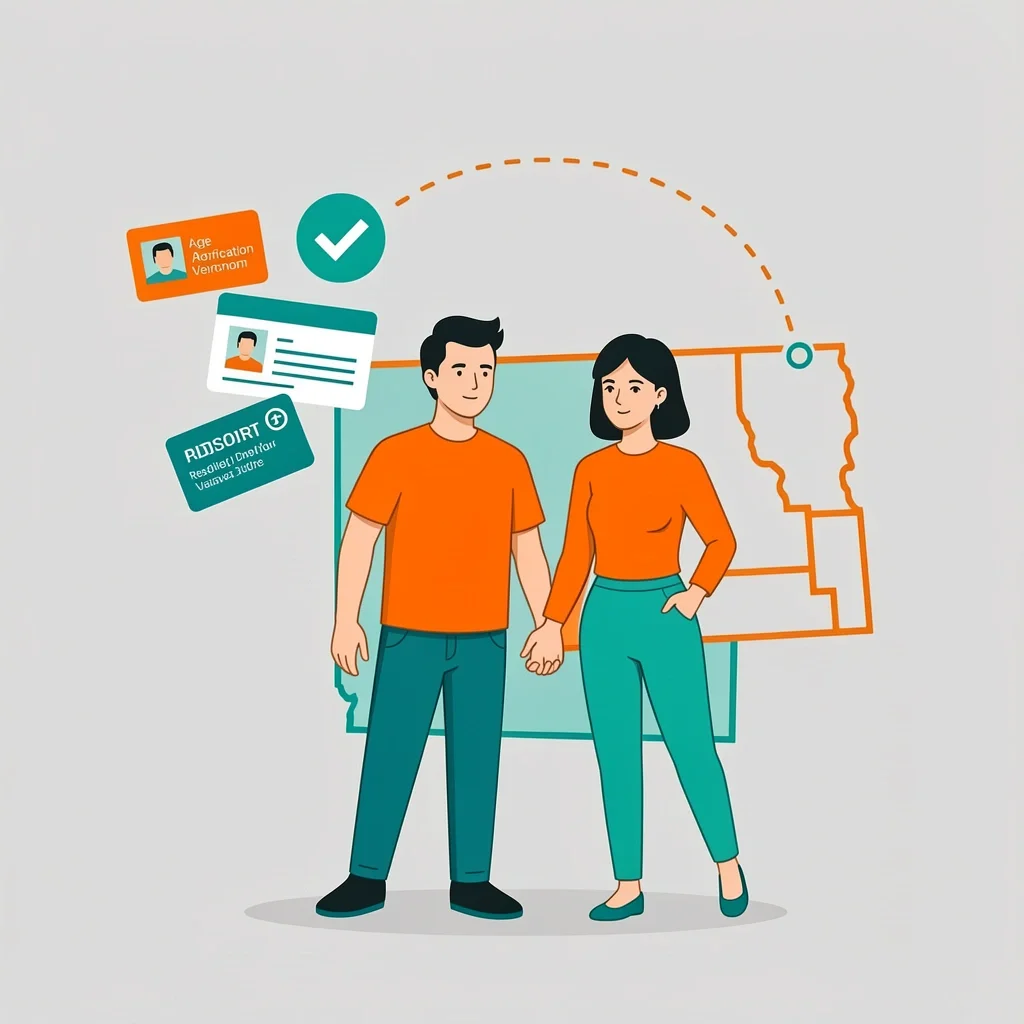
You and your partner must be at least 18 years old. Some states allow 17-year-olds to marry with parental consent or a court order. Check your local laws.
Residency rules vary. In many states, you can apply in any county if at least one of you lives in that state. If neither of you lives there, you usually must apply in the county where the ceremony will take place.
Widowed or Divorced?
If you were previously married, you must prove that the marriage ended. You will need a certified copy of the death certificate or the final divorce decree. A photocopy or a driver’s license stating “divorced” will not work. The court wants to see an official document from the government.
If your name changed after the previous marriage, bring the relevant documents to show the connection between your current ID and the previous marriage record.
The Application Process: Online vs. In Person
One of the biggest changes in recent years is the option to start online. Many counties now let you fill out a pre-application on their website. This saves time at the courthouse, but you still need to appear in person to sign the final application in front of a clerk.
What You Need to Bring
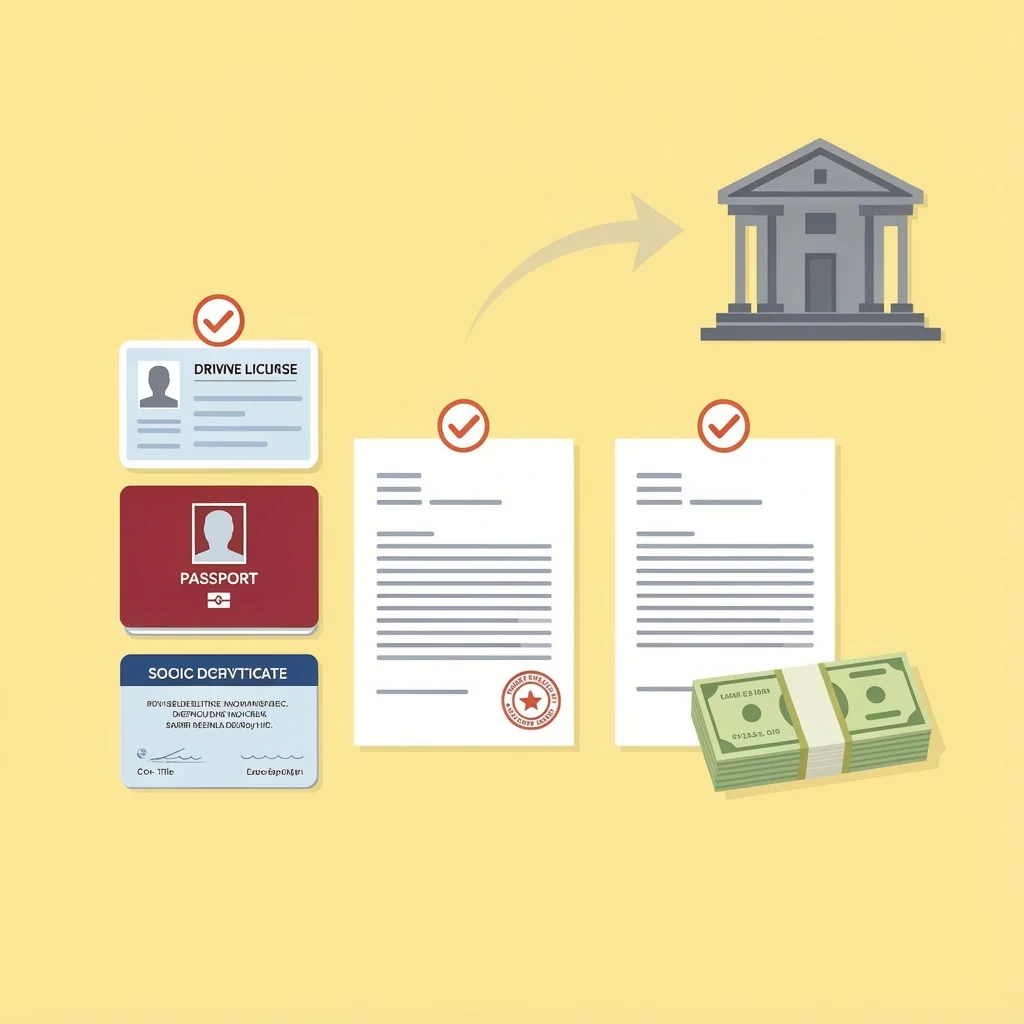
- A valid government-issued photo ID (driver’s license, passport, state ID)
- Proof of age (birth certificate or passport if under 18 with consent)
- Social Security number for both parties (or sworn statement if you do not have one)
- If applicable: certified copy of divorce decree or death certificate
- Payment for the fee (cash, debit, or credit card – check your county’s policy)
Can You Apply Without Both People Present?
In nearly every state, both of you must appear in person at the same time. A few states allow one person to apply if the other provides a notarized affidavit, but this is rare. Plan to go together.
If you are not a U.S. citizen, bring your passport, visa, and any legal presence documents. Some states have extra requirements, so call the clerk’s office ahead of time.
Critical Timing: Waiting Periods, Expiration Windows, and the Ceremony
Timing is everything. If you get the license too early, it may expire before your wedding day. If you apply too late, you might face a waiting period that pushes your ceremony date.
Waiting Period After Applying

Most states do not require a waiting period. You can get the license and marry the same day. But some states have a short waiting period of one to five days between the application and when the license becomes valid. Check your county’s rule before buying plane tickets.
How Long Is the License Valid?
Marriage licenses typically expire within 30 to 90 days from the date of issue. Some states give you only 30 days, others 60. Find the exact expiration date printed on the license. If your ceremony falls after that date, you must start over and pay the fee again.
What Happens If Your License Expires?
You lose the fee you paid. You will need to reapply, pay again, and go through the whole process. There is no grace period. That is why it is important to apply no more than a month before your wedding.
The Officiant Must Sign and Return the License
After the ceremony, your officiant (judge, clergy, or authorized person) must sign the license. Then, the officiant or a witness must return the signed license to the county clerk’s office within a set number of days – often 10 to 30 days. If the license is not returned on time, the marriage may not be legally recorded.
Make sure your officiant knows this deadline. Follow up with them a few days after the wedding to confirm they mailed or delivered it.
The Post-Ceremony Task: Returning the License
Once the officiant returns the signed license, the county clerk files it. This step officially records your marriage in the government system. Only after this can you order a certified copy of your marriage certificate.
If you used a pre-application online, check that the clerk received the signed document. Some counties take up to two weeks to process the return.
How to Get Your Certified Marriage Certificate
After the license is filed, you can request your certified marriage certificate. This is the legal document you need for name changes, adding a spouse to insurance, filing joint taxes, or updating your passport.
You usually order it from the same county clerk’s office where you applied. Costs range from $5 to $25 per copy. Some counties offer expedited shipping for an extra fee. It may arrive by mail in two to six weeks, or you can pick it up in person if the county offers that option.
Order at least two certified copies. One for your files, one for the Social Security office, and possibly one for immigration. It is much easier to order extras now than to request them later.
The Biggest Misunderstanding: The License Does Not Change Your Name
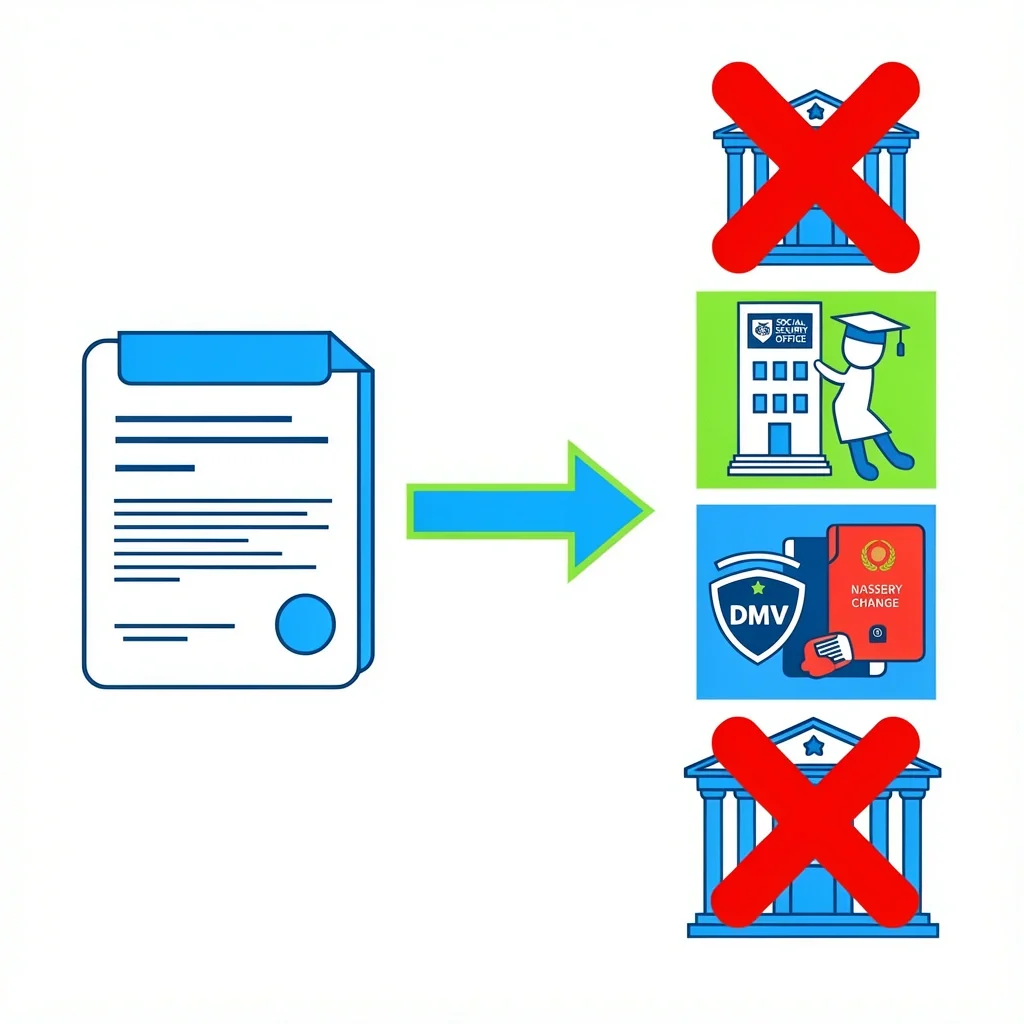
This is where many people get stuck. Your marriage license and marriage certificate do not automatically change your last name. They only provide the legal proof that you are married. Changing your name requires a separate process after you receive the certified certificate.
Here is the correct order after the wedding:
- Get your certified marriage certificate from the county clerk.
- Take it to a Social Security Administration office to update your Social Security card. Some states let you do this online or by mail.
- Visit the Department of Motor Vehicles (DMV) to get a new driver’s license with your new name.
- Update your passport, bank accounts, credit cards, and other documents.
Do not try to change your name on the spot at the courthouse when applying for the license. The clerk does not handle name changes. The license only captures the names at the time of marriage. Any name change is a post-wedding task that you handle yourself.
Frequently Asked Questions
Do I need a blood test to get a marriage license?
No. Almost all states have eliminated blood test requirements. Only Montana still requires a blood test for certain medical conditions. Most states only ask for ID and proof of previous marriage termination if applicable.
Can we get married in a different county than the one where we got the license?
It depends on your state. If you got the license in the same state, you can usually marry in any county within that state. If you got it in a different state, the license is generally not valid outside the state where it was issued. Marry in the state that issued the license.
What if both parties are not U.S. citizens?
You can still get married in the United States. Bring your passport and any immigration documents (visa, green card, I-94). Some counties require a Social Security number or a sworn statement that you do not have one. Check with the county clerk before applying.
Is a witness required at the ceremony to sign the license?
Many states require one or two witnesses to sign the marriage license after the ceremony. A few states do not require any witnesses. Your officiant can tell you the local rule. Usually a parent, friend, or sibling can serve as a witness.
Can we change our name on the spot at the courthouse?
No. The courthouse does not handle name changes during the marriage license process. As explained above, a name change is a separate set of steps after you receive the certified marriage certificate. Do not expect the clerk to update your ID or Social Security card at the courthouse.