

You have a wedding invitation in your hand, and the ceremony is outdoors — garden, beach, barn, maybe a rooftop. The dress code says black-tie optional, or maybe just formal. Your first thought: can I really wear a tuxedo outside without melting or looking like I walked out of a ballroom? The short answer is yes, but only if you make deliberate choices about fabric, fit, and accessories. I have worn tuxedos in the blazing sun, on sandy beaches, and even in a mountain meadow. Here is what I learned: a tuxedo can work outdoors, but it takes a different set of rules than the indoor version. This guide walks you through every decision so you can show up looking sharp and feeling comfortable.
The Three Outdoor Challenges – Heat, Terrain, and Light
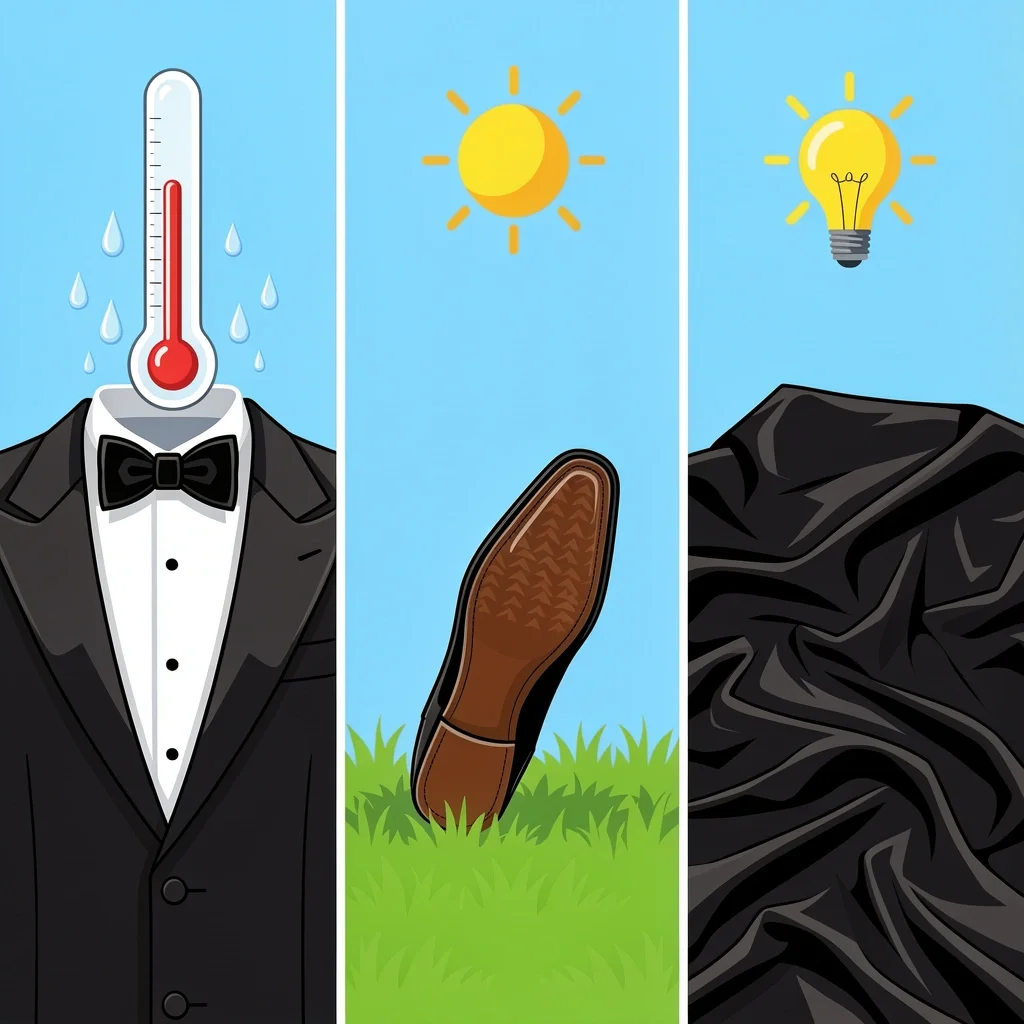
Before you pick a tuxedo, understand what you are up against. Outdoor weddings throw three problems at you that indoor events do not.
Heat. Direct sun raises the temperature of dark fabrics fast. If you are standing at the altar for twenty minutes, your body will heat up. Humidity makes it worse. You need a fabric that breathes and a cut that does not trap warmth.
Terrain. Grass, sand, gravel, wooden decks — the ground is uneven and often soft. Patent leather dress shoes with smooth soles are a hazard. You can slip, sink, or scuff them. Your footwear needs to handle the surface.
Light. Daytime outdoor light is harsh. Black tuxedos can look flat and one-dimensional under the sun. Mid-day sun also shows every wrinkle and lint speck. Evening outdoor weddings have softer light, but the temperature drops, so you need a different fabric weight.
Every choice you make from here on should address at least one of these three challenges.
The Fabric Cheat Sheet – What to Wear (and Avoid)
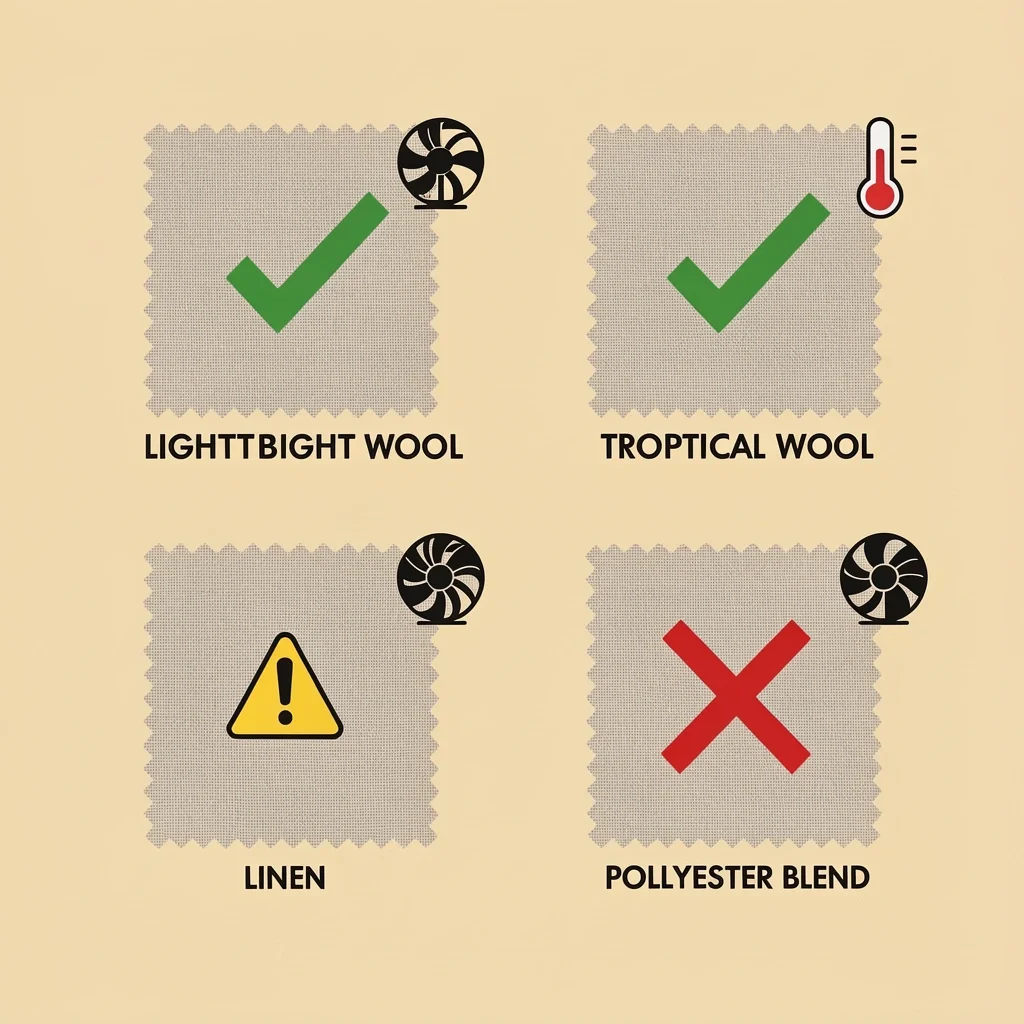
Fabric is the single most important decision for an outdoor tuxedo. I have seen grooms in heavy wool suits sweating through their shirts by the first dance. Do not be that person. Here is a breakdown of what works and what does not.
| Fabric | Weight (GSM) | Best for | Warning |
|---|---|---|---|
| Wool (lightweight worsted) | 200–250 GSM | Most outdoor venues, especially spring/fall | Still too warm for extreme heat above 35°C |
| Wool (tropical or fresco) | 180–220 GSM | Hot climates, beach, midday garden | Can wrinkle if packed poorly |
| Linen | 150–200 GSM | Very casual beach or backyard only | Wrinkles instantly, looks rumpled after 10 minutes |
| Cotton | 200–250 GSM | Not recommended for tuxedos | Loses shape, looks cheap, traps sweat |
| Polyester blends | Varies | Never | Does not breathe, sticks to skin, looks shiny |
My personal go-to is a tropical-weight wool (around 200 GSM). It breathes like linen but holds its structure like wool. I wore one to a garden wedding in July and stayed dry — the jacket felt light, and the trousers did not stick to my legs. If the venue is a barn or ranch where the vibe is more relaxed, a textured wool (like a hopsack weave) adds visual interest and hides minor wrinkles.
Linen tuxedos exist, but I only recommend them if the wedding is extremely casual — think a beach ceremony where the groom is barefoot or in sandals. Linen wrinkles the moment you sit down. If you want a linen look, try a linen-blend that has a little wool or silk to keep the shape.
Rethinking the Silhouette – Lapels, Vests, and Collars for the Outdoors
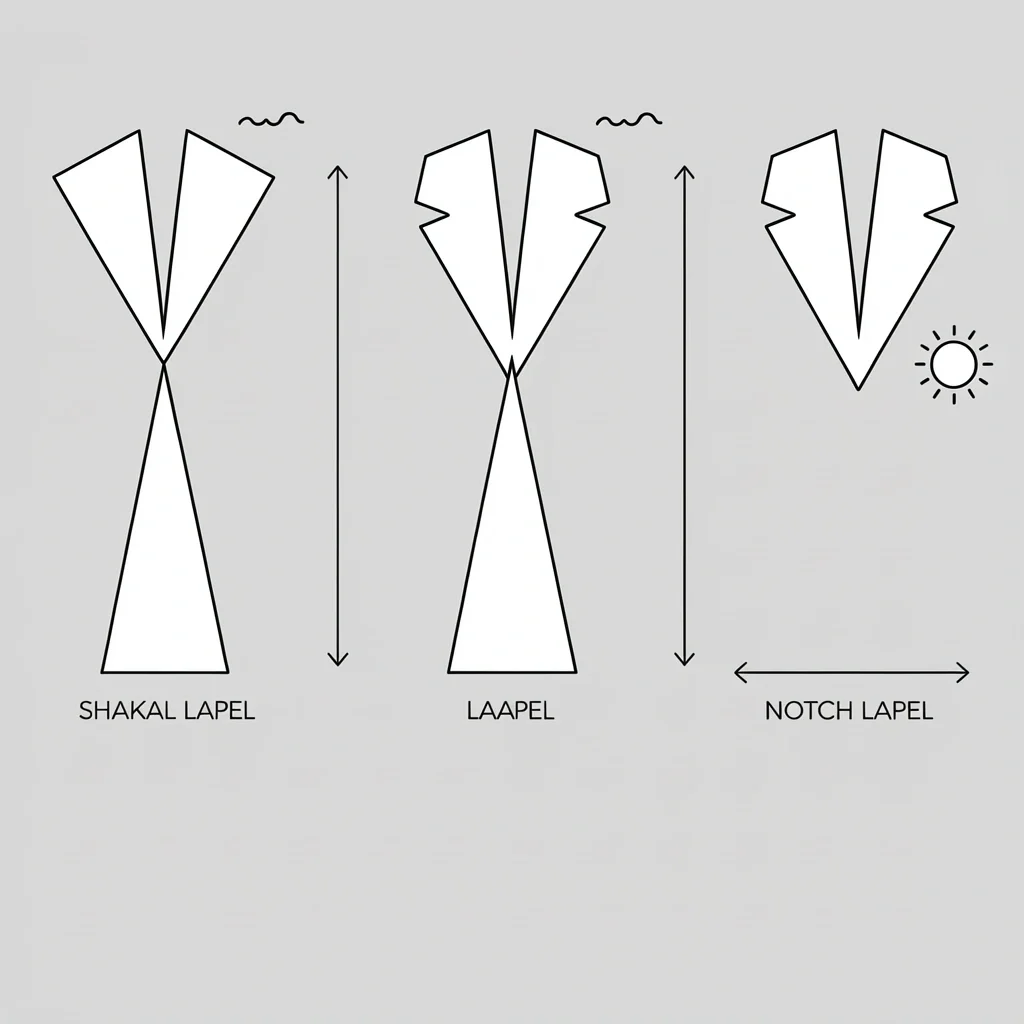
Once you have the fabric right, the next step is the cut and details. Outdoors, less is more. You want to avoid extra layers and heavy structures that trap heat or catch the wind.
Lapels
Peak lapels are the most formal and make a bold statement. They work well for evening outdoor weddings. Shawl collars have a softer, more elegant line — perfect for garden or historic home settings. Notch lapels are the least formal but still fine for daytime or barn weddings. I lean toward a shawl collar for most outdoor events because it is smooth and does not create extra folds that catch lint or pollen.
Vests and cummerbunds
Skip them. A vest adds an extra layer of insulation. A cummerbund also traps heat around your waist. If you are wearing a tuxedo outdoors, you want the jacket to be the only upper layer over your shirt. Your shirt should be a lightweight cotton or linen-blend. If you need a little waist coverage, a well-fitted jacket with a high button stance does the job.
Collar and tie
A traditional wing collar shirt with a bow tie is classic, but the wing collar can feel stiff and hot. Consider a spread collar shirt with a straight tie (or a bow tie) — it allows more airflow. For windy conditions, a self-tie bow tie stays in place better than a pretied one. I have watched a pretied bow tie flop sideways in a gust of wind. Do not risk it.
If you want to break the rules completely, a mandarin collar shirt (no tie) with a tuxedo jacket can look modern and fresh for a beach or rooftop wedding. But check with the couple first — some traditionalists will not like it.
What About Shoes? – Keeping Your Feet Grounded
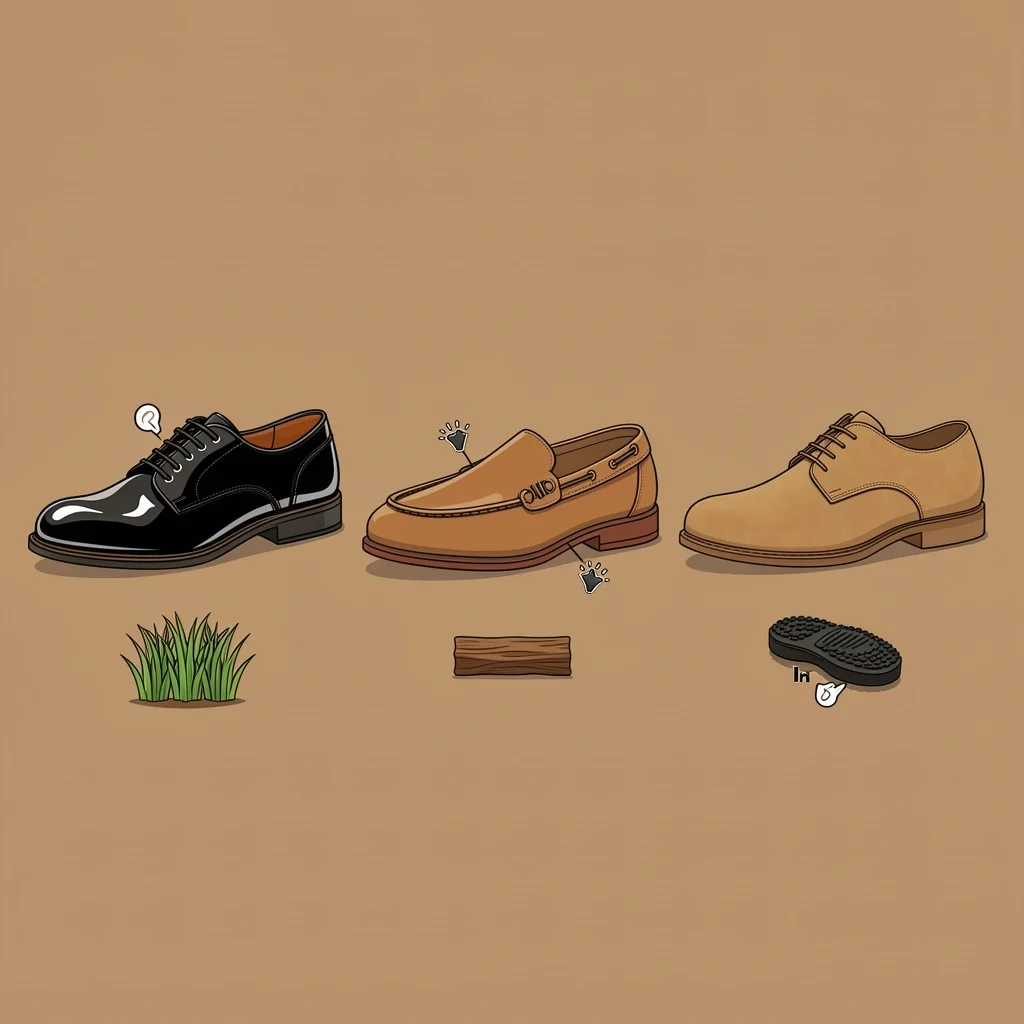
This is the section most guides skip, but I have seen too many grooms sink into grass or slide on a wooden deck. Your shoes matter for outdoor weddings.
Patent leather oxfords with leather soles are the traditional tuxedo shoe. They are also the worst choice for grass, sand, or gravel. The soles offer zero traction, and the patent finish scratches easily. If you insist on them, at least add a rubber half-sole from a cobbler. But for most outdoor venues, I recommend these alternatives:
- Rubber-soled loafers. A black or oxblood loafer with a rubber sole gives you grip and comfort. Look for a dressy loafer, not a casual one. Suede loafers work well too — they look refined and do not show dust.
- Dress boots. A black cap-toe boot with a rubber sole is a fantastic choice for barn or mountain weddings. It keeps your ankles clean, gives traction, and looks sharp with tailored trousers.
- Suede oxfords. Suede is more forgiving than patent leather and has a natural grip. I wore suede oxfords to a beach wedding and walked on sand without slipping.
Do not wear athletic shoes, even if you plan to change later. The photos will show them. And if you absolutely must wear patent leather, bring a pair of rubber overshoes or a different pair of shoes for the reception if the ground is soft.
A Tux for Every Outdoor Venue – The Right Adaptations
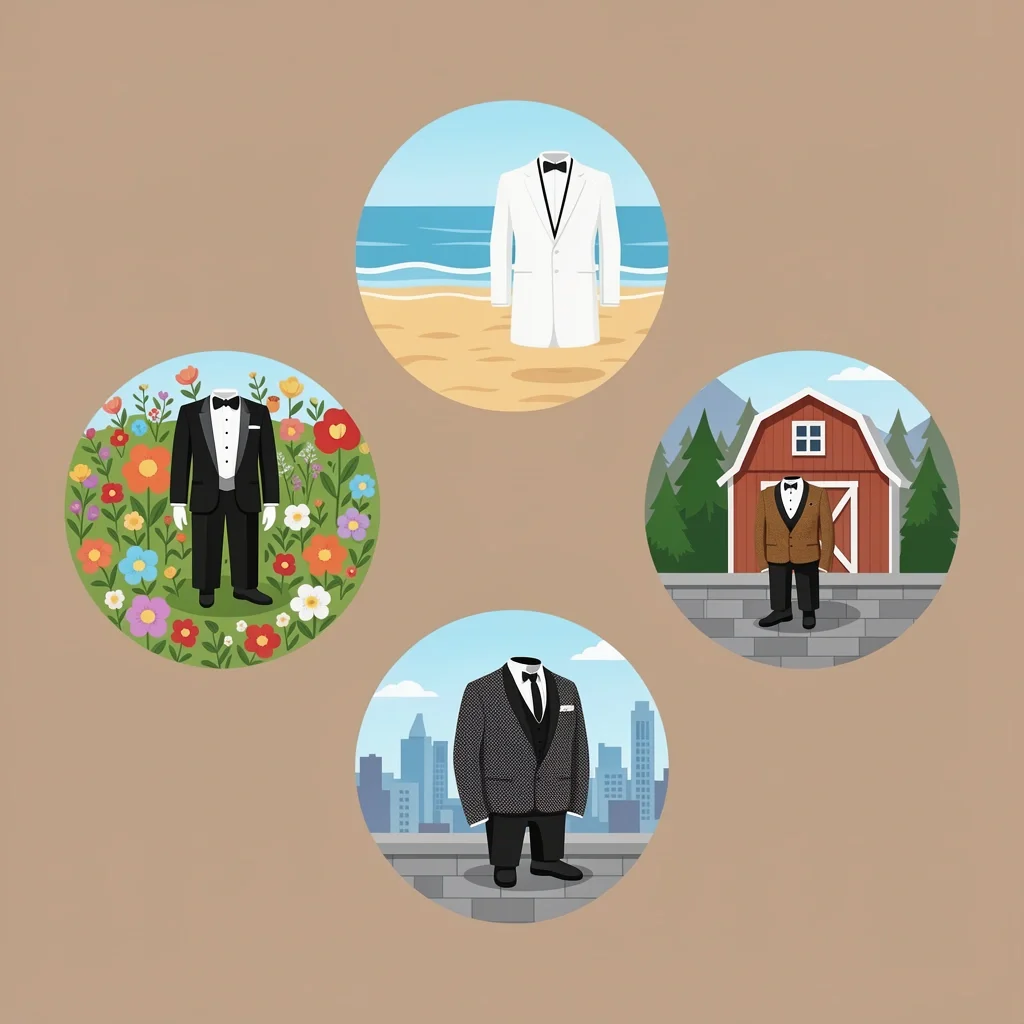
Each outdoor setting has its own demands. Here is how to adapt your tuxedo without buying a new one.
Garden wedding
Garden weddings are often formal but take place in the daytime. Choose a lightweight wool in charcoal or midnight blue. A shawl collar works well. Add a boutonniere — a single flower in your lapel ties the garden theme together. Skip the vest. Shoes should have a rubber sole to avoid sinking into the grass. If the wedding is in the evening, you can go full black tux with peak lapels.
The backyard wedding tux dilemma often mirrors these garden wedding guidelines, as finding the formality sweet spot is crucial for a relaxed outdoor setting.
Beach wedding
Beach weddings are tricky because of sand, wind, and heat. Go with a tropical-weight wool in a lighter gray or navy. A white dinner jacket is a classic choice — pair it with black trousers. Do not wear a vest. Your tie should be a bow tie (self-tie) to stay put. Shoes: loafers or even dressy sandals if the couple is very casual. For a beach wedding, I wore a navy shawl-collar tux with linen trousers (not the same as the jacket) and no socks. It looked intentional and I stayed cool.
Barn or ranch wedding
Barn weddings are casual but can still be formal. The terrain is often wood or gravel. A textured wool tuxedo in dark brown or charcoal works well. You can wear a straight tie instead of a bow tie. Leave the patent leather at home — leather boots or oxfords with rubber soles are perfect. I have seen grooms wear a tuxedo jacket with chinos and a bow tie and it looked great. The key is not to look overdressed.
Mountain lodge wedding
Mountain weddings can be chilly even in summer. You need a heavier wool (250–280 GSM) and maybe a vest for warmth. Shoes should be boots — dress boots with a rubber sole. A shawl collar or peak lapel both work. If the wedding is outdoors on a deck, bring a jacket that you can put on and take off easily. Layers are your friend.
Rooftop terrace wedding
Rooftop weddings are often in the evening and can be windy. A lightweight wool in black or midnight blue is fine. Shawl collar is a good choice. Avoid anything that flaps — like a long tie without a tie bar. Use a tie bar. Shoes can be patent leather if the floor is solid, but rubber soles are safer if the rooftop has a wooden deck. I wore a black tux with a shawl collar and a velvet slipper on a rooftop — the velvet melted into the evening vibe.
Tuxedo vs. Suit – The Honest Conversation
Not every outdoor wedding calls for a tuxedo. Sometimes a suit is the better choice. Here is how to decide.
Ask yourself three questions:
- Is the dress code black-tie or black-tie optional? If yes, wear a tuxedo.
- Is the venue extremely casual (backyard, beach with no structure)? If yes, a suit may serve you better.
- Is the temperature above 35°C? If yes, consider a suit instead of a tuxedo, because a suit in a lighter fabric like linen or cotton can be more comfortable.
I have seen grooms wear a well-fitted suit in a light gray or navy to a garden wedding and look more appropriate than a full tuxedo. The tuxedo brings a level of formality that can clash with a relaxed outdoor setting. If you are unsure, ask the couple or the wedding planner. They will tell you the vibe.
And if you decide to go with a suit, you can still borrow tuxedo elements: a bow tie, a pocket square, and a crisp white shirt. You will look formal without the weight of a satin-lapel jacket.
The Preparation Playbook – Staying Crisp From Ceremony to Reception
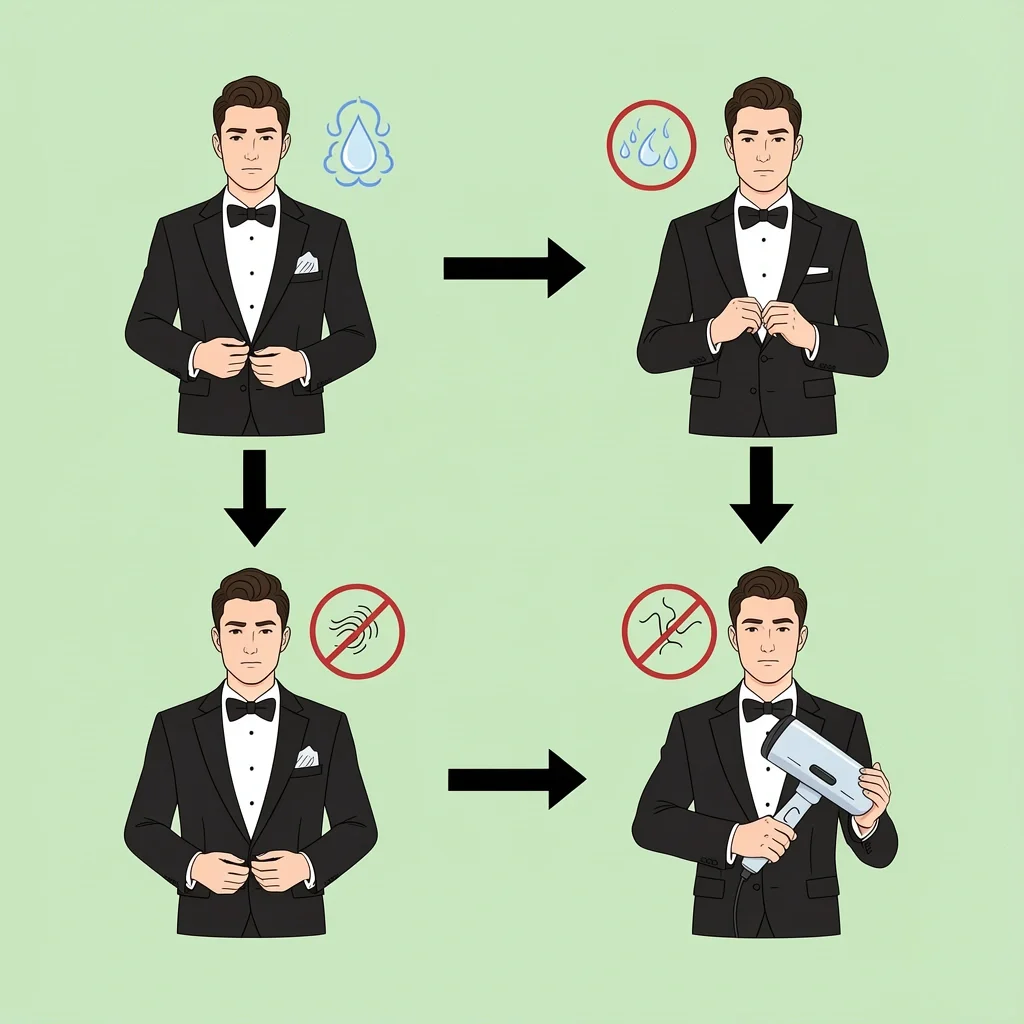
You have the right tuxedo. Now you need to keep it looking good through the ceremony, photos, dinner, and dancing. Here are tactics I have used myself.
- Wear a moisture-wicking undershirt. A thin, white, V-neck undershirt in a synthetic blend will pull sweat away from your skin and keep your dress shirt dry. It makes a huge difference in heat.
- Use a pocket square that doubles as a sweat towel. A white linen pocket square can be used to dab your forehead discreetly. Keep it in your jacket pocket, not your trouser pocket.
- Bring a backup collar stay. Wind can blow your collar open. A magnetic collar stay or a standard stay in your pocket saves you from looking disheveled.
- How to sit without wrinkling. When you sit down, unbutton your jacket. If you are in trousers, lift them slightly at the knees so the fabric does not bunch. This keeps the crease sharp.
- Fabric-specific emergency wrinkle removal. For wool, a handheld steamer is best. If you do not have one, hang the jacket in the bathroom while you take a hot shower. For linen, you can use a spray bottle with water and a little fabric softener, then smooth with your hands. Do not iron a tuxedo jacket at home — the heat can damage the satin lapels.
I also recommend bringing a small bag with a lint roller, a travel-sized deodorant, and a spare tie. Outdoor weddings involve dirt, pollen, and unexpected spills. Be prepared.
The Myths That Mislead Grooms
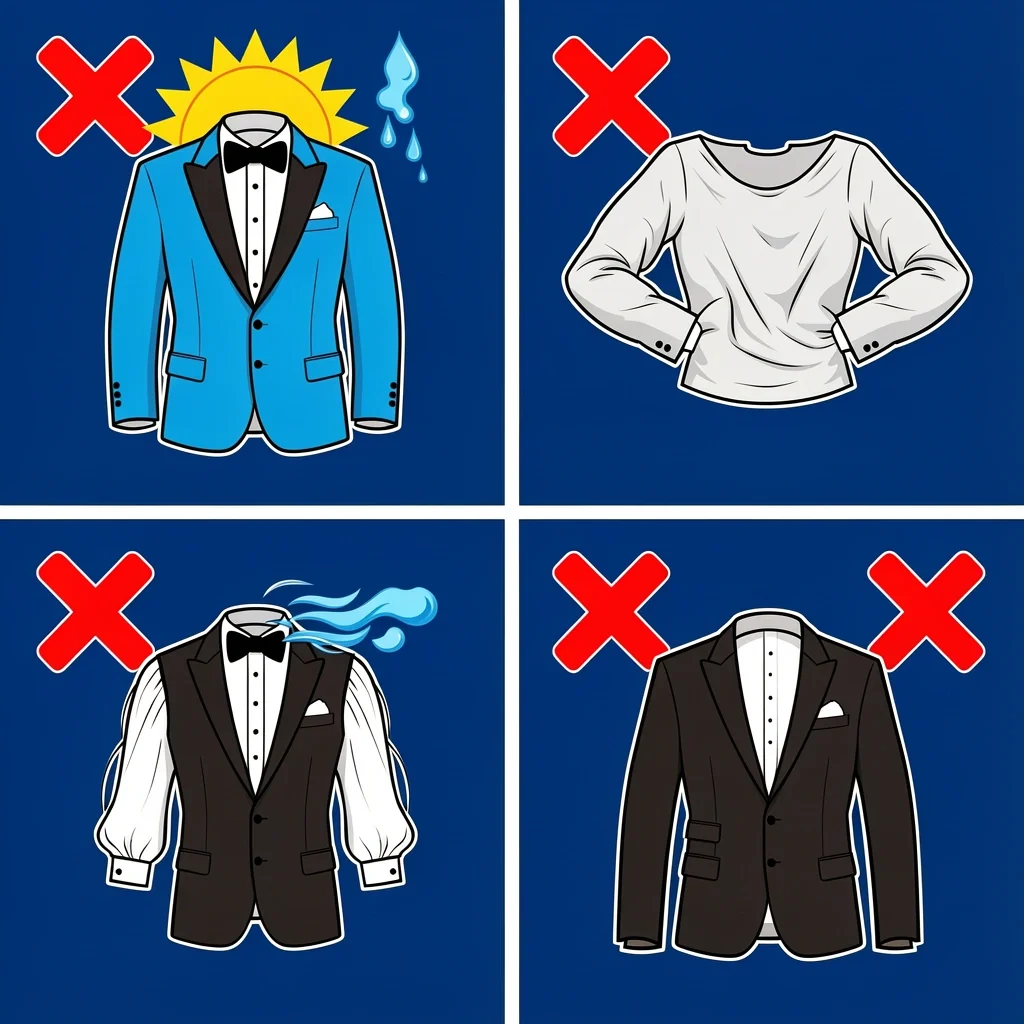
There are a few common misconceptions about outdoor wedding tuxedos that I have heard from grooms and even from salespeople. Let me clear them up.
Myth 1: “Blue tuxedos are always fine for daytime.” Truth: A deep navy tuxedo can look almost black under the sun, and it absorbs heat. A lighter blue (like a sky blue or a soft blue-gray) works better for daytime. Reserve midnight blue for evening events.
Myth 2: “Linen tuxedos are always appropriate for beach weddings.” Truth: Linen wrinkles instantly. If you are standing at the altar for more than five minutes, your jacket will look like you slept in it. A textured wool or a linen-wool blend gives you the relaxed look without the rumpled mess.
Myth 3: “Renting is always smarter than buying.” Truth: If you are renting for an outdoor wedding, check the fit carefully. Rental tuxedos often have loose sleeves that catch the wind, and they are made from cheaper fabrics that do not breathe. If you plan to wear a tuxedo more than once (for future black-tie events), buying a quality tropical-weight tuxedo is a better investment. I have a tuxedo I bought seven years ago, and it has paid for itself in rental savings.
Myth 4: “I can wear my indoor tuxedo outdoors and just remove the jacket.” Truth: Removing the jacket leaves you in a dress shirt and trousers, which looks incomplete. If you are overheating, you should have chosen a lighter fabric, not removed the jacket. A tuxedo requires the jacket to look like a tuxedo.
Frequently Asked Questions
Can I wear a tuxedo to an outdoor wedding in 90°F heat?
Yes, if you choose a summer-weight wool (230 GSM or less) and skip the vest. Bring a hand fan and stay in the shade during photos. Drink water before the ceremony. I have done it, and it is manageable.
Is a white dinner jacket acceptable for a garden wedding?
Yes. A white dinner jacket with black trousers is a classic choice for daytime outdoor events. It reflects heat and looks elegant. Pair it with a black bow tie.
Should I match my tuxedo color to the wedding theme?
Only if the theme is black-tie. Otherwise, stick to black, midnight blue, or charcoal. Earthy tones like burgundy or forest green can work for barn weddings but risk clashing with floral arrangements. I have seen a burgundy tuxedo clash with a rose theme and it looked off.
Do I need to rent or buy my outdoor wedding tux?
Rent if you are unlikely to wear a tux again and the weather is predictable. Buy if you want a tailored fit that withstands wind (rentals often have loose arms) and if you plan to wear it for future black-tie events. For outdoor use, a tailored fit is more important because it prevents flapping.
What kind of tie works best for windy conditions?
A self-tie bow tie stays in place. If you prefer a necktie, use a tie bar and choose a thicker silk that won’t flop. I have seen a thin silk tie blow over a groom’s shoulder during photos.