
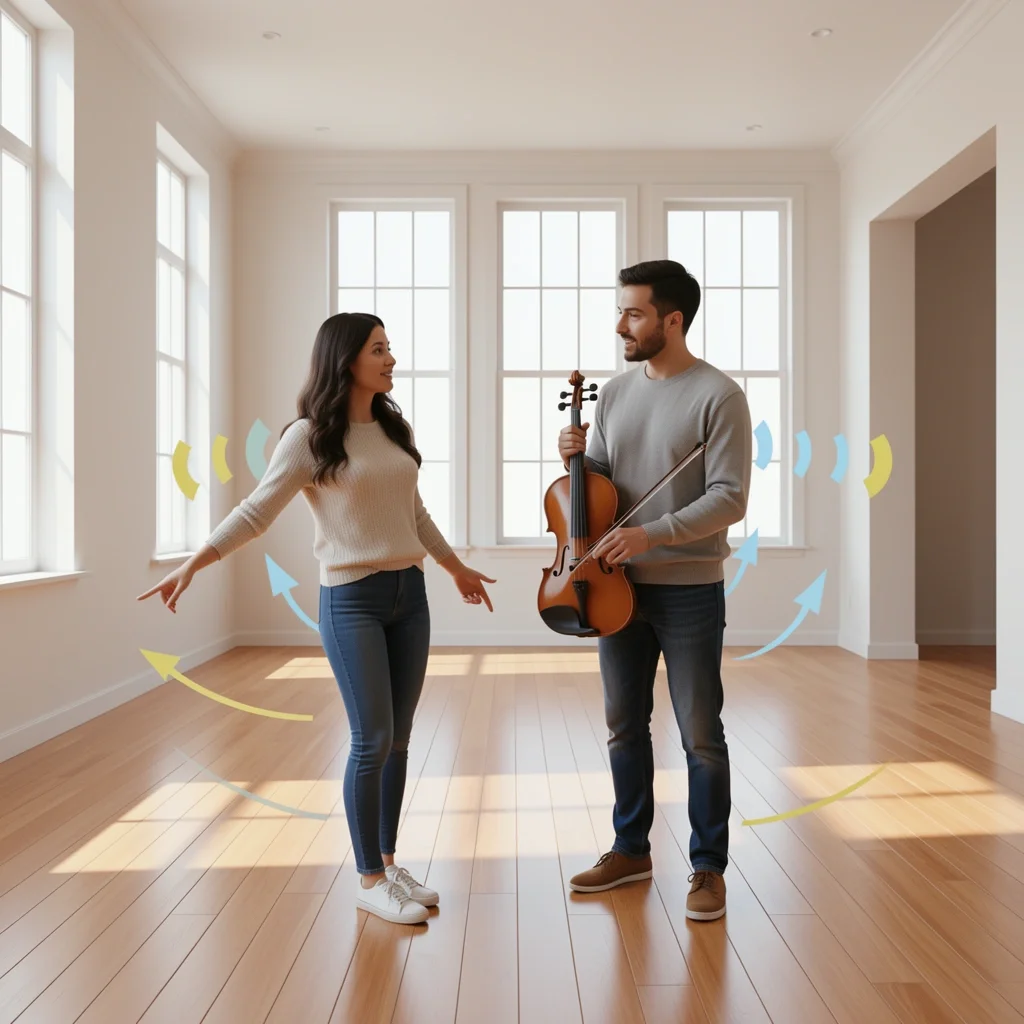
Every couple planning a small wedding faces the same confusion. You search for music ideas and find endless lists of songs, but no one explains what will actually sound good in your specific room. A cello that sounds incredible in a stone church can turn into a muddy mess in a carpeted living room. A solo pianist who plays beautifully in a concert hall may feel too loud and distant when guests are ten feet away.
Live music for small weddings succeeds or fails based on three things: how sound behaves in your venue, how close guests sit to the performer, and whether the musician can read an intimate room. The song list matters far less than these factors. If you get the first three right, almost any song will work. If you ignore them, even the most romantic playlist will feel off.
Here is the framework I use when helping couples plan music for their intimate celebration. Start with the room. Then choose the instrument. Then find a musician who understands small spaces. Only after those three decisions do you pick the songs.
Start With Your Room, Not Your Playlist
Before you browse a single song, answer these questions about your venue. The answers will guide every other decision.
How many guests and where will they sit?
Fifteen guests in a circle around the musician create a completely different acoustic dynamic than forty guests spread across a loft. The closer people sit, the quieter and more controlled the music needs to be. If guests will be within ten feet of the performer, choose instruments that can play softly without losing warmth. Fingerstyle acoustic guitar, unamplified piano, or a solo cello work well. Avoid brass, drums, or anything that projects aggressively.
What are your floors, walls, and ceiling made of?
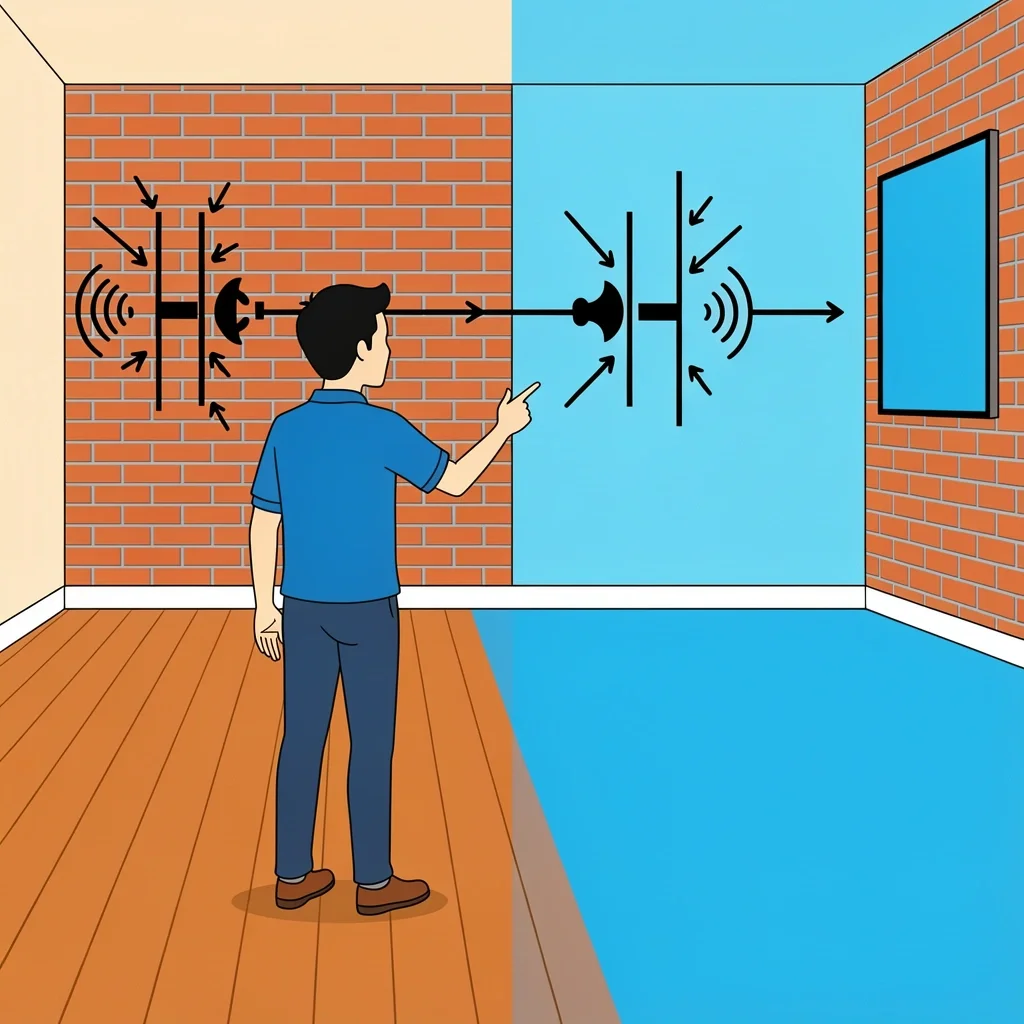
Hard surfaces (wood floors, brick walls, high ceilings, windows) create echo and bounce sound around. Soft surfaces (carpet, drapes, upholstered furniture, low ceilings) absorb sound and make the room feel dead. Each requires a different approach.
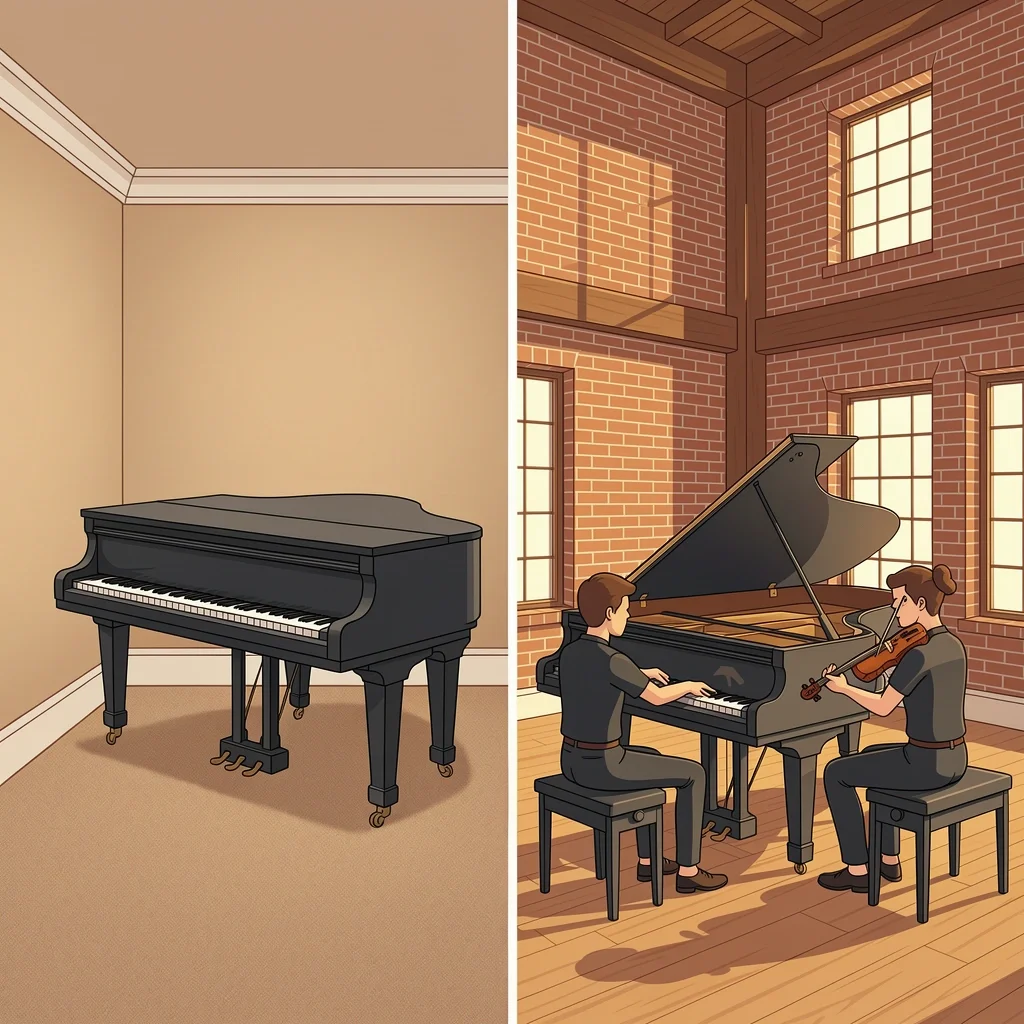
- Hard, reflective room: A single instrument can fill the space easily. Too many instruments will blend into a wash of noise. Use one clear voice — a solo piano or solo violin. Keep volume low to avoid overwhelming the room.
- Soft, dead room: Sound gets absorbed quickly. A single acoustic guitar may feel weak. You might need a slightly louder instrument or a duo to project enough presence. A piano with the lid open, or a cello with a light amplifier, can work.
Is there a separate ceremony space versus reception space?
If your ceremony happens in one corner of the room where guests also eat, the music needs to serve two different functions in the same acoustic space. That limits your instrument choice. A string duo may be too present during dinner but perfect for the ceremony. In that case, plan for a single instrument that can adjust its dynamic range throughout the event.
Matching Instruments to Your Space
Once you understand your room, you can match an instrument or small ensemble to it. Below are recommendations based on common small wedding scenarios. Use these as starting points, not rules.
Solo piano
Works in almost any intimate setting. A piano provides its own volume control — play with the lid closed for soft background music, open for ceremony presence. In a carpeted room with low ceilings, keep the lid fully closed. In a room with hardwood floors and tall windows, the lid halfway open gives enough projection without echo. Solo piano is the most versatile option for a small wedding because it covers prelude, ceremony, cocktail hour, and dinner without changing gear.
Solo acoustic guitar (fingerstyle)
Ideal for very small groups, outdoor gatherings, or rooms with heavy carpet and fabric. Fingerstyle guitar is quiet and intimate. It pairs well with spoken vows and does not compete with conversation. Avoid strumming hard — that pushes the sound too far. A good fingerstyle player can create the illusion of multiple instruments through technique.
Piano and violin duo
Perfect for spaces with natural reverb — think garden chapels, lofts with exposed brick, or historic homes with high ceilings. The violin adds a singing line that carries over the piano. In a dead room, the violin can help cut through. In a live room, the violinist can play with a softer bow stroke to avoid harshness. This duo works best for ceremony and cocktail hour, less well for dinner where the violin may draw too much attention.
Cello alone or with piano
A cello has a warm, midrange sound that fills a small room without being harsh. It works in many spaces but shines in rooms with soft furnishings because its lower frequencies travel well. A solo cello playing simple melodies can be incredibly moving for a processional. Pair it with piano for more texture, but be careful — in a very small room, the two instruments can compete. Place them ten feet apart and let each have its own space.
Acoustic guitar and light percussion (cajón)
If you want a relaxed, almost campfire feel, this combination works for casual outdoor weddings or backyard receptions. The cajón replaces a full drum kit with a box the player sits on. It adds rhythm without volume. This setup is best for reception dancing with a small group — twenty people can easily dance to a guitar and cajón.
The table below summarizes which instrument combinations fit different room types. Use it as a quick reference.
| Room Type | Best Instrument(s) | Avoid |
|---|---|---|
| Small carpeted room (under 30 guests) | Solo piano (lid closed), fingerstyle guitar, solo cello | Brass, drums, full string quartet |
| Hardwood or tiled room with tall ceilings | Solo piano (lid half open), piano + violin duo | Loud amplified instruments, more than two instruments without careful positioning |
| Outdoor garden or tent | Acoustic guitar, cello, piano with portable setup | Instruments that rely on room reverb (e.g., harp in wind) |
| Loft with mixed surfaces | Piano + cello, or solo piano | Harsh treble instruments (trumpet, electric violin) without dampening |
| Backyard or park | Acoustic guitar + cajón, solo fingerstyle guitar, battery-powered keyboard | Instruments that need stable power or cannot handle wind |
Build a Setlist Around Function, Not Genre
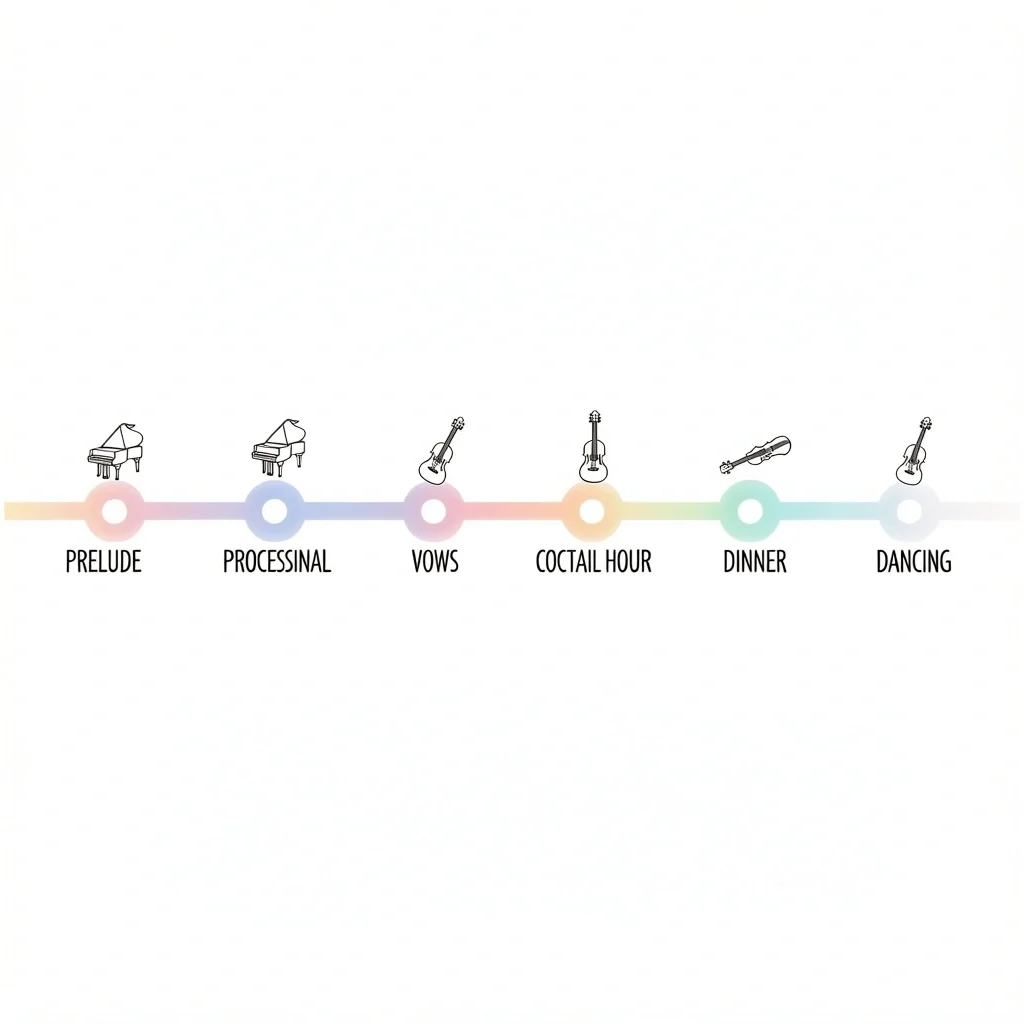
Most articles list songs by genre — classical, jazz, pop. That ignores how music actually serves a wedding timeline. In a small wedding, each segment of the day has a different job, and the music should match that job, not a genre label.
Organize your music by function. Here is how I break it down for couples.
Guest arrival (prelude) — 15 to 20 minutes
Guests are settling in, finding their seats, and chatting. The music should support conversation, not dominate. Use quiet, melodic pieces with a steady tempo. Avoid dramatic builds or sudden dynamic shifts. Examples: gentle piano pieces by Satie or Einaudi, soft fingerstyle guitar arrangements of familiar songs, or slow jazz standards played at a low volume.
Processional — 2 to 5 minutes
This is where you want emotional lift. The music should match the walking pace and build anticipation. In a small space, you do not need a big orchestral arrangement. A single instrument playing a melody with space between notes often feels more powerful. Choose a song that has personal meaning, but make sure the musician adapts it to your aisle length. A good pianist can stretch or shorten a piece on the fly.
For more ideas on selecting the perfect soundtrack, explore our guide on songs to walk down the aisle and stop overthinking the process.
Vow exchange
Here is a common mistake: couples ask the musician to play softly during vows, but that soft music can still distract. In a small wedding, guests hear every whisper. I recommend complete silence during personal vows. If you are using pre-written vows, very subtle background music — a single sustained note on a cello or a slow piano arpeggio — can work, but only if the musician can play at the absolute edge of hearing. Discuss this with your musician before the day.
Recessional
Short and joyful. In a small wedding, the recessional lasts only as long as the walk back up the aisle. Pick something upbeat but not overwhelming. A lively piano piece or a bright violin melody works well. Avoid anything with a long fade or extended ending.
Cocktail hour — 45 to 60 minutes
This is where live music shines in a small wedding. Guests can stand close to the musician and even make requests. Choose mellow, recognizable pieces that do not demand attention. Jazz standards, bossa nova, instrumental versions of pop songs all work. The volume should be low enough that guests can hold a conversation at normal speaking level without raising their voices.
Dinner — 45 minutes to 2 hours
Dinner music is about atmosphere, not entertainment. Your musician should play continuously but stay in the background. Avoid songs with strong emotional peaks that would interrupt table conversation. Stick to instrumental arrangements of familiar music — think movie soundtracks, classical melodies, or light jazz. The goal is that guests notice the music when it stops, not while it plays.
Dancing (if any) — varies
Not every small wedding includes dancing, but if yours does, keep it simple. A solo pianist can play danceable versions of popular songs. An acoustic guitar and cajón can handle first dances and a few group dances. With twenty guests, you do not need a DJ setup. The intimacy of live acoustic music actually works better than loud recorded music for a small group. Guests feel more comfortable joining in when the sound is warm and unamplified.
When you choose songs for each function, resist the urge to cram in every favorite. Pick five to seven songs per function at most, and let the musician fill the rest with appropriate standards. Musicians who specialize in small weddings can read the room and adjust in real time.
Making Live Music Work in a Small Space
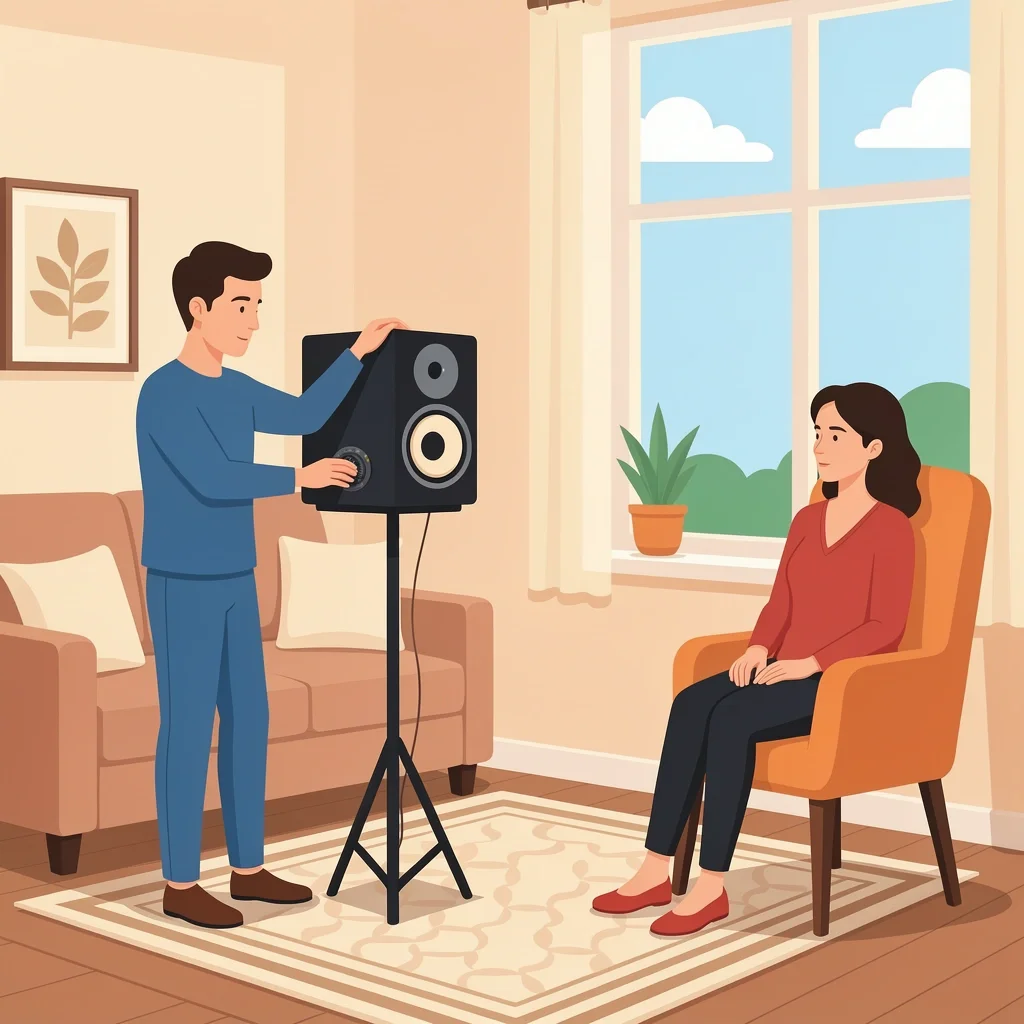
Even with the right instrument and setlist, execution matters. Here are the practical tactics I have learned from years of playing in intimate settings.
Volume management
The biggest mistake is playing too loud. In a small room, loud music feels aggressive. The musician should test the volume with one guest sitting in the farthest seat before guests arrive. If that person can comfortably hold a conversation, the volume is right. For amplified instruments (like a keyboard through a small speaker), place the speaker at ear level and point it away from the main seating area.
Handling silence between songs
In a large wedding, silence between songs gets absorbed by noise. In a small wedding, it is loud. Guests feel awkward. The musician should either plan segues between songs (move from one piece to the next without a gap) or be comfortable speaking briefly to the room. A simple “That was a favorite of the couple — they asked me to play it for their grandparents” fills the silence and adds personal warmth.
Reading the room
A small wedding musician needs to watch guests, not just play. If conversation gets loud, the music should stay low to support it. If guests start clapping along, the musician can match that energy. This skill is separate from technical ability. When you interview musicians, ask them: “How do you adjust when you notice guests are struggling to hear each other?” Avoid anyone who says they just follow the setlist.
Soundcheck for intimacy
Do a soundcheck with the musician after the room is set up but before guests arrive. Walk around the space while they play. Listen from corners, near the kitchen, right next to the performer. Adjust positioning — sometimes moving the piano six inches away from a wall changes the sound dramatically. Check for echoes by clapping once and listening to how the room responds. If you hear a distinct slap or ringing, move the musician away from that surface.
Solo, Duo, or Recorded — How to Decide
Your budget and desired atmosphere will guide this choice. Here is a clear comparison based on what I see couples choose most often.
| Option | Best for | Budget range | Notes |
|---|---|---|---|
| Solo piano | Ceremony + cocktail hour + dinner. Couples who want one musician to cover everything. | $800 to $1,500 | Most versatile. Requires a real piano or a good digital piano. Musician must be comfortable with intimate settings. |
| Solo acoustic guitar | Casual outdoor weddings, very small groups (under 20). | $500 to $1,000 | Limited to softer, acoustic sound. Not ideal for ceremony processional if you want grandeur. |
| Duo (piano + violin or cello) | Ceremony + cocktail hour. Couples who want richer texture without a full band. | $1,200 to $2,200 | Adds depth but requires careful positioning. Two instruments can muddy a very small room. |
| Trio (piano, violin, cello) | Larger small weddings (40 to 50 guests) in medium-sized rooms. Ceremony + cocktail hour only. | $1,800 to $3,000 | Only works if the room has some natural absorption. Hard rooms with three string instruments can become chaotic. |
| Recorded playlist + one live solo | Couples with very tight budgets who still want a live moment for ceremony and first dance. | $300 to $600 (for the solo part) | Ineffective if transitions between recorded and live sound are not rehearsed. The shift in volume and presence can be jarring. |
One more point about budget: In a small wedding, you are spending less on total catering and venue, so your guest experience matters more per person. Spending a little extra on a skilled soloist who can adapt to your room will create a more memorable event than stretching your budget for a mediocre band. Prioritize quality over headcount.
Frequently Asked Questions
Can I mix live music with a playlist for different parts of the wedding?
Yes, but you need to plan the transitions carefully. If a solo pianist plays the ceremony and then a playlist takes over for cocktail hour, the room suddenly feels empty. Have the musician continue through the transition, or fade the playlist in while the musician walks away. Test the volume levels beforehand. Also, make sure your playlist does not include live versions of songs that sound weak when recorded through small speakers — that can feel cheap compared to the live performance.
How do I handle music during the meal when conversation is the priority?
Keep the volume low. A good target is around 60 to 65 decibels measured from the center of the room. Use a sound meter app on your phone during soundcheck. Choose instrumental versions of songs that guests already know — familiar melodies require less attention from the brain. Avoid vocals, complex rhythms, or songs with dramatic changes. Dinner music should feel like part of the room, not part of the entertainment.
Should I tell the musician about my guests’ ages and tastes?
Yes, absolutely. In a small wedding, every guest is close to the music. If half your guests are over 60 and prefer old standards, and the other half are your friends who love indie rock, the musician needs to know. They can blend songs from both worlds in a way that does not alienate anyone. For example, an instrumental version of a Vampire Weekend song can appeal to both groups if played with a jazz feel. Share the age range and at least five favorite songs from each generation.
What happens if the musician gets sick or cancels?
This is rare, but you should have a plan. Ask the musician if they have a backup who knows your setlist. Many professionals belong to networks and can send a colleague. Also, have a playlist ready on a Bluetooth speaker as a last resort. Tell the musician you want to know their backup policy before you sign a contract. Do not assume they have one.
Do I need a microphone for the ceremony if I have live music?
Often yes, but not for the music. The problem is vocal reinforcement for the officiant and the couple. Live musicians can adjust their volume, but speaking voices in a small room still need help if the space has hard surfaces or if guests are far away. Use a small portable PA system for the microphone only. Keep the musician separate from the PA to avoid feedback. Test both together during soundcheck to ensure they do not compete.