
The longevity of your wedding ring depends on a tailored routine that respects its metal, stone, and your lifestyle. A balance of daily mindfulness, proper at-home cleaning, and professional maintenance will keep your ring looking new for decades. This guide covers everything you need to know, from the basic do’s and don’ts to advanced care for specific materials. Think of ring care in three parts: prevent, clean, and protect.
Daily Habits That Protect Your Ring
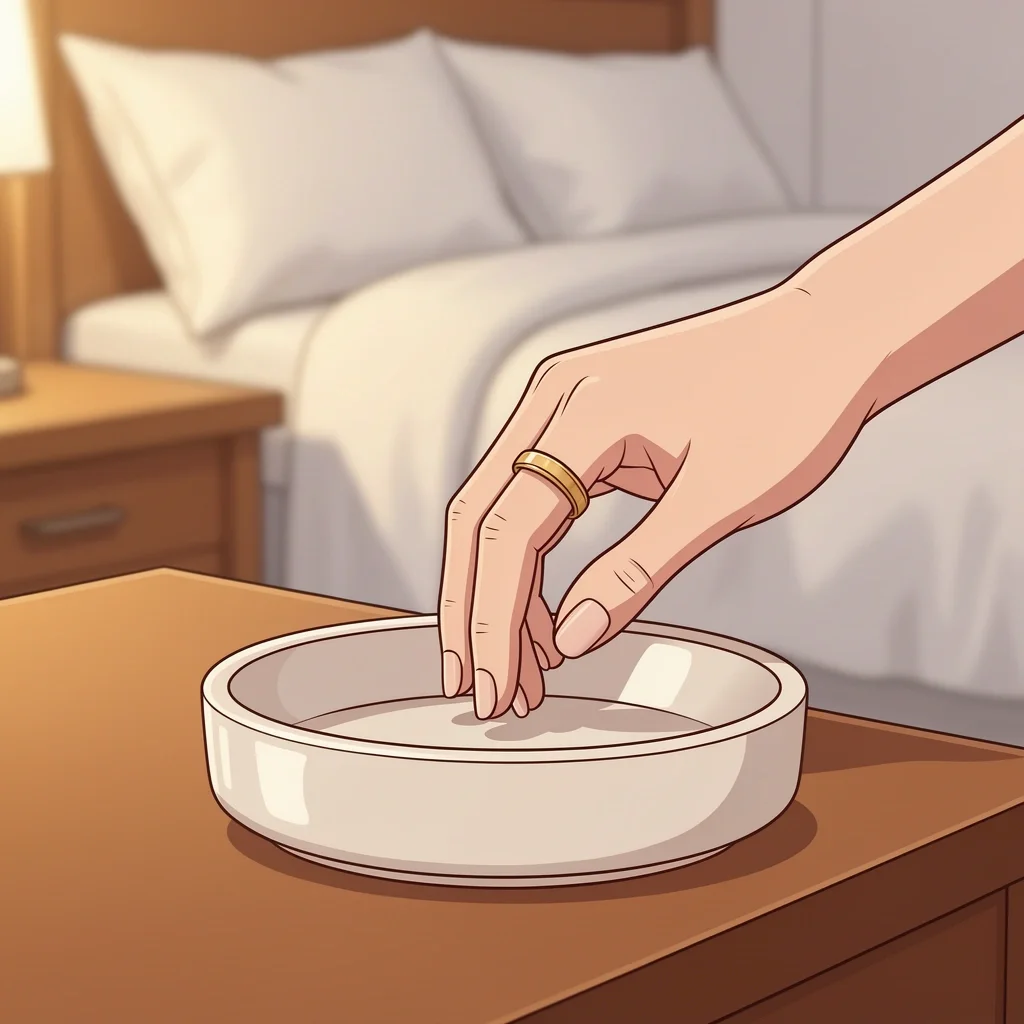
Small choices every day keep your ring safe from unnecessary wear and tear. The most important rule: when in doubt, take it off. But you also need a secure spot for it so you don’t lose it.
When to Remove Your Ring
- Working out: Lifting weights, cycling, or using gym machines can bend the band and loosen prongs. Even push-ups put pressure on your ring. Take it off and store it in a zipped pocket or a locker.
- Sleeping: Fingers swell at night, which can cut off circulation and put stress on the setting. A small dish by your bed gives a safe home for the night.
- Swimming: Chlorine damages metal and can cause colored stones to fade. Salt water makes the ring slippery and accelerates wear. Always remove your ring before entering any water.
- Cleaning: Harsh chemicals like bleach, ammonia, and oven cleaners can pit metal and break down stone treatments. Wear gloves or remove the ring.
- Showering: Soap scum builds up and dulls the shine. Wet fingers make the ring more likely to slip off and go down the drain.
Invest in Ring Dishes
Place a few ring dishes around your home — one by the kitchen sink, one on the nightstand, one in the bathroom. That way you always have a dedicated spot where you know the ring is safe. Never leave it loose on a counter or shelf where it could be knocked off.
For a broader look at styles and materials, The Complete Guide to Choosing a Wedding Ring for Men offers helpful insight into finding a ring that suits your lifestyle.
Watch Your Hands During Daily Activities
Beware of grabbing metal railings, carrying heavy bags, or using hand tools. A hard knock can bend a prong and loosen a stone. Also take care with lotions and hand sanitizers: alcohol-based gels can dull the finish on white gold and rhodium plating. Apply lotion first, then put the ring on after the product has absorbed.
How to Clean Your Wedding Ring at Home
Even with careful habits, your ring will collect oils, lotions, and dirt. A regular cleaning routine restores its sparkle. How often should you clean your wedding ring? Give it a deep clean every two to four weeks if you wear it daily. A quick rinse under warm water once a week helps too.
The Safe At-Home Cleaning Method
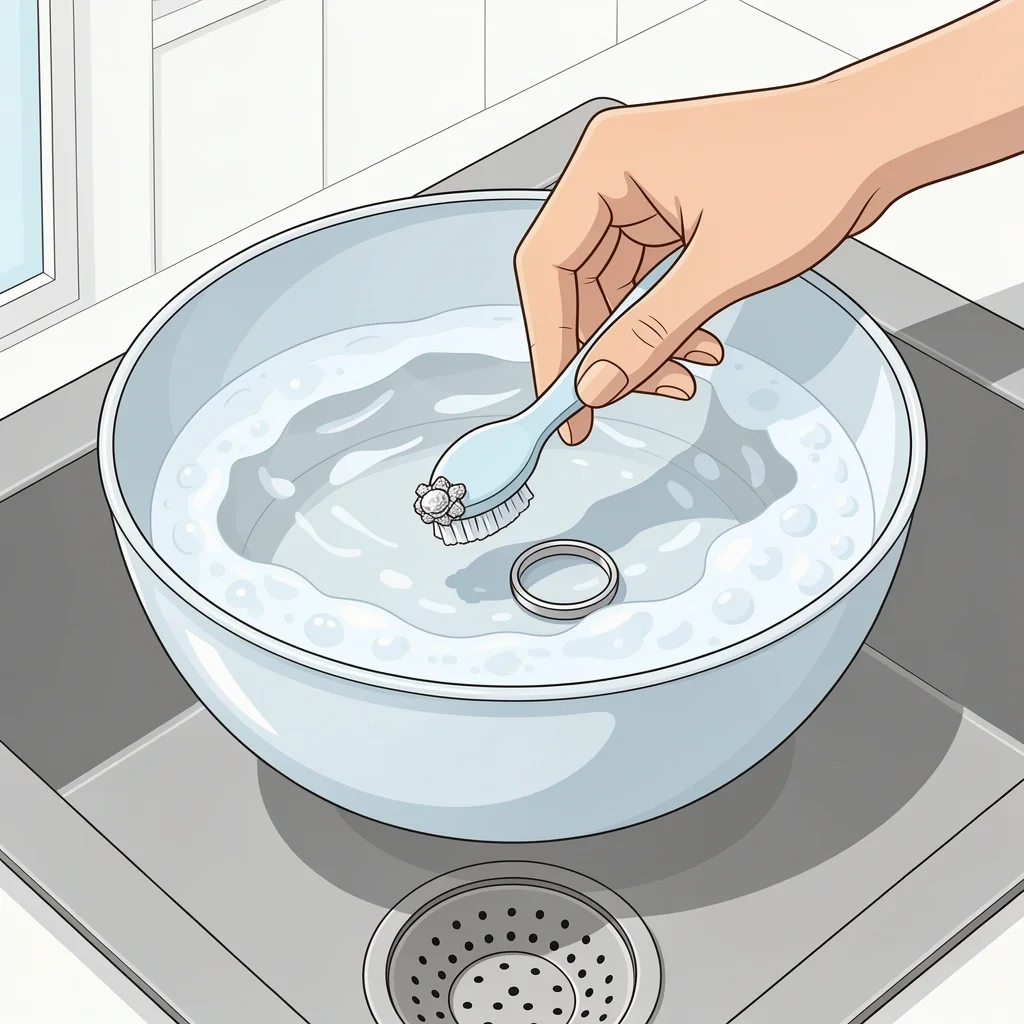
- Fill a small bowl with warm water and a few drops of mild dish soap (no moisturizers, no citrus).
- Soak the ring for about 10 minutes to loosen grime.
- Use a soft-bristled toothbrush (new, unused) to gently scrub the ring, paying special attention to the underside of the stone and the spaces between prongs.
- Rinse under warm running water. Place a strainer in the sink drain first to catch the ring if it slips.
- Pat dry with a lint-free cloth. Avoid paper towels — they can leave scratches on softer metals like gold.
What Not to Use
- Toothpaste: Too abrasive. It polishes away the thin layer of metal and can scratch gemstones.
- Baking soda: Also abrasive and can dull high-polish finishes.
- Ammonia-based cleaners: Safe for diamonds but can damage emeralds, pearls, and other porous stones.
- Ultrasonic cleaners: Only safe for diamonds, sapphires, and rubies in good settings. Never use on emeralds, opals, pearls, or rings with loose stones.
- Steam cleaners: The high heat can shock fragile stones and loosen prongs.
When to Call a Professional
Your jeweler is your partner in keeping the ring sound. Professional care goes deeper than what you can do at home.
Annual Checkup
Take your ring to a jeweler at least once a year. They will inspect the prongs for wear, check for loose stones, and determine if the ring needs a polish or refinish. For white gold, they will check the rhodium plating and reapply it if the yellow tint is showing through.
When to Go Immediately
- You feel a prong snag on clothing.
- The ring makes a rattling sound when shaken — a stone is loose.
- You notice a chip or crack on a stone.
- The band is bent or out of round.
What to Do If a Stone Gets Loose
Stop wearing the ring right away. Put it in a small padded box or wrap it in a soft cloth and store it separately. Call your jeweler for an appointment. Do not try to superglue the stone back in place — that can ruin the setting and void any warranties.
Care by Metal Type and Stone Sensitivity
Not all rings are the same. The metal and the stone each have their own needs. Get to know your ring’s materials so you can adjust your routine accordingly.
Metal Guide
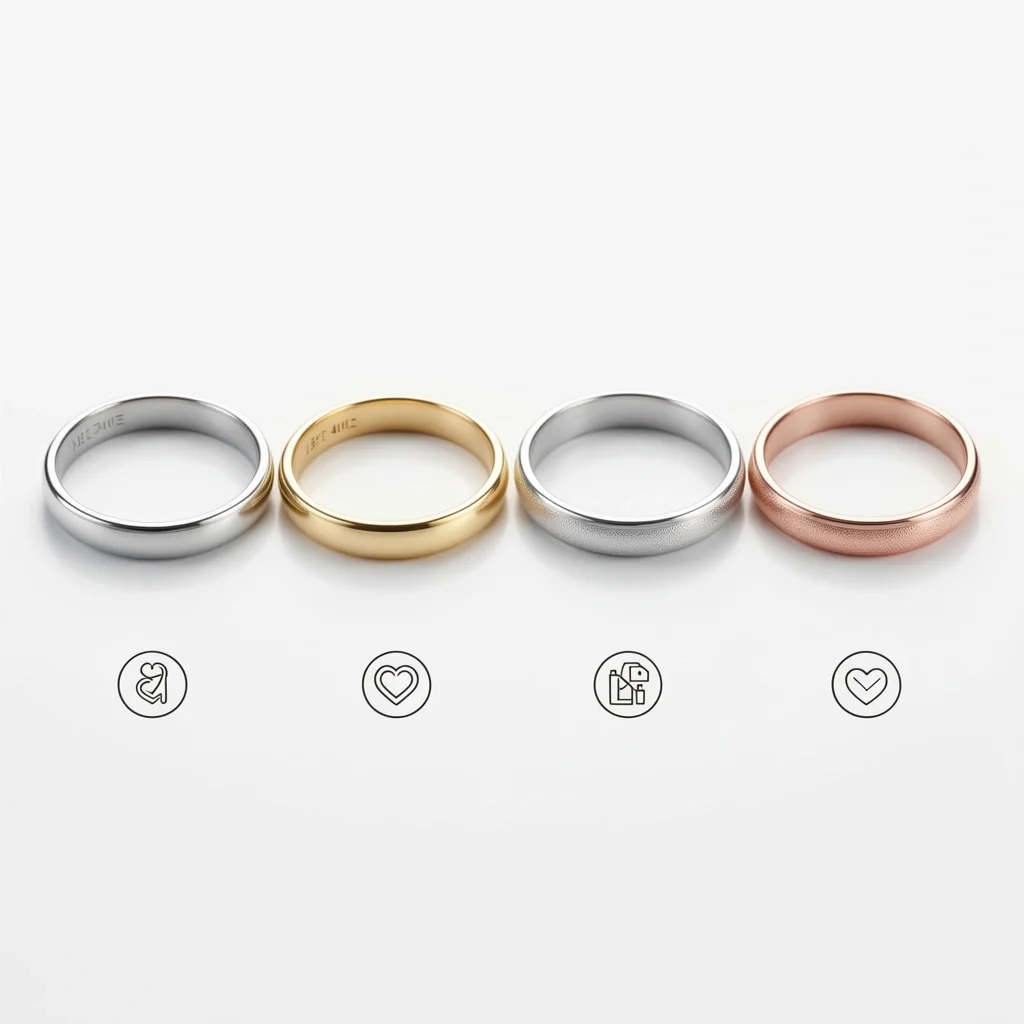
| Metal | Key Points | Care Tips |
|---|---|---|
| Platinum | Hypoallergenic, very dense, develops a natural patina over time. Scratches easily but metal is not lost — it just moves. | Polish only when you want to remove the patina. Avoid harsh abrasives. A professional can restore a mirror finish. |
| 14K Gold | Durable, good for daily wear. Contains 58.3% gold alloyed with other metals. | Softer than 18K but still holds up well. Avoid contact with chlorine (weakens alloy). Clean with mild soap. |
| 18K Gold | Higher gold content, richer color, but softer and more prone to scratches and bending. | Be more careful with daily wear. Remove for manual work. Professional polish can restore surface. |
| White Gold | Covered with rhodium plating for bright white finish. The plating wears off over time, revealing a yellowish tint. | Recoat rhodium every 12–18 months depending on wear. Avoid ultrasonic cleaners that can strip plating. |
| Rose Gold | Alloyed with copper for warm pink tone. Copper reacts with acids (lotions, sweat, soaps). | Clean gently and dry thoroughly. The copper may darken slightly over time, which many people like. |
| Silver | Soft and tarnishes easily. Not common for wedding rings but used in some designs. | Store in anti-tarnish cloth. Clean with a silver-specific polish only. Avoid water and chemicals. |
Stone Sensitivity
| Stone | Hardness | Care Notes |
|---|---|---|
| Diamond | 10 – hardest | Can chip if hit along an inclusion. Safe in ultrasonic and steam. Soak and brush with soapy water. |
| Sapphire / Ruby | 9 – very hard | Durable but can crack along natural inclusions. Ultrasonic safe if well-set. Same cleaning as diamond. |
| Emerald | 7.5–8 – brittle | Filled with oils to cover inclusions. Never use ultrasonic, steam, or harsh chemicals. Only clean with damp cloth and mild soap. Soak very briefly. |
| Opal | 5.5–6.5 – fragile | Hydrophane: can absorb water and crack. Avoid any water exposure. Clean with a dry soft cloth only. |
| Pearl | 2.5–4.5 – soft | Very delicate. Avoid acids, perfumes, and water. Wipe with a dry cloth after wearing. Store separately. |
| Moissanite | 9.25 – hard | Very durable. Similar care to diamond. Avoid extreme heat as it can cause slight color change. |
Insurance, Appraisal, and Documentation
Physical care is only half the story. Protecting the financial value of your ring means having proper paperwork and coverage.
Get an Appraisal
An appraisal from a certified gemologist records the ring’s specifications — stone weight, color, clarity, cut, metal type, and current market value. You need this document for insurance. Update the appraisal every three to five years because gold and diamond prices change.
Insure Your Ring
Standard homeowners or renters insurance may cover jewelry up to a limit, but often excludes “mysterious disappearance” (you lost it but don’t know where). A dedicated jewelry insurance policy covers loss, theft, damage, and disappearance. Many insurers accept the appraisal directly. The cost is typically 1–2% of the ring’s value per year.
Keep Records
Store the appraisal, purchase receipt, and any certificates (like GIA) in a safe place. Take clear photos of the ring from multiple angles — this helps with identification if it is stolen. For heightened security, consider blockchain traceability services like De Beers Tracr for diamonds.
Wedding Ring Care Myths, Debunked
Plenty of well-meaning advice circulates online and among friends. Here are the most common myths and the truth behind them.
Myth: Showering with your ring is safe if it fits well.
Reality: Soap and shampoo leave a film that dulls the shine. Warm water can make your fingers swell slightly, increasing the chance the ring slips off. Also, many soaps contain chemicals that accelerate wear on rhodium plating. Better to remove it.
Myth: Ultrasonic cleaners are safe for all rings.
Reality: The vibrations can shake loose stones that already have weak prongs. They also damage treated stones (like oiled emeralds) and can fracture already-cracked gemstones. Only use an ultrasonic if your jeweler confirms it is safe for your specific ring.
Myth: Toothpaste is a great cleaner for dull rings.
Reality: Toothpaste contains silica or calcium carbonate — mild abrasives that actually scratch gold and soften the polish of a diamond. Stick to mild dish soap and warm water.
Myth: You only need a professional cleaning once a year.
Reality: That depends on how often you wear the ring and how dirty it gets. For a daily wear ring, a professional inspection every 12 months is enough, but you should clean it at home every few weeks. If you notice it looking dull, clean it sooner.
Myth: A loose stone can wait until your next checkup.
Reality: A stone that shifts or rattles is at immediate risk of falling out. Remove the ring immediately and bring it to a jeweler. Waiting even a week could mean losing a diamond that costs thousands to replace.
Myth: Hand sanitizer is safe for rings.
Reality: Alcohol in gel can dull the finish on rhodium-plated white gold and can also react with the copper in rose gold. Over time, it may cause the metal to look patchy. Apply sanitizer, wait for it to dry, then put on the ring.
Myth: Cooking with your ring on is fine if you wash it after.
Reality: Grease and oil from cooking get trapped under the stone and between prongs, causing buildup that is hard to remove. Heat from the stove or oven can also expand the metal and weaken prongs. Take the ring off and place it in a ring dish in the kitchen.
Frequently Asked Questions
Is it safe to wear my wedding ring in a hot tub or sauna?
No. The heat expands the metal, which can cause the ring to feel tight and also loosen the prongs. Chlorine in hot tubs damages gold and silver, and the steam in a sauna can affect softer stones like opals and pearls. Always leave your ring in a secure locker.
How do I clean a ring with intricate filigree or engraving?
Use a soft-bristled brush (a baby toothbrush works well) and gently scrub the pattern. A short soak in warm soapy water helps loosen dirt in the crevices. Avoid using a toothpick or metal tool — those can scratch the metal. Rinse thoroughly and pat dry with a lint-free cloth.
What should I do if my ring gets scratched?
Light surface scratches can often be removed by a professional polish. Do not try to buff them out with a polishing cloth at home — the wrong cloth can make scratches worse. For deeper gouges, the jeweler may need to re-surface the band. Platinum scratches are normal and can be polished back to a mirror finish.
Can I use hand sanitizer while wearing my ring?
It is better to remove the ring first. The alcohol and other additives can dull the finish, especially on white gold, rhodium plating, and silver. If you must use it, apply to the palm and let it dry completely before putting the ring back on.
How do I store my ring if I need to take it off for a long period?
Place the ring in an anti-tarnish pouch or lined jewelry box. Keep it away from direct sunlight (which can fade certain stones) and separate from other jewelry to avoid scratches. For silver rings, use an anti-tarnish strip inside the container. Do not store in a bathroom — humidity speeds up tarnishing.