

You see a price per person and your stomach drops. A hundred dollars per head for food? It feels wrong. You know what a steak dinner costs at a nice restaurant. You know what a buffet at a hotel runs. So why does wedding food cost two to three times as much? The short answer is that you are not just paying for ingredients. You are paying for a full-scale event operation that lasts hours, serves dozens or hundreds of people at once, and must work perfectly under time pressure. But a big chunk of that price is also the wedding tax – a markup that has nothing to do with better food and everything to do with the word wedding on the contract.
What Makes Up the Cost of Wedding Food
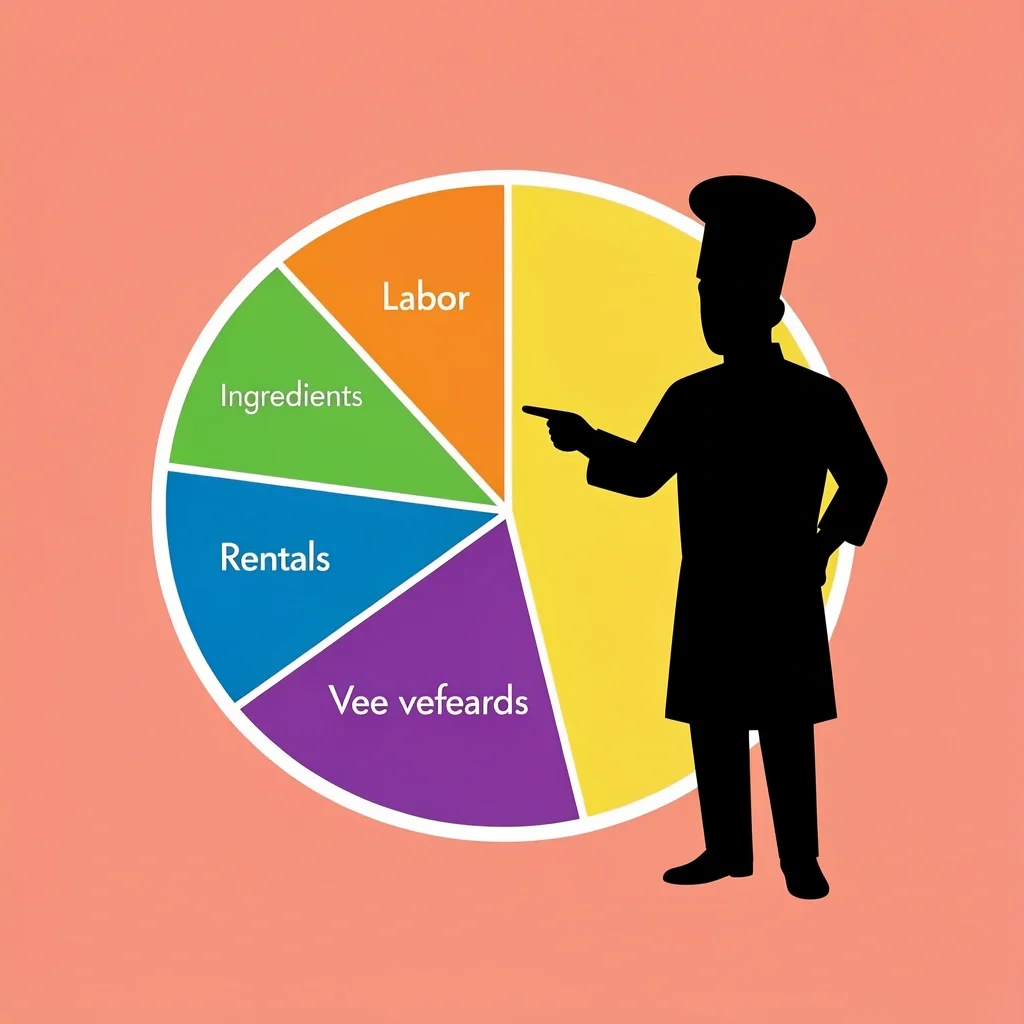
The final number on your catering quote is not one price. It is a stack of different costs. Understanding each layer helps you see where your money actually goes.
Labor and Staff
This is the largest single cost. For a wedding dinner, you need more than one cook. You need a full kitchen team: a head chef, line cooks, a pastry person, a dishwasher. On the front of the house, you need servers, bartenders, bussers, and a captain or event manager. Each person works a full shift that includes setup, service, break down, and cleanup. Overtime adds up fast if the reception runs long. A typical wedding with 120 guests can require ten to fifteen staff members. Their wages, payroll taxes, and workers comp insurance are all built into your per-plate price.
Ingredients
The food itself is a smaller piece of the cost than most people guess. A caterer does not pay retail prices for meat, produce, or dairy. They order through wholesale distributors and get volume discounts. But weddings still use premium ingredients. A filet mignon dinner will always cost more than chicken or pasta. The real expense is not the steak itself. It is the fact that the caterer must order exact amounts weeks ahead of time. If they over-order, they eat the waste. If they under-order, they cannot run to the store. That risk gets priced into the ingredients.
Rentals
Many wedding venues have no kitchen equipment built in. The caterer must bring everything: ovens, stoves, warmers, chafing dishes, platters, serving utensils, glassware, plates, flatware, linens, tables, chairs, tents. Even a basic wedding needs hundreds of items. Rental companies charge per piece per day, and delivery and pickup fees are extra. If the venue requires the caterer to use a specific rental company, there is no room to shop around for a better rate.
Venue Fees
Some venues charge a landmark fee or venue fee directly to the caterer. This is a percentage of the catering bill – typically 5 to 20 percent – that the venue demands just for the privilege of operating in their space. The caterer passes that fee straight to you. There is nothing you can do about it except choose a venue that does not charge it.
Insurance and Permits
A professional caterer carries liability insurance, food safety certifications, and liquor licenses. These cost thousands of dollars per year. The insurance required for a wedding is higher than for a corporate event because of the larger crowd and longer service window. Those costs are spread across every event they do.
Overhead and Coordination
The caterer spends weeks planning your menu, coordinating with the venue, the planner, the florist, and the DJ. They handle timelines, floor plans, dietary restrictions, and backup plans. Someone on their team probably visits the site before the event. All that time is not free. It gets built into the price of your wedding.
The Wedding Tax: What You Are Really Paying For
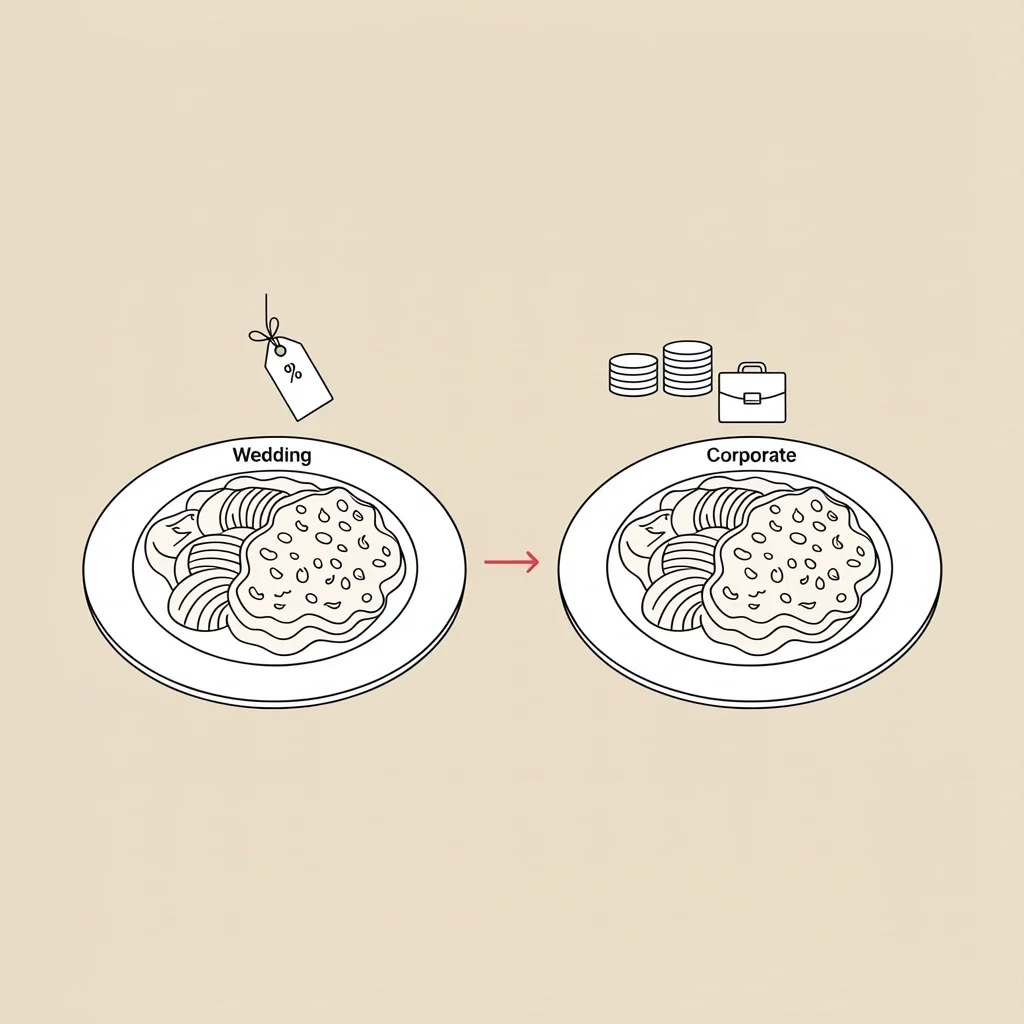
The biggest secret in the wedding industry is that the same food and service often cost much less when you remove the word wedding from the order. Caterers, venues, and rental companies routinely charge more for weddings than for other events of the same size.
Here is a direct comparison using real-world numbers from the catering industry. These are not exact quotes, but they reflect standard pricing practices.
| Item | Wedding Event | Corporate Holiday Party | Private Birthday Dinner |
|---|---|---|---|
| Plated dinner (3 courses) | $110 per person | $75 per person | $80 per person |
| Open bar (4 hours) | $45 per person | $30 per person | $35 per person |
| Late night snack station | $18 per person | $12 per person | $14 per person |
| Service charge | 20% | 18% | 20% |
| Venue fee | 15% of food total | None | None |
Why does a corporate party get a lower price for the exact same menu and staffing level? Because the caterer knows the corporate client compares bids and negotiates hard. They also know a corporate party is less emotionally charged. No one cries if the salmon is slightly dry. The wedding client, on the other hand, is under pressure to make everything perfect. That emotional leverage allows vendors to charge more.
Some of the markup is real. Weddings do require more coordination. The bride and groom often want things exactly right. Tastings, menu changes, and special requests take extra time. But a significant portion of the price difference is simply the wedding tax – a premium that exists because the industry knows you are willing to pay it.
Why High-Priced Wedding Food Often Tastes Average
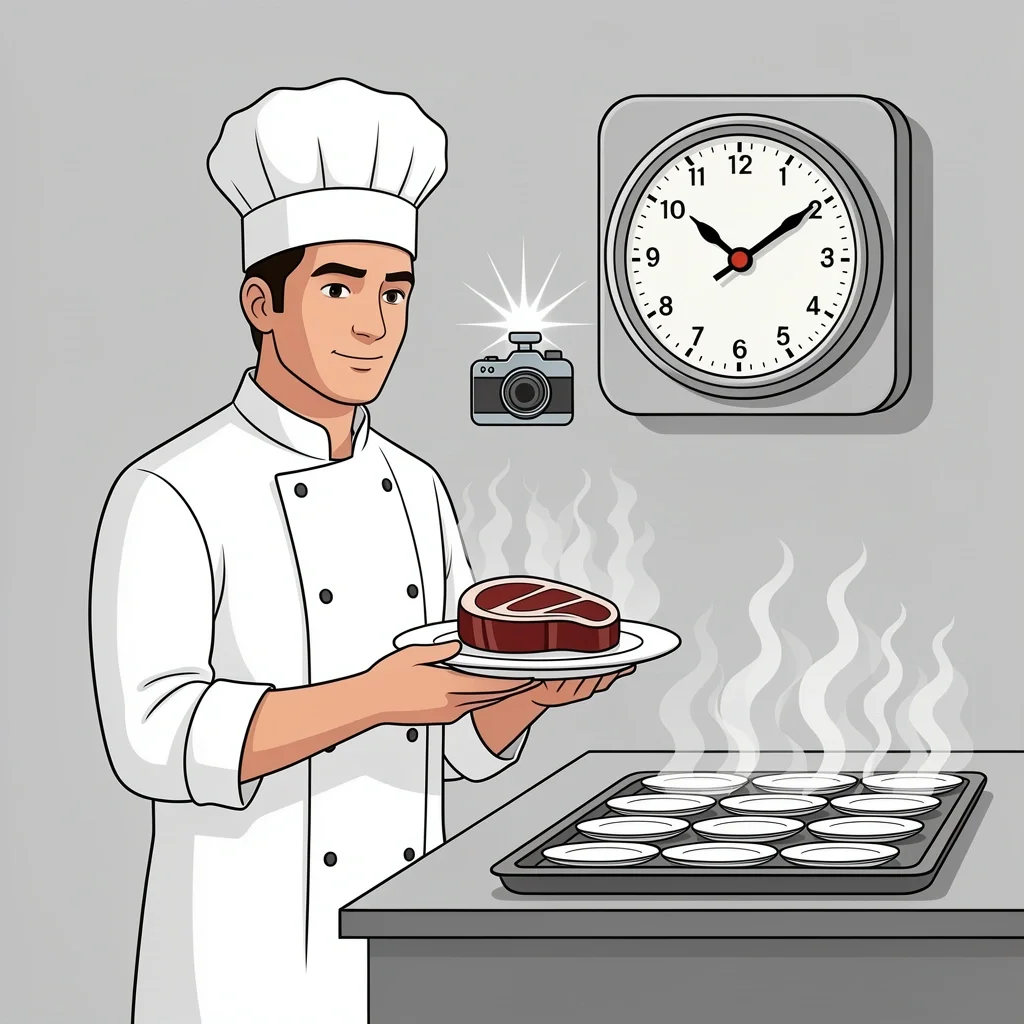
You pay restaurant prices for wedding food, but the food rarely tastes like restaurant food. There is a reason for that, and it is not that the caterer is bad at cooking. The constraints of wedding catering are fundamentally different from restaurant cooking.
In a restaurant, each dish is cooked to order. A cook fires a steak when the server puts in the ticket. The steak rests for a moment and then goes straight to the table. It is hot, fresh, and exactly as the customer wanted it.
At a wedding, the kitchen cooks for 150 people at the same time. The food has to be prepared in batches, held in warming trays, and then plated all at once. Even the best catering kitchen cannot replicate the precision of a restaurant line. Meat that sits under a heat lamp for fifteen minutes loses its texture. Sauce that was perfect at 6:00 PM is congealed by the time the second table gets served.
Presentation also takes priority over flavor. Weddings are photographed. The food has to look good in pictures. That means caterers spend extra time on garnishes, uniform plating, and arrangement. That time takes focus away from the cooking process itself. A dish that looks stunning on Instagram might have been cooked thirty minutes earlier and held at temperature just to get that perfect shot.
Another factor is the venue kitchen. Many wedding venues have small, poorly equipped kitchens. The caterer brings portable equipment. They work in a space they have never used before. Ovens run hot or cold. Water pressure is low. There is no backup plan. These are real constraints that affect the final product.
The result is that the food at your wedding will likely be good but not great. Accepting that in advance helps you make smarter choices about where to spend your money. If you care more about taste than photography, choose a menu that holds well, like braised meats, pasta, or stews. Steaks and delicate fish are the hardest to execute at scale.
How to Reduce the Cost Without Ruining the Experience
You have the power to bring the price down. The strategies that work are not about picking the cheapest option. They are about changing the type of event you are planning.
Change the Time of Day
A brunch or lunch wedding costs significantly less than a dinner event. Breakfast foods like eggs, pancakes, and pastries have lower ingredient costs. Staffing hours are shorter because the event ends by mid-afternoon. Alcohol consumption is also lower at daytime events, which reduces your bar tab. Expect to save 30 to 50 percent compared to a dinner reception.
Switch to Cocktail-Style Service
Instead of a plated dinner, serve passed appetizers and a few heavy stations. Guests eat standing up or at small tables. This reduces the need for servers, flatware, and linens. It also lets you serve dishes that are simpler to execute, like sliders, tacos, or skewers. Per-person costs can drop by half.
Negotiate the Service Charge
The service charge on your contract is not a tip. It is an administrative fee that the caterer sets. Many caterers are willing to reduce it if you ask. Point out that you are bringing a large group and comparing quotes. A reduction of 2 to 5 percent can save hundreds of dollars.
Choose Inexpensive Proteins
Chicken and pork are cheaper than beef and seafood. Pasta and vegetarian options are even cheaper. You do not have to serve filet mignon to impress guests. A well-seasoned chicken thigh or a hearty lasagna tastes great and costs much less.
Skip the Late Night Snack
Late night stations like sliders, fries, and pizza have become standard. They are also a major cost add-on. If your reception runs four hours, most guests will not need an extra meal. Cutting this line item saves thousands.
Ask About Day-of-Week Discounts
Friday and Sunday weddings are often cheaper than Saturday. Monday through Thursday are even more affordable. Venues and caterers have lower demand on those days and are willing to drop prices to fill the calendar.
Use Drop-Off Catering
Some caterers offer drop-off service where they deliver the food, set up the buffet, and then leave. No servers, no bartenders, no cleanup crew. This works best for casual events like backyard weddings or receptions at a park. You pay for the food and a delivery fee, but you skip the labor costs that make up the biggest part of a full-service quote.
Frequently Asked Questions
How much does wedding food cost per person on average?
Nationwide, the average cost ranges from $70 to $120 per person for a plated dinner with open bar. Buffet style averages $40 to $80 per person. Cocktail receptions run $30 to $60 per person. These numbers vary significantly by region and season.
Can I save money by having my wedding at a restaurant?
Yes, but only if the restaurant does not charge a separate event fee. A restaurant buyout lets you use their existing kitchen, staff, and equipment. You pay for the food and a rental fee for the space. Total costs can be lower than a traditional venue. The downside is that restaurant space may not accommodate a large guest list or a dance floor.
Is it cheaper to serve breakfast or brunch instead of dinner?
Yes. Brunch ingredients cost less, staffing hours are shorter, and alcohol consumption is lower. Expect to save 30 to 50 percent on the total catering bill.
What is a service charge, and can I negotiate it?
A service charge is an administrative fee added to the catering bill, usually 18 to 22 percent. It covers overhead like insurance, coordination, and back-end labor. This fee is not a tip. Many caterers will lower it if you ask, especially if you are booking a large event or comparing multiple bids.
Should I do a buffet, family-style, or plated meal?
Buffet is the cheapest option because it requires fewer servers and less complicated plating. Family-style is mid-range and feels more communal. Plated is the most expensive because it needs the most staff and careful timing. For cost savings, choose buffet. For a nicer experience without the high price, choose family-style.
Do I have to pay for vendor meals?
Most caterers require you to provide meals for the photographer, DJ, coordinator, and other vendors who work through the reception. This is standard industry practice. Some caterers offer a discounted vendor meal price. Ask about it when you negotiate the contract.
How many tastings are included, and are they refundable?
Most caterers include one tasting for the couple. Additional tastings cost extra. The tasting fee is usually non-refundable, meaning if you change your mind after the tasting, you do not get that money back. Read the fine print before booking.
Thank you for sharing your opinions on wedding cuisine; this is an integral element of a wedding celebration. The event was enhanced by the food. Victory North Savannah ) served delicious cuisine for my wedding. Everyone I spoke with complimented the food.
With food costs rising, this is not an issue that will go away but with careful planning, you can still save plenty of money.