
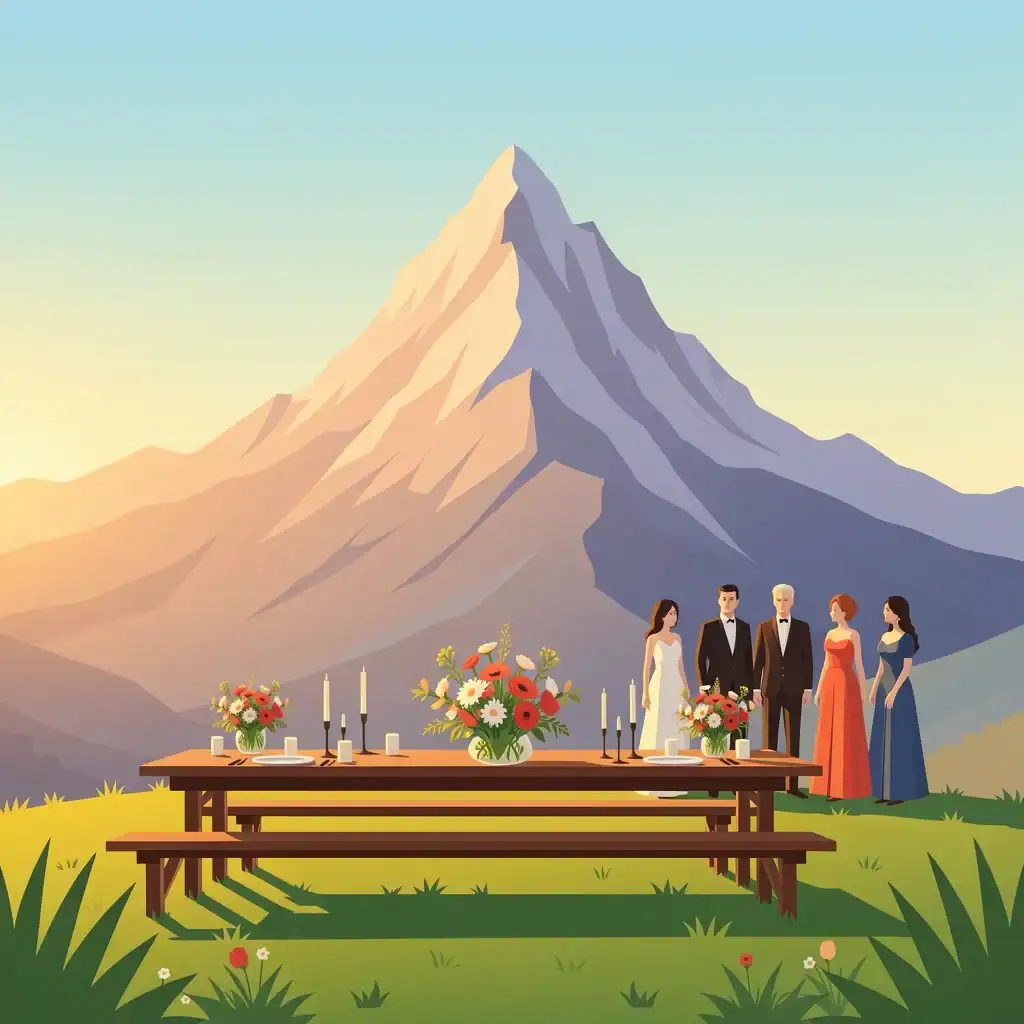
You have already decided that a small wedding is right for you. But you did not search for “small wedding” or “intimate wedding.” You searched for “magnificent micro wedding.” That distinction matters.
A micro wedding is not a big wedding with fewer people. It is a different event philosophy. When you limit your guest count, you unlock the ability to invest disproportionately in three areas: location access, guest experience design, and personal storytelling. The result is an event that feels larger than its size because every element carries amplified meaning.
This article explains how to build that kind of magnificence. I have planned and studied dozens of micro weddings, and the ones that succeed follow a clear pattern. It is not about budget or beauty. It is about intentional constraint.
What Makes a Micro Wedding Magnificent?

Magnificence in a micro wedding comes from one core idea: intentional constraint. When you cannot invite everyone and you cannot do everything, you are forced to choose what matters most. That choice, made well, creates an experience that a standard large wedding can never replicate.
Think of it this way. A large wedding spreads its resources across many guests, vendors, and logistics. A micro wedding concentrates everything. The ceremony becomes a shared ritual where every guest has a role. The dinner becomes a curated tasting menu rather than a buffet. The location becomes a private sanctuary rather than a crowded ballroom.
The key shift is moving from “how can we fit all the traditions into a small space?” to “what experience do we want our closest people to remember for a lifetime?” Once you answer that second question, magnificence follows naturally.
The Three Pillars of Micro Wedding Magnificence
Pillar 1: Location as Character
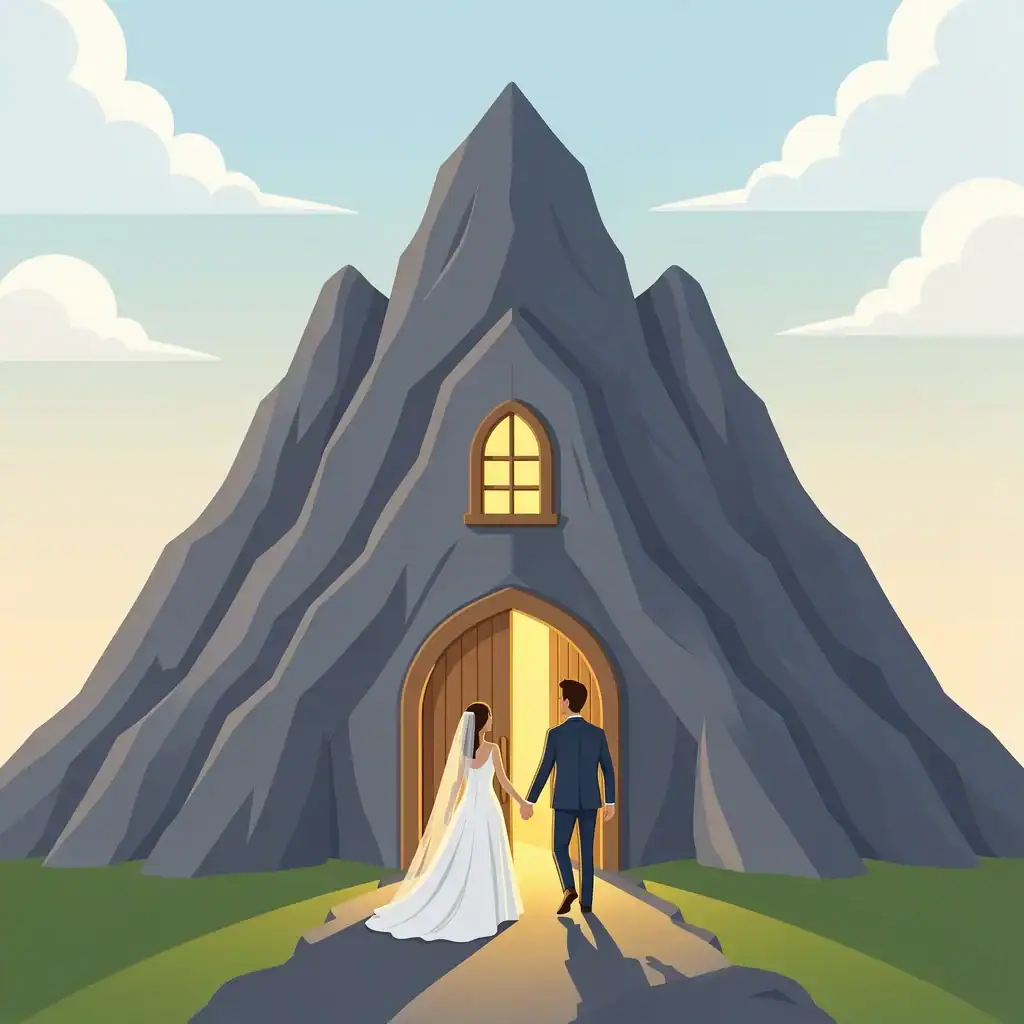
In a large wedding, the venue is a backdrop. In a micro wedding, the location is a co-host. It provides the atmosphere, the activity, and the memory all at once. You can choose places that would be impossible for 150 guests but perfectly achievable for 20: a private national park overlook, a remote alpine meadow reachable only by helicopter, an exclusive-use villa on a vineyard, or after-hours access to a museum.
The location should tell your story. For example, Louise and Dan chose Mount Rainier National Park because they were trail runners. The mountain was not just a pretty backdrop; it was the reason for the gathering. That personal connection made the location feel earned, not rented.
Pillar 2: Guest Curation as Design
Every guest must earn their place. This is not about exclusivity for its own sake. It is about ensuring that every person present contributes to the emotional temperature of the day. Do an energy audit: each guest should add more than they consume. Ask yourself: who will actively participate? Who will deepen the experience? Who will be a source of support rather than stress?
When you have only 20 people, you cannot afford a passive audience member. Every person should have a role in the ceremony, a meaningful conversation with the couple, or a shared activity during the weekend. The guest list becomes a design tool for the atmosphere you want.
Pillar 3: Resource Concentration as Luxury
The financial math of a micro wedding is liberating. A total budget of $30,000 for 20 guests means $1,500 per person for the experience. Compare that to $200 per person for a 150-guest wedding. That delta unlocks real luxury: a private chef, custom floral installations, a live acoustic musician, premium transportation, personalized welcome bags, and a next-day adventure.
The key is to spend on experience rather than volume. A single long farm table with wildflower centerpieces, served by a private caterer, creates more magnificence than a dozen round tables with generic centerpieces. The money goes into depth, not breadth.
The Intensity Per Guest Framework
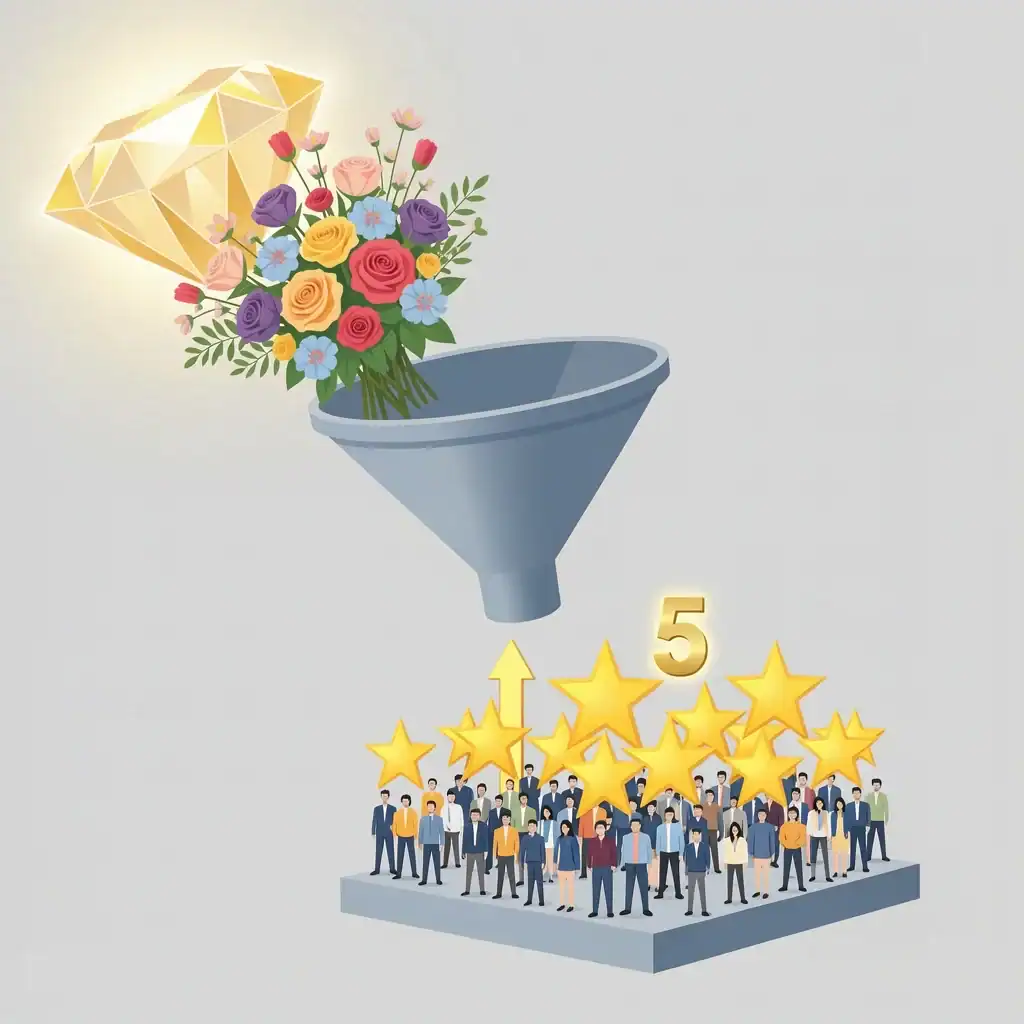
Here is a simple formula to evaluate any micro wedding decision:
Magnificence Score = (Total Investment × Emotional Resonance) ÷ Guest Count
Emotional resonance comes from personalization, location significance, and shared adventure. When you divide by a small guest count, the score naturally grows. A large wedding might have a high investment but low emotional resonance per guest and a high denominator. A micro wedding can achieve a higher score by increasing the numerator through intentional choices and keeping the denominator small.
Use this framework to test every decision. Does spending extra on a private chef increase emotional resonance more than adding a DJ? Does choosing a meaningful location increase it more than upgrading the linens? Let the Magnificence Score guide your trade-offs.
The Trade-Off Calculus — What to Sacrifice and What to Protect
No wedding can have everything. For micro weddings, the common tension points are clear. Here is how to decide where to invest and where to cut.
| Tension Point | Question to Ask | Tiebreaker |
|---|---|---|
| Photography vs. Reception | Do you hire a top-tier photographer for 8 hours or a lavish dinner for 20? | Which creates the stronger memory five years from now? If you will treasure the photos, invest there. If the meal is the heart of the gathering, invest there. |
| Location Access vs. Guest Comfort | A remote alpine meadow is magnificent but requires a hike. A luxury cabin is comfortable but less dramatic. | Know your guests. If they are adventurous, the hike becomes part of the story. If not, the cabin is the better choice. |
| Personalization vs. Professionalism | Handmade decorations feel intimate but may look amateur. Professional florals look polished but may feel generic. | Invest in professionals for the elements that will be photographed and remembered most (ceremony backdrop, table design). Do the personal touches for welcome bags, favors, and small details. |
A simple rule: for every trade-off, ask “Which choice will create the strongest memory five years from now?” Use that as your final tiebreaker.
Designing the Guest Experience from Arrival to Departure
Magnificence is not a moment. It is a journey that begins before the ceremony and continues after the reception. Structure the experience across three phases.
The Anticipation Phase

From the moment guests accept the invitation, build excitement. Send a welcome guide that includes travel tips, a schedule of the weekend, and a personal note. When Louise and Dan created customized gift bags with Rainier beer, cherry chocolate bars, sunscreen, bug spray, and a personal souvenir for each guest, they turned a simple welcome bag into a story about thoughtfulness.
Every touchpoint before the event sets the tone. Coordinate transportation, share a map of the area, and let guests know what to expect. When people travel far for a micro wedding, they need to feel that their journey matters.
The Immersion Phase
The ceremony and reception should flow as a continuous narrative. No dead time. Every moment has intention. For 20 people, you can afford a slower pace. Allow time for conversations, for toasts, for the couple to speak with every single guest. The ceremony should be participatory—ask guests to read, to witness, to share a word of blessing. The reception should feel like the best dinner party you have ever attended, not a scaled-down version of a 200-person party.
The Echo Phase
After the wedding, continue the connection. Send a shared photo album, a thank-you gift that references a moment from the weekend, or a date for a reunion. The magnificence of a micro wedding is best experienced over two or three days, with the ceremony as the centerpiece. Guests who spent a weekend together will remember it as a shared adventure, not just a single event.
Case Study in Magnificence — Louise and Dan’s Mount Rainier Micro Wedding
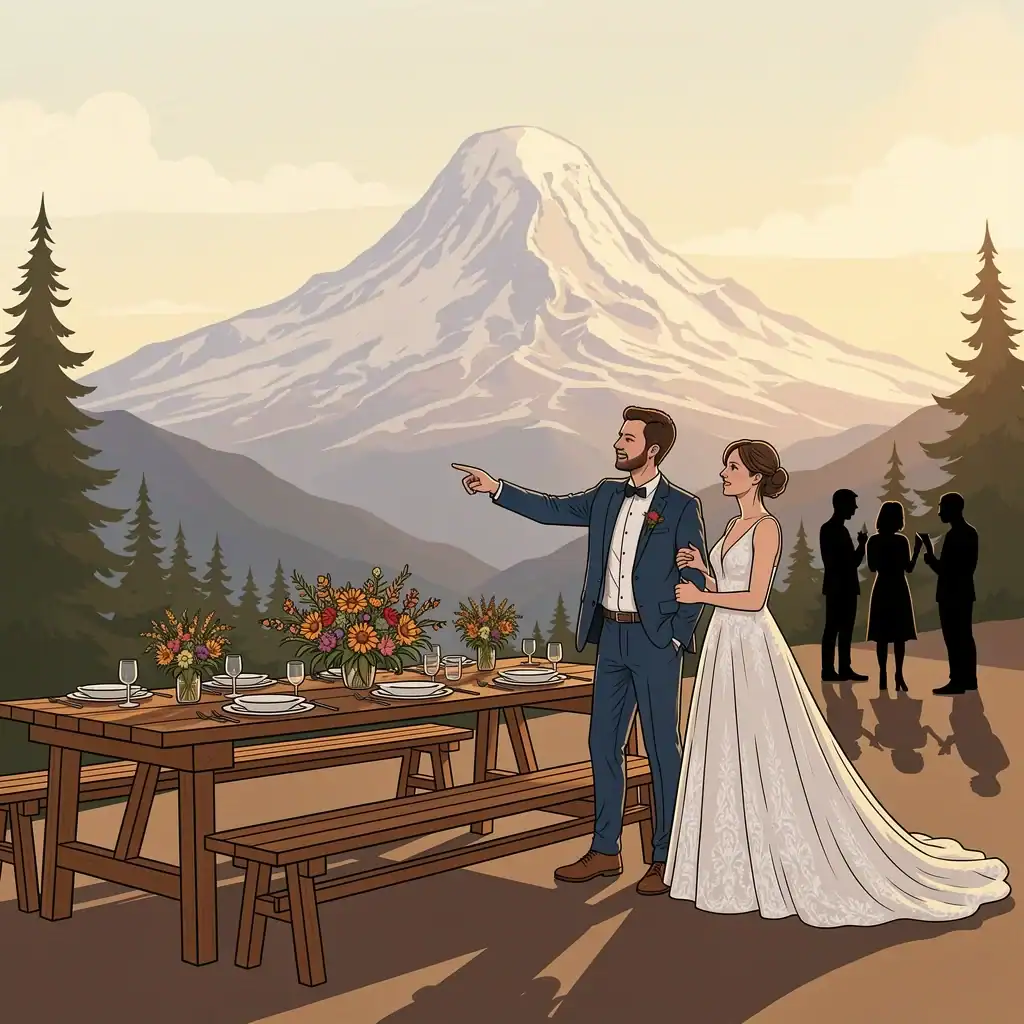
We already mentioned Louise and Dan, but their wedding is worth examining through the framework we have built. It illustrates every pillar.
- Location as Character: They chose Mount Rainier National Park. The mountain was not a backdrop; it was the reason. They are trail runners, so the location reflected their identity. The ceremony happened with the iconic peak behind them. Even a surprise landslide during vows felt like a blessing from nature.
- Guest Curation: They invited only immediate family and closest friends. Each guest received a customized welcome bag with a specific souvenir chosen for them—Rainier gin for the mother, a vintage park guide for a brother, a wildflower T-shirt for a sister-in-law. This level of personalization is only possible with a small guest list.
- Resource Concentration: They hired a private caterer (Miere Catering) who brought farm tables and benches for a single long table. Olympia Blooms created wildflower centerpieces that transformed the cabin into a woodsy wonderland. All of this was affordable because the guest count was small.
- Trade-Off: They sacrificed a traditional reception with a dance floor and DJ. Instead, they focused on an intimate dinner and a next-day adventure—running the Wonderland Trail together in matching outfits. That choice created a memory far stronger than any standard format could.
Their wedding scored high on the Magnificence Score because every element was chosen with intention. Not a single detail was filler.
The “Not Invited” Problem — How to Handle the People Who Aren’t There
This is the elephant in the room that no micro wedding content wants to address. When you invite 20 people, you are not inviting 100 others. It causes anxiety, guilt, and sometimes anger. Here is how to manage it.
The Announcement Strategiee
Frame your decision as a positive choice. Do not apologize. Say something like: “We decided to have a very small ceremony with only immediate family. It was the only way we could afford the intimate experience we wanted. We hope you understand that we made this decision from love, not exclusion.”
The Alternative Celebreation
Offer a post-wedding gathering, a live-stream of the ceremony, or a delayed reception for those who couldn’t attend. You can host a casual backyard party or a dinner at a restaurant a few weeks later. It does not have to be elaborate. The gesture matters more than the format.
The Script for Difficult Conversations
When a family member or friend demands to know why they weren’t invited, use this language:
- “We had to make a tough choice. We wanted a wedding that felt deeply personal, and that meant keeping it very small. It was not a reflection of how much we care about you.”
- “We understand if you are disappointed. We would love to celebrate with you in a different way after the wedding.”
- “This was the best decision for us as a couple. We hope you can support that.”
Give yourself permission to prioretize your experience. You are not being mean. You are being intentional. That is the heart of a magnificent micro wedding.
Frequently Asked Questions
How many guests define a micro wedding vs. a mini wedding?
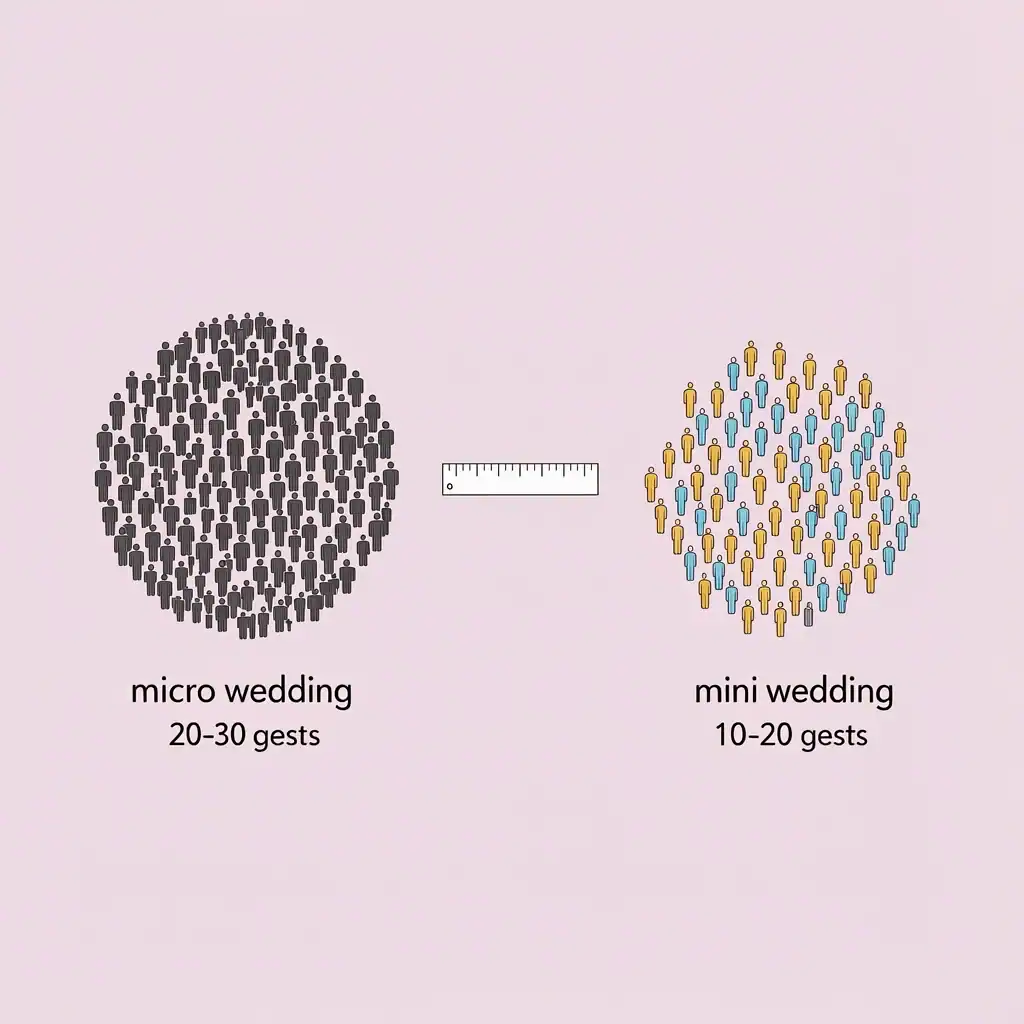
There is no universal rule, but the industry standard is 20 to 30 guests for a micro wedding and 10 to 20 for a mini wedding. What matters more is the intentionality behind the size, not the exact number.
Can a micro wedding still feel like a real wedding without a dance floor or DJ?
Absolutely. Magnificence comes from emotional resonance, not checklist completion. A seated dinner with live acoustic music, a shared adventure hike, or a evening by a fire pit can feel more meaningful than a crowded dance floor.
What is the ideal timeline for a micro wedding day?
Because you have fewer guests and fewer logistics, you can afford a slower pace. A sample timeline: 2:00 PM ceremony, 2:30 PM cocktail hour with mingling, 3:30 PM seated dinner, 5:00 PM toasts and dessert, followed by an informal evening. The whole thing can wrap by 8:00 PM, leaving time for a late-night campfire or stargazing.
How do you handle family pressure to invite more people?
Use the script above. Be firm but kind. Remind them that the guest list was the hardest part of planning. If the pressure continues, a short “we have already made our decision and we are excited about it” often ends the conversation.
Can a micro wedding be magnificent on a $10,000 budget?
Yes, if you concentrate wisely. With 15 guests, that is $666 per person. You can afford a beautiful location (a state park, a friend’s property), a personal chef, fresh flowers, and a photographer for a few hours. Magnifence is not about total spend; it is about allocation. Skip the rented decor and invest in the experience.