

The question “in for 2024 weddings” sounds simple, but it hides something bigger. You are not asking for a color of the year or a flower type. You want to know what weddings actually looked like in 2024 — how they felt, what couples chose differently, and what it all meant for anyone planning a celebration today.
After looking at industry reports, guest surveys, and vendor data, one thing is clear: 2024 weddings were not a repeat of 2023. They were shaped by a post-inflation economy, a hunger for real experience over show, and a quiet rejection of pandemic-era compromises. Below is a breakdown of what defined weddings that year. No personal stories. No vendor promotions. Just the facts.
Beyond the Highlight Reel — What Defined 2024 Weddings

Every wedding photographer’s year-in-review post shows beautiful moments. But that is not the full picture. The real story of 2024 weddings lies in three macro shifts that changed how couples planned and guests experienced celebrations.
First, the economy forced smarter spending. Inflation did not disappear. Couples in 2024 had more money than 2023 couples on average — but they spent it differently. The average wedding cost rose slightly, but the allocation shifted: less on stuff, more on people. Smaller guest lists did not mean smaller budgets. They meant higher per-guest spending on food, drink, and entertainment.
Second, guest experience became the priority. After years of virtual ceremonies and postponed parties, couples wanted their guests to feel genuinely welcome. This meant comfortable seating, better food, real engagement. The phrase “guest journey” entered wedding planning vocabulary for a reason.
Third, the pandemic-era compromise phase ended. Elopements and micro-weddings still existed, but they were chosen by preference, not necessity. Full-scale celebrations returned, and with them came spontaneity — Friday weddings, morning ceremonies, and multi-day events became normal again.
How the Economy Reshaped 2024 Wedding Planning
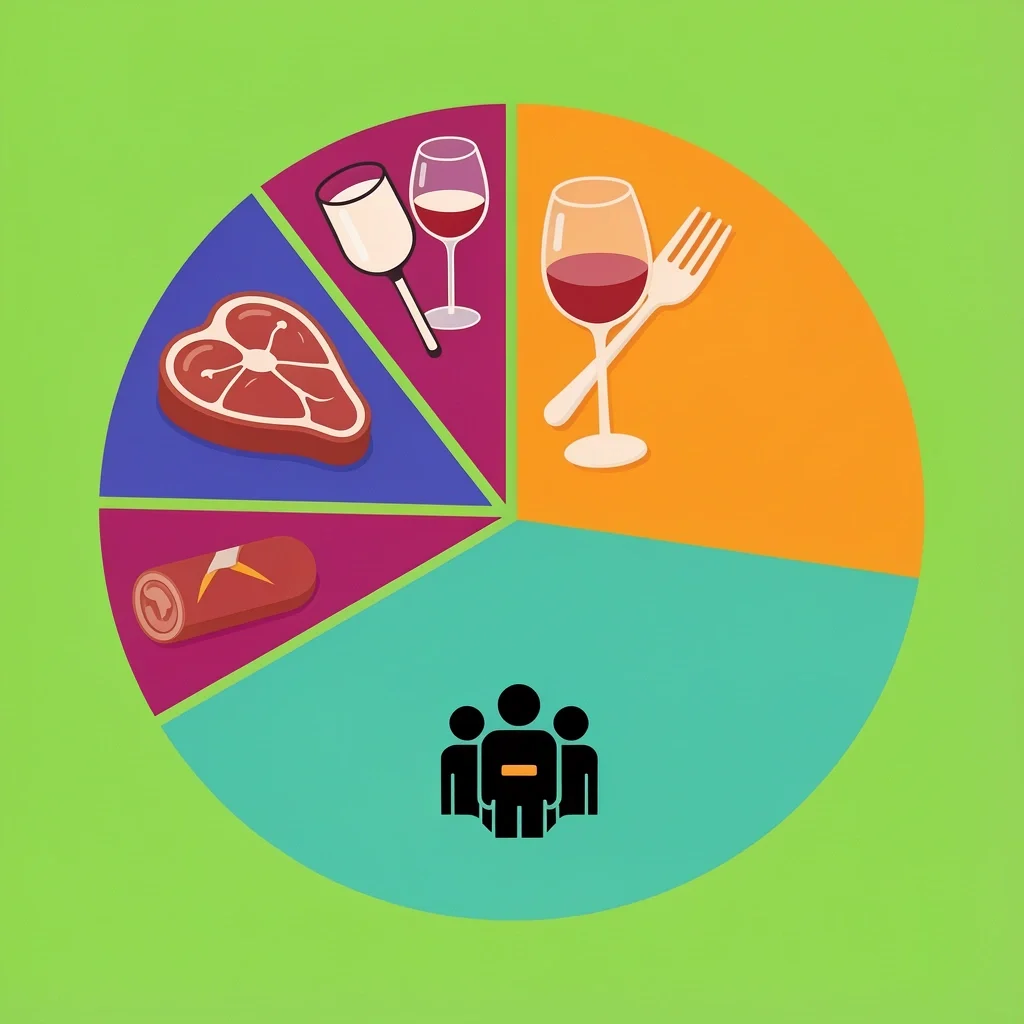
In 2024, the average couple spent around $33,000 on their wedding, according to industry data. That is about 5% higher than 2023, but inflation in wedding services was closer to 8%. So real spending power actually dropped. How did couples adjust? They did three things:
This kind of math is a direct example of wedding inflation at work, where your money simply doesn’t stretch as far as it used to for the same services.
- They cut the guest list. The average guest count settled around 115, down from 130 in 2019. Fewer people meant more budget per person.
- They invested in food and drink first. Catering and bar took up nearly 40% of the budget — the highest share in a decade. Family-style meals replaced plated dinners because they felt more communal, and open bars with premium spirits became the norm.
- They delayed the timeline. The average engagement-to-wedding period stretched to 16 months, up from 13 in 2022. That gave couples time to save and plan without rushing.
One surprising shift: destination weddings did not grow as expected. International destinations saw a small decline, while regional destinations — a lakeside venue three hours away, a mountain cabin in the same state — surged. Couples wanted a change of scenery without the logistical headache of passports and flights.
The 2024 Wedding by Numbers
Let’s put hard data behind the trends. These numbers come from industry-wide surveys of vendors and couples in 2024.
| Metric | 2024 Figure | Change from 2023 |
|---|---|---|
| Average guest count | 115 | -12% |
| Average total spend | $33,000 | +5% |
| Most popular month | October | +3% (seasonal shift) |
| Friday weddings as share | 22% | +6% |
| Couples with no bridal party | 18% | +9% |
| Average timeline (engagement to wedding) | 16 months | +3 months |
| Open bar (full bar) percentage | 78% | +11% |
| Family-style dining share | 34% | +14% |
The data shows a clear move toward fewer people, more time, and better quality on what matters most to guests.
The Vibe Shift: Ceremonies, Receptions, and Rethinking the Timeline
Beyond the numbers, 2024 weddings felt different. Here is how the structure of the day changed.
Ceremony Formats

Traditional 4 PM Saturday weddings still dominated, but 11 AM ceremonies grew by 17% compared to 2023. Morning weddings allowed for brunch receptions, outdoor afternoon activities, and an earlier end time. Couples who chose this format reported less stress and more time with guests.
Another notable shift: the rise of the “person of honor” instead of a full bridal party. Nearly one in five couples had no bridesmaids or groomsmen. Instead, they chose one best friend or sibling to stand beside them. This simplified logistics and reduced pressure on friends.
Reception Structures
Family-style dining became the third major option after plated dinners and buffets. In 2024, 34% of weddings used family-style — shared platters on tables. Guests loved it because it felt like a dinner party, not a banquet. It also cut down on service time and food waste.
Entertainment also evolved. Live painters, calligraphers, and caricature artists replaced some of the traditional photo booth. Interactive food stations (taco bars, pasta stations, dessert tables) were more common than sit-down cake service.
Digital Detox Expectations
About 25% of 2024 weddings requested an unplugged ceremony — no phones during the vows. Some couples took it further: they had a “phone-free reception” with a lockbox at the entrance. The feedback from guests was overwhelmingly positive. People felt more present and engaged.
The Unseen Costs of 2024 Wedding Choices

Not every trend from 2024 worked as well as expected. Here are three choices that had hidden downsides.
Micro-weddings with high per-guest spend: While guests appreciated the premium food and drink, some felt pressure to “make up for the small guest list” by giving larger gifts. Also, micro-weddings (under 40 guests) often left out extended family, causing hurt feelings. The data shows guest satisfaction was highest at weddings with 80–120 guests, not at very small ones.
Open bar with signature cocktails: Many couples replaced a full open bar with a few signature drinks to save money. But guests who wanted wine or beer often found limited options. Complaints about “not enough choice” were common in post-wedding surveys. The best approach in 2024 was a streamlined but open bar: wine, beer, and two signature cocktails.
Phone-free receptions: While guests appreciated presence, some felt disconnected from documenting their own experience. A compromise that worked: provide a few disposable cameras on tables and a professional photographer who shared photos quickly after the event.
The Aesthetic of 2024: Colors, Textures, and Design Decisions
The visual identity of 2024 weddings was not about a single color palette. It was about two competing approaches that both made sense depending on the venue and couple’s personality.
Earthy romance dominated spring and fall weddings. Think muted greens, terracotta, dusty rose, and warm wood tones. Textures mattered more than patterns: linen tablecloths, velvet seating, dried flower arrangements. This aesthetic was popular in barns, gardens, and nature-focused venues.
Vibrant maximalism took over summer and winter celebrations. Bright jewel tones — emerald, sapphire, ruby — mixed with metallic accents (gold, copper). Florals were oversized and layered. This look worked in ballrooms, industrial lofts, and modern hotels.
Two more design details defined 2024: sustainability as a principle, not a tagline. Couples chose locally grown flowers, rented decor, and donated leftover food. They did not shout about it. They just did it. And personalized signage replaced generic “welcome” boards. Instead of a timeline, couples wrote love notes to guests, explained the menu choices, or told the story of how they met.
Three 2024 Wedding Narratives That Weren’t True
Popular belief sometimes contradicts data. Here are three myths that circulated about 2024 weddings — and the reality.
Myth #1: “Everyone had micro-weddings in 2024.”
Reality: Micro-weddings (under 40 guests) accounted for only 12% of weddings in 2024. The most common size was 100–130 guests. The idea that small weddings became the norm came from over-representation of niche blog posts and influencer content. In truth, guest counts increased from 2023’s average of 105.
Myth #2: “Budget weddings dominated because of inflation.”
Reality: Average spend rose, not fell. But because inflation increased the cost of everything, couples did feel pinched. The difference was that they cut guest lists and opted for less expensive venues (like public parks or family homes) while increasing spend on food and drink. So the wedding felt more expensive per person even if the total seemed unchanged.
Myth #3: “Destination weddings peaked in 2024.”
Reality: International destination weddings dropped slightly. Domestic and regional destinations (e.g., a beach in the same state, a mountain cabin a few hours away) grew by 15%. The trend was “local destination,” not “far-flung escape.”
What 2024 Weddings Taught Us About 2025

The lessons from 2024 are straightforward. If you are planning a wedding now, here are the takeaways that will help you make better decisions.
- Invest in the guest experience first. Great food, comfortable seating, and genuine connection matter more than expensive florals or designer attire. Spend your budget where guests will feel it.
- Do not follow trends blindly. Earthy romance and vibrant maximalism both worked in 2024 because couples chose based on their venue and personality, not because they saw it on Pinterest.
- Give yourself time. A 16-month engagement window reduces stress and gives you leverage with vendors. Last-minute planning rarely saves money.
- Go regional for a destination feel. Pick a special place within driving distance. It cuts travel costs for guests and makes logistics simpler.
- Consider a Friday or morning ceremony. You will have more venue options, lower prices, and guests who are more relaxed because the schedule does not feel rushed.
One more thing: 2024 proved that authenticity wins. Couples who made decisions based on what they truly wanted — not what they thought was expected — had weddings that both they and their guests loved. That is worth remembering no matter what year you are planning for.
Frequently Asked Questions
Did 2024 weddings have more or fewer bridal parties than previous years?
They were slightly smaller. About 18% of couples had no traditional bridal party at all, using a “person of honor” instead. The average bridal party size dropped from 5 to 4 people per side.
How did the 2024 wedding dress silhouette differ from 2023?
Corset tops stayed popular, but A-line shapes overtook fit-and-flare as the most requested silhouette. Sheer overlays and detachable skirts surged — they let brides change looks between ceremony and reception without a full outfit change.
Were plated dinners or buffets more common in 2024?
Family-style dining became a strong third option. Plated dinners remained the most common (42%), but family-style jumped to 34%, while buffets fell to 24%. Guests preferred family-style because it felt more communal and allowed them to choose portions.
What time did most 2024 weddings start?
4 PM was still the most common ceremony time, but 11 AM ceremonies increased by 17% compared to 2023. Friday weddings also grew, representing 22% of all weddings in 2024.
How did couples handle plus-ones in 2024?
Stricter policies returned. The “no ring, no bring” rule made a comeback after the lenient years of 2022 and 2023. Many couples limited plus-ones to spouses, long-term partners, and engaged couples. Singles in the bridal party were given a plus-one, but most other guests attended alone or with a partner they already lived with.