
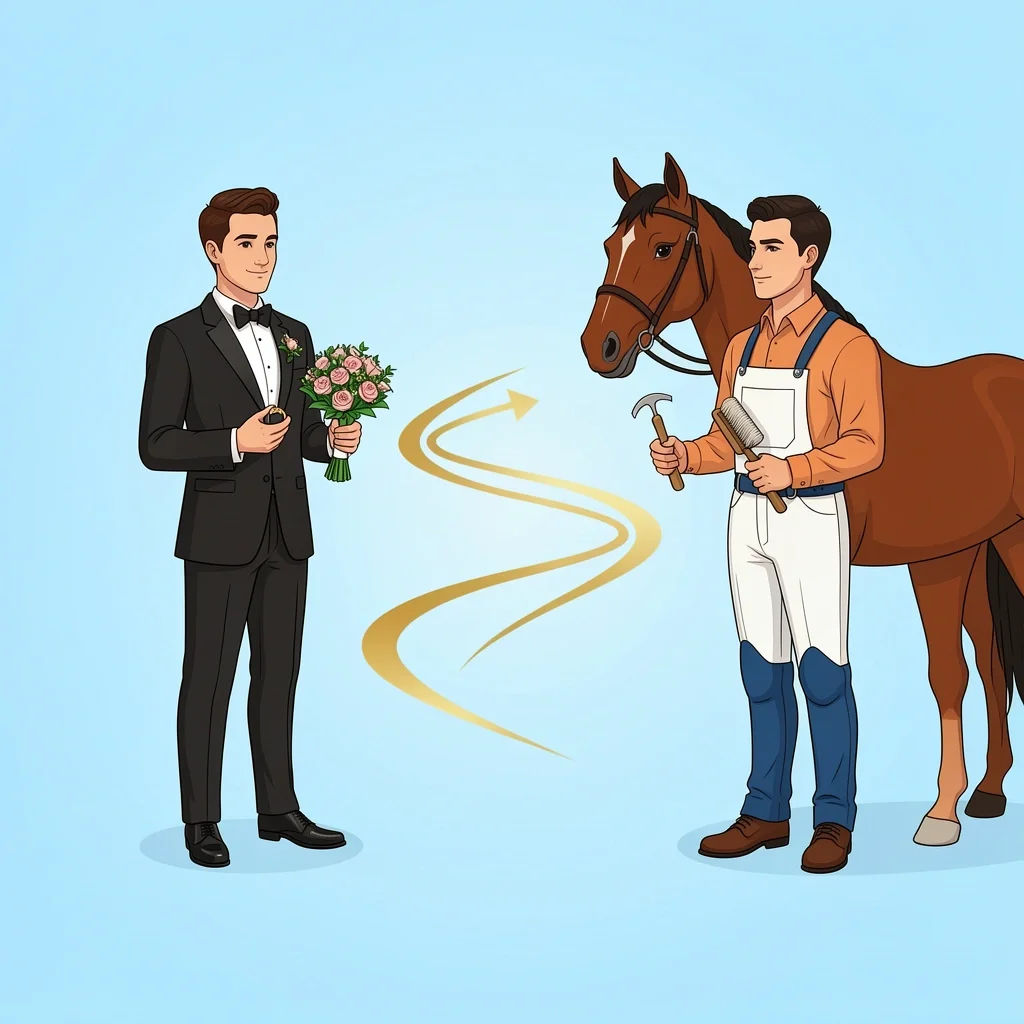
If you searched for “what does the groom do,” you probably landed here for one of two reasons. You are getting married and need to know your role, or you are curious about working with horses. Both answers matter, and this guide covers them clearly.
For the wedding part, I have been a groom myself, and I have helped dozens of grooms get through their big day without panic. The modern groom does a lot more than show up and pay bills. You are a co-planner, a day-of leader, and the person who keeps the mood calm when things go wrong. Here is exactly what that looks like.
The Financial Blueprint: Money Responsibilities for the Groom and His Family

Money talk makes everyone uncomfortable. But I learned the hard way that avoiding it leads to fights. Start with what is traditionally expected, then adjust it to your real situation.
What the Groom Pays For Personally
These costs fall on you, not your parents. The engagement ring and the brides wedding band are your responsibility. You also pay for your own attire, whether you buy or rent it. Gifts for your groomsmen come from you, not from your family. Some couples also expect the groom to chip in for the honeymoon, but many split this cost now.
What the Grooms Family Traditionally Covers
In traditional etiquette, the groom’s family pays for the rehearsal dinner, the marriage license, and the honeymoon. They also cover the officiants fee or a cash gift, the brides bouquet and personal flowers, and the transportation for the couple leaving the reception. I have seen this work well when families have the money and want to contribute. But it is not a rule anymore.
The Modern Reality Check
Here is what I tell every groom I work with: Most couples now pay for their own wedding. Do not assume your parents will cover these costs. Have an honest conversation with your partner first, then talk to both families together. Say something like, “We are planning our budget and want to know if anyone would like to contribute. No pressure either way.” That keeps the door open without demanding anything.
The Active Doer: Grooms Logistical Responsibilities Before the Wedding
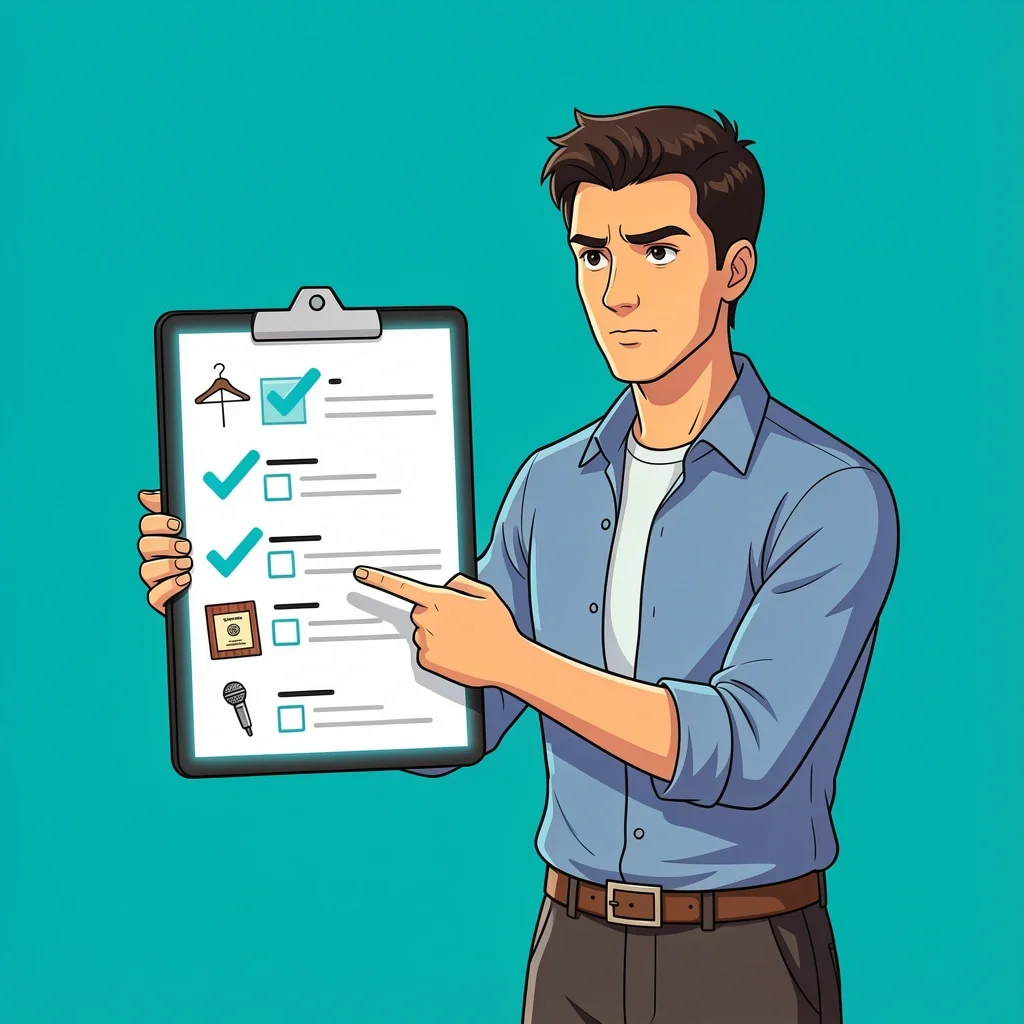
Waiting for someone to hand you a to-do list is a mistake. The best grooms I have seen take ownership of specific tasks. Here is what you actually need to handle before the big day.
Build Your Pre-Wedding Punchlist
Write these down and check them off. They are not optional:
Finalize your side of the guest list with names and addresses for invitations. Coordinate groomsmen attire so everyone gets measured and orders on time. Plan the bachelor party or delegate it to the best man, but approve the plan so you are not surprised. Secure the marriage license with your partner. This is paperwork, but missing it stops the wedding. Write your groom’s speech weeks in advance, not the night before. Confirm logistics for the rehearsal dinner if your family is hosting.
One thing I always recommend: Become the primary contact for at least one vendor. Pick the bar, the DJ, or transportation. This takes pressure off your partner and makes you a true partner in the planning.
Manage the Groomsmen
Your groomsmen want to help, but they need direction. Send a group message three months out with the date, time, and dress code. Remind them about fitting appointments. Assign one calm groomsman as your “handler” for the wedding day. That person keeps you on schedule, holds your phone, and handles small emergencies so you do not have to.
The Day-Of Commander: What the Groom Does on the Wedding Day
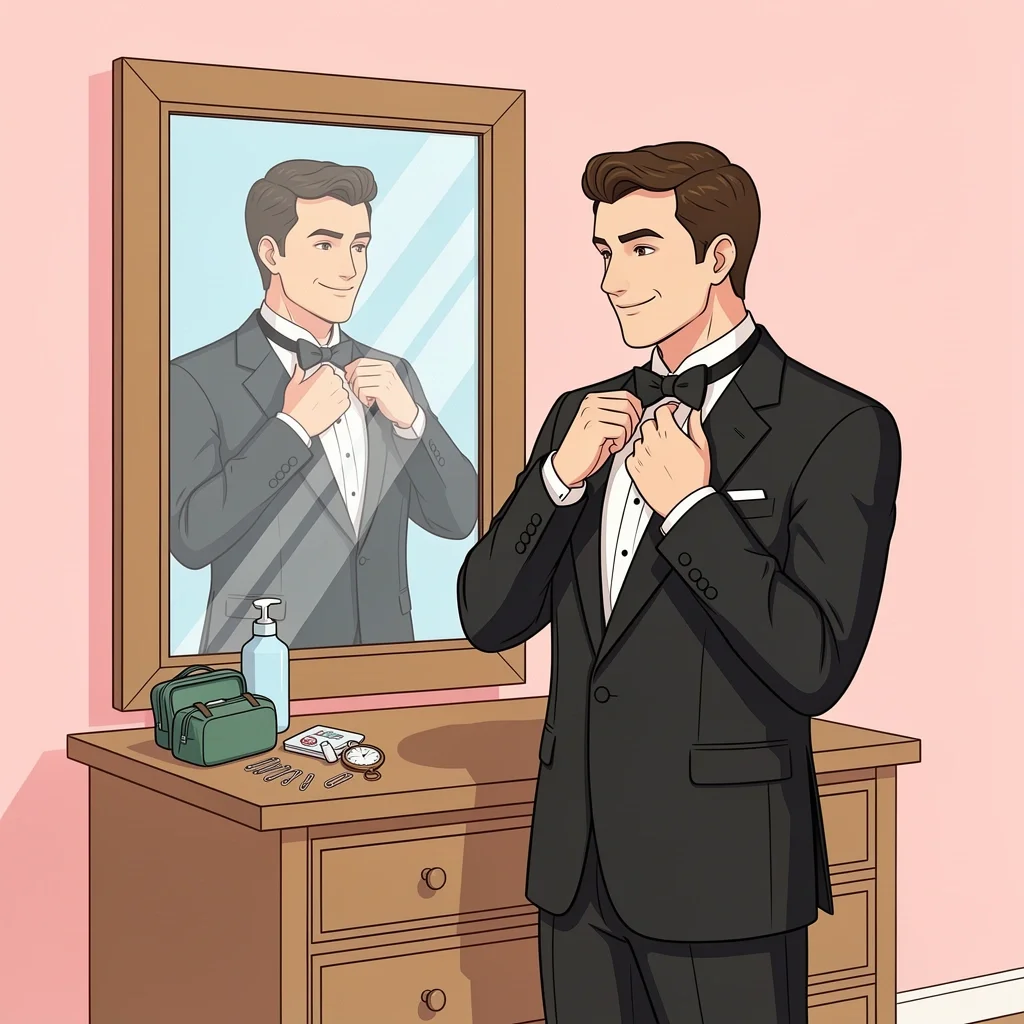
This is the part that causes the most anxiety. I remember standing in my suit wondering what to do with my hands. Here is a practical hour-by-hour breakdown so you know exactly what to do from morning to night.
Morning Preparation
Wake up early enough to eat a real breakfast. Pack a small emergency kit for your suit: stain remover wipes, extra cufflinks, safety pins, and breath mints. Get dressed in a room with your groomsmen, but keep the energy calm. Too much loud music or drinking leads to mistakes. Decide with your partner if you want a first look before the ceremony. I recommend it, because it calms your nerves and gives you private time before the crowd arrives.
Pre-Ceremony Steps
Arrive at the venue at least 45 minutes before the ceremony starts. Greet early guests if the setting allows. Take deep breaths. I suggest stepping outside for two minutes of quiet before you walk down the aisle. This is your moment to reset.
During the Ceremony
Walk at a natural pace, not too fast. When you reach the front, look at your partner, not the crowd. Hold hands firmly but gently. Listen to the officiant and respond clearly. The kiss should be natural, not rehearsed. Then walk back down the aisle together. That is it. You survived the hard part.
Reception Responsibilities
I have seen grooms freeze during the reception because they did not know their cues. Here is the order:
- Greet guests at the receiving line or during cocktail hour.
- Give your speech after dinner but before dancing. Keep it under three minutes. Thank your parents, your partner’s parents, your partner, and the wedding party.
- Lead the first dance. You do not need to be a great dancer. Just hold your partner and move slowly. Look at them, not your feet.
- The garter toss. This is the ritual where you remove the garter from your partner’s leg. Do it playfully and with their consent. Some couples skip this entirely, and that is fine.
- Thank key people during the evening, especially parents and vendors.
One piece of advice that saved me: Have a designated “groom handler” manage your timeline. That person reminds you when to move to the next activity so you are not caught off guard.
The Groom’s Ancillary Roles: Garter, Speeches, and the Night Before
What Does the Groom Do With the Garter
The groom removes the garter from under the brides dress, usually with his hands or teeth, during the reception. It is a playful tradition that mirrors the bouquet toss. After removing it, he tosses it to the unmarried men in the crowd. Many couples modernize this by making it a private moment or skipping it. Communicate with your partner about comfort levels beforehand.
What Does the Groom Do the Night Before the Wedding
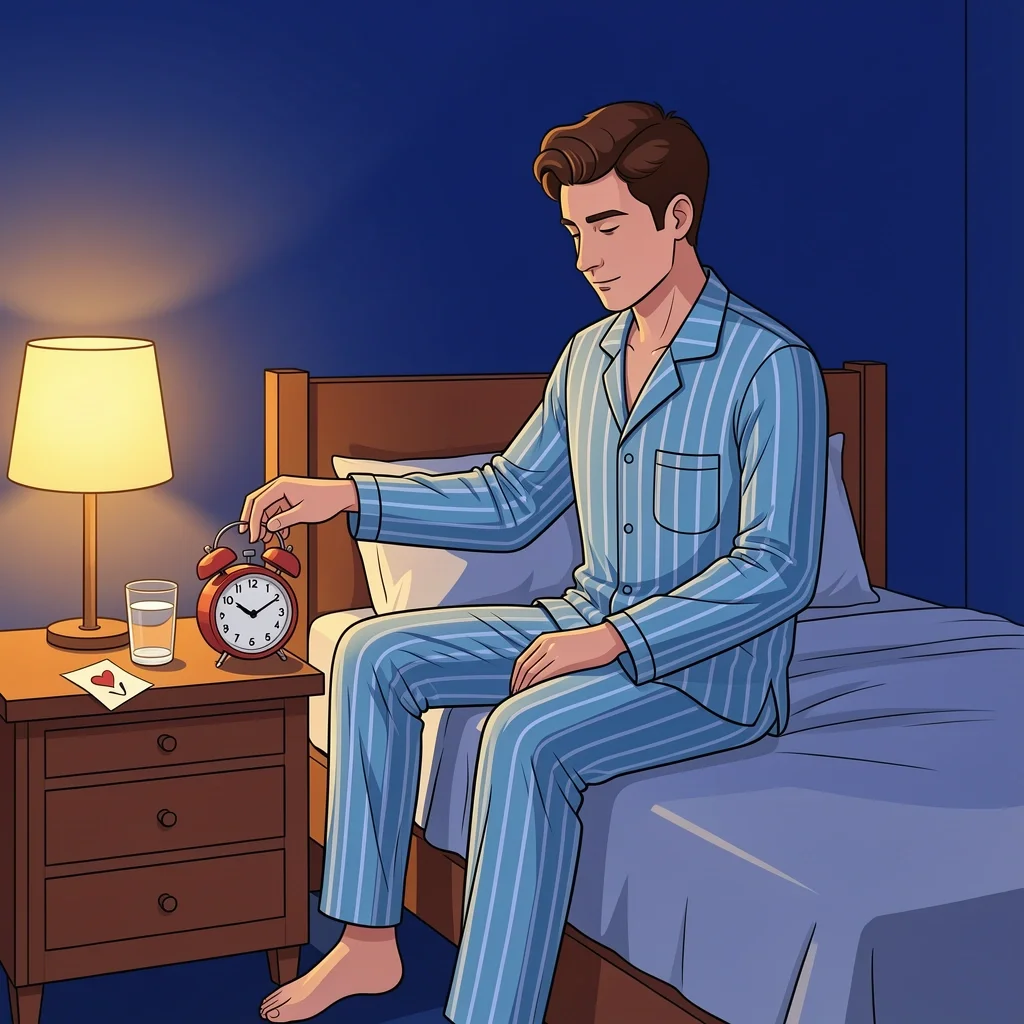
I tell every groom to sleep separately from their partner the night before. It reduces morning chaos and gives both of you space. Set three alarms. Drink water, not alcohol. Eat a light dinner. Have your “groom handler” confirm that all attire, rings, and documents are ready. Go to bed early because the day starts before sunrise.
The Other Groom: Duties of a Horse Groom
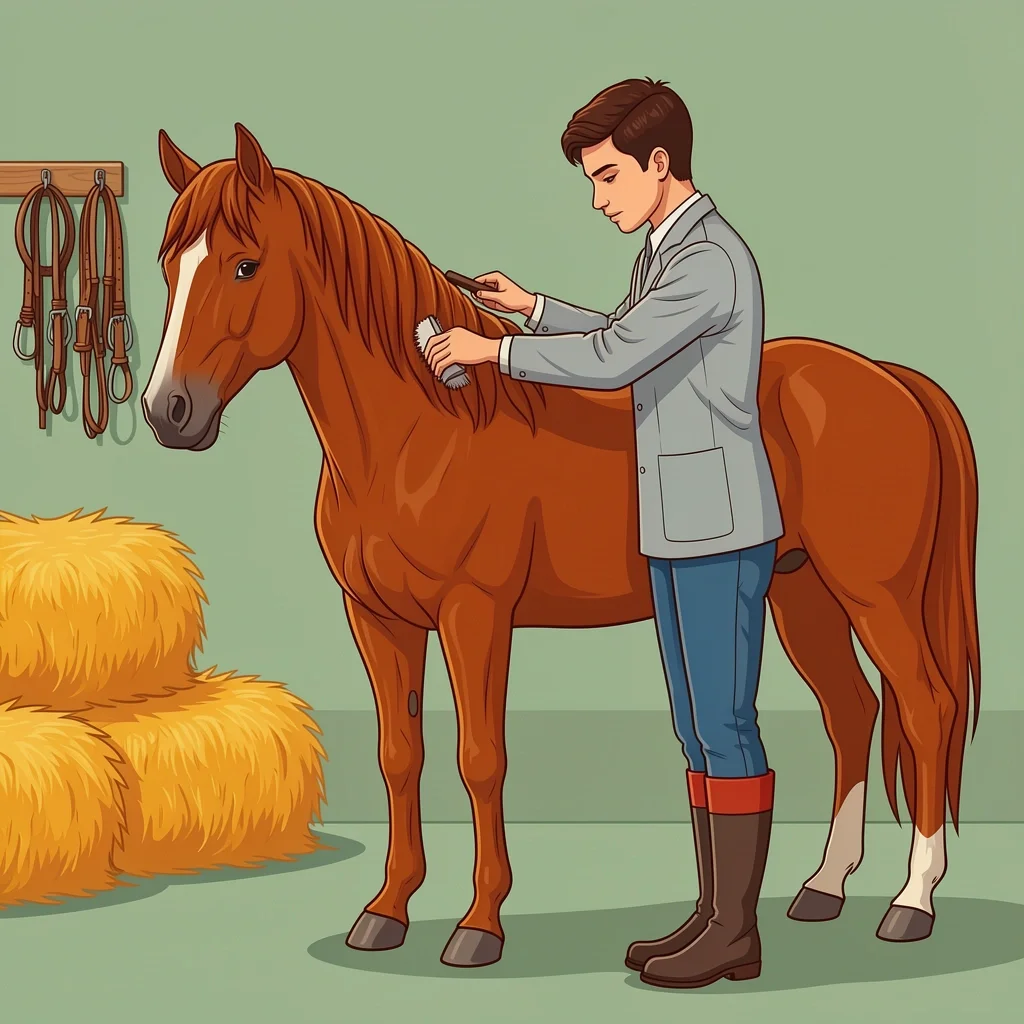
If your search for what does the groom do was about horses, here is the professional overview. A horse groom, sometimes called a stable groom, is a working professional who cares for horses in racing stables, riding schools, or private barns. This is a physically demanding career that requires early mornings and strong attention to detail.
Core Daily Duties
The job starts before dawn. You feed the horses, water them, and clean their stalls. You check each horse for signs of injury or illness, such as lameness or colic. You groom the horses with brushes and hoof picks, and you prepare them for riding or racing by tacking them up. After exercise, you bathe and cool them down. You also clean and store all tack like saddles and bridles.
Health and Monitoring Responsibilities
A good groom notices small changes. You watch for swelling, heat in the legs, or changes in appetite. You administer medications as directed by a veterinarian. You keep records of each horses health and behavior. In racing, you also band legs for support and braid manes for competition.
The Lifestyle and Pay
This is not a nine to five job. Grooms work weekends and holidays when horses need care. Pay varies widely. With housing provided, grooms often earn less cash but save on rent. Without housing, pay tends to be higher. Expect starting wages around $30,000 to $40,000 per year in the United States, with experienced grooms at top stables earning more. Many grooms advance into head groom or stable manager roles after several years.
If you love being around horses and do not mind hard physical work, this can be a rewarding career. But I do not sugarcoat it: you will be tired, dirty, and underpaid compared to office jobs. The tradeoff is working with animals every day.
Frequently Asked Questions
Does the groom pay for the honeymoon?
Traditionally yes, but many couples now split the cost or pay for it themselves. It is also common for the grooms family to gift the honeymoon as their contribution.
What does the groom wear to the rehearsal dinner?
Wear something a step down from your wedding attire but still polished. A nice blazer or suit in a color that complements the wedding theme works. Avoid wearing your actual wedding outfit.
Can the groom see the bride before the ceremony?
Yes, and many couples choose a first look. It gives you private time together, reduces ceremony anxiety, and allows for better photos. Discuss it with your partner early in planning.
How many groomsmen should I have?
Match the number of bridesmaids if you can, but it is flexible. The size of your wedding party affects ceremony space and reception seating. Keep the group manageable for coordination.
What does a horse groom do at a race track?
At a racetrack, the groom cares for the horse before and after races. They walk the horse to the paddock, ensure it is properly tacked, and cool it down after the race. They also manage the stable area and communicate with the trainer about the horses condition.