

When I planned my own wedding, I spent weeks stressing over the right gift for the person who would marry us. My officiant was a close friend who had gotten ordained online just for our ceremony. I knew I wanted to thank her, but I wasn’t sure what was appropriate. Should I give cash? A personalized item? And when was I supposed to hand it over?
If you’re asking the same questions, you’re not alone. The truth is, a wedding gift for your officiant depends entirely on who they are to you. A professional rabbi and your college roommate who got ordained do not expect the same thing. This guide walks you through the decision framework, the best gift ideas for each scenario, and the etiquette you need to know.
Do You Actually Need to Give Your Officiant a Gift?

Let’s clear up the biggest question first. A gift is not mandatory, but it is expected in certain situations. Here’s how to decide:
- Professional officiant (clergy, justice of the peace, or hired celebrant): You are already paying a fee or making an honorarium donation. A handwritten thank-you card is enough. A small gift is thoughtful but not required.
- Close friend or family member who officiated for free or at a reduced rate: A gift is strongly expected. They gave up their time and emotional energy. A meaningful gift shows your appreciation.
- Friend or family member who also gave you a wedding gift (money or physical): They are already acting as a guest and a participant. A gift for officiating is still appropriate, but it can be smaller or more personal.
If you are paying a professional, the payment is the thank-you. If a friend or family member is doing it out of love, the gift is the real thank-you.
How to Choose the Right Gift Based on Your Relationship
Instead of a random list, think about three categories. Each one has a different budget, timing, and gift type.
For a Professional Officiant (Pastor, Rabbi, JP, or Celebrant)
These officiants perform weddings as part of their job. A gift should be professional, respectful, and not too personal. Stick to a modest budget of $50 to $100, or less if you already paid a fee.
- Best gift types: Practical items, gift cards, or consumables (wine, chocolate, coffee). Avoid anything overly sentimental or inside jokes.
- When to give: At the rehearsal dinner or after the ceremony. Do not interrupt the ceremony to hand it over.
- Examples: A nice journal, a leather pen, a gourmet food basket, or a donation to their religious organization in their name.
For a Friend Who Got Ordained Just for You
This person went out of their way to officiate. They likely spent time writing a personal ceremony. A gift should reflect your friendship and their effort. Budget $50 to $150.
- Best gift types: Personalized items, experience gifts, or something that matches their hobbies.
- When to give: At the rehearsal dinner, so they can wear or use it on the wedding day. Or during the reception.
- Examples: Custom cuff links, a monogrammed tie bar, a pet portrait, a bottle of wine with a custom label, or a gift certificate to their favorite restaurant.
For a Family Member Who Officiated
When a parent, sibling, or cousin marries you, the lines between family and officiant blur. A gift should acknowledge the dual role. Budget $50 to $200, depending on your relationship.
- Best gift types: Sentimental items that reference your bond, or something they can use in their daily life.
- When to give: At the rehearsal dinner or a private moment before the ceremony. Avoid giving a gift during the ceremony itself.
- Examples: A framed photo of the two of you from the wedding, a custom blanket with their name and the wedding date, a tree they can plant in their yard, or a weekend getaway for them and their spouse.
When and How to Present the Gift
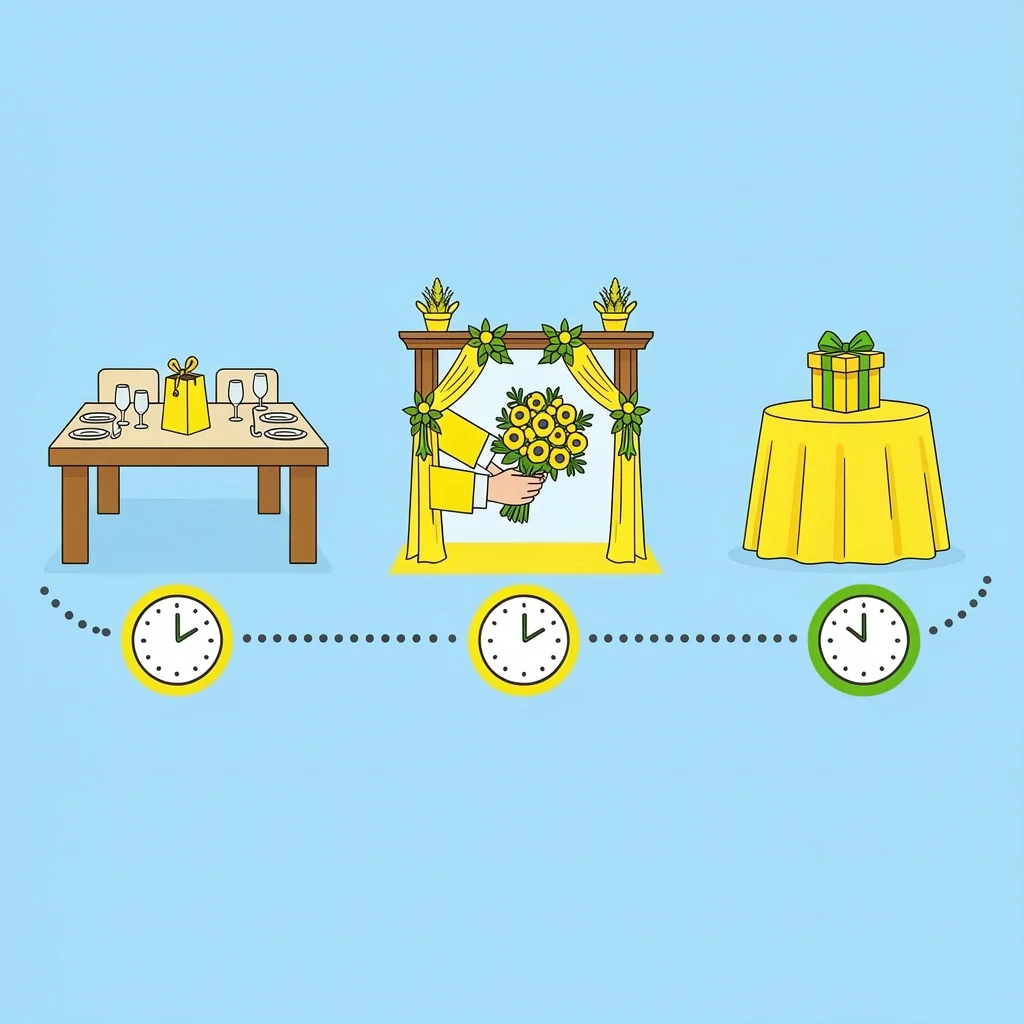
This is the part most articles skip. Timing matters. Get it right and the gift feels natural. Get it wrong and it feels awkward.
- Rehearsal dinner: Best for personalized items like cuff links, tie bars, or jewelry. They can wear them during the ceremony. Also works for a heartfelt card.
- Right after the ceremony: Good for a bouquet of flowers, a bottle of wine, or a small gift bag. Hand it to them privately, not during the receiving line.
- Reception: If you are having a sweetheart table, you can ask a coordinator to bring the gift to the officiant’s table. Or present it during a toast.
- After the wedding (mail or hand-deliver): Perfect for larger gifts, personalized items that need time to be made, or if you simply forgot. A note explaining your gratitude is essential.
If your officiant is a professional, give the gift before the ceremony or after. Do not expect them to open it in front of you.
Etiquette for Officiant Gifts
Here are the unspoken rules that will save you from embarrassment.
- Cash is for professionals, not friends. If you hire a JP, pay the fee. If a friend officiates, give a physical gift or an experience. Cash can feel like you are paying them for a favor.
- Alcohol is tricky. Some clergy abstain. Some friends don’t drink. Know their preferences. If in doubt, give a non-alcoholic gift.
- Group gifts work. If multiple couples are involved in the wedding (like a sibling who officiated for their brother), you can pool money for a larger gift.
- Always include a card. Write a few sentences about what their words meant to you. A generic “thank you” is lazy.
- If the officiant declined payment, still give a gift. They are not expecting money, but a token of appreciation is even more important.
Curated Gift Ideas by Officiant Type
Below are specific recommendations. Each one includes which officiant type it best suits.
For a Professional: Leather Journal and Pen Set

This is a classic, professional gift. A bound leather journal with a matching pen shows respect. They can use it for future ceremonies or personal notes. Suits: pastors, rabbis, justices of the peace.
For a Friend: Custom Pet Portrait Cuff Links
If your friend loves their pet, these cuff links are a conversation starter. They can wear them at the wedding. Suits: close friends, especially if they are wearing a suit or tuxedo.
For a Family Member: Personalized Wooden Box
A small wooden box engraved with your wedding date and a short message. They can store keepsakes from the day. Suits: parents, siblings, grandparents.
For Any Officiant: Fresh Flower Delivery
Send a bouquet to their home the day after the wedding. It’s a surprise and a reminder of the day. Include a vase. Suits: all types, but especially professionals who appreciate a clean, non-personal gift.
For a Friend: Engraved Wine Bottle
A bottle of wine with a custom label like “Thank you for marrying us” and the date. Pair it with a note. Suits: friends who drink wine. Avoid for clergy who abstain.
For a Professional: Gift Card to a Local Restaurant
A $50 gift card to a nice restaurant near the venue. They can treat themselves after the ceremony. Suits: hired officiants, especially if you don’t know their personal tastes.
For a Family Member: Photo Album of the Ceremony
After the wedding, print a few professional photos of the officiant during the ceremony. Put them in a nice album. Add a personal note. Suits: family members who will treasure the memory.
For a Friend: Funny Officiant Socks
If your friendship allows humor, socks that say “Officiant, what I say goes” are a lighthearted gift. They can wear them under their suit. Suits: close friends with a sense of humor.
Frequently Asked Questions
Can I give my officiant alcohol or wine as a gift?
Only if you are sure they drink. Many clergy members do not consume alcohol. A fruit basket or gourmet coffee is a safer alternative. If you know they enjoy wine, a custom-etched bottle is a great personal touch.
Is it appropriate to give cash or a check to a friend who officiated?
No, unless the friend explicitly asked for it. Cash can feel transactional. A physical gift or an experience (like a dinner gift card) shows more thought.
What if my officiant is also a wedding guest—do they get two gifts?
You do not need to give a separate wedding gift and officiant gift. If they are a guest, they likely already gave you a wedding gift. A small token of appreciation for officiating is enough—something like a bottle of wine or a personalized item. Do not double up on expensive gifts.
Should the gift match the formality of the ceremony?
Yes. A black-tie wedding calls for a more elegant gift, like a sterling silver pen or a high-end journal. A casual backyard wedding can handle a funny mug or a custom planter. Match the gift to the vibe.
How do I handle gift-giving if the officiant is from a different culture or religious tradition?
Research their traditions. Some cultures expect a monetary gift in an envelope. Others prefer a symbolic item. When in doubt, ask the officiant directly or consult someone from their community. A respectful question is always better than a wrong guess.
At the end of the day, the best wedding gift for your officiant is one that comes from a place of genuine gratitude. They helped you start your marriage. A thoughtful gift, paired with a sincere card, will mean more than any price tag.