
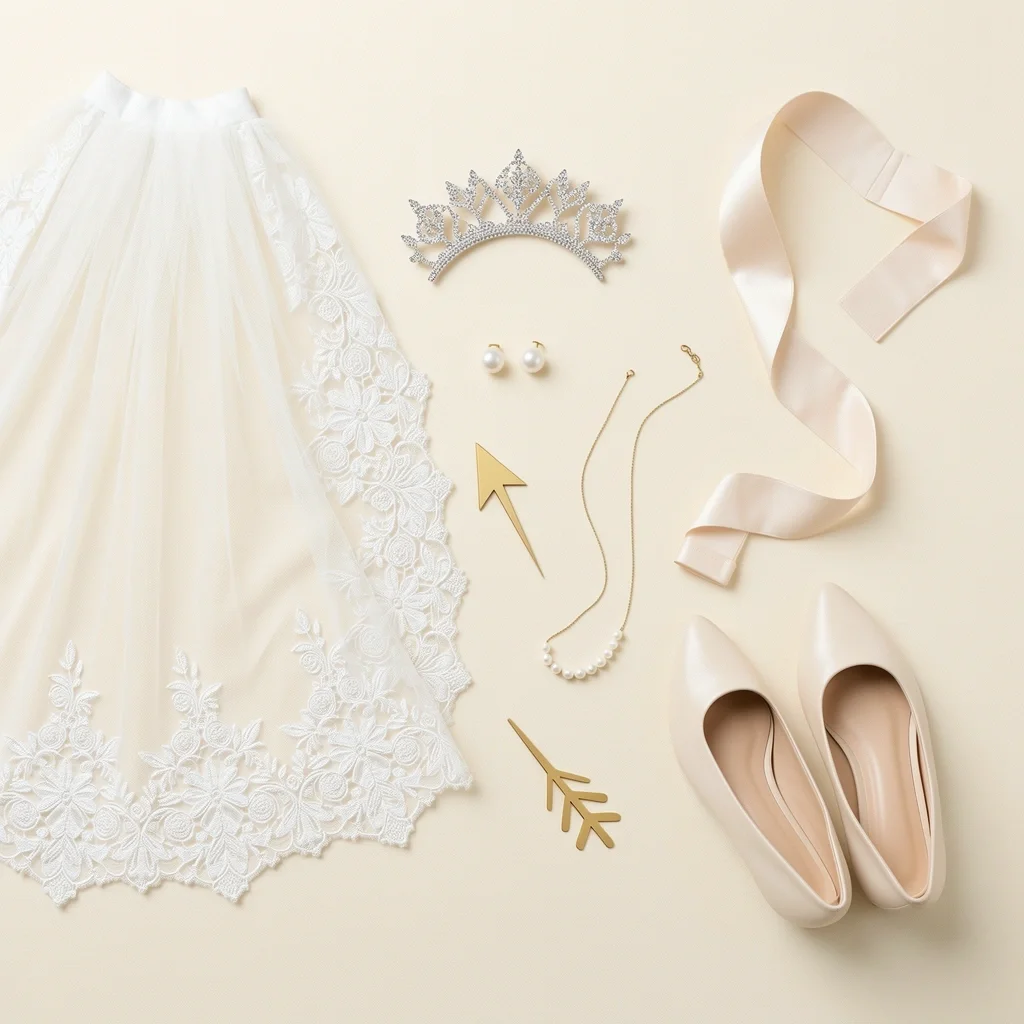
Choosing your wedding dress is only part of the story. The right bride wedding accessories can completely change how you look and feel from morning to reception. But with so many options, it is easy to feel lost. This guide walks you through every category, helps you match pieces to your dress, and gives you a timeline so nothing gets forgotten.
Types of Bride Wedding Accessories
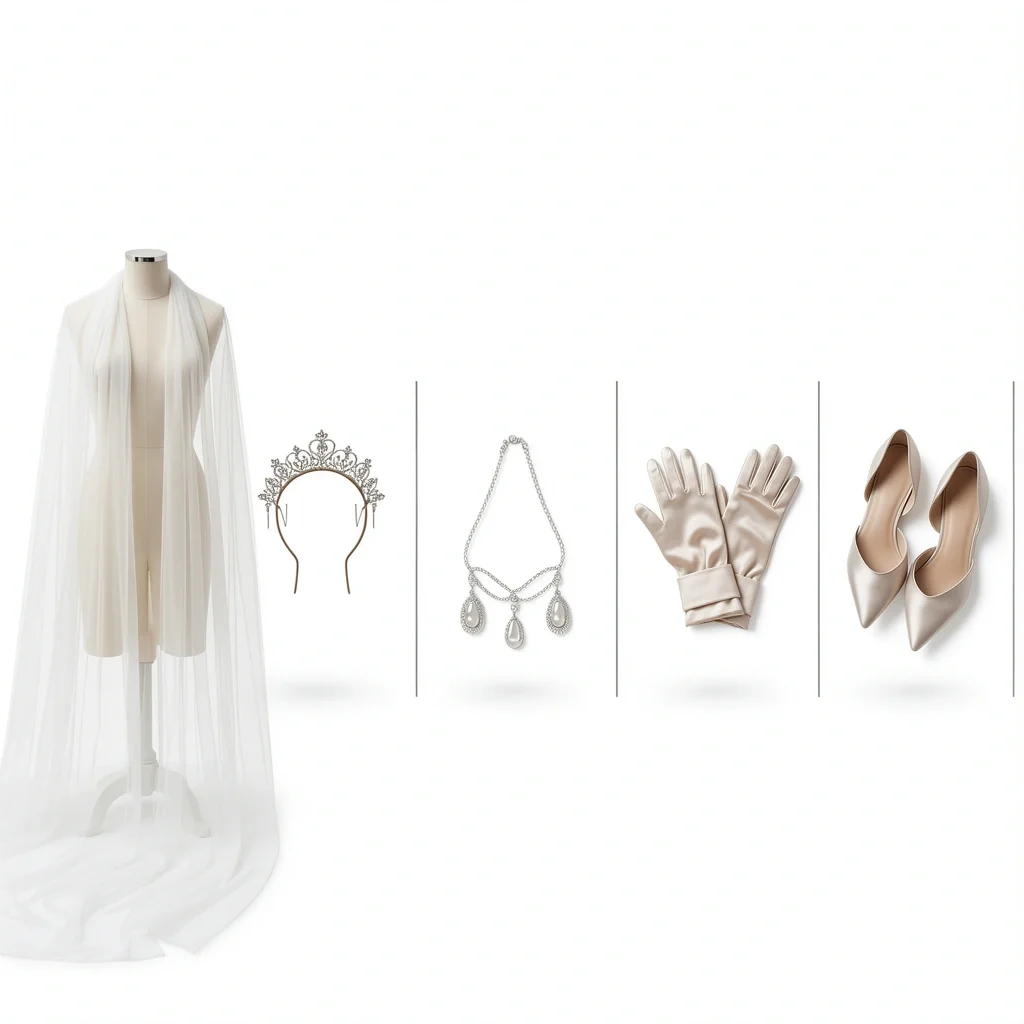
Accessories fall into clear categories based on where and when you wear them. Knowing the basic types helps you build a collection that works together.
Veils and Capes
A veil is the classic ceremonial piece. It adds softness and structure to your silhouette. Capes are a modern alternative that drape over your shoulders and back, adding movement without covering your face. Both work for the ceremony and can be removed for the reception.
Headpieces
Headpieces include tiaras, crowns, combs, pins, and headbands. They sit in your hair and draw attention to your face and hairstyle. A single delicate hairpin can be enough for a minimalist look, while a crystal tiara makes a bold statement.
This selection process is further detailed in our complete guide to hair wedding accessories, which covers styling and security tips.
Jewelry
Bridal jewelry usually includes earrings, a necklace, a bracelet, and sometimes rings. The key is to choose pieces that complement your neckline and dress fabric. For example, a sweetheart neckline calls for a pendant or statement necklace, while a high neck works best with drop earrings.
Gloves and Sleeves
Gloves add a vintage or elegant touch. They can be short (wrist-length) or long (elbow or above). Sleeves are detachable pieces that cover your arms and shoulders. They are great for brides who want more coverage during the ceremony but prefer bare arms for dancing later.
Belts and Sashes
A belt or sash wraps around your waist to define your shape and add sparkle or color. They work especially well with A-line and ballgown silhouettes, creating a visual break between the bodice and skirt.
Shoes and Footwear
Your shoes should be comfortable enough to stand and dance in for hours. Consider the heel height, material, and color. Many brides choose ivory, nude, or metallic tones that blend with the dress.
Choosing Accessories for Your Dress Silhouette
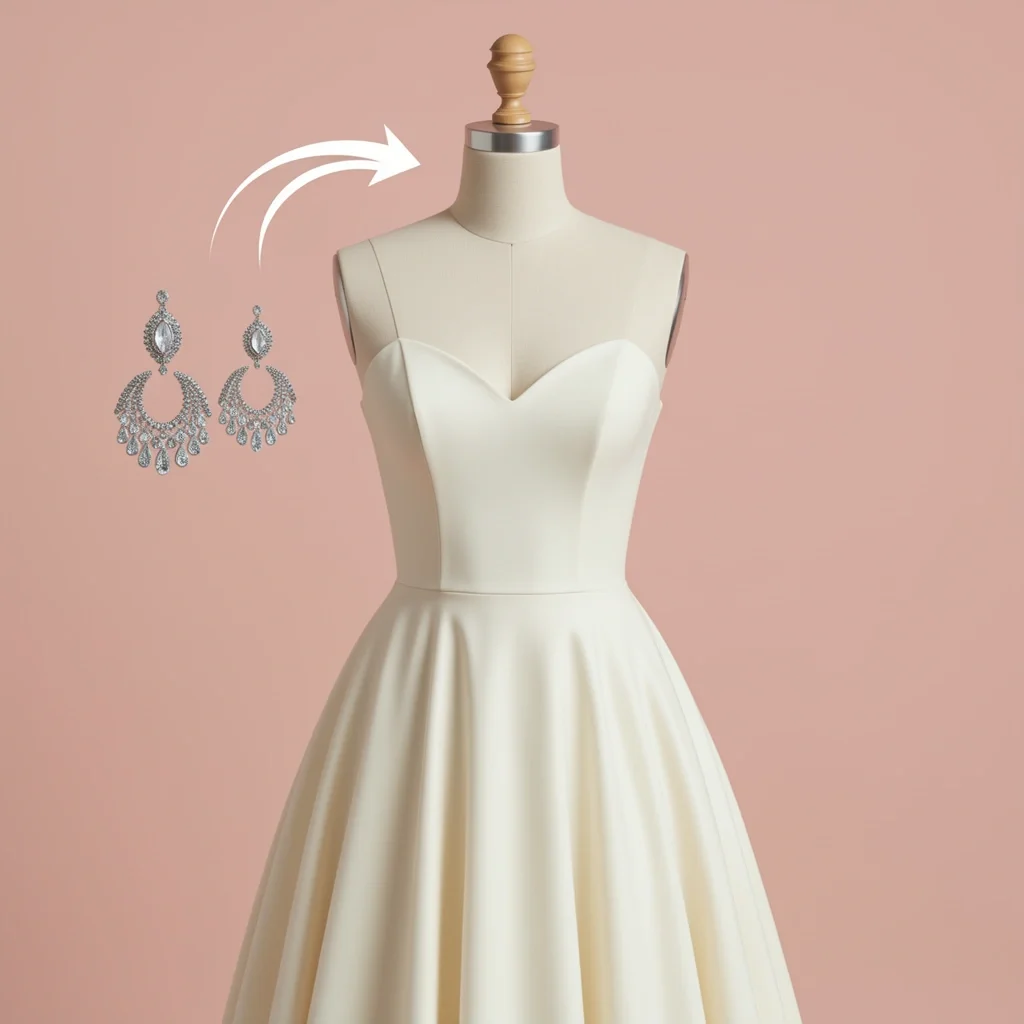
Your dress shape and neckline determine which accessories will look balanced and flattering. Matching them properly avoids a cluttered or mismatched appearance.
Neckline and Jewelry Pairing
The neckline is the most important factor for necklace and earring choices. Here is a simple guide:
| Neckline Type | Best Jewelry | Avoid |
|---|---|---|
| Sweetheart | Statement necklace or pendant | Chokers or heavy bibs |
| V-neck | V-shaped pendant or drop necklace | Round or bulky necklaces |
| High neck (turtleneck, illusion) | Drop earrings or studs only | Any necklace |
| Off-shoulder | Chandelier earrings | Necklaces that cover the collarbone |
| Strapless | Choker or short necklace | Long dangling necklaces |
Dress Fabric Considerations
Heavy fabrics like satin and velvet can handle larger accessories without looking overwhelmed. Light fabrics like chiffon and crepe need delicate pieces that do not weigh down the look. Lace dresses pair well with accessories that pick up the same lace pattern or have similar texture.
Train Length and Veil Style
If your dress has a long train, a cathedral or chapel-length veil complements the drama. For a short train or no train, a fingertip or elbow-length veil works better. A simple dress can handle a veil with lace trim or beaded edges, while a heavily embellished dress needs a plain veil.
Building a Cohesive Accessory Set
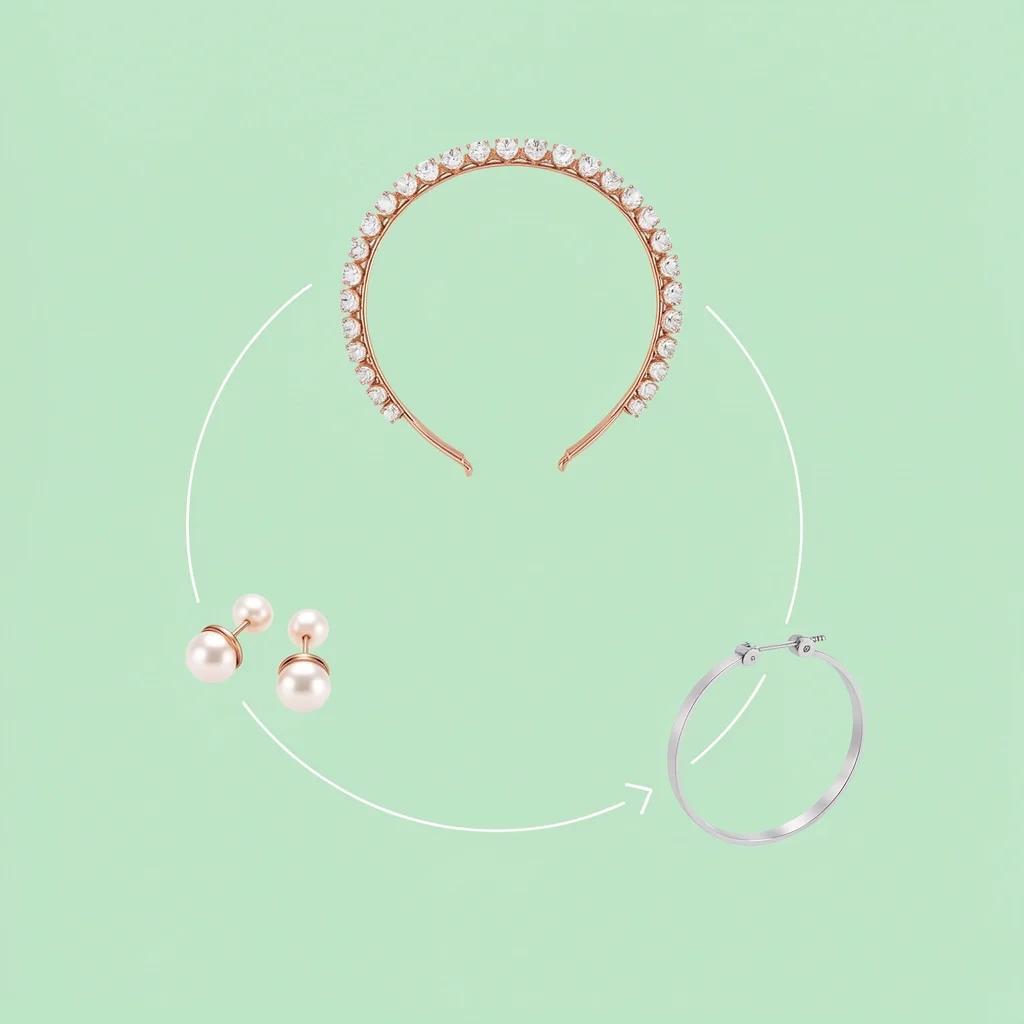
Once you know the categories and how they match your dress, the next step is to create a set that feels intentional, not random.
Start with One Focal Piece
Pick one accessory that will be the star. This could be a dramatic veil, a glittering necklace, or a unique headpiece. Everything else should support that piece, not compete with it. For example, if you wear a crystal headband, skip the necklace and let earrings be small and simple.
Match Metal Tones
Decide on gold, silver, or rose gold for all your metal accessories. Mixing metals can look intentional if done carefully, but for most brides, a consistent metal tone creates a polished look. Your ring, earrings, necklace, belt buckle, and shoe details should share the same metal.
Keep Color Consistent
Your accessories should match the white, ivory, champagne, or blush tone of your dress. A pure white veil on an ivory dress stands out in a bad way. Check the color against your dress fabric in natural light before buying.
The Accessory Shopping Timeline
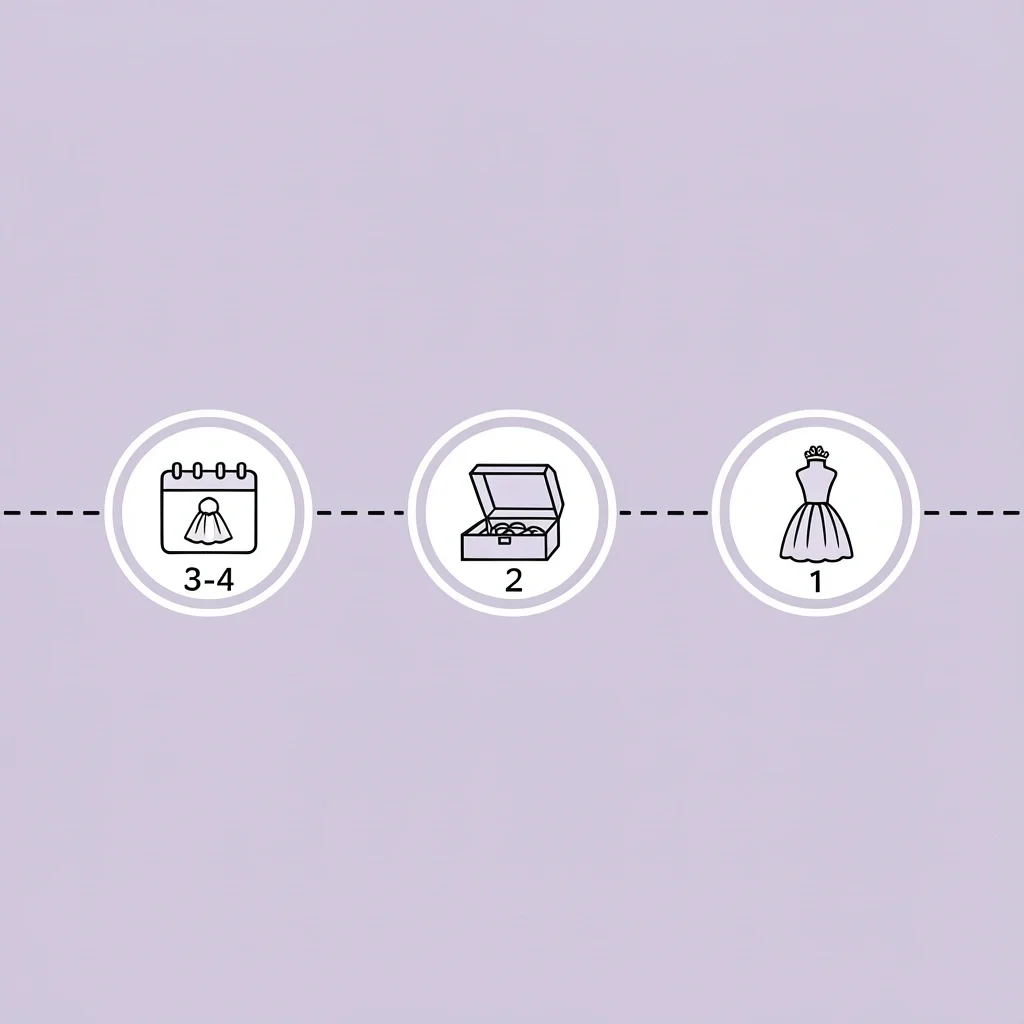
Many brides make the mistake of buying accessories too early or too late. Here is a practical timeline to keep you on track.
Three to Four Months Before
Try on veils with your dress at your fitting appointment. This is the time to decide on length, trim, and whether you want a blusher. You can also start looking at headpieces and belts.
Two Months Before
Order your jewelry. If you are having custom pieces made, give yourself extra time. Earrings, bracelets, and necklaces should be ready at least a month before the wedding so you can try them on with your complete look.
One Month Before
Do your final dress fitting with all accessories present. This includes shoes, veil, jewelry, gloves, and headpiece. Make sure nothing slips, pinches, or falls off. This is also the time for your hair and makeup trial, so you can see how the headpiece or veil sits with your hairstyle.
Budget-Friendly Options
You do not need to spend a fortune to look beautiful. Many brides find that accessories are the easiest place to save money without sacrificing style.
Rent or Borrow
Veils, capes, and even jewelry can be rented from bridal shops or online services. Borrowing a veil or necklace from a family member adds sentimental value and costs nothing.
Shop Vintage or Secondhand
Vintage hairpins, brooches, and earrings often have unique designs that modern stores do not carry. Check online marketplaces or local thrift shops for hidden gems.
DIY Options
Turn a family heirloom brooch into a hair comb. Use a simple headband and glue on crystals or pearls yourself. These small projects save money and create a personal touch.
Invest in Versatile Pieces
Buy earrings or a bracelet that you can wear again for anniversaries, date nights, or other events. Solid gold or sterling silver pieces hold their value and last years longer than costume jewelry.
Frequently Asked Questions
Can I wear a tiara and a veil at the same time?
Yes, but placement matters. You can wear the veil comb underneath the tiara so the tiara sits on top of the veil fabric. Another option is to wear the tiara at the front of your head and the veil comb lower at the back. This keeps both visible without one hiding the other.
Should my bridal jewelry be real or costume?
It depends on your budget and preferences. Real jewelry (gold, silver, gemstones) is a long-term investment and can become a family heirloom. Costume jewelry is affordable and allows you to experiment with bold styles you would not wear daily. Just make sure costume pieces are well-made and do not tarnish on your wedding day.
How do I clean or preserve my accessories after the wedding?
Veils should be stored flat in a breathable garment bag away from direct sunlight. Jewelry can be cleaned with a soft cloth and stored in a lined box. Gloves should be hand-washed with mild soap and air-dried. For delicate items like lace gloves or beaded headpieces, professional cleaning is safest.
What accessories are appropriate for a second wedding or elopement?
Keep it simpler. A shorter veil or no veil at all, understated jewelry, and a small headpiece like a single flower or a delicate pin work well. Elopements often happen outdoors, so consider practical accessories like a shawl or jacket for warmth. The goal is to feel comfortable and true to your style.
Do I need to match my accessories to my bridesmaids outfits?
No, you do not need to match your bridesmaids. Your accessories should coordinate with your own dress and personal style. However, you can choose a common color accent, like a gold belt that echoes the gold in their dresses, to create a subtle connection. The overall color palette of the wedding is the only thing to consider.
You should take part in a contest for one of the greatest blogs on the web. I most certainly will recommend this website!
Wow, what an amazing compliment. Thank you so much!