
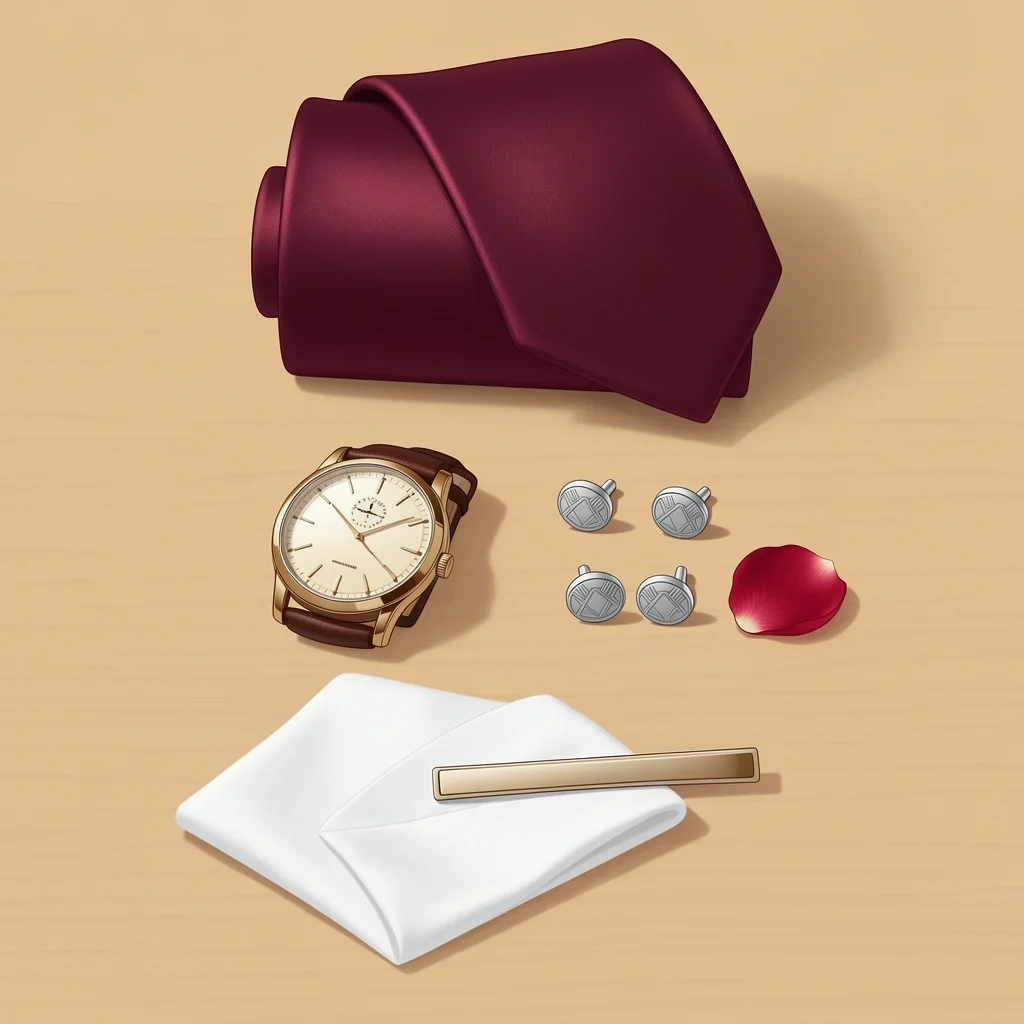
When you start looking for groom wedding accessories, the list can feel endless. Belts, shoes, socks, cuff links, suspenders, ties, pocket squares, boutonnieres, watches, tie bars, hats, jewelry. It is easy to get overwhelmed and either buy too much or miss something essential.
I have helped a lot of guys put their wedding looks together, and the truth is simpler than most articles make it sound. Wedding accessories for grooms fall into three tiers: essentials you cannot skip, style enhancers worth considering, and statement pieces for personality. Your dress code, venue, and personal style decide which tier matters most.
This guide walks you through each category with practical advice on what to buy, where to save, and how to make everything work together. No fluff, no repetition.
The Foundation: Essential Accessories You Cannot Skip
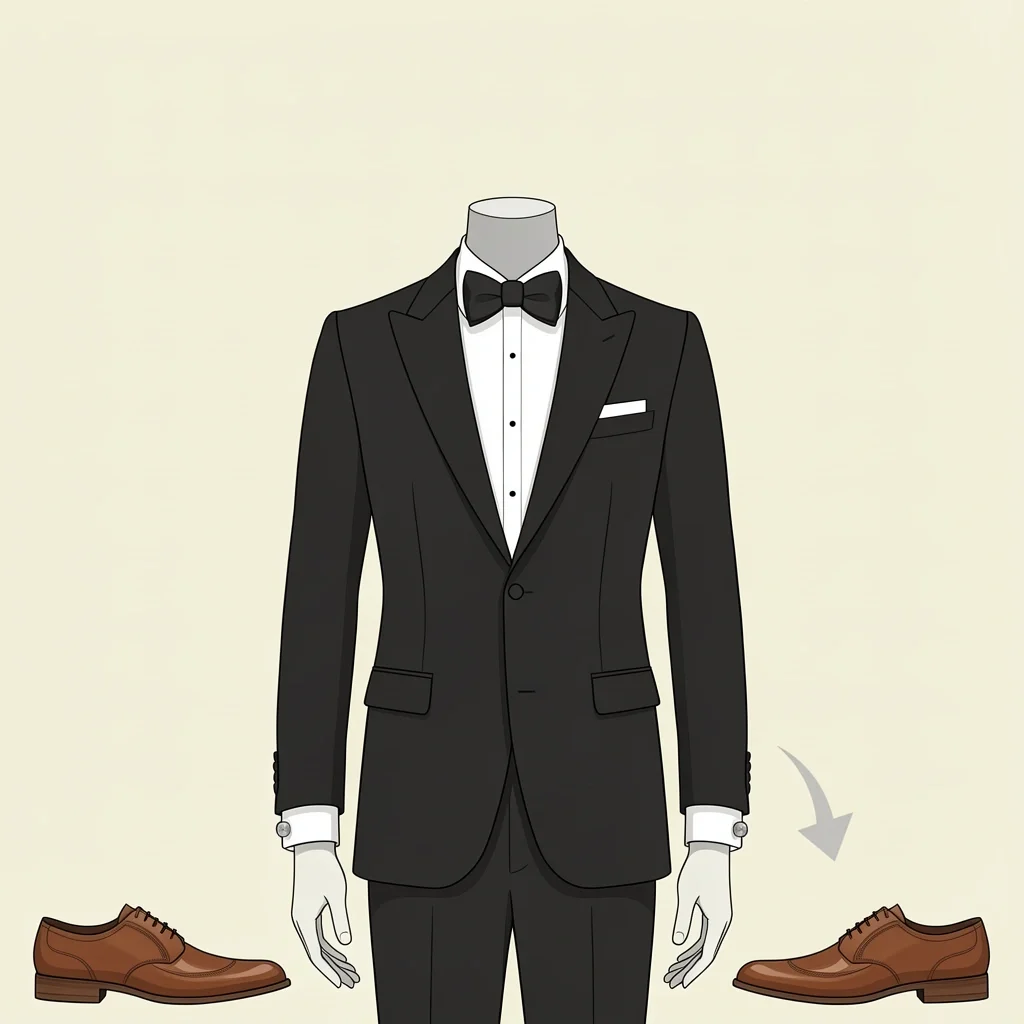
Some items are non-negotiable depending on how formal your wedding is. These are not optional if you want to look put together.
What You Need by Dress Code
| Dress Code | Required Accessories | Optional but Expected |
|---|---|---|
| Black Tie | Bow tie, cuff links, shirt studs, either pocket square or boutonniere | Suspenders, dress watch |
| Formal (Dark Suit) | Necktie or bow tie, belt or suspenders, pocket square or boutonniere | Cuff links (if French cuffs), tie bar |
| Cocktail or Semi-Formal | Tie, belt, pocket square or boutonniere | Cuff links, watch |
| Casual or Beach | Belt (if needed), shoes that fit the venue | Pocket square, watch |
The biggest mistake I see is wearing a boutonniere and a pocket square together. Choose one. As a stylist once told me, if you have a boutonniere, skip the pocket square. If no boutonniere, use the pocket square to add visual interest.
Belts and Suspenders
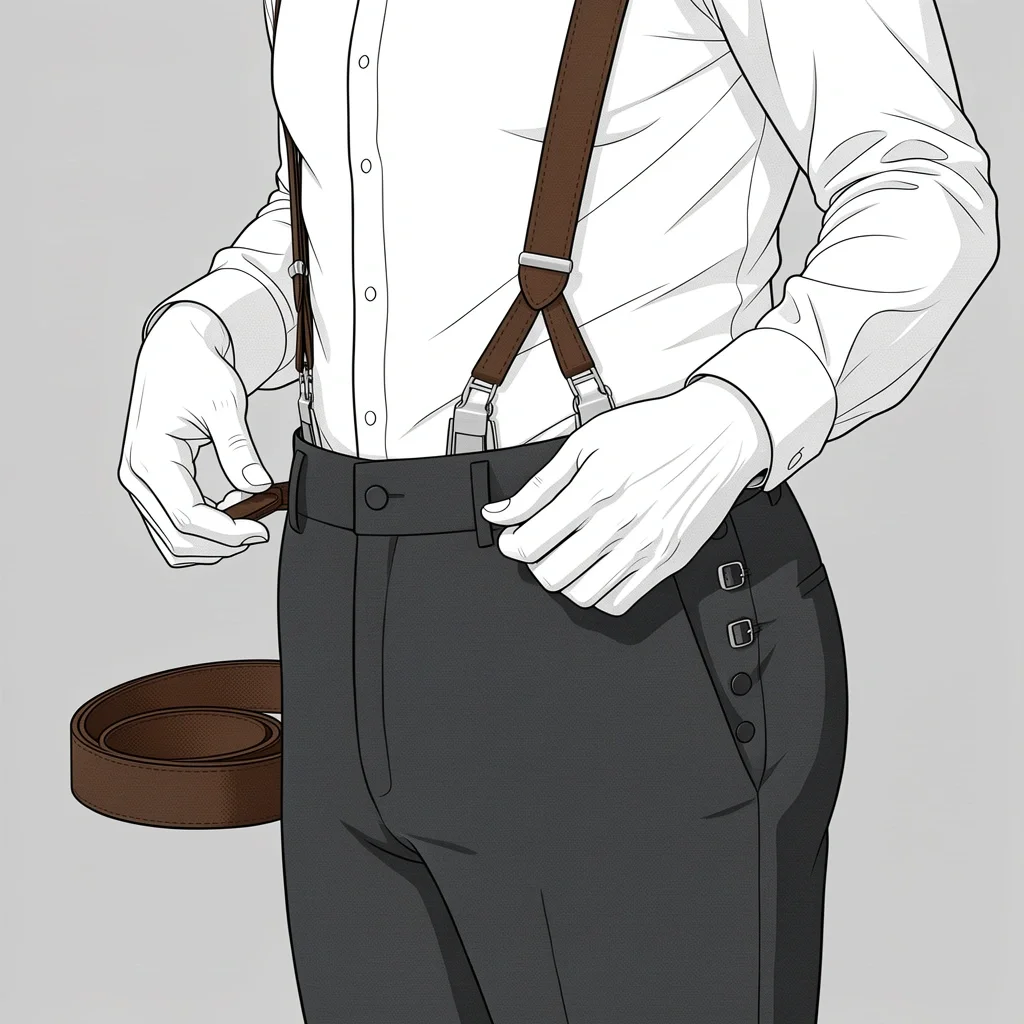
A belt is not required if your trousers fit properly and have side adjusters. But if your jacket comes off during the reception and your pants have belt loops, wear a belt. For tuxedos, always choose suspenders. The waistband of tuxedo trousers is designed for suspenders, not a belt.
Match your belt leather to your shoe leather. Black shoes get a black belt. Brown shoes get a brown belt. This sounds obvious but I have seen grooms break this rule and it looks sloppy.
Cuff Links
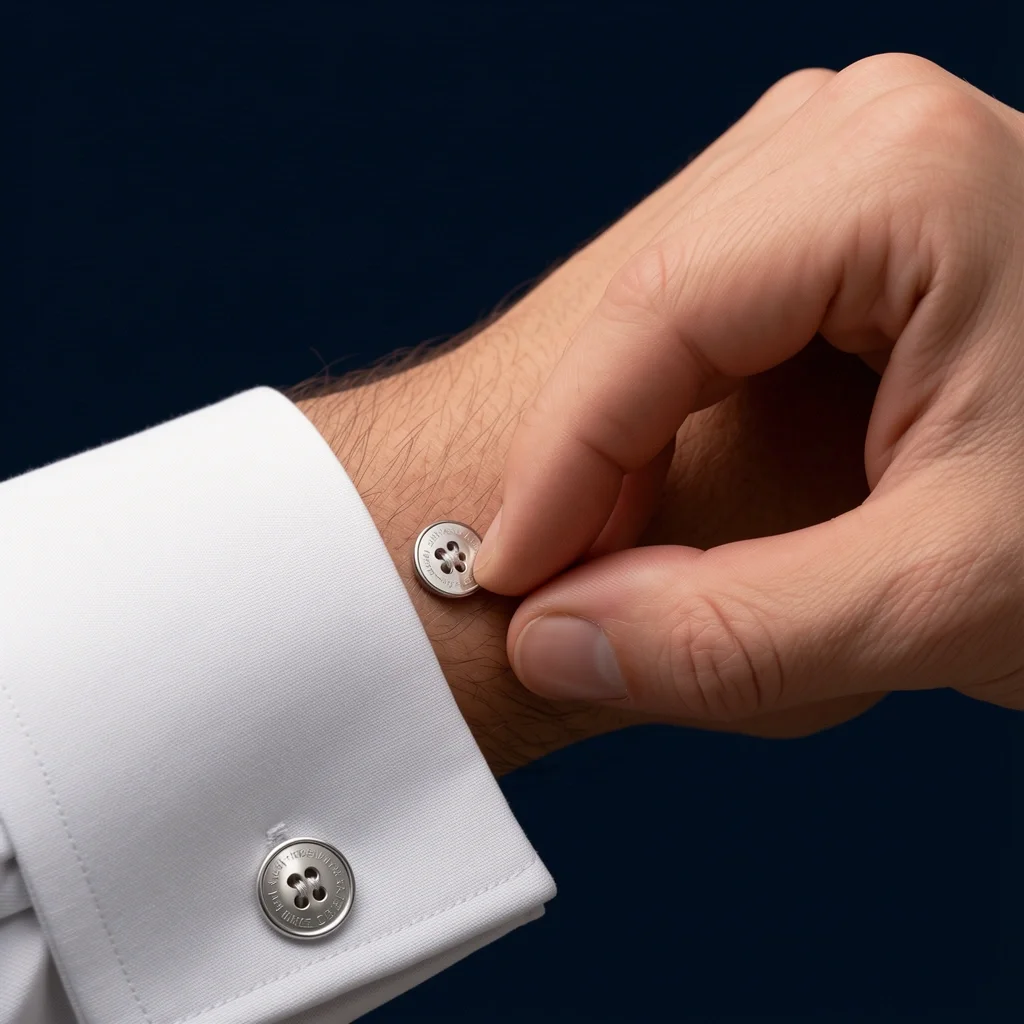
You only need cuff links if your shirt has French cuffs. Most rental tuxedo shirts have French cuffs, so check before buying. Standard cuff link size is three-quarters of an inch in diameter. If your buttonhole is tight, go smaller.
Cuff links are one item worth spending on because you can reuse them for years. Silver or gold tone works with almost any outfit. Engraved options with your wedding date or initials add a personal touch without being loud.
The Style Amplifiers: Where to Add Personality
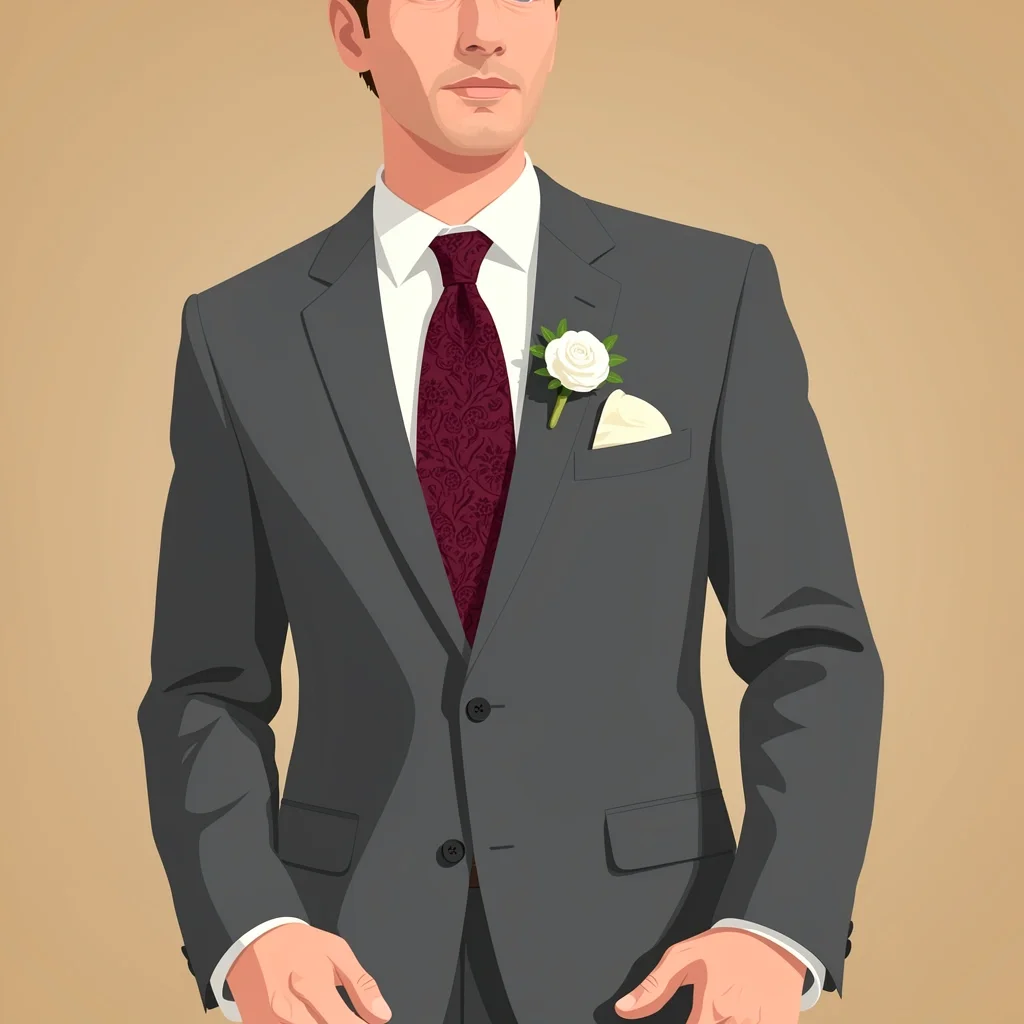
Once you have the essentials covered, these accessories transform a standard look into something memorable. But add them carefully. Too many accessories compete for attention and create visual noise.
Ties and Bow Ties
A necktie gives you more freedom with patterns and colors. A bow tie reads as more formal and traditional. Neither is wrong, but do not wear a clip-on bow tie unless you absolutely cannot tie one yourself. Learn the knot. It takes ten minutes and looks much better.
If you choose a patterned tie, keep the pocket square solid or tonal. If your tie is solid, a patterned pocket square adds visual interest without clashing.
Watches
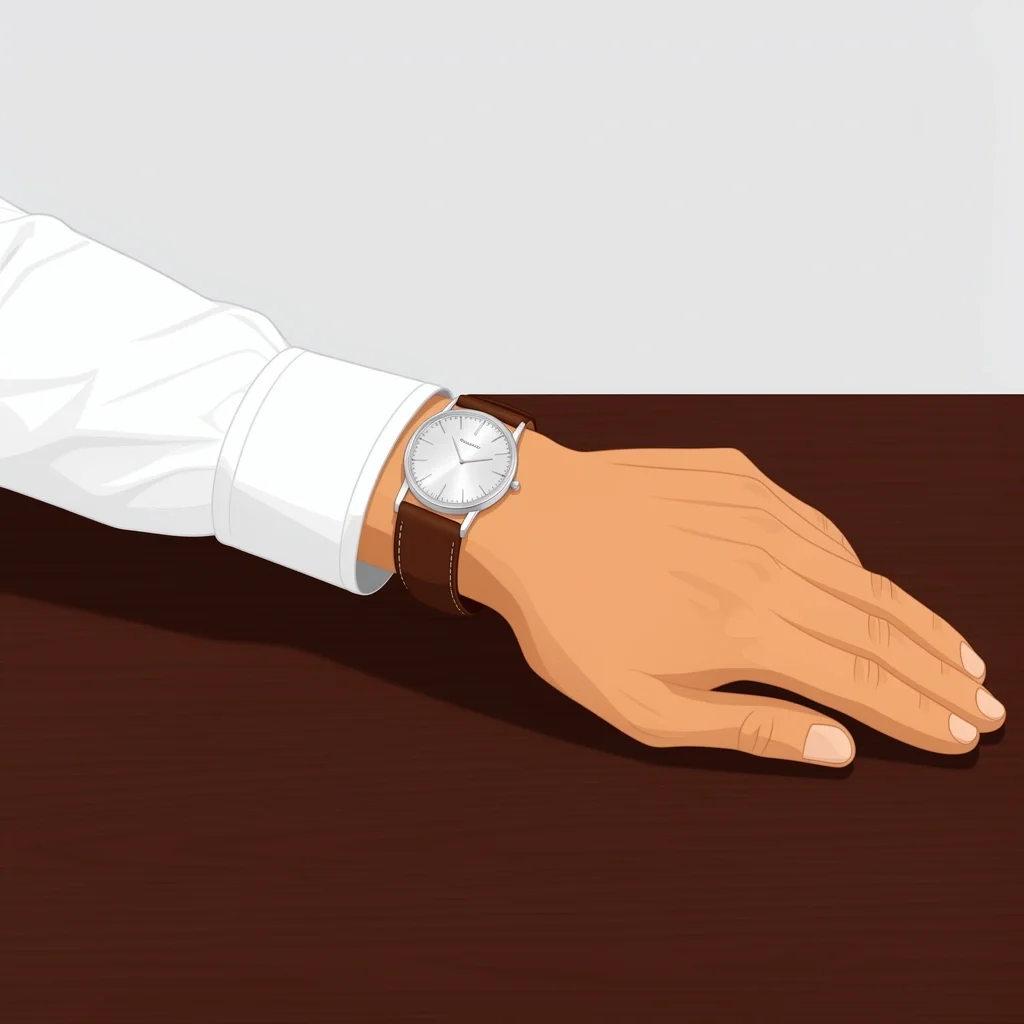
A watch is not required but almost every groom wears one. The key is keeping it simple. A thin dress watch with a leather strap or a slim metal band works with any suit or tuxedo. Avoid chunky sports watches with large bezels or bright colors. They clash with formalwear.
If you already own a nice watch, wear it. If you need to buy one, this is a splurge item because you will use it daily for years after the wedding.
Tie Bars and Tie Clips
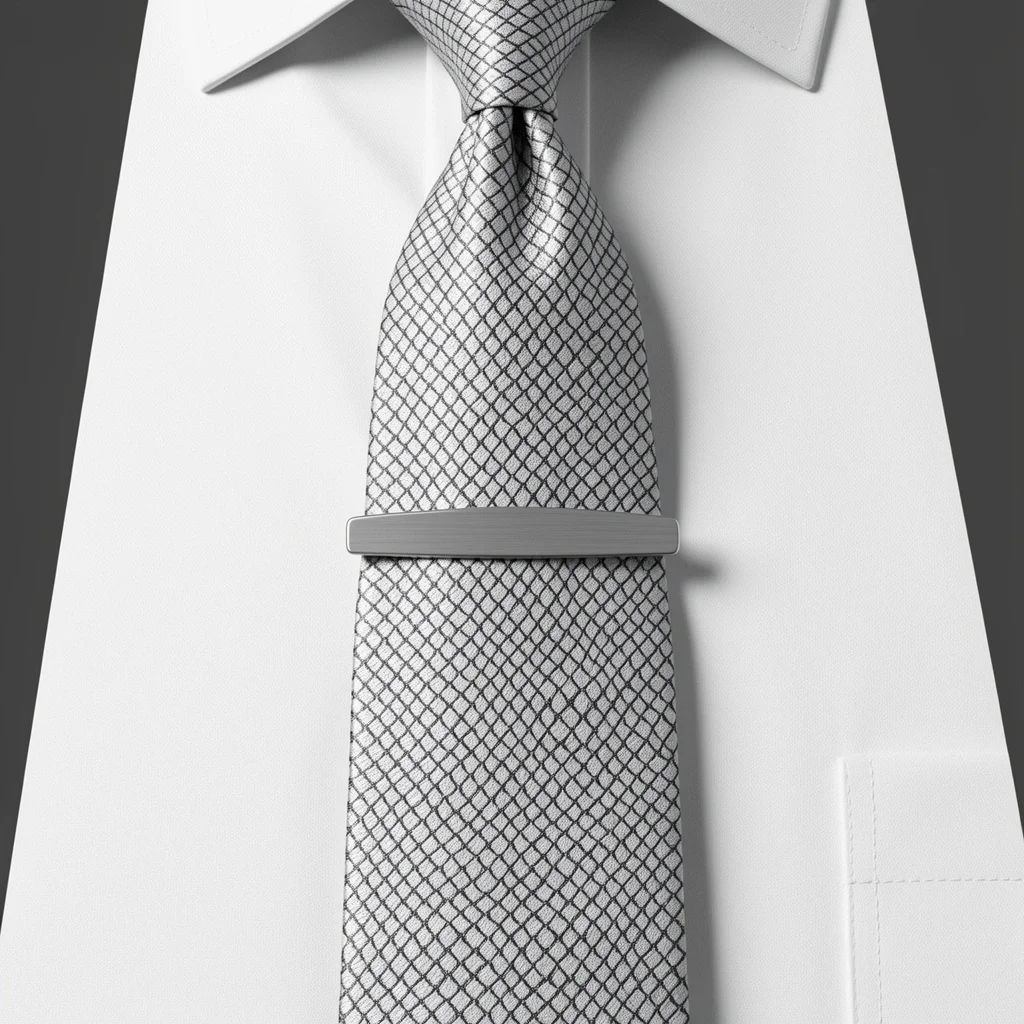
A tie bar slides over the tie and shirt placket. A tie clip clamps onto both. Both serve the same practical function of keeping your tie centered and straight. The rule is to place it between the third and fourth button of your shirt. Do not wear one with a bow tie.
Gold or silver finish works with most outfits. Match the metal to your cuff links or watch for a coordinated look.
Socks
Your socks should match your trouser color, not your shoe color. Navy suit gets navy socks. Gray suit gets gray socks. Black tuxedo gets black socks. Patterned socks are fine for a personality pop, but only if the pattern matches the overall formality of the event. Cartoon characters on socks work for a casual wedding but not black tie.
The Budget Blueprint: Where to Spend and Where to Save
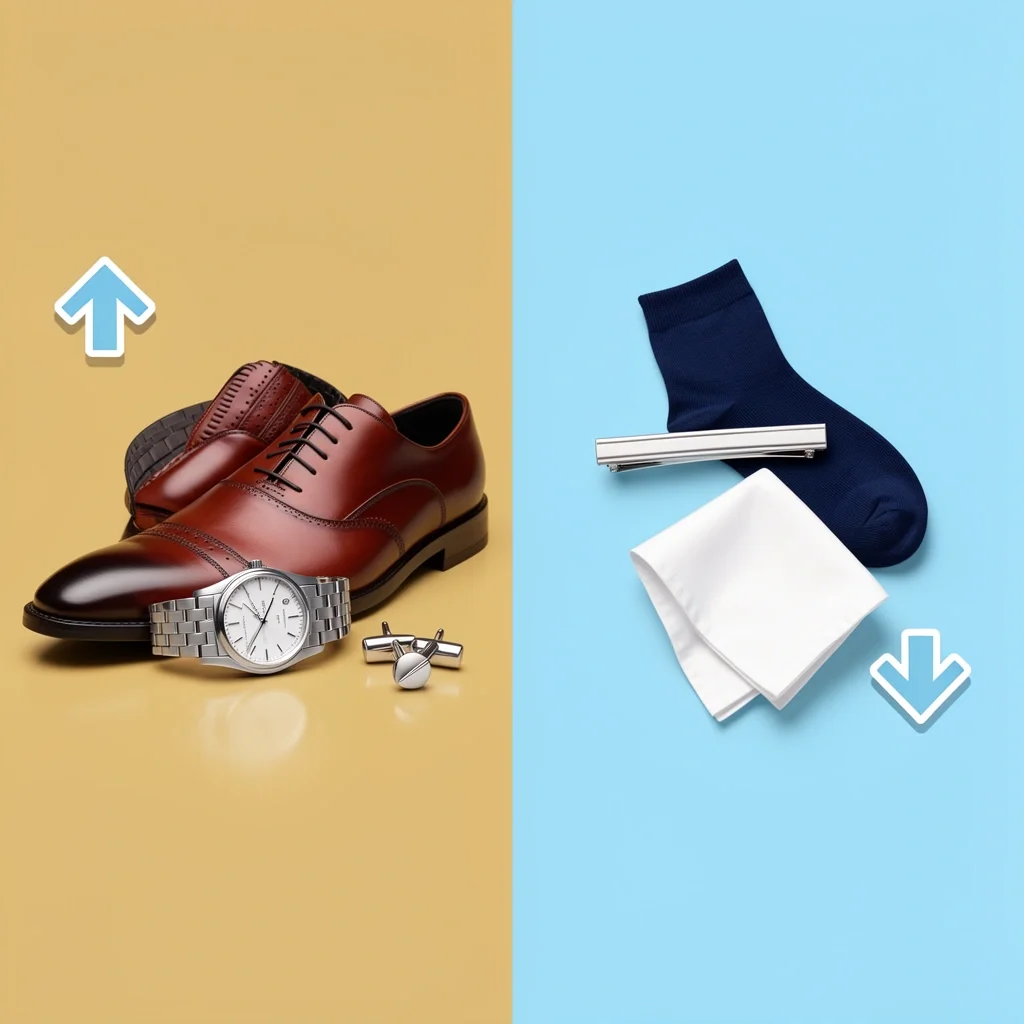
Not all accessories are created equal. Some deserve investment because they are visible, reusable, or hold sentimental value. Others are inexpensive and easily swapped, so saving money makes sense.
Items Worth Splurging On
- Shoes – Your shoes are the most visible accessory after your suit. Cheap shoes ruin an otherwise great outfit. Spend on quality leather that fits well and can be resoled later.
- Watch – A good watch lasts decades. If you do not own one, this is the time to buy something you will wear every day.
- Cuff Links – These are small but visible anytime you move your arms. Quality metal finishes look better and hold up longer than plated options.
Items Where You Can Save
- Socks – No one inspects your socks up close. Buy inexpensive pairs that match your trousers.
- Tie bars – These are small metal pieces with minimal wear. A ten-dollar tie bar works the same as a fifty-dollar one.
- Pocket squares – These are cheap to buy and easy to swap. Buy a few options and return what you do not use.
| Item | Low Range | Mid Range | High Range |
|---|---|---|---|
| Shoes | $80-150 | $200-400 | $500+ |
| Watch | $100-300 | $500-1500 | $2000+ |
| Cuff Links | $20-50 | $80-200 | $300+ |
| Tie | $25-60 | $80-150 | $200+ |
| Tie Bar | $10-20 | $30-60 | $80+ |
| Pocket Square | $10-25 | $30-60 | $80+ |
| Socks | $8-15 | $20-40 | $50+ |
Rent vs. Buy
For one-time use items like specific tie clips or novelty socks, renting makes no sense because buying is already cheap. For shoes and watches, renting can save money if you will not wear them again. But if you need dress shoes for work or other events, buying is smarter. Rental formalwear accessories like cuff links and studs often come with the tuxedo rental, so check what is included before buying anything.
Coordination and Logistics: Making Everything Work Together
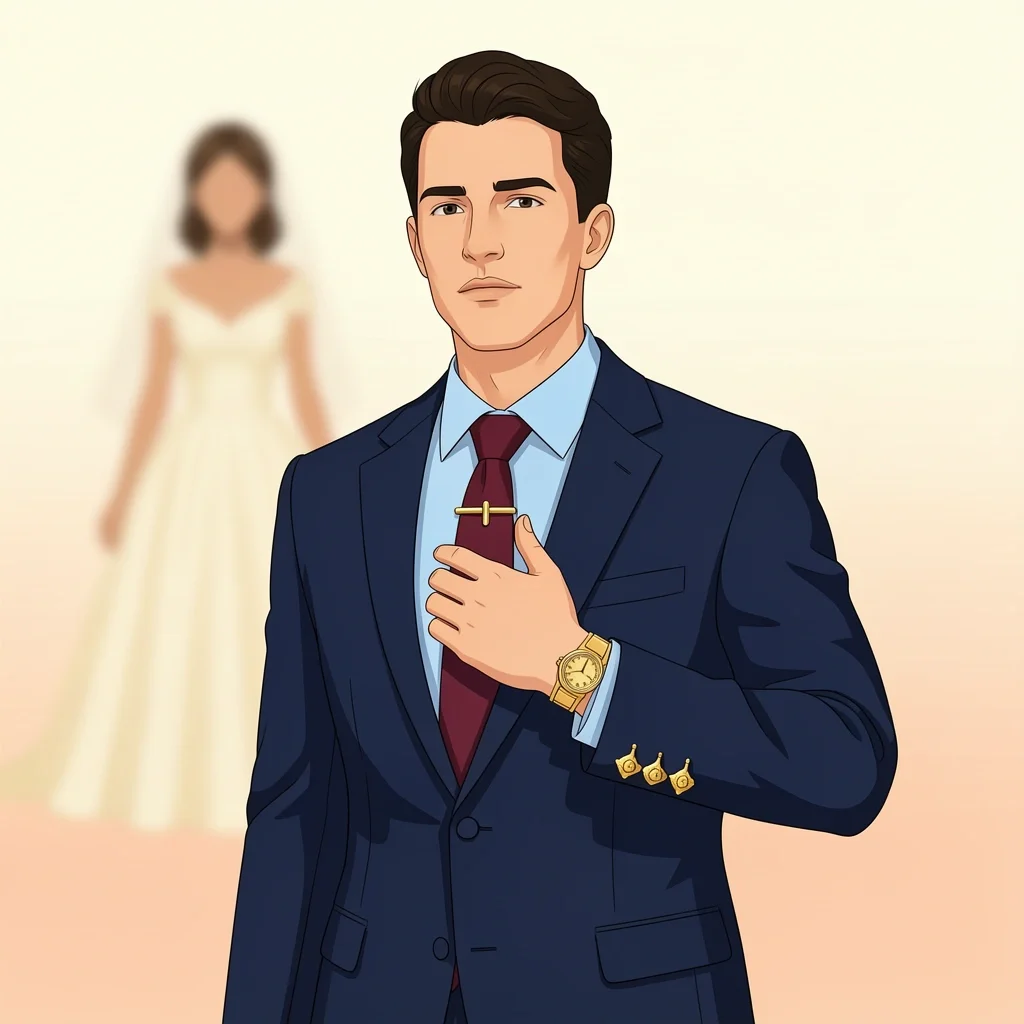
The most common mistake grooms make is not checking how their accessories interact. Here is how to avoid that.
Matching Metals
Your watch case, cuff links, tie bar, and belt buckle should all be the same metal tone. Mixing silver and gold looks unintentional. If your watch has a two-tone band, pick the dominant metal and match everything else to it.
Coordinating with the Bride
Your tie or pocket square should complement the bridal palette without matching it exactly. If her dress is ivory, your white pocket square works. If her bouquet has burgundy flowers, a burgundy tie ties the look together. Avoid matching her dress color directly unless that is the specific plan.
Coordinating with Groomsmen
If your groomsmen wear the same suit, you can differentiate yourself with a different tie color, a boutonniere they do not wear, or a watch they do not have. Small differences signal that you are the groom without looking like you tried too hard.
Timeline
Order accessories six to eight weeks before the wedding. This gives time for sizing, returns, and alterations. Shoes specifically need breaking in. Wear them around the house for a few days before the wedding to avoid blisters.
If you are renting a tuxedo, schedule the fitting at least four weeks out. Rental accessories like shoes and cuff links come standard sizes. If they do not fit on the day, you have limited options. Know where the nearest backup rental location is.
Cultural Accessories

For Sikh grooms, the safa (turban) is a traditional accessory symbolizing respect and honor. Source it from a specialty shop or experienced turban tier at least a month in advance. For Chinese weddings, a red satin hydrangea on the lapel is common. Find these through cultural supply stores or Etsy sellers who specialize in wedding items. Nigerian grooms often wear coral beads. Look for authentic coral or high-quality glass replicas from Nigerian cultural retailers.
If you are incorporating a cultural accessory, make sure it fits with the formality of your suit. A safa works with a tuxedo or traditional Indian attire. Red hydrangea lapel pins pair well with dark suits. Coral beads complement both Western suits and traditional Nigerian agbada.
Myths and Reality
Some rules about groom accessories are outdated. Here is what actually matters.
Myth: You must wear a belt with a suit.
Reality: If your trousers have side adjusters, a belt is optional. If your jacket stays on for pictures and the ceremony, nobody sees your waist anyway.
Myth: Cuff links are only for tuxedos.
Reality: French cuff shirts work with suits too. Many grooms wear them for a slightly dressier look without going full black tie.
Myth: You need a pocket square and a boutonniere.
Reality: Choose one. Both together look cluttered unless you are going for a very specific vintage or floral-heavy look.
Myth: Tie bars are old-fashioned.
Reality: They serve a practical function and add a clean, polished line to your shirt. Wear one if you want your tie to stay centered all day.
The Decision Framework: How to Choose Your Final Set
Follow these steps in order to build your accessory set without overthinking.
- Confirm your dress code and venue formality. This decides which accessories are mandatory.
- Choose one focal accessory. This could be your tie, your hat, or a brooch. Everything else supports it.
- Pick two to three supporting pieces. Shoes, socks, and cuff links are the most common.
- Cross-check with the bridal look. Make sure your colors and metals do not clash.
- Set a total budget and allocate per the blueprint above. Spend on shoes and watch. Save on socks and tie bars.
Here is what a complete set looks like for a real scenario: Fall vineyard wedding with a navy suit. Brown leather oxfords. Burgundy silk tie. Gold cuff links. Matching burgundy pocket square. No boutonniere. Navy socks. A thin gold watch. Total budget around 600 dollars for everything.
Frequently Asked Questions
Can I wear a watch with a tuxedo?
Yes. A simple, thin dress watch with a leather or metal band is fine. Avoid chunky sports watches with large bezels or rubber straps.
How do I know my cuff link size?
Standard cuff links are three-quarters of an inch in diameter. Measure the buttonhole on your shirt. If it is tight, choose a smaller size around half an inch.
Do I need a boutonniere if I have a pocket square?
No. Choose one. A boutonniere works best with solid-colored suits. A pocket square works with patterned jackets where a flower might compete.
Where can I find groom accessories near me for last-minute shopping?
Search for formalwear rental shops in your area or visit a men’s clothing store that carries suits. For last-minute online orders, prioritize retailers with free returns and fast shipping. Order at least two weeks ahead for the best selection.
What is the difference between a tie bar and a tie clip?
A tie bar slides over the tie and shirt placket. A tie clip clamps onto both. Both keep your tie in place. Choose based on personal preference for how it looks and feels.