

A traditional wedding tuxedo follows a specific set of rules. It is a black, single-breasted jacket with peak lapels and one button. You wear it with a white wing-collar or pleated-front shirt, a black bow tie, a cummerbund or low-cut vest, black trousers with a single satin stripe down each leg, and patent leather oxfords. This outfit matches the black tie dress code for evening weddings.
Yes, a tuxedo is traditional for a wedding, but only when the dress code calls for it. If the invitation says black tie or formal attire, the traditional tux is the correct choice. If the wedding is daytime or casual, it may be too much.
Why These Elements Define Tradition
Every part of a traditional wedding tux has a reason behind it. These details come from formal evening dress rules that date back to the late 1800s. Here is what each piece means and why it became the standard.
Peak Lapels and One Button
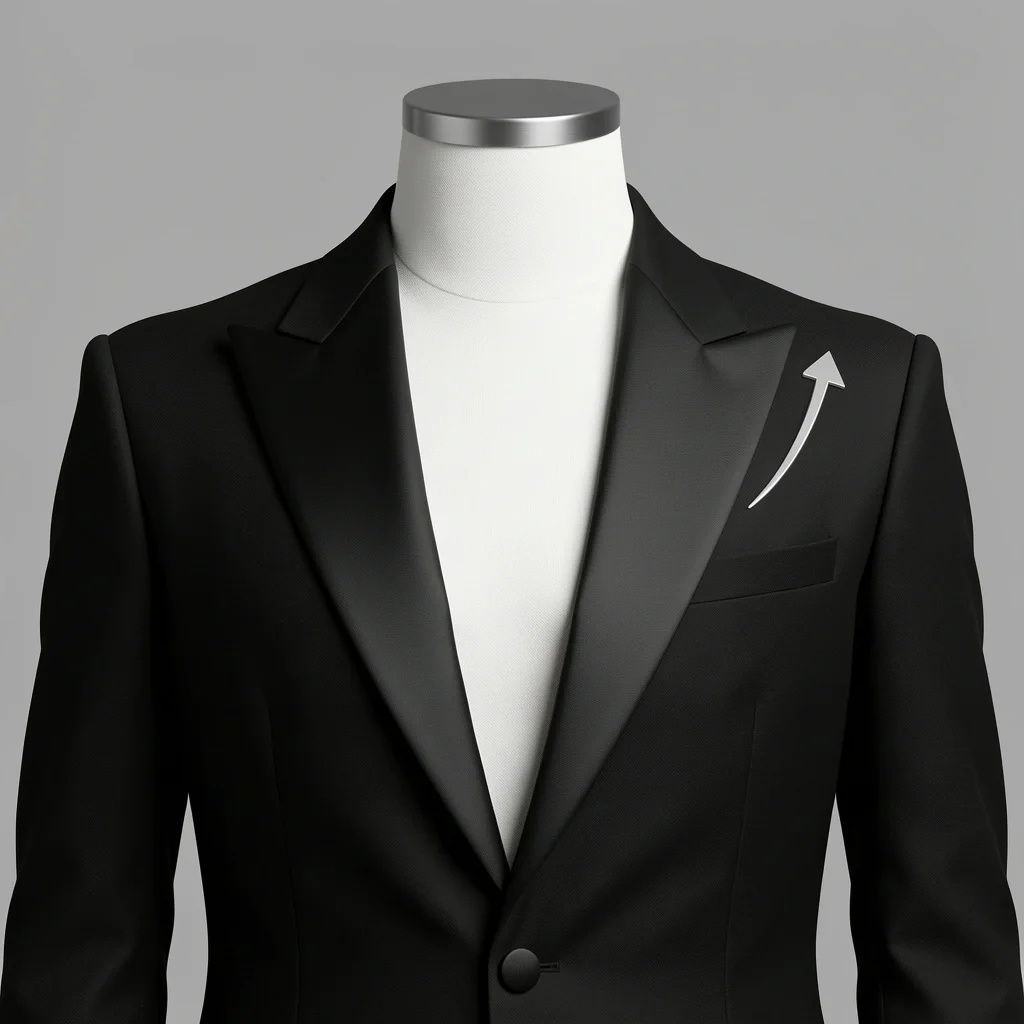
Peak lapels point upward toward your shoulders. They came from the tailcoat, which was the most formal jacket of its time. When the tuxedo replaced the tailcoat for less formal evening events, the peak lapel came with it. A single button keeps the jacket clean and simple. More buttons would make it less formal. The one-button closure also helps you look taller and slimmer because the lapels create a long V shape down your chest.
The Wing-Collar Shirt and Bow Tie
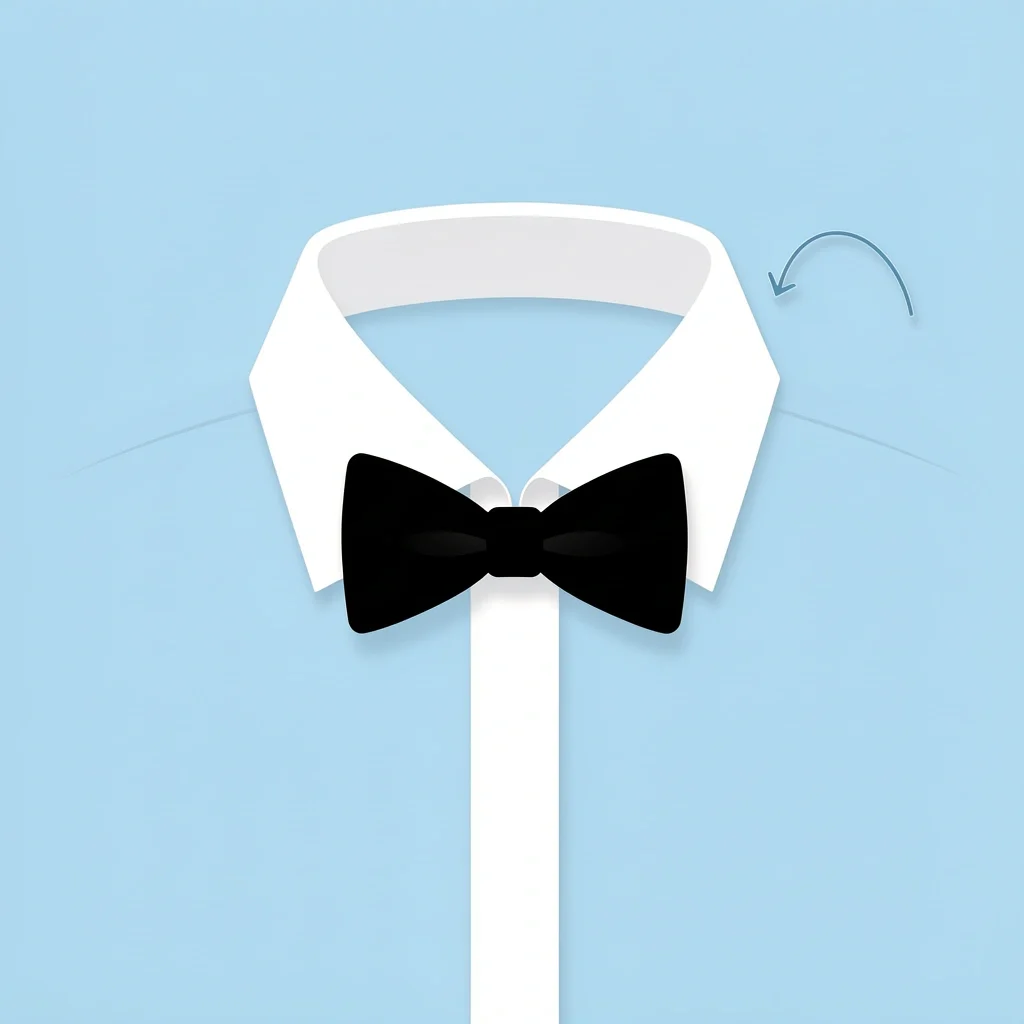
A wing-collar shirt has small points that fold out and upward, like wings. This collar is made to sit under a bow tie, not a necktie. The bow tie became the standard because it matches the formal nature of the tuxedo. A long necktie belongs with a business suit, not with evening formal wear. The bow tie is also symmetrical and draws attention to your face.
Cummerbund or Vest
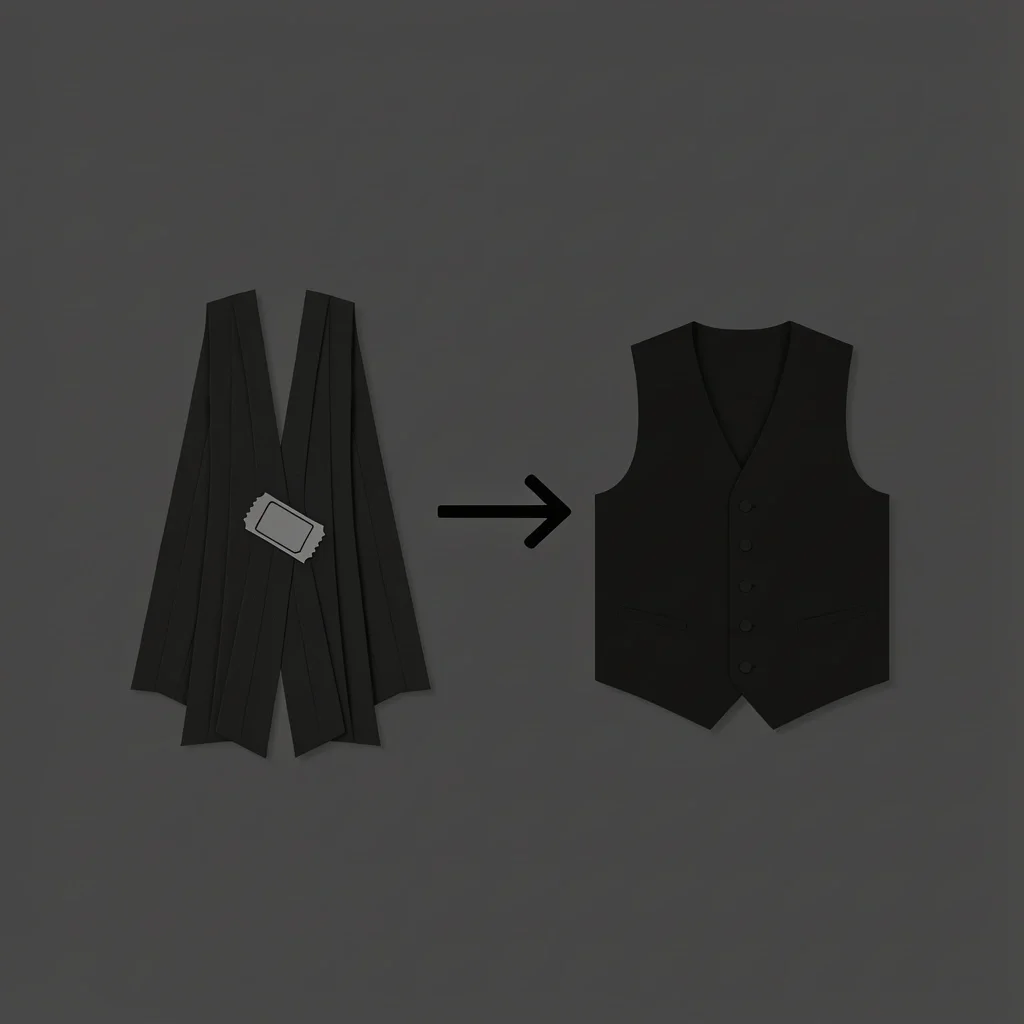
The cummerbund was invented to cover your waistband and the bottom of your shirt. In traditional formal wear, you do not show bare shirt or skin between your jacket button and your trousers. A cummerbund does this job with pleats facing upward. The pleats were originally meant to hold theater tickets. A low-cut vest works the same way. It covers your waist without adding bulk under the jacket.
Patent Leather Shoes
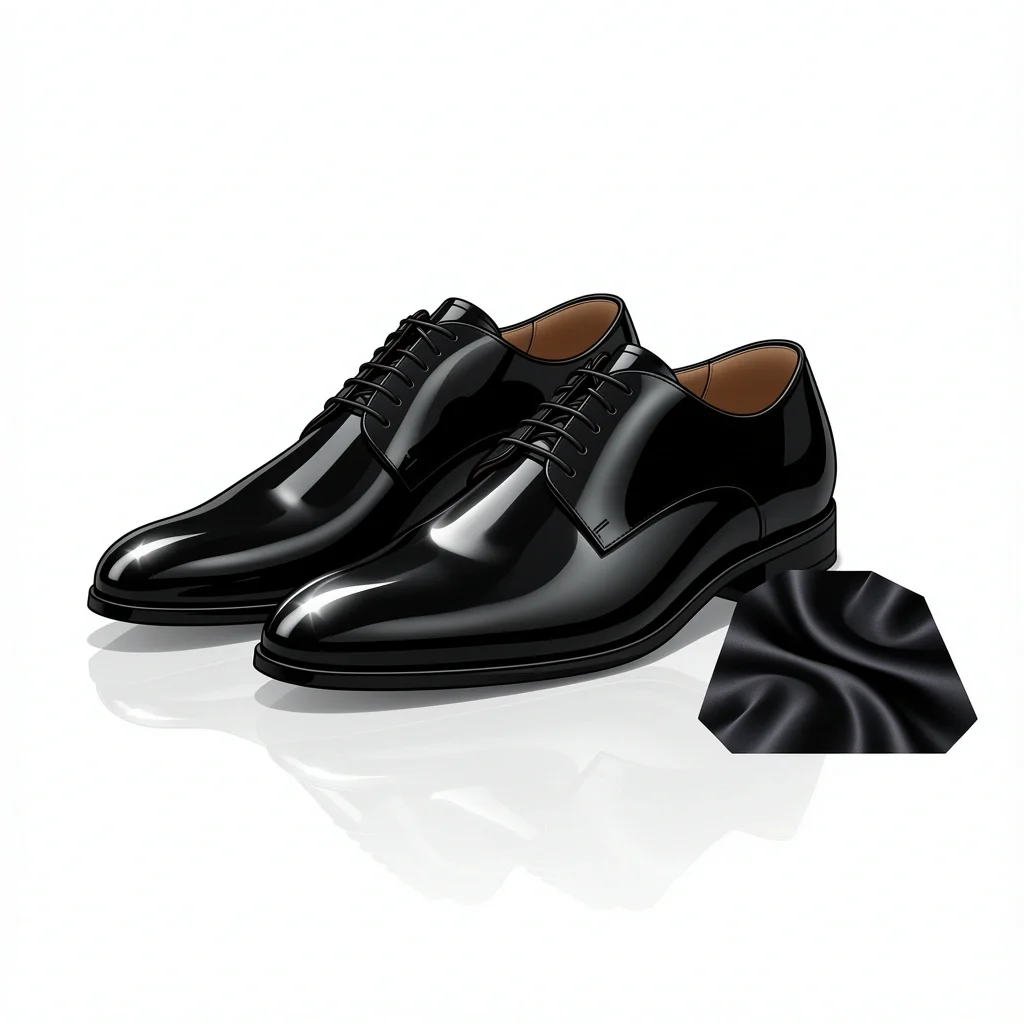
Patent leather shoes are shiny and smooth. The shine matches the satin on your lapels and trouser stripes. This creates a consistent look from head to toe. Matte shoes would break that visual line. Patent leather oxfords are the most traditional choice. Loafers or brogues are not considered correct for a traditional black tie outfit.
The Dress Code Rules You Need to Know
A traditional wedding tux is not right for every wedding. You need to match the outfit to the dress code, the time of day, and the venue. Here is a simple guide to when it works and when it does not.
For those attending a church ceremony, deciding when to wear a tuxedo to a church wedding requires careful consideration of both formality and setting.
| Situation | Traditional Tux Works? | Reason |
|---|---|---|
| Black tie wedding after 6 p.m. | Yes | This is the exact dress code the tux was made for. |
| Formal religious ceremony | Yes, if specified | Many churches and synagogues expect formal wear for evening weddings. |
| Daytime wedding before 6 p.m. | No | Morning coat or stroller is the traditional daytime formal option. |
| Outdoor or beach wedding | Usually no | A white dinner jacket or a suit is more appropriate. |
| Black tie optional wedding | Yes, but optional | You can wear a tux, but a dark suit is also acceptable. |
Where Tradition Allows Flexibility
Even within the strict rules of a traditional wedding tux, there are small variations that remain historically correct. Knowing these gives you room to choose without breaking tradition.
Midnight blue. A midnight blue tuxedo looks almost black but has a deeper, richer tone under light. This color was introduced because early electric lights made true black look dull. Midnight blue appeared blacker than black under gaslight and early bulbs. It is still considered traditional today.
White dinner jacket. A white dinner jacket with black trousers is traditional for summer weddings, tropical locations, and events in warm climates. It follows the same rules as a black tuxedo: peak or shawl lapels, bow tie, cummerbund, and patent leather shoes. The only difference is the jacket color.
Shawl collar. A shawl collar has a rounded, continuous curve with no notch or peak. Some formal wear experts consider it less formal than a peak lapel. But it has been part of tuxedo design for over a century and is widely accepted at black tie events. If you prefer a softer look, a shawl collar is still traditional enough.
How a Traditional Wedding Tux Differs From a Modern Tux
Modern tuxedos borrow elements from suits and casual wear. They are not wrong, but they are not traditional. Here is a direct comparison so you can see the difference.
| Detail | Traditional Tux | Modern Tux |
|---|---|---|
| Lapels | Peak or shawl | Notch lapels are common |
| Buttons | One button | Two buttons |
| Neckwear | Black bow tie | Necktie or patterned bow tie |
| Waist covering | Cummerbund or low vest | Optional, often skipped |
| Trouser stripe | Single satin stripe | Sometimes no stripe |
| Shoes | Patent leather oxfords | Loafers, cap toes, or velvet |
| Shirt collar | Wing tip or pleated front | Spread or fold-down collar |
| Pocket square | White linen, flat fold | Any color or pattern |
The Suit vs. Tux Decision for Your Wedding
Many grooms face this question: should I wear a suit or a tuxedo? The answer depends on three things: the invitation, the time, and the venue. Here is a simple decision framework.
- Black tie on the invitation. Wear a traditional tux. A suit would be underdressed.
- Formal attire on the invitation. A traditional tux is safe and expected.
- Daytime wedding before 6 p.m. A dark suit is more appropriate. A tux is meant for evening.
- Outdoor or rustic venue. A suit fits the setting better. A tux can feel out of place in a barn or garden.
- Semi-formal or cocktail attire. A suit is fine. A tux may be too dressy unless you are the groom and want the extra formality.
- Personal preference. If you want a traditional look and your partner agrees, you can wear a tux even at a less formal wedding. Just make sure the rest of the wedding party matches the level of formality.
If you choose the traditional tux, commit to it fully. Wear the bow tie, the cummerbund, and the patent leather shoes. Half measures, like a necktie with a tuxedo jacket, look like you could not decide. Tradition works best when you follow it completely.
Three Myths About Traditional Wedding Tuxedos
There is a lot of bad advice about tuxedos online. Here are three common myths and the truth behind them.
Myth 1: You must wear a cummerbund. The cummerbund became optional in the mid-20th century. Many formalwear experts now consider it a personal choice. If you skip it, make sure your jacket fits well and your shirt is fully tucked. That said, a cummerbund adds a finished look that is hard to beat. If you want tradition, wear it. But you will not be wrong without it.
Myth 2: A traditional tux is boring. Tradition does not mean plain. A white linen pocket square, silver cufflinks, and a well-fitted jacket create a sharp, confident look. The beauty of a traditional tux is that it does not rely on trends. It stands on its own. You can add personality through small details like studs, cufflinks, and your choice of shirt bib.
Myth 3: If you rent, you cannot get a traditional fit. Many rental companies now offer peak lapel jackets, proper trousers with satin stripes, and wing-collar shirts. The key is to choose a company that specializes in formalwear, not a general rental shop. Ask specifically for a traditional black tuxedo with peak lapels and one button. A good rental shop will have it. Make sure they tailor the jacket and pants to your measurements.
Frequently Asked Questions
Can I wear a traditional tuxedo to a daytime wedding?
Traditionally, no. Morning coat or stroller is the correct daytime formalwear. But many modern weddings relax this rule. If the couple agrees and the venue is indoor or formal enough, a traditional tux can work. Check with the bride or groom first.
What color shirt is traditional with a tuxedo?
White only. Pure white is the most formal choice. Ivory is sometimes used but is less formal and can look off-white next to a bright white shirt. Stick with white for a strictly traditional look.
Do I have to wear a bow tie?
For a strictly traditional look, yes. A bow tie is part of the black tie dress code. A necktie signals creative black tie or modern formalwear. If the event is traditional black tie, wear a bow tie. If the dress code is black tie optional, a necktie is acceptable but still not considered traditional.
Are suspenders acceptable?
Yes, but only button-on suspenders, also called braces. Clip-on suspenders can damage the trousers and look less refined. They should be black or white and not visible under the jacket. A cummerbund or vest covers them completely.
What pocket square is traditional?
White linen with a flat fold or a simple puff. Colored or patterned pocket squares shift the look toward modern or creative black tie. White linen is the safest and most traditional choice.
Can I wear a belt with a tuxedo?
No. A belt should never be worn with a tuxedo. If your trousers have belt loops, they are not proper tuxedo trousers. Traditional tuxedo trousers have side adjusters or suspender buttons instead.
What kind of shoes are traditional?
Patent leather oxfords. They have a high shine that matches the satin on your lapels and trouser stripes. Cap toe shoes with a patent finish are also acceptable. Loafers, brogues, and matte leather shoes are not traditional.