

You are running late for a wedding. Your heart is pounding. You keep checking the clock. The big question is: how late is too late to still walk in without causing a scene? The direct answer is that showing up more than 15 minutes after the invitation start time is typically too late. But the real rule depends on what part of the ceremony is happening. Let me break this down so you know exactly what to do at the 10-minute mark, the 25-minute mark, and beyond.
The 15-Minute Grace Period
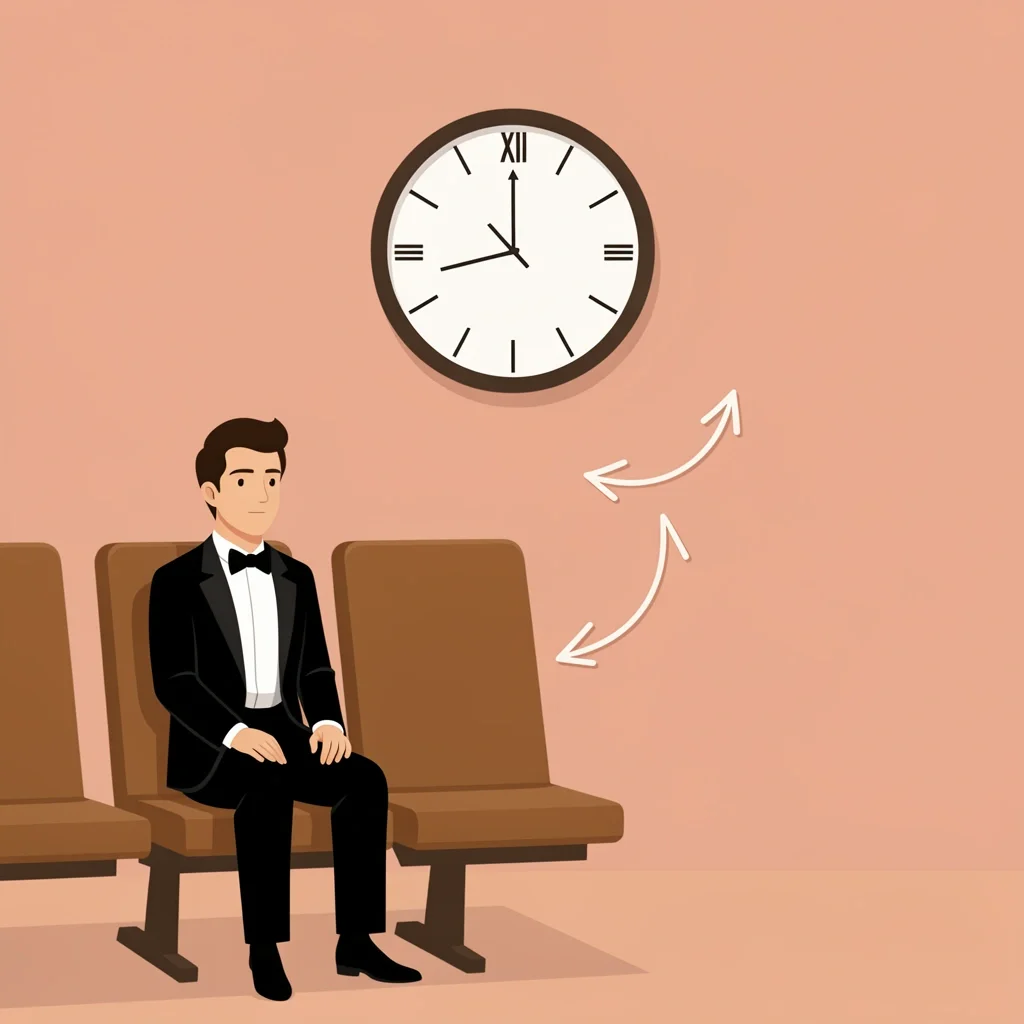
The standard etiquette rule is that guests should be seated before the first notes of the processional music begin. Most weddings start 5 to 10 minutes late anyway. That gives you a natural cushion. If you arrive within 15 minutes of the invitation time, you are usually safe. You can slip into a back row quietly. The couple will not notice because they are focused on their own moment.
Once you hit the 16-minute mark, things change. The ceremony is likely underway. The bride might already be walking down the aisle. Entering at this point becomes disruptive. You are no longer just late. You are now a distraction. The 15-minute rule is not a hard limit for every wedding, but it is a solid guideline. Past this point, you need a different strategy.
Three Ceremony Phases That Change the Rules
Instead of counting minutes, think about what is happening inside. There are three distinct phases. Your decision to enter or wait depends on which phase is active.
Phase 1: Pre-Ceremony and Processional
This is the time before anyone walks down the aisle. Guests are chatting, music is playing, and the wedding party is lining up. You can enter easily. The ushers or coordinator will find you a seat. No one will notice you are late. This phase ends when the processional music starts. If you hear that music change, stop immediately. Do not open the door.
Phase 2: Ceremony in Progress

This is the core of the wedding. The officiant is speaking. Vows are being exchanged. Rings are being placed. This phase includes the first kiss and the pronouncement. You cannot enter during this phase without being seen by everyone. Photographers and videographers are capturing every angle. If you walk in now, you will appear in the background of the couple’s most important photos. Wait outside until you hear applause or music that signals a transition.
Phase 3: Post-Vows and Recessional
After the vows, the couple walks back down the aisle. This is your chance. Enter when guests are standing and clapping. You can blend into the crowd. You missed the ceremony, but you are now part of the celebration. If you arrive during this phase, go straight to the back and wait for the final blessing or announcement before moving to the reception area.
Role Factor: Guest vs. Bridal Party
Your role changes everything. If you are a guest, the rules above apply. If you are a bridesmaid, groomsman, or family member walking in the processional, being late is a bigger problem.
For Wedding Party Members
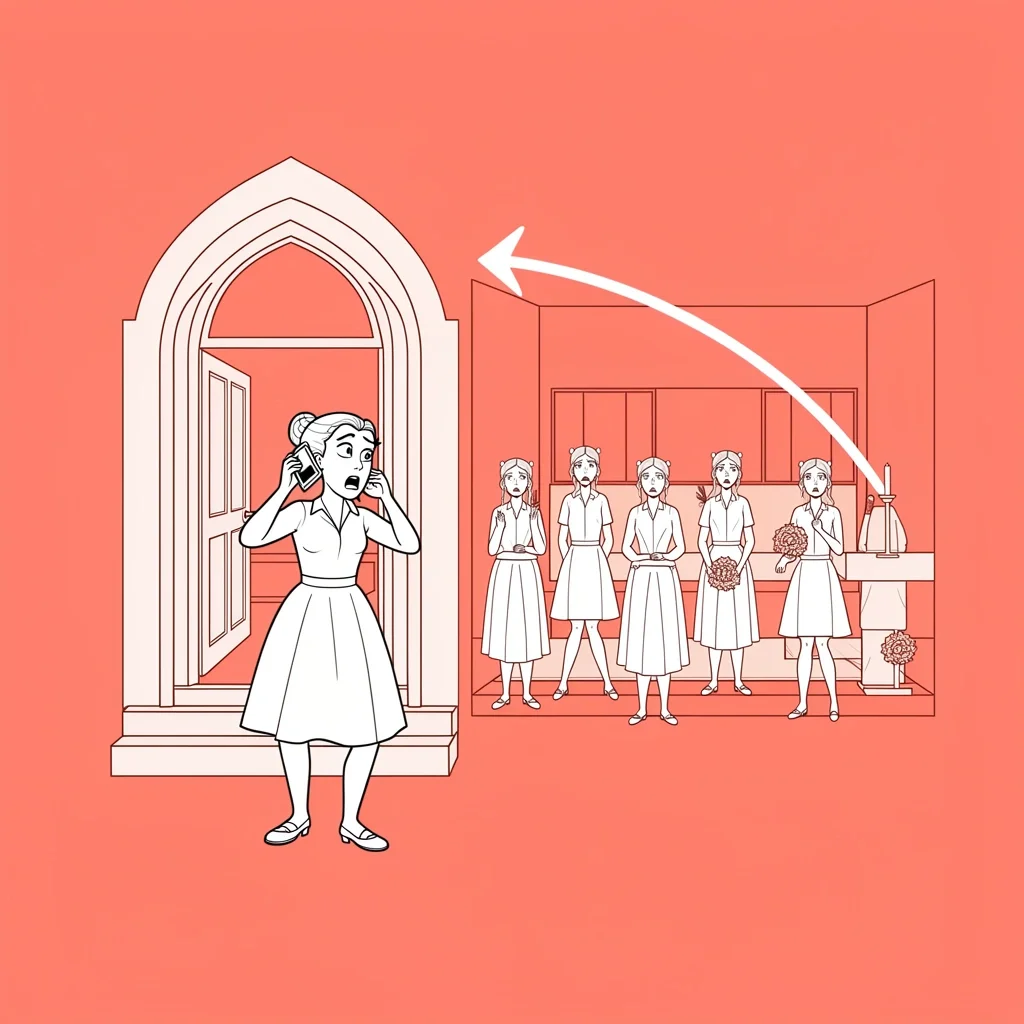
If you are a bridesmaid or groomsman, there is no grace period. You need to be there at least 30 minutes before the ceremony. If you are late, call the wedding coordinator or a fellow bridal party member immediately. Do not text the couple. They will panic. The coordinator can hold the processional for a few minutes if needed. If you are more than 10 minutes late, you may have to skip walking in the processional entirely. Join the ceremony from the back and stand off to the side. It is better than causing a delay.
For Family Members
Parents and grandparents of the couple have a similar rule. You need to be seated early. If you are late, coordinate with the usher or coordinator. They will seat you during a quiet moment, usually before the processional begins. Do not expect to walk in with the wedding party if you arrive late.
Cultural and Religious Exceptions
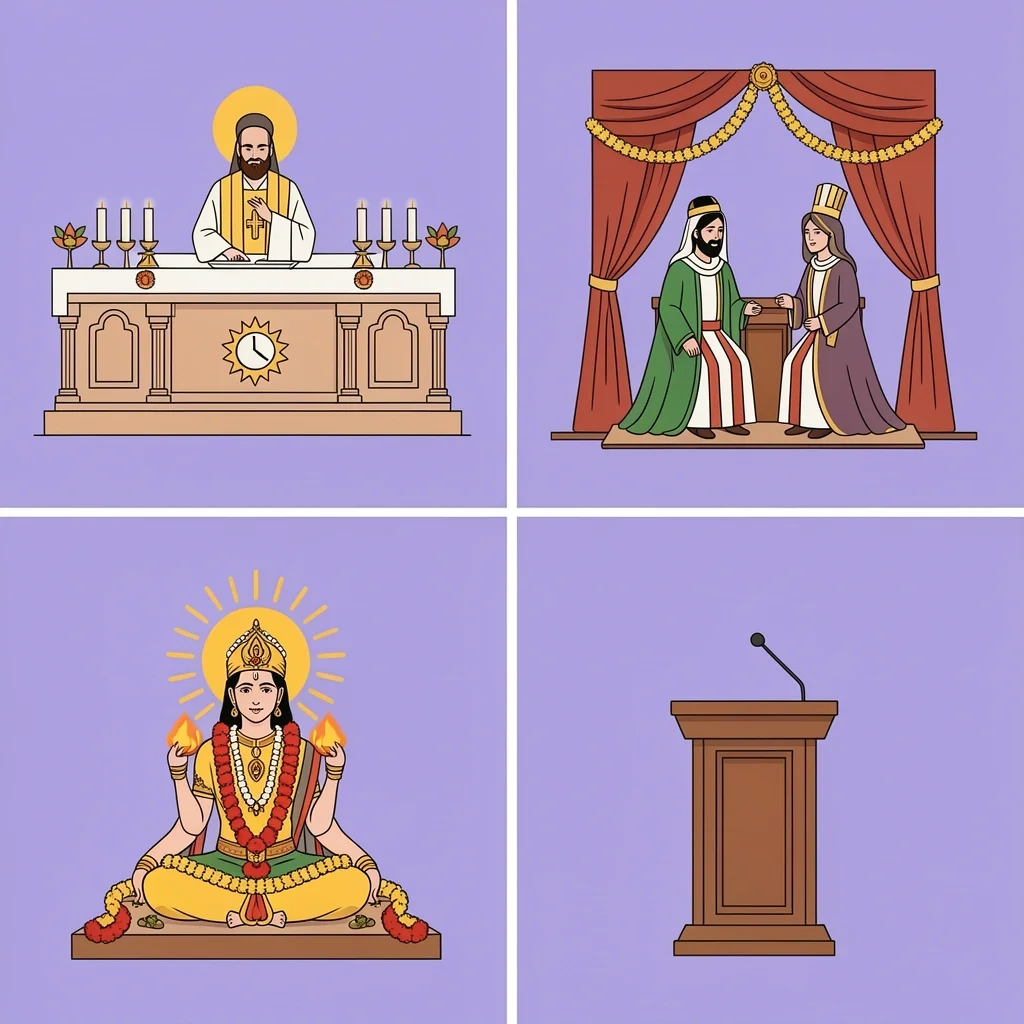
Not all ceremonies follow the same clock. Religious traditions have stricter rules about when you can enter.
| Ceremony Type | Late Arrival Policy |
| Catholic Mass | You cannot enter during the procession or the Liturgy of the Word. Wait until a reading or song ends. After the homily, entry is usually okay but stay in the back. |
| Jewish Wedding | The ketubah signing and bedeken are private. Once the processional begins, entry is disruptive. Wait until the vows or a musical break. |
| Hindu Ceremony | Ceremonies can last hours. Entry is more flexible during rituals like the exchange of garlands. Avoid arriving during the main fire ceremony. |
| Civil Ceremony | These are usually short and tight. Arriving 10 minutes late likely means you miss the whole thing. Better to go straight to the reception. |
| Quaker Wedding | Silent worship. Noise is disruptive. Arrive at least 15 minutes early or skip the ceremony. Entering during silence is not appropriate. |
If you are attending a wedding in a tradition you are not sure about, look up the specific timing customs. A quick search saves embarrassment.
When to Skip the Ceremony Entirely
There comes a point where entering the ceremony does more harm than good. If you are more than 30 minutes late for a standard wedding, or 15 minutes late for a short civil ceremony, skip the ceremony. Go directly to the reception location. Contact the wedding coordinator or a designated family member to let them know you will be at the reception. This is the least disruptive option.
On a similar note, if the venue is small, like a chapel or a backyard setup, any late entry is noticeable. In these spaces, even 10 minutes late can be too much. The couple will see you walk in. The photographer will catch you. The best move is to wait outside until the ceremony ends and then join the cocktail hour.
Do not assume you can walk in during the reception either. Some receptions have speeches or cake cutting happening right away. Check with the venue coordinator about timing before you arrive.
The Wedding Coordinator as Your Ally
The single most effective thing you can do is have the wedding coordinator’s number saved in your phone. Or ask the couple ahead of time who to contact if you are late. This person can tell you exactly when to enter, where to sit, and whether to wait. They see everything and can guide you without the couple knowing.
If you do not have a coordinator contact, look for an usher or a venue staff member at the door. They will help you. Do not try to figure it out alone. One quick text or whisper can save you from walking in during the vows.
Myth Busting: It Is Fine If I Slip in During the Vows
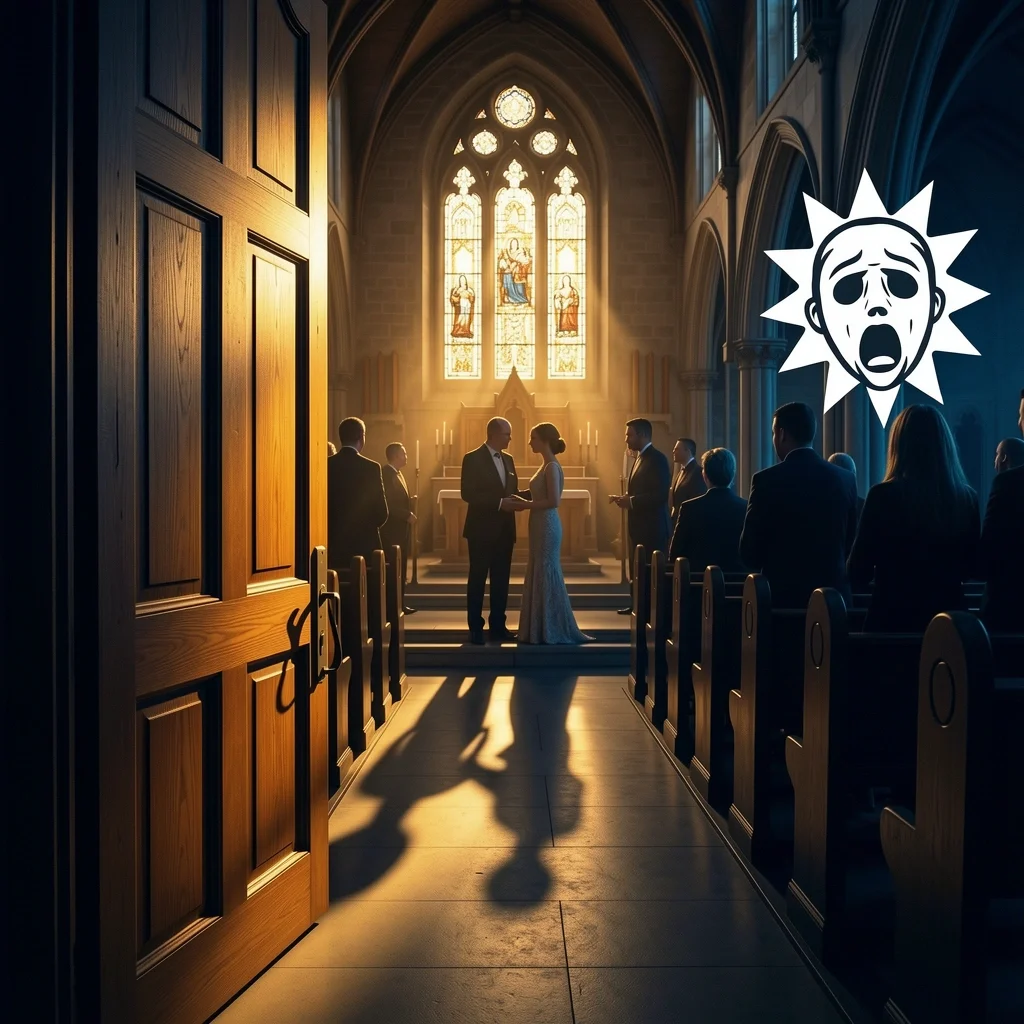
This is a common myth. It is not fine. Entering during the vows is the worst possible time. The room is silent. Everyone is focused on the couple. The photographer is capturing every emotion. If you open a door, it creaks. If you walk across the floor, it echoes. You become the center of attention for a split second. That split second is captured in photos and video forever. The couple will see it later. They will remember it.
Instead, wait for applause. After the first kiss, people clap. That is your signal. Or wait for the officiant to say a prayer or blessing. Any sound that covers your entry works. Do not gamble with silence.
Frequently Asked Questions
Is it ever acceptable to arrive more than 30 minutes late?
Yes, but only if you pre-arranged it with the wedding coordinator. Some multi-day weddings, like weekend events, have looser schedules. If the ceremony is part of a larger event, you might be able to join later without disrupting anything. But this requires planning, not hoping.
What if the ceremony is running late too?
Many weddings start 10 to 15 minutes behind schedule. You can gauge this by listening for sounds. If you hear music and chatter, the wedding has not started yet. If you hear a microphone or a voice speaking, it has begun. Do not barge in based on a guess. Wait for a clear sign of a transition before entering.
How late can the bride or groom be?
This is a separate question. Guests have different rules than the couple. The couple can be 10 to 20 minutes late without issue. It is common. If you are the one getting married, being late affects your own timeline. Do not confuse this with guest lateness. As a guest, you do not get the same grace.
Can I go to the reception if I missed the ceremony completely?
Yes, but you must confirm with the couple or the planner first. Do not show up unannounced. Some couples consider the ceremony and reception as one unit. Missing the entire ceremony and then appearing at the reception can seem disrespectful. Send a quick text to the designated contact. Let them know you are heading to the reception site. They can confirm if it is okay. In most cases, it is fine, but you need permission.
Final Takeaway
Being late to a wedding is stressful, but it does not have to ruin the day. The key is to know the 15-minute grace period, understand the ceremony phase, and have a coordinator contact ready. If you arrive past the safe window, skip the ceremony and go to the reception. Your goal is to celebrate the couple without becoming a distraction. That is the real rule.
Communicating with your wedding planner to make any necessary changes, especially to the venue of the ceremony or reception, is important. It’s reassuring to know that event venues like Victory North Savannah ) have staff who are eager to go above and beyond to assist, especially when there are last-minute issues.
There are so many factors in deciding the time of a wedding but we agree that the venue makes all the difference.