
You have probably seen the phrase Season’s Greetings on a card and wondered if you can send it to people who do not celebrate Christmas. The answer is yes. Seasonal greeting cards fill a sweet spot in the card world. They let you acknowledge a specific time of year without assuming a particular holiday. Whether you are trying to connect with a coworker, a neighbor, or a close friend, this guide covers everything you need to pick the right card, write a thoughtful message, and send it at the right moment.
What Makes a Card a Seasonal Card
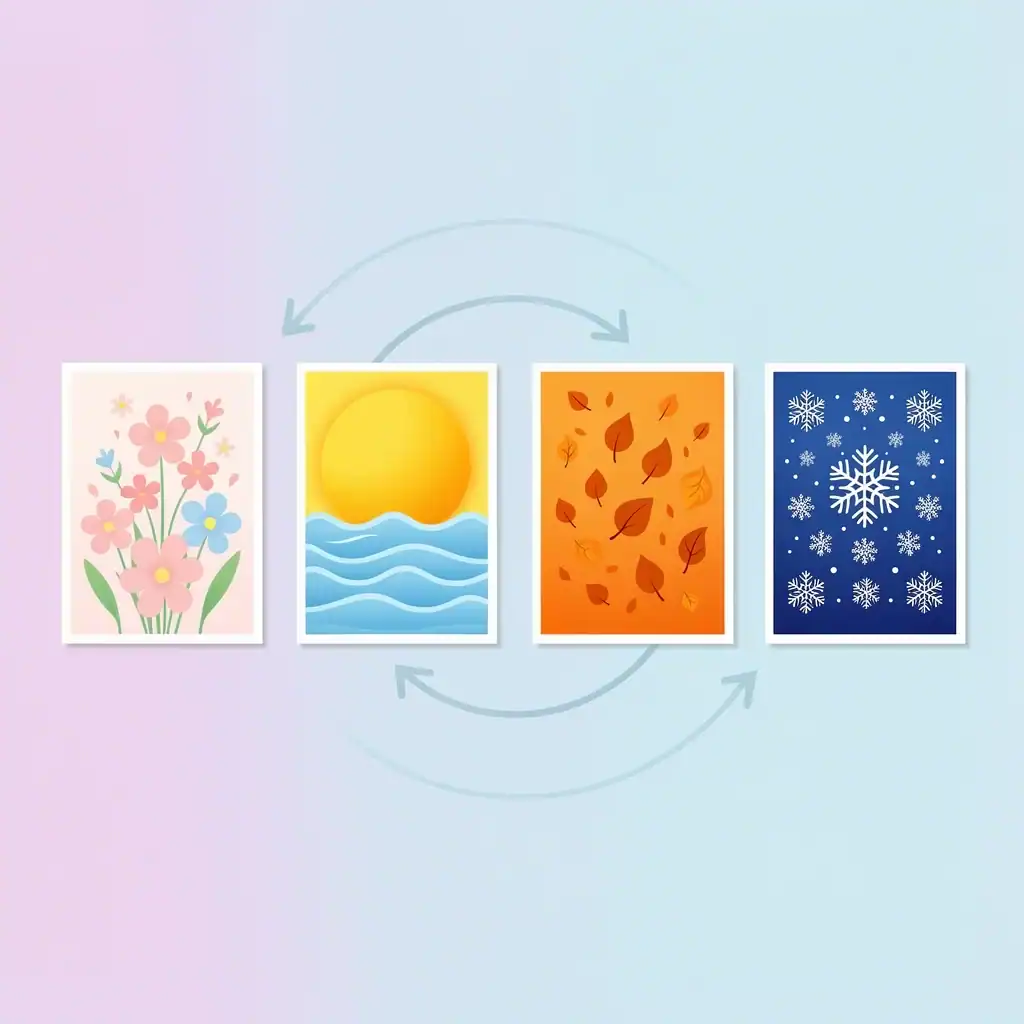
A seasonal card focuses on the feeling of a specific time of year. Spring cards use flowers and pastels. Summer cards lean into sunshine and beaches. Autumn cards show leaves and warm colors. Winter cards use snow, stars, and cozy fireplaces.
The main difference from a holiday card is the message. A holiday card celebrates a specific religious or cultural event. A seasonal card celebrates the season itself. That makes it a safe, respectful choice when you are not sure what someone celebrates. In my experience, seasonal cards work best for coworkers, neighbors, and acquaintances because they build a connection without overstepping personal boundaries.
Breaking Down the Four Seasons
Each season has a distinct look and tone. Knowing the differences helps you choose a card that feels right.
Spring
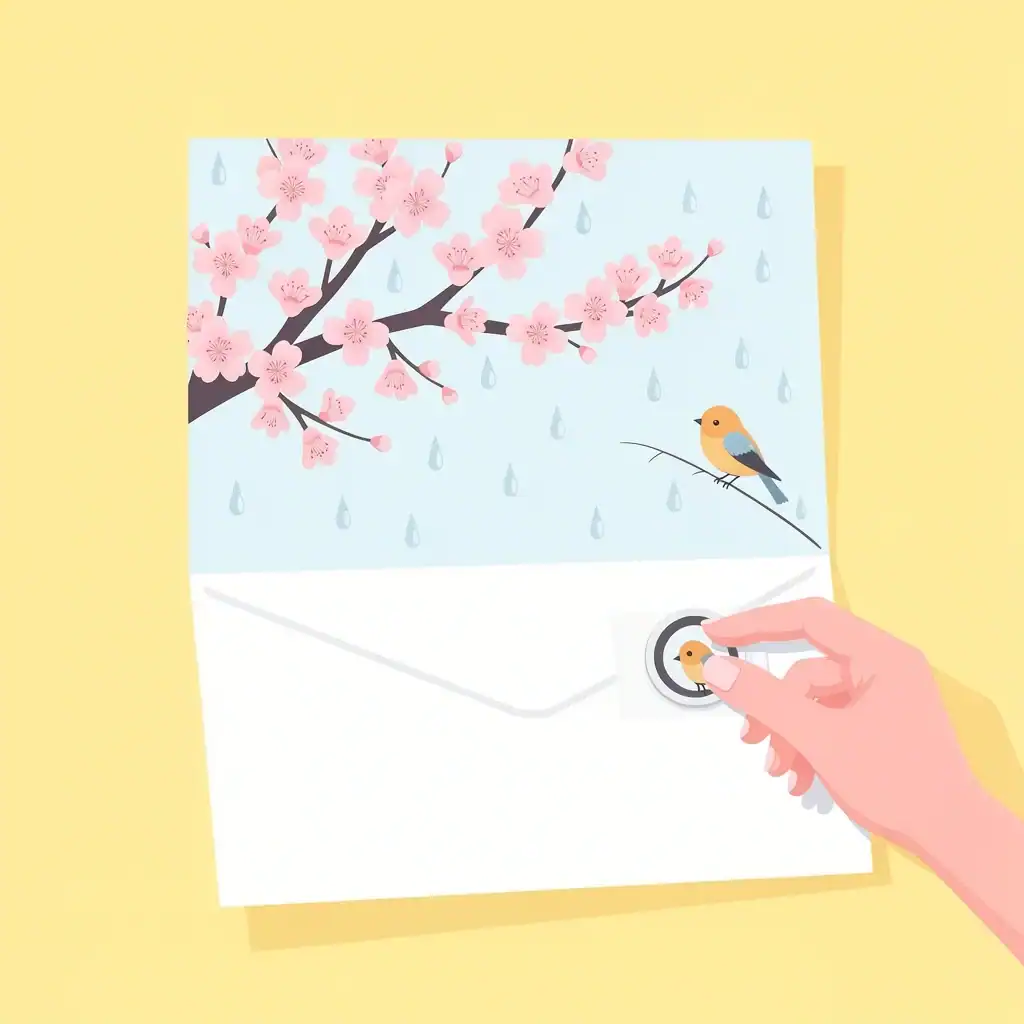
Spring cards are about renewal. The colors are soft yellows, greens, and pinks. Common designs include blossoms, birds, and gentle rain. These cards work well for people who appreciate fresh starts or who have birthdays in the spring.
Summer
Summer cards are bright and energetic. You see lots of blue skies, ocean waves, and flowers in full bloom. The tone leans casual and relaxed. These are great for friends and family.
Autumn
Autumn cards feel warm and cozy. The imagery is full of oranges, browns, pumpkins, and falling leaves. The tone is reflective. These cards are perfect for sending gratitude or checking in as the weather gets cooler.
Winter
Winter is the most popular season for greeting cards. The designs use neutrals, deep greens, and blues. Snow, pine trees, and stars are common. These cards work for holiday-neutral greetings or New Year wishes. A card that simply says “Peace and warmth this winter” covers everyone on your list.
How to Pick the Perfect Card for Anyone
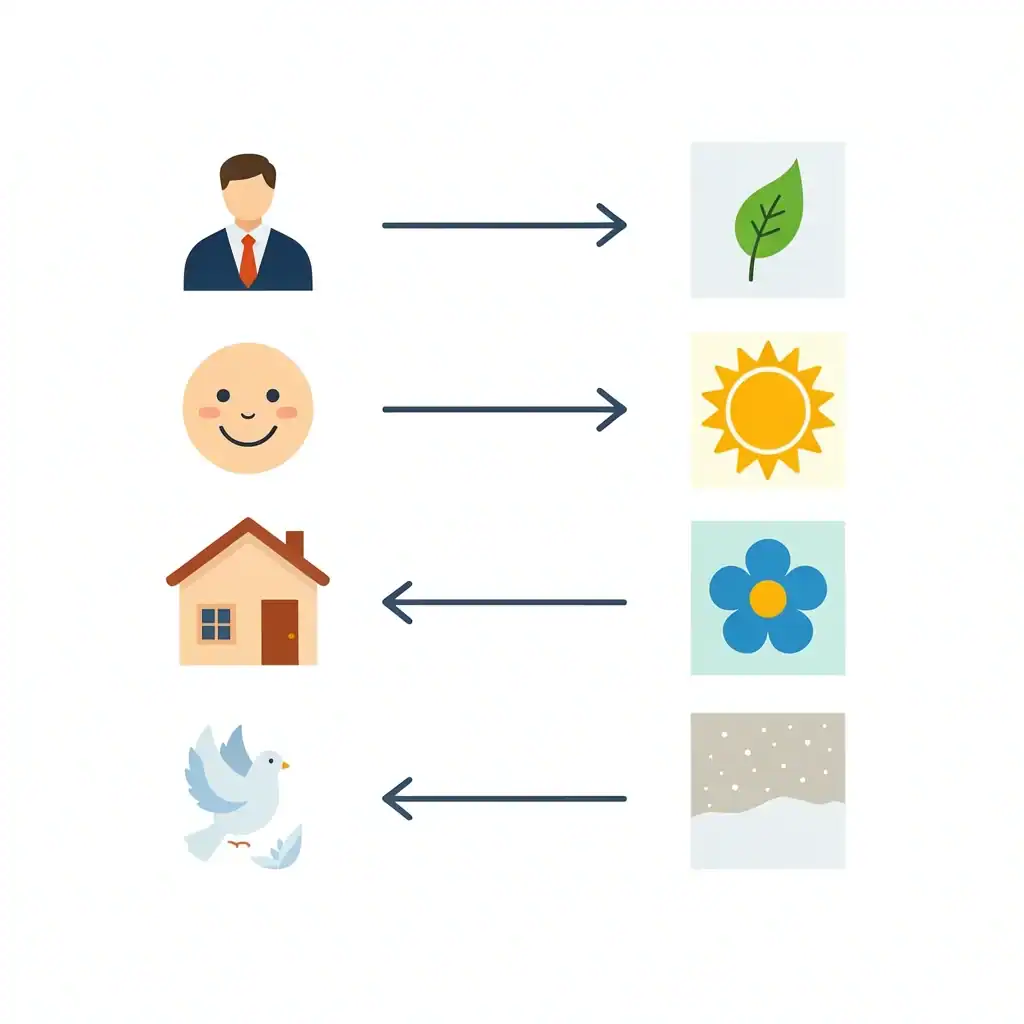
Choosing the right card depends mostly on who you are sending it to. Here is a quick guide.
| Recipient | Best Season | Card Style | Tone |
|---|---|---|---|
| Boss or Client | Winter, Autumn | Elegant, Minimalist | Professional, Short |
| Close Friend or Family | Any (match their style) | Fun, Bright, Personal | Warm, Casual |
| Neighbor or Acquaintance | Spring, Summer | Friendly, Simple | General, Welcoming |
| Mixed-Faith Household | Winter | Nature-focused | Neutral, Peaceful |
For a boss or client, stick with winter or autumn. An elegant leaf pattern or simple snowflake feels professional without being too personal. For friends and family, you can have fun. Pick a design that matches their personality. Do they love the beach? Send a summer card. For a neighbor, a friendly spring or summer card is perfect. It says hello without feeling heavy. For mixed-faith households, a winter card with scenery and a neutral message includes everyone equally.
Seasonal Card Etiquette You Should Know
A few unspoken rules make a big difference when sending these cards.
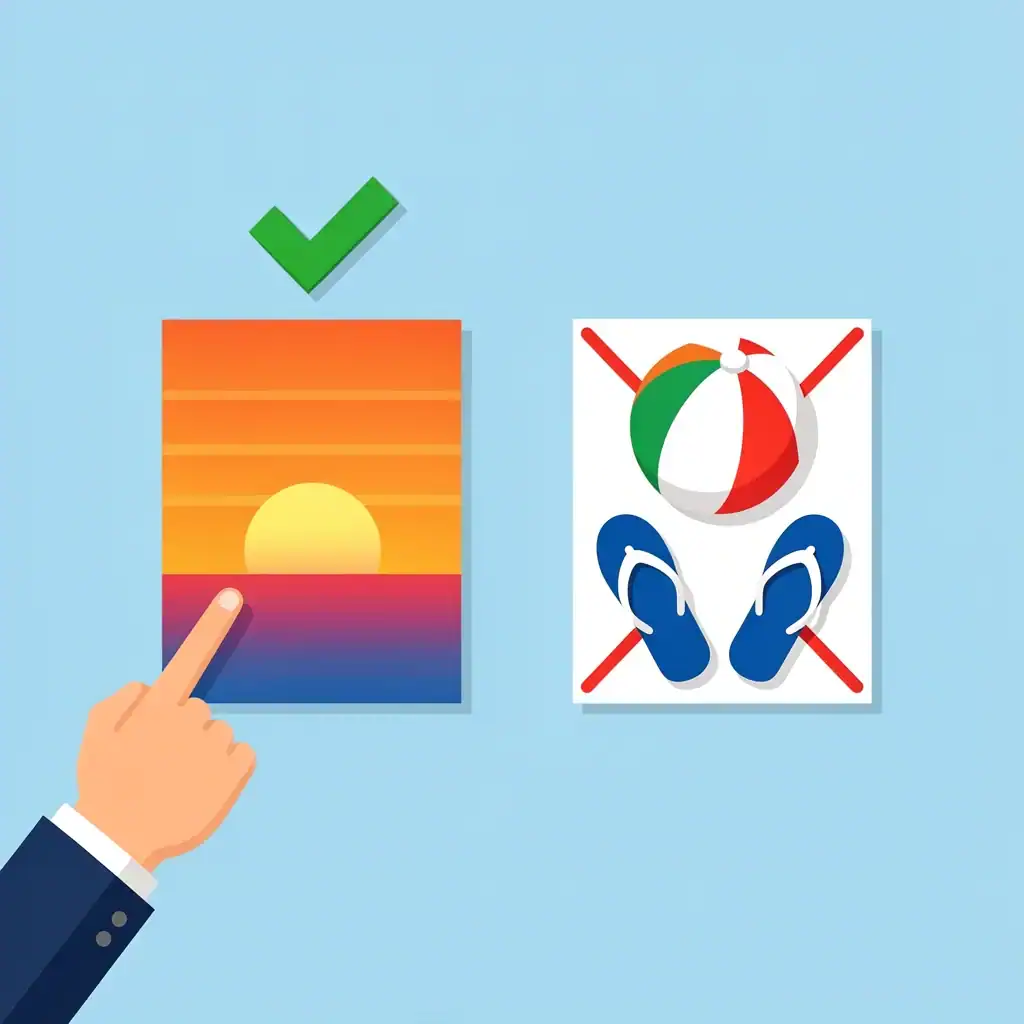
If you send a summer card to a colleague, keep the design professional. A sunset or lighthouse works well. A card with flip-flops or beach toys might feel too casual.
When sending to someone of a different faith, avoid specific holiday symbols like nativity scenes or menorahs. Focus on nature or general warmth. A card with snow-covered trees is a safe bet.
Do not reference a specific event within a season. A “Happy Summer Solstice” card might confuse someone who does not celebrate it. Stick with general season names like “Spring” or “Summer.”
One more tip: always write a personal note by hand. Even if the card is simple, a handwritten message makes it feel custom and thoughtful.
Where to Get Your Seasonal Cards
You have three solid options for getting cards, and each one fits a different need.
Store-Bought
This is the easiest path. Brands like Papyrus make beautiful cards, especially for winter. Prices range from around six dollars for a single card to twenty dollars for a boxed set. The downside is selection. Finding a non-winter seasonal card in a physical store can be surprisingly difficult. Most stores clear their shelves of anything not holiday-related after January.
Printable Templates
This is my favorite option for cost and convenience. Websites like Canva have hundreds of seasonal card templates. Most are free or just a few dollars. You print them at home or at a local print shop. You control exactly how many you make, which saves money and reduces waste. You can also choose recycled paper for a more eco-friendly option. This method gives you total control over the design and message.
Handmade
If you enjoy crafting, making cards yourself gives you the most personal touch. You pick every detail of the paper, colors, and layout. The tradeoff is time. A single high-quality card can take an hour to make. Save this approach for your closest people.
Ideas for What to Write Inside
The message does not need to be long. A few sentences that recognize the season are enough.
Short Messages
- “Wishing you a beautiful spring season full of new beginnings.”
- “Hope your summer is full of sun and relaxation.”
- “Thinking of you as the leaves begin to fall.”
- “Sending you peace and warmth this winter.”
Professional Messages
- “Wishing you and your team a productive season ahead.”
- “Thank you for your partnership this past season. Wishing you all the best.”
The key is to match the tone to the season and the recipient. A humorous message works for a family member. A short, sincere message works for a professional contact.
The Best Timing for Sending Seasonal Cards
Timing matters more than most people think. You want the card to arrive when the season is just starting.
- Spring: Aim for late March.
- Summer: Early to mid June.
- Autumn: Late September.
- Winter: Early December for general winter cards. Early January for New Year cards is also acceptable.
For digital cards, send them right at the start of the season. That puts your name in their inbox at the perfect moment.
Frequently Asked Questions
Can I send a “Happy Summer” card to a business client without it seeming odd?
Yes, as long as you keep the design professional. Choose something elegant like a sunset or a simple floral pattern. Avoid images that are too playful. Keep the message general, such as “Wishing you a wonderful summer season.”
What’s the difference between “Season’s Greetings” and “Happy Holidays”?
“Season’s Greetings” is a general greeting for the winter season. It focuses purely on the time of year. “Happy Holidays” typically refers to the cluster of winter celebrations like Christmas, Hanukkah, and Kwanzaa. If you want the most inclusive option, “Season’s Greetings” is the better choice.
Do I need to match the card design to the season, or can I use a generic one?
Matching the design to the season makes the card feel intentional. A card with autumn leaves sent in September shows you put thought into it. A generic design works in a pinch, but a seasonal design always feels more personal.
How early should I mail a spring greeting card before the season actually starts?
Aim to have it arrive around the first day of spring, which is March 20. Mail it roughly one week beforehand to ensure it arrives on time.
Are there any seasons when it is considered inappropriate to send greeting cards?
There are no strict rules, but use common sense. Avoid sending a cheerful summer card to someone dealing with extreme weather like a hurricane or heatwave. Pay attention to what is happening in their area.
Can I reuse a card from last year if it has no date?
Yes. If the card has no year-specific message or date printed inside, you can cross out the old signature and write a new one. Printable templates make this easy because you can save the file and update the text.
What size envelope is standard for most seasonal greeting cards?
Most folded cards use an A2 envelope, which measures 4.375 by 5.75 inches. Larger cards might use an A9 envelope, which is 5.75 by 8.75 inches. Always check the card listing or template notes for the exact size.
At a wedding I attended at Victory North Savannah ), I was blown away by how expertly minted greeting cards were done. It’s a given that I’ll keep it.